


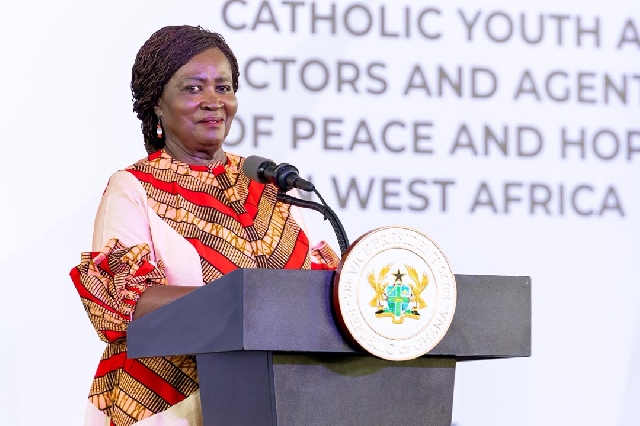
Peasant Farmers Association Demands Six-Month Ban on Rice Imports to Protect Local Producers
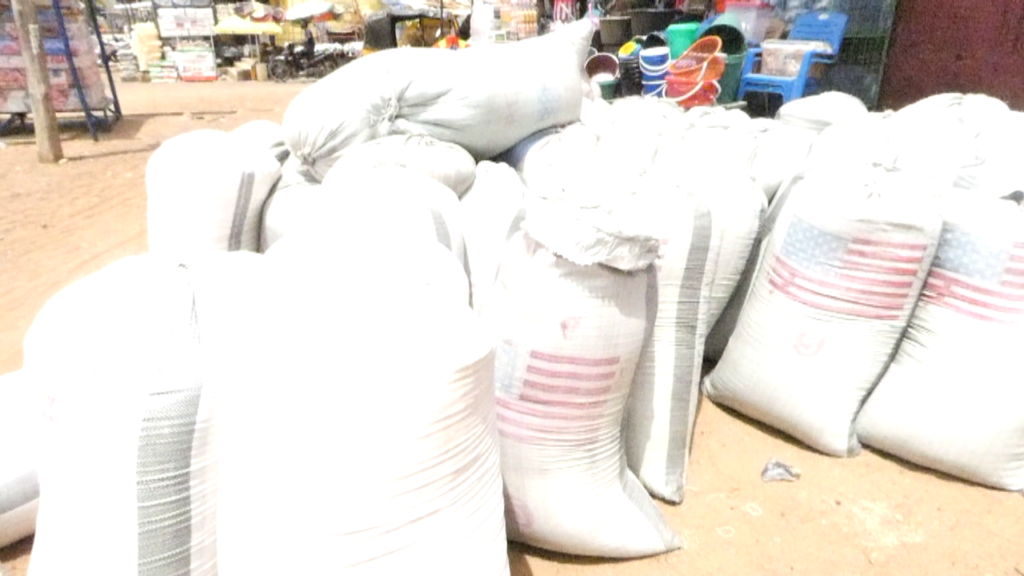
The Peasant Farmers Association of Ghana (PFAG) is urging the government to impose an immediate six-month suspension on rice imports, hoping to give beleaguered local farmers a chance to sell off unsold stocks and stabilise farm-gate prices. The Association argues that such a measure would restore confidence in the domestic rice market and provide crucial relief to producers facing mounting financial challenges. In a statement issued on Thursday, June 4, PFAG revealed that nearly 90% of local rice farmers have been left with unsold stock, despite repeated government interventions. The Association blamed the National Food Buffer Stock Company (NAFCO) for failing to procure surplus rice as directed by President John Dramani Mahama, a lapse they say has put the sustainability of local rice production at risk. PFAG’s statement paints a stark picture: “PFAG calls on the government to immediately order a moratorium on rice imports for a minimum of six (6) months to allow for the clearance of existing Ghanaian-produced rice stocks.” The Association further demanded a transparent review of NAFCO’s mandate, procurement processes, financing, and institutional capacity. They also called for a legal and regulatory framework requiring all government entities, including ministries, state-owned enterprises, hospitals, schools, prisons, and the military, to procure only locally produced rice and other staples. PFAG is also pushing for the full and immediate implementation of the rice import quota policy as part of a broader strategy to strengthen the domestic rice industry and reduce Ghana’s reliance on imports. The Association emphasised that a coordinated package of interventions is needed to build a resilient and sustainable rice value chain. “Invest in post-harvest infrastructure, including storage facilities, milling capacity, and market linkage platforms, to reduce post-harvest losses and improve the competitiveness of locally produced rice against imported alternatives,” PFAG insisted. Without urgent intervention, the Association warns that many rice farmers could face severe financial hardship, undermining national efforts to boost food production and achieve greater food security. Source: Apexnewsgh.com
Sam George Stands Firm: No Reopening of Anti-LGBTQ+ Bill After Passage
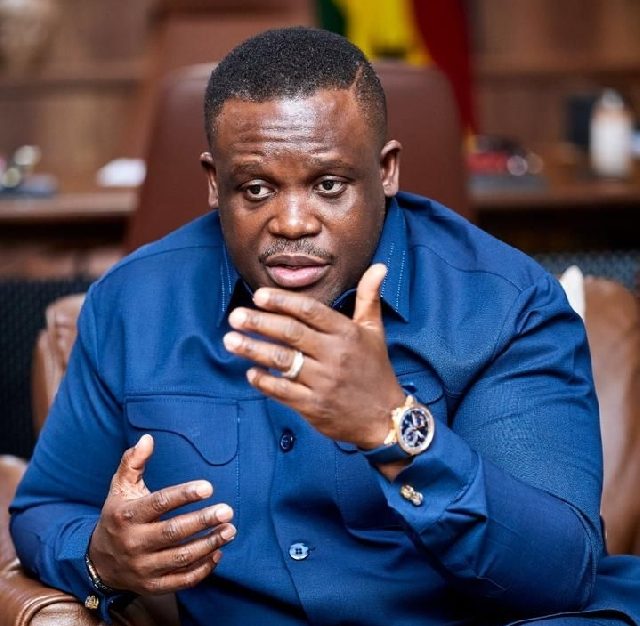
Samuel Nartey George, Minister for Communications, Digital Technology and Innovation, and sponsor of the Human Sexual Rights and Family Values Bill, 2025, has firmly rejected calls for Parliament to revisit the legislation following its passage on May 29, 2026. Mr. George’s stance comes after Speaker of Parliament Alban Bagbin urged lawmakers to reconsider the bill, which has sparked ongoing debate within the House. Speaking at the 4th African Inter-Parliamentary Conference on Family Sovereignty and Values, George stressed the importance of adhering to parliamentary procedure. “Everything that we do in this House, Parliament, is a house of rules. Respectfully to Mr Speaker, it’s not a house of appeals. It’s a house of rules. And so if there’s no rule in the rule book that gives us room to do what he wants to do, I’m saying that there is still room in there; the Presidency can come back to us,” George explained. He emphasized that once Parliament has passed a bill, its legislative role is complete and the only remaining duty is to transmit the bill to the President. “When Parliament passes a bill, Parliament becomes functus officio. I think that the only role that Parliament has today is to transmit the bill to the President,” he stated. According to George, the Constitution clearly outlines the President’s options: to assent to the bill, seek advice from the Council of State, or return it to Parliament with specific recommendations for reconsideration. “If he has an issue, he can write back to us and say, ‘I have an issue with this provision, that provision. Parliament should reconsider it with his recommendations.’ He cannot just raise objections; he must make recommendations through his Attorney-General,” he added. George further underscored that Parliament’s Standing Orders do not permit the reversal or rescission of a bill once it has been passed. “The act of rescission of a passed bill is alien to our Standing Orders,” he said. He concluded that any further concerns about the legislation must be addressed through the constitutional processes available to the President, not by reopening debate in Parliament. The Human Sexual Rights and Family Values Bill, popularly known as the Anti-LGBTQ+ Bill, now awaits transmission to President John Mahama for further action. Source: Apexnewsgh.com
President Mahama Embarks on State Visit to Belarus to Strengthen Bilateral Ties
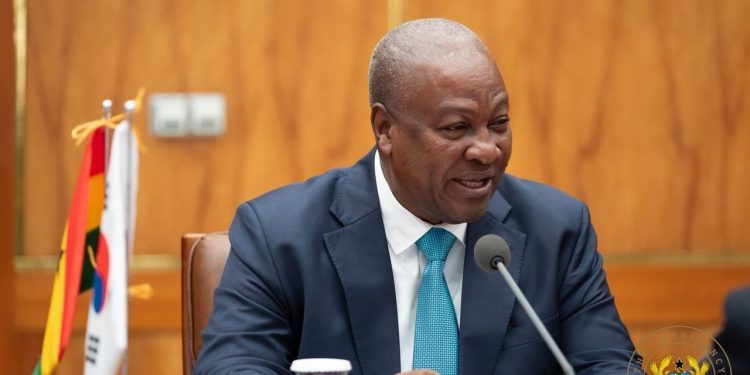
President John Dramani Mahama has begun a four-day state visit to Belarus, seeking to deepen diplomatic relations and expand cooperation across key sectors such as agriculture, education, commerce, and industry. The visit, which commenced on Friday, June 5, follows an invitation from Belarusian President Aleksandr Lukashenko and is poised to open new avenues for economic and technical collaboration between the two nations. According to a statement by Felix Kwakye Ofosu, Spokesperson to the President and Minister for Government Communications, President Mahama’s itinerary features high-level meetings with Belarusian officials and tours of strategic institutions. A major highlight will be bilateral talks with President Lukashenko, followed by expanded discussions involving ministers and senior government officials from both countries. These engagements will focus on strengthening partnerships in agriculture, education, and commerce, areas identified as vital to both nations’ development goals. Upon arrival in Minsk, President Mahama will pay tribute by laying a wreath at the Victory Monument, honoring Soviet Army soldiers and Belarusian partisans who fought during World War II. Furthering Ghana’s industrialization and food security agenda, the President will travel to the western city of Brest to tour a major milk, cheese, and baby food processing facility, to facilitate knowledge exchange and explore partnerships in agro-processing, a sector crucial to adding value to Ghana’s agriculture. President Mahama’s programme also includes a visit to the Brest Hero Fortress Memorial Complex, commemorating the Soviet defense against Nazi forces in 1941, and the Belovezhskaya Pushcha National Park, a UNESCO World Heritage Site that highlights both countries’ commitment to environmental conservation. The state visit is expected to culminate in the signing of at least four bilateral agreements designed to promote mutual growth and strengthen institutional cooperation between Ghana and Belarus. President Mahama will return to Accra on Tuesday, June 9, concluding a trip focused on forging new partnerships and advancing Ghana’s development agenda. Source: Apexnewsgh.com
Police Arrest 80 Suspects in Major Anti-Crime Sweep Across Upper East Region
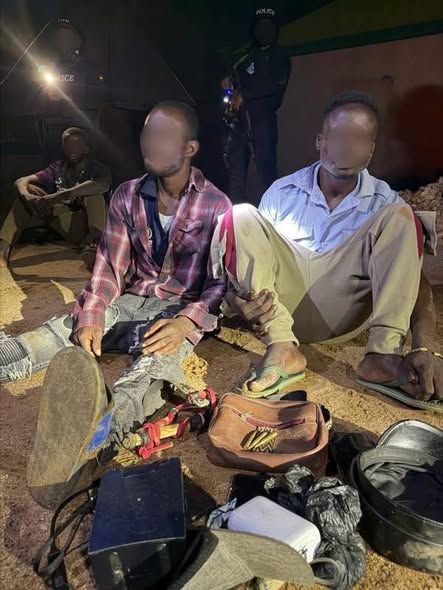
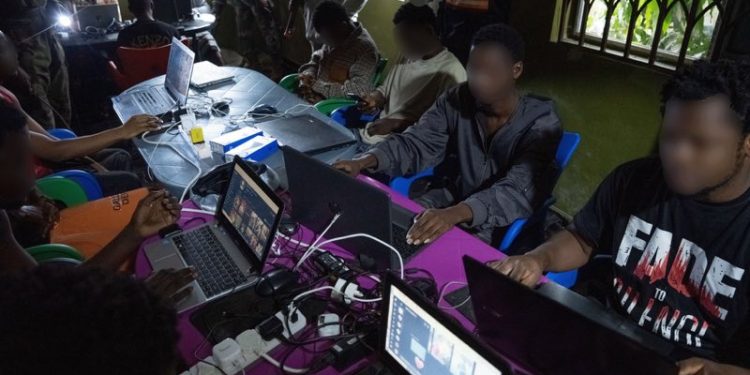
The Upper East Regional Police Command, backed by the Inspector-General of Police’s Special Operations Team, has apprehended 80 suspects in a sweeping, intelligence-led anti-crime operation across several hotspots in the Upper East Region. The operation, which took place between May 25 and June 3, 2026, targeted areas known for criminal activity, including Zuarungu, Bolgatanga, Tongo, Bongo, and the Nabdam District. According to a police statement, the coordinated raids were aimed at dismantling networks involved in narcotics and other crimes. In Zuarungu, 12 individuals, eight males and four females (with three Nigerians and one Ghanaian among the women), were arrested. Bongo saw the largest number of arrests, with 34 suspects (32 males and two females) taken into custody. In Pelungu, Kongo, and Nangodi within the Nabdam District, 14 suspects were rounded up, while Bolgatanga accounted for 20 additional arrests. Preliminary investigations suggest that those apprehended were engaged in narcotics peddling, consumption, and a range of other criminal activities. The crackdown also resulted in significant seizures: in Tongo, police retrieved a motorcycle, assorted foreign cigarettes, male condoms, and substances suspected to be Indian hemp. Bongo operations yielded three rounds of 5.56×45mm NATO ammunition and two motorbikes. The Nabdam District operation uncovered parcels and sacks of dried leaves believed to be narcotics, assorted drinks suspected of containing illicit substances, an unregistered motorbike, foreign cigarettes, and components of a casino jackpot machine. In Bolgatanga, further seizures included dried leaves suspected to be Indian hemp, assorted cigarettes, three motorbikes, two with registration numbers and one unregistered, and a casino jackpot machine. All 80 suspects remain in police custody and will be prosecuted in court. The police have reaffirmed their commitment to intensifying such operations to rid communities of crime and safeguard public safety across the region. Read the statement below: The Upper East Regional Police Command supported by the IGP’s Special Operations Team conducted an intelligence led swoop operation at Bolgatanga, Tongo, Bongo and Nabdam District from 25th May to 3rd June, 2026. The team arrested twelve suspects comprising eight males and four females at Zuarungu. The female suspects comprised three Nigerians and a Ghanaian. In Bongo, a total of thirty-four (34) suspects comprising thirty-two (32) males and two (2) females were arrested. Subsequently, the operation at Perlungu, Kongo and Nangodi led to the arrest at fourteen (14) suspects comprising twelve males and two females in the Nabdam District. Twenty (20) suspects were also arrested in Bolgatanga. Preliminary investigation indicates that the suspects were involved in narcotic peddling and consumption as well as other criminal related activities. The team also retrieved a motorcycle, assorted foreign cigarette, male condoms and quantities of substances suspected to be Indian hemp in Tongo. In Bongo, three rounds of 5.56×45mm NATO ammunition and two motorbikes were retrieved and in Nabdam, parcels and sacks containing dried leaves suspected to be Narcotic substances, assorted drinks suspected to contain narcotic content, one unregistered motorbike, assorted foreign cigarettes and pieces of casino jackpot machine were retrieved. Suspects arrested in Bolgatanga were in possession of dried leaves substances suspected to be Indian hemp, assorted cigarette, a Yamaha black Sirius motorbike with registration no. M-19-UE 2688, black Luojia motorbike with registration no. M-13-UE 7181, an unregistered Haojue motorbike and a casino jackpot machine. All suspects are in Police custody and will be put before court to face the full rigours of the law. Signed Chief Inspr. Abdul-Rahman Sumaila Public Relations Officer Upper East Region
Coalition Secretary Urges African Lawmakers to Reject LGBTQ+ Rights Advocacy
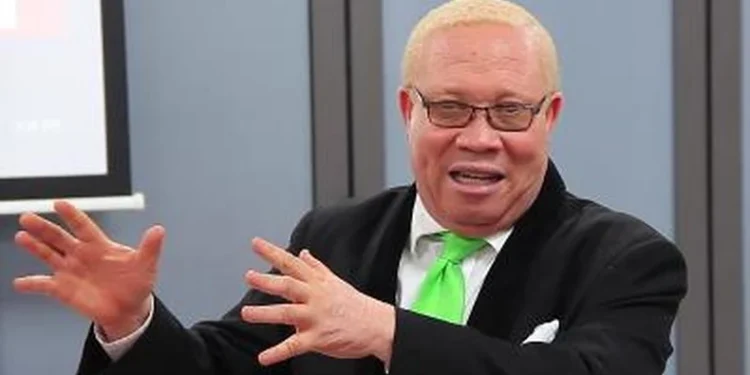
Moses Foh-Amoaning, Executive Secretary of the National Coalition for Human Sexual Rights and Family Values Bill, has called on African legislators to firmly resist advocacy efforts for LGBTQ+ rights, arguing that claims linking such rights to international human rights law are misleading and unsubstantiated. Addressing participants at the 4th Inter-Parliamentary Conference on Family, Sovereignty and Values on Thursday, June 4, 2026, Mr. Foh-Amoaning urged lawmakers not to be swayed by the argument that LGBTQ+ rights are protected under international legal frameworks. “Don’t be fooled by the human rights argument. It is a lie from hell,” he warned, asserting that advocacy groups are pursuing a deliberate agenda built on what he described as deceptive narratives. “This is an agenda-seeking set of people who are clear on what they want and their hallmark is deception and that’s what I want to expose,” he told the conference. Mr. Foh-Amoaning further contended that references to sexual rights, constitutional rights, and human rights in support of LGBTQ+ issues lack grounding in international law. “So when you hear them talking about human rights, sexual rights, constitutional rights, it’s all false,” he declared. He reassured conference participants that standing against LGBTQ+ rights would not put them in violation of international legal obligations, suggesting such fears are unfounded. “I want this conference not be fooled by anybody and say okay we’re afraid because we’re going to be fighting or conflicting with some international law framework,” he said. According to Mr. Foh-Amoaning, LGBTQ+ rights have never been formally included in international legal instruments, but have rather been introduced through interpretation and external pressure. “My point is LGBTQ rights have never been part of the international legal framework. They were implied and they were forced into our laws,” he argued. The conference brought together parliamentarians, policymakers, and advocates from across Africa and beyond to deliberate on family values, national sovereignty, and social policy in a rapidly changing world. Source: Apexnewsgh.com
Bank of Ghana Tightens Grip on Liquidity with GHS 11.28 Billion Bill Auction
The Bank of Ghana has extracted GHS 11.28 billion from the financial system through its latest 14-day bill auction, highlighting the central bank’s ongoing efforts to control liquidity and anchor macroeconomic stability. Tender 864, conducted on June 3, 2026, saw the central bank successfully selling GHS 11.28 billion in short-term bills to banks and market participants. The auction drew bids at annual rates between 10.40% and 11.00%, with every qualifying offer being fully allotted. The weighted average discount rate settled at 10.88%, while the corresponding interest rate stood at 10.93%. Unlike government-issued Treasury bills, which fund public spending, Bank of Ghana bills are specifically designed as monetary policy tools to absorb surplus liquidity and guide short-term money market trends. The size of this latest mop-up underscores the central bank’s determination to keep inflation in check and preserve recent macroeconomic gains, especially as inflation has ticked up for two straight months, reaching 3.7% in May from 3.4% in April. For market watchers, the 10.93% average interest rate offers insight into current liquidity conditions and signals the central bank’s cautious monetary stance. This operation follows the Monetary Policy Committee’s recent decision to hold the policy rate steady at 14%. The Bank of Ghana’s active use of its bills underscores its commitment to maintaining orderly money markets and aligning liquidity with broader policy objectives. For banks, these short-term bills provide a valuable investment option, while for the central bank, they remain a vital lever for managing money supply and supporting economic recovery. As government spending, forex inflows, and shifting market expectations continue to shape liquidity across the banking sector, stakeholders will be watching closely to see if the central bank maintains this robust pace of liquidity absorption in upcoming auctions. Source: Apexnewsgh.com
Minister Warns: Foreign Digital Content Threatening African Values Among Children
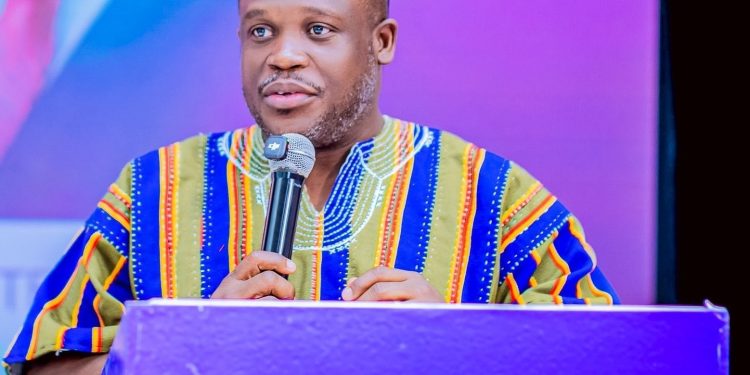
The Minister for Communication, Digital Technology and Innovation, Sam George, has voiced growing concern over the rising influence of foreign digital content on African children, cautioning that it is eroding traditional values such as respect for parents and elders. Addressing the 4th Inter-Parliamentary Conference on Family, Sovereignty and Values on Thursday, June 4, 2026, Mr. George cited data showing that one in three African parents believes their children have lost the traditional value of respecting their parents. He highlighted that 78% of content consumed by African children on digital platforms originates from foreign sources. “So your kids, your grandkids are spending time and 78 per cent of the content that they listen to is from a foreign platform,” Mr. George noted, emphasizing the prevalence of non-African influences in children’s online consumption. According to the minister, digital platforms have become dominant in shaping the behaviors and attitudes of young people, often supplanting the traditional institutions and community structures that once guided socialization. “One in three African parents reports that their children have gone wayward. They’ve lost the African value of respect for parents, and that’s coming from online platforms,” he warned. Mr. George urged parents and guardians to be more vigilant about the digital content their children engage with, arguing that much of it promotes values and behaviors at odds with established family structures and cultural norms. “You just need to take your time and listen to what our kids are watching, your grandchildren are watching online, and you’ll be shocked at what they are being told is the new norm for dealing with parents,” he said. The minister lamented that respect for elders, communal living, and family-centered decision-making, central pillars of African identity, are increasingly under threat. “For millennia, the African identity has been a respect for the elderly and our communal living. Today, the new generation of Africans has no respect for the elderly and family councils, and elders and community ceremonies are now a thing of folklore and a distant past,” Mr. George observed. He concluded by pointing out that digital platforms have become the primary source of socialization for many young people across the continent, a shift that has sparked ongoing debate among policymakers, educators, and cultural leaders about the broader impact of technology and social media on African family life and values. Source: Apexnewsgh.com