

Uncovering the Challenges of Isaac Adongo’s Grinding Mill Projects
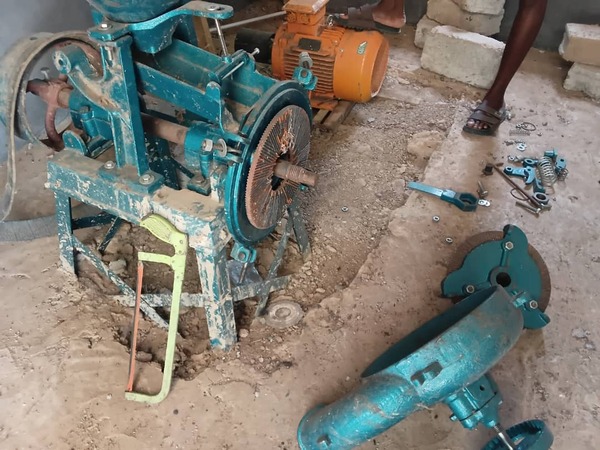
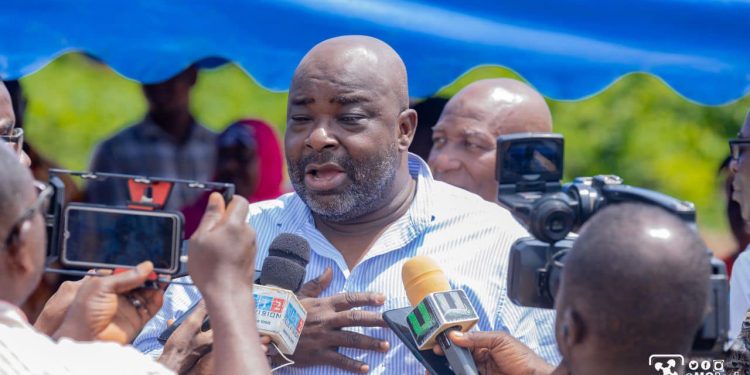
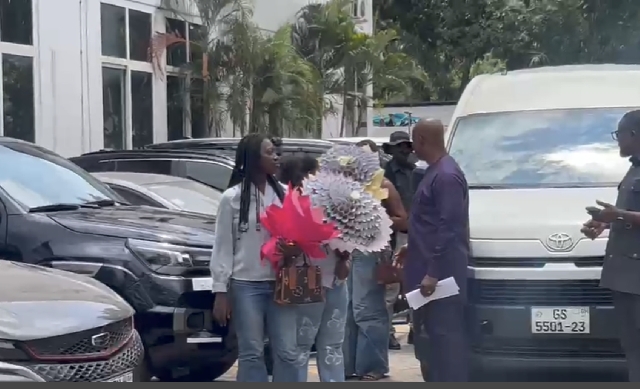
Development projects led by Members of Parliament (MPs) are often viewed as lifelines for communities, bridging the gap between local needs and national resources. Beyond their constitutional roles of legislation and oversight, MPs like Hon. Isaac Adongo of Bolgatanga Central have taken on direct intervention projects to address pressing grassroots issues and promote equitable resource distribution. One such intervention, the grinding mill project spearheaded by Hon. Adongo, was envisioned as a beacon of economic empowerment and relief for rural communities. Funded through the MP’s District Assembly Common Fund, the initiative set out to benefit fifteen communities by providing grinding mills to ease economic hardship and support local livelihoods. However, a recent findings by Apexnewsgh has revealed troubling challenges threatening the project’s success. In early June 2026, Apexnewsgh visited nine out of the fifteen beneficiary communities to assess the state of the grinding mill projects. The findings were sobering: all sites visited were either inactive or completely non-operational, each facing unique but significant obstacles. Common issues included: Locked and unused facilities Incomplete machinery installation Mismatched or missing machine parts Lack of electricity supply Buildings without grinding mills or with uninstalled equipment In several cases, facilities stood empty or had equipment that was never commissioned. For instance, at one site, the utility pole intended for power supply lay uninstalled on the ground. At others, critical machine parts were missing or incompatible, rendering the mills unusable from the outset. Community members and Assembly member expressed deep frustration. In Sumbrungu-Atoobisi, Assembly member Hon. Azure Samuel lamented his exclusion from the project’s planning and implementation, highlighting a lack of stakeholder engagement and gaps in accountability. “I have nothing to say because I was not carried along as a community leader,” he said, voicing a sentiment echoed in other communities. The investigation painted a picture of locked doors, silent machines, and mounting disillusionment, a far cry from the promise of economic empowerment. Detailed Findings by Community Sumbrungu-Nyobongo: Facility connected to electricity and fitted with a meter, but not yet linked to the grinding mill. The community awaits final electrical connections; the facility remains locked. Amogrebisi (Atoobisi Electoral Area): Building connected to power and metered, but locked and non-operational. Assembly member unable to give account of the project in his commutiy because he was not consulted on the project. Sumbrungu Akuka Women’s Centre: Machines and electricity are in place, but the motor was yet to be not installed as at the day Apexnewsgh visited. The entrance is secured with stones instead of locks, raising concerns about security and maintenance. Azorobisi: Facility operated only briefly at commissioning before a mechanical fault was detected. Since then, it has remained closed and unused. Kolgo Aguusi: Grinding mill non-operational; community members say parts are faulty and require replacement, despite electricity being connected. Kunbangre: No power connection, no electric meter installed, and the utility pole remains on the ground. The building is painted but unused. Sherigu-Baseongo: Building connected to power, but the grinding mill machine was never installed as at the day Apexnewsgh visited.. Dorongo-Aperika: We observed that the building was powered and metered, but grinding machine parts are mismatched and separated, leaving the machine inoperable. Tindonmolgo: Facility appears ready, with power and meter in place, but remains non-operational as the community plans a meeting to address usage before the official launch. It is important to note that Apexnewsgh was able to visit only nine out of the fifteen planned beneficiary communities; the operational status of grinding mill facilities in the remaining six communities could not be verified. MP’s Response and Acknowledgement Following weeks of findings, Apexnewsgh met Hon. Isaac Adongo during repair efforts at Dorongo-Aperika, where he personally supervised the matching of machine parts and ensured electricity credit was purchased to facilitate repairs. Hon. Adongo explained that while community members were familiar with grinding mill operation, incompatible replacement parts had stalled progress. He pledged to see the machine operational before leaving. Looking ahead, Hon. Adongo identified the need for comprehensive operator training across all fifteen communities, stressing that each grinding mill required specific operational skills. He called on suppliers to offer in-depth training for local operators, ensuring sustainability and effective use of the facilities. Addressing challenges in Baseongo and Kunbangre, the MP cited site preparation delays and electricity access issues, sometimes caused by land disputes and the need for additional infrastructure. On funding and transparency, he clarified that the project was funded from his common fund in partnership with the district assembly, which maintains detailed financial records. The project’s total cost, according to credible sources, stands at GHS 1,334,443.90, with each unit, including structure, electrification, supply, and installation, costing GHS 88,962.93. Responding to concerns about the exclusion of Assembly members like Hon. Azure Samuel, Hon. Adongo acknowledged the oversight, promising to involve such leaders in future engagements and ensure greater stakeholder inclusion. Recommendations for Project Success To overcome these challenges and realize the grinding mill project’s original goal, the following recommendations are proposed: Strengthen Stakeholder Engagement and Communication Involve Assembly members, community leaders, and local groups in planning, implementation, and monitoring. Regularly update communities on project status and address concerns promptly. Establish a project committee in each community to oversee operations and gather feedback. Complete Installation and Commissioning Conduct a comprehensive audit of all sites to identify incomplete installations and faulty machinery. Work with suppliers and technicians to ensure all machines are properly installed, tested, and commissioned before handover. Resolve Power Supply and Infrastructure Issues Liaise with the Volta River Authority (VRA) for timely power connections. Address issues such as uninstalled utility poles or delayed electrification urgently. Consider alternative power solutions where grid connection is not feasible. Provide Comprehensive Operator Training Organize hands-on training sessions for local operators, tailored to the specific machinery installed. Ensure training covers troubleshooting, maintenance, and safe operation. Establish Routine Maintenance and Rapid Response Mechanisms Set up regular inspection and servicing schedules. Develop clear fault-reporting and rapid repair processes. Allocate a small fund for emergency repairs and spare parts. Promote Transparency and Community Ownership Publicize
Ghana Secures $300 Million World Bank Support to Transform Secondary Education
In what looks like a major boost for Ghana’s educational reform agenda, the Ministry of Education has announced that the World Bank has approved a US$300 million financing package to support the implementation of the Transformative Secondary Education for Access, Results and Relevance for Jobs (STARR-J) Project. Unveiled in a statement on June 16, 2026, the ministry revealed that the STARR-J Project aims to strengthen the country’s secondary education system by widening access, enhancing quality and relevance, and tackling infrastructure challenges that have emerged with the expansion of the Free Senior High School (SHS) policy. A key focus of the new project is the government’s pledge to end the double-track system in senior high schools nationwide, a system introduced to accommodate increased enrolment under the Free SHS programme. Through targeted investments in school infrastructure, improved learning environments, and greater operational efficiency, the government expects that by 2027, no secondary school in Ghana will operate under the double-track arrangement. Education Minister Haruna Iddrisu described the World Bank’s approval as a transformative investment in Ghana’s youth and future workforce. “This initiative will expand learning opportunities, improve school conditions, better align secondary education with the needs of the labour market, and address the infrastructure deficit linked to Free SHS,” he said. The Ministry of Education extended its gratitude to World Bank Country Director Robert Taliercio O’Brien, the World Bank education team, and the Ministry of Finance, led by Dr. Cassiel Ato Forson, for their instrumental support in securing the funding. According to the ministry, the STARR-J Project underscores the government’s ongoing commitment to providing equitable access to quality secondary education, and to preparing students with the knowledge and skills they need for a rapidly changing world. Source: Apexnewsgh.com
Ghana and Côte d’Ivoire Join Forces to Harmonise Cocoa Pricing, Boost Farmers’ Incomes
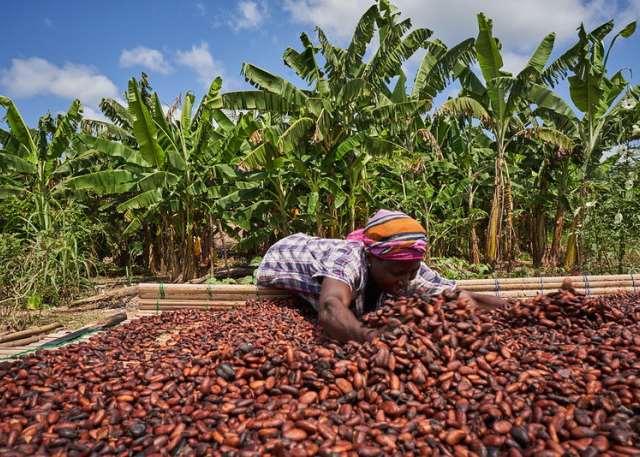
Ghana and Côte d’Ivoire, the world’s two leading cocoa producers, have taken a historic step to harmonise their cocoa producer pricing policies. This landmark agreement aims to improve the livelihoods of millions of cocoa farmers, strengthen market stability, and foster deeper cooperation between the two nations. The announcement came from Ghana’s Finance Minister, Dr. Cassiel Ato Forson, following the 7th Meeting of the Steering Committee of the Côte d’Ivoire-Ghana Cocoa Initiative (CIGCI), held in Abidjan on June 16, 2026. Presenting the committee’s conclusions, Dr. Forson revealed that both countries would adopt measures to align farm gate prices, ensuring that cocoa farmers on both sides of the border receive comparable incomes for their crops. Key elements of the agreement include enhanced collaboration between trading rooms, increased sharing of market data, and the harmonisation of cocoa crop calendars. By aligning the principles used to set cocoa prices, the two countries hope to reduce disparities in producer prices and eliminate cross-border price differentials that have historically contributed to smuggling and market instability. To turn this vision into reality, a technical task force made up of experts from both countries will be established. Their mission: to develop a coordinated pricing framework and periodically review producer prices to keep them fair and competitive. Another significant milestone is the agreement to harmonise cocoa crop calendars, with the cocoa year now set to run from September 1 to August 31, starting with the 2026/2027 season. This synchronisation is expected to streamline market operations and make price management more efficient. The steering committee, co-chaired by Dr. Forson and Côte d’Ivoire’s Minister of Agriculture, Bruno Nabagné Koné, reaffirmed its commitment to long-term coordination in cocoa price management and marketing. The meeting also explored avenues for scientific cooperation, sustainable cocoa production, and regional collaboration, all with the goal of building a more resilient and prosperous cocoa sector. Together, Ghana and Côte d’Ivoire account for more than half of global cocoa output. By working hand in hand, they are not only improving the welfare of their farmers but also setting a new course for stability and sustainability in the world cocoa market. Source: Apexnewsgh.com
Upper East Region Sees Boom in Schools, Health Projects, and 24-Hour Markets—Jonathan Abdallah Salifu
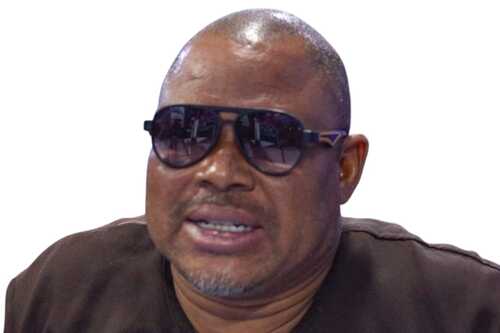
A wave of transformative development is sweeping through the Upper East Region, as the government’s new approach to infrastructure and social services begins to take hold at the district level. Jonathan Abdallah Salifu, Upper East Regional Communication Officer for the NDC, recently shared an inside look at how hospitals, CHIPS compounds, schools, and market projects are being rolled out like never before. According to the Regional Communication Officer, the rules have changed for the better. District assemblies are now tasked with building two schools and two CHIPS compounds every year using the District Assembly Common Fund, and, crucially, they must now provide furniture for every new classroom. “We don’t want a situation where school blocks are put up and the issue of furniture becomes a problem,” he explained. Now, when a school or CHIPS compound is built, it’s also furnished, which explains the higher price tags on recent contracts. Efforts have also intensified to tackle water shortages, with additional boreholes and water systems being installed under the assemblies’ watch. The regional minister himself has crisscrossed all districts, cutting sod for landmark projects like the much-anticipated 24-hour markets. “The region has enjoyed over 115 projects, which is unprecedented,” Jonathan said. “It has never happened before.” Education, too, is getting a major boost. Almost every senior high school is receiving infrastructure upgrades. Schools like Navrongo Senior High (NAVASCO), which has long needed a proper fence wall, are finally seeing that dream materialize, with a brand-new 18-unit classroom block thrown in. Other schools, from Sandema to Bawku, are also enjoying facelifts, new blocks, and better facilities, thanks to support from GETFund and local government. Even entirely new schools are being built, complete with dormitories, teachers’ accommodation, dining and assembly halls, and modern WASH facilities. The new 24-hour markets are another feather in the region’s cap. Every district has received land for these markets, and contractors are already hard at work. Funding is transparent and reliable: 25% of each district’s common fund is set aside for these projects, a stark contrast to previous initiatives whose funding sources were often unclear by the NPP administration. Meanwhile, the University for Development Studies (UDS) is making strides toward a fully operational medical school. Key auxiliary departments are already running, and recruitment is on for more lecturers. For now, the Bolgatanga Regional Hospital will serve as a teaching facility, with future upgrades planned to meet the medical school’s requirements. Mr.Jonathan took pride in these achievements, noting that all this has happened within just a year and a half of the NDC’s administration. “If you ask any of our political opponents what they achieved in one and a half years, they cannot mention,” he said. He commended the president, the MPs, and all stakeholders pushing tirelessly for development, often working behind the scenes and facing criticism for the sake of their constituents. Mr. Jonathan also called for constructive criticism of MPs. “They should be criticized positively,” he urged, lamenting that some critics attack MPs simply for belonging to the opposite party. In contrast, he sees the region’s MPs as responsive and hardworking, always striving to bring more progress home. He believes, the Upper East Region is experiencing an era of record-breaking development: stronger schools, better healthcare, new markets, and a collaborative spirit between government and people. The future, it seems, is brighter than ever. Source: Apexnewsgh.com
NDC’s Jonathan Abdallah Salifu Shares Real Update on Upper East Region Road Infrastructure
Jonathan Abdallah Salifu, the Upper East Regional Communication Officer of the governing National Democratic Congress (NDC), has given a candid account of the state of road infrastructure in the Upper East Region, painting a vivid picture of both the challenges and ongoing efforts to improve the situation. Jonathan began by acknowledging what everyone in the region knows: “When it comes to road infrastructure, the Upper East is lagging behind.” The region’s most important highway, the Bolga-Tamale Road, is in poor condition. Built over twenty years ago by President Rawlings, the road has outlived its lifespan, yet residents continue to make do with its deteriorating state. According to Jonathan, the previous government under President Akufo-Addo had made attempts to address the issue by awarding a dualization and bitumen resurfacing contract to an Indian contractor. However, after mobilizing with $25 million and bringing equipment near Savulgu, the contractor disappeared, leaving the equipment behind and the project abandoned. The road minister, upon visiting the region, promised to follow up on the contract and hinted at possibly including the project in the government’s ambitious “Big Push” agenda. This, at least, offered the region a glimmer of hope. Turning to the Bolga-Bawku Road, Jonathan recalled how funding for its construction was sourced from two London-based banks during President Akufo-Addo’s tenure. Unfortunately, work stalled around 2022-2023, largely due to Ghana’s debt restructuring program. Contractors, uncertain about payments, withdrew from the site. In response, Jonathan himself organized a press conference, laying out the facts and figures behind the stalling of the project. There was renewed hope when Hon. Isaac Adongo announced that the funding had been reinstated after meetings in London during an IMF program. The Finance Minister echoed this optimism, stating that the banks had agreed to continue funding not only the Bolga-Bawku Road but also other projects across the country. However, delays persisted as the banks sought to renegotiate terms, causing further setbacks. Jonathan recounted how construction resumed briefly, with contractors even working on a key bridge, but further legal and financial clarifications were needed. Meanwhile, Hon. Mahama Ayariga, while launching another project in Bawku, assured the public that negotiations with the banks were ongoing and that work was expected to resume soon. The conversation then shifted to the Kuala Bridge, a critical but dangerous crossing along the Bolga East route. Jonathan shared concerns from community members about the bridge’s hazardous condition, questioning why local leaders couldn’t implement a temporary fix. He explained the complexities of road contracts, once a project is awarded, making independent changes can be challenging. He pointed that the regional minister had attempted a temporary solution, but community resistance, fueled by demands for a permanent bitumen surface, halted progress. Jonathan noted that the Bolga East MP Dr. Dominic Ayine, who also serves as Attorney General, was quietly working behind the scenes to resolve the issue, expressing confidence in his capabilities. Jonathan also highlighted the efforts of other MPs in the region. The Nabdam MP Dr. Mark Kurt Nawaane, for example, has been pushing the road ministry to resume work on several abandoned roads, such as the Asonge-Zanlerigu-Damolgo-Pelingu Road (awarded in 2023 but quickly abandoned) and the Nangodi-Yankuti-Pelingu Road (awarded in 2018 and left incomplete). The MP is seeking new commitments from the ministry to either repackage these projects for different contractors or secure stronger assurances from the current ones. There was better news for the Tongo-Sheega-Pelingu Road, a 12.5-kilometer stretch that had recently seen a contractor move to site to begin mapping and preparation for full construction. Similarly, the Navrongo-Naga-Kolugu Road, a key route connecting major educational institutions, was set for a revival after the MP announced that the contractor’s payments had been settled, paving the way for work to resume soon. Within Bawku township, Hon. Mahama Ayariga announced a 30-million-cedi investment to improve three major areas, further signaling progress in the region. Hon. Isaac Adongo was also credited with securing funding for the Ojam Junction to Kalbeo stretch, with contractors actively working on site offices. Jonathan concluded by emphasizing the importance of keeping the public informed and maintaining optimism. “Even though we wish we had already completed many of these roads, we’re not disappointed,” he said. “A year and a half into office, these are our achievements.” He also highlighted the “Big Push” roads from Navrongo to Tumu and Wa, noting that significant portions were already usable, giving travelers hope and prompting widespread praise for the government’s efforts. While the Upper East Region continues to face significant challenges in road infrastructure, Jonathan Abdallah Salifu’s update reveals a region in transition, marked by setbacks, determined advocacy, and cautious optimism for the future. Source: Apexnewsgh.com