


Motorists Face Fuel Price Hike from July 16 as Global Tensions Push Up Costs
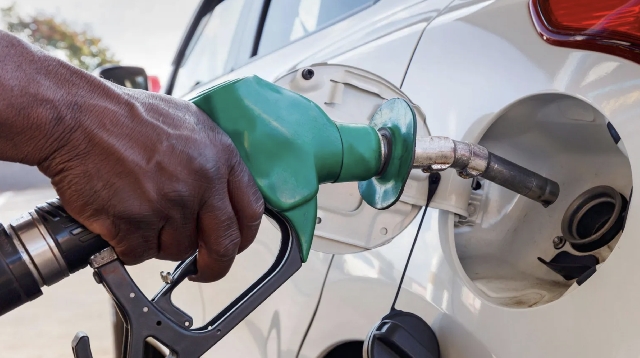
Motorists across Ghana should prepare to pay more at the pump starting Thursday, July 16, as the prices of petrol, diesel, and liquefied petroleum gas (LPG) are set to rise in the second pricing window of July. According to the Chamber of Oil Marketing Companies (COMAC), petrol prices are projected to climb by between 3.79% and 5.31%, with the average price at the pump likely reaching around GHS14.52 per litre. Diesel is also expected to increase, selling at about GHS16.00 per litre after a rise of approximately seven pesewas per litre. LPG will see a more modest adjustment, with prices anticipated to rise by between 1.10% and 1.30% per kilogram. COMAC attributed the looming price hikes to renewed geopolitical tensions that have unsettled global oil markets. Concerns over potential disruptions to crude oil supplies and shipping, especially through the critical Strait of Hormuz, have driven up international prices for crude and refined petroleum products. The situation has been further compounded by a slight weakening of the Ghana cedi, which depreciated by 0.55% against the US dollar during the pricing period, adding upward pressure on local fuel costs. The National Petroleum Authority (NPA) has responded by revising its price floors upwards for the period. The minimum price for petrol has increased from GHS12.79 to GHS13.28 per litre, while diesel’s minimum price has risen from GHS13.54 to GHS14.35 per litre. These developments mark an unexpected shift from earlier forecasts, which had suggested that fuel prices might fall during this window, based on previous trends in international oil prices and currency movements. Instead, motorists will have to brace for higher costs as global and local factors converge to push up prices. Source: Apexnewsgh.com
Final Evacuation of Ghanaians from South Africa Set for July 25, Says High Commissioner

Ghana’s High Commissioner to South Africa, Benjamin Quashie, has announced that the final evacuation of about 900 Ghanaian nationals will commence on July 25. This group, he revealed, consists of individuals who have voluntarily opted to return to Ghana following a wave of recent xenophobic attacks in South Africa. Speaking to members of the Ghanaian community in South Africa on Tuesday, July 14, Mr. Quashie described the upcoming operation as the concluding phase of the government’s comprehensive evacuation programme. Earlier phases have already seen the safe return of approximately 926 Ghanaians, with the forthcoming exercise set to complete the government’s response to the crisis. The high commissioner credited the successful organisation of the repatriation to the collaborative efforts of the Office of the President and the Ministry of Foreign Affairs. He emphasised that the initiative was a direct response to mounting concerns over the safety and welfare of Ghanaians targeted by the attacks. “We are going to do the final repatriation of close to 900 Ghanaians who have voluntarily given their names here in South Africa that they want to go,” Mr. Quashie stated. He explained that the evacuation would be conducted in phases, with flights scheduled daily until all registered individuals have been returned home. Mr. Quashie also expressed his appreciation to President John Dramani Mahama and Foreign Affairs Minister Samuel Okudzeto Ablakwa for their leadership in facilitating the evacuations. He described the government’s intervention as a clear demonstration of its unwavering commitment to protecting the welfare of Ghanaians abroad, particularly in times of crisis. Source: Apexnewsgh.com
Cabinet Reverses Course: Achimota Forest to Regain Full Protected Status
It was a decision that sent ripples through Ghana’s environmental and civic circles. On May 1, 2022, Executive Instrument 144 (E.I. 144) came into effect, carving out 361.5 acres, about 146 hectares of the cherished Achimota Forest from its protected status. Detailed survey maps outlined the precise areas to be removed, raising alarm among environmentalists and citizens alike. The move triggered immediate and widespread debate: many feared that lifting protection would open the door to commercial and residential projects, threatening one of Greater Accra’s last urban forests. Environmental advocates, civil society organisations, and concerned residents spoke out, warning of the consequences for the city’s ecological balance and the generations to come. Now, the tide has turned. Speaking at the Government Accountability Series, Lands and Natural Resources Minister Emmanuel Armah-Kofi Buah announced a dramatic policy reversal: Cabinet has ordered the immediate repeal of Executive Instrument 144. This decision clears the path for Achimota Forest to be fully restored to its original status as a Forest Reserve. The revocation also covers subsequent amendments, such as E.I. 234, ensuring that every acre previously excised will once again be protected. Minister Armah-Kofi Buah emphasized that the government’s priority is to safeguard Achimota Forest, highlighting its critical role in protecting Accra’s environment. The forest, he noted, is not just a green space, it is a vital ecological buffer for the capital, supporting biodiversity, enhancing air quality, absorbing carbon, regulating temperatures, and serving as a beloved recreational haven for city dwellers. With this decision, Achimota Forest is set to remain a sanctuary for both nature and people, securing its place in the heart of Accra’s future. Source: Apexnewsgh.com
Inactiveness of BOST Bolgatanga Depot Sparks Concern Over Unemployment and Alleged Corruption
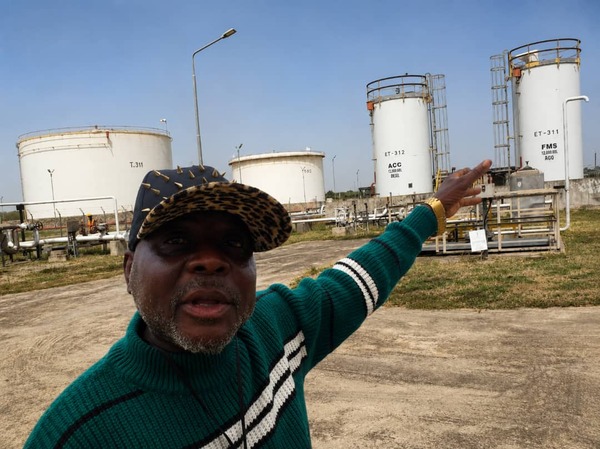
The Bulk Oil Storage and Transportation Company (BOST) once established its Bolgatanga depot as a strategic export hub, designed to serve landlocked Sahelian countries such as Burkina Faso, Mali, and Niger. Beyond its international role, the facility has long provided a secure and localized fuel supply for northern Ghana, reducing the burden of heavy tanker traffic on the nation’s major roads and supporting the local economy. But today, the gates of the Bolgatanga depot remain partially inactive, and the community is feeling the consequences. In an interview with ApexNewsGH, Mr. Sumaila Abubakari, a local fuel dealer who says he worked at the BOST Bolgatanga depot, voiced his concerns about the ongoing closure. According to Mr. Sumaila, some filling station and tanker owners routinely travel to Accra, where, he claims, they bribe top officials to allow them to make their fuel runs from Accra instead of using the Bolgatanga depot for distribution to surrounding districts like Bawku and Navrongo. Mr. Suumaila described the situation with a heavy heart. “The inactivity here is creating a lot of unemployment among the youth in our region. Many families depend on the depot for their livelihoods, drivers, loaders, cleaners, and small businesses all rely on its operations. With the depot closed, people are struggling to make ends meet.” He expressed frustration at watching his community’s economic prospects dwindle while trucks bypass the depot, traveling long distances to Accra unnecessarily. “It’s painful to see. This depot was meant to serve us, create jobs, and make fuel distribution easier, but now it feels like we’ve been forgotten,” he lamented. Meanwhile, efforts by ApexNewsGH to get answers from the BOST regional manager in Bolgatanga were unsuccessful. The manager referred their reporter to the head office in Accra. When ApexNewsGH finally reached officials at the Accra office, they learned that the Bolgatanga depot is currently undergoing an upgrade. For now, the community waits, hoping that the upgrades will bring the Bolgatanga depot back to life, restore local jobs, and reaffirm its importance as both a regional asset and strategic export hub. But until then, frustration and uncertainty linger, as residents wonder when the depot’s gates will once again open for business. Source: Apexnewsgh.com