




The New Patriotic Party (NPP) Demands Answers: 30-Day Ultimatum for Rural Telephony Report

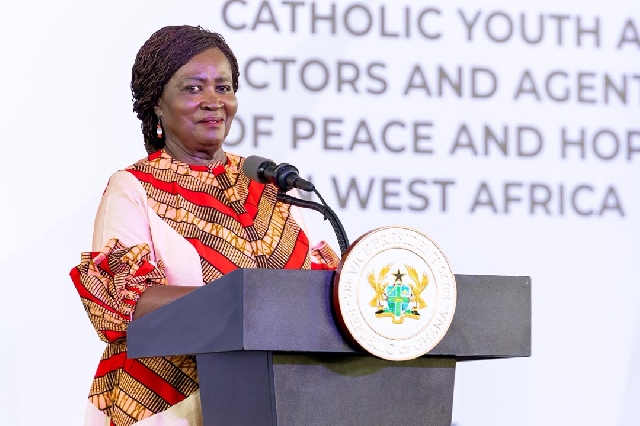
In a move that has stirred Ghana’s tech and political circles, the New Patriotic Party (NPP) has issued a 30-day ultimatum to the Ministry of Communication, Digital Technology and Innovations. The party wants the Ministry to publish a comprehensive status report on the Ghana Rural Telephony and Digital Inclusion Project, a flagship initiative meant to bridge the digital divide in underserved communities. The demand, spearheaded by the NPP’s Policy Committee on Communications and Digitalization, was made public following a high-level briefing by Communication Minister Samuel Nartey George. The Minister had outlined the government’s plan to upgrade rural telephony sites to at least 4G, but the NPP insists that more transparency is needed on the current state of the project. According to a statement signed by Kojo Oppong Nkrumah, Chairman of the NPP Policy Co-ordination Committee, the party is seeking detailed data: How many sites have been constructed, connected, and are fully operational? How many have been built but remain out of service? The NPP argues that these answers are critical to understanding the real progress made. Rejecting claims that rural connectivity had been neglected in the previous decade, the NPP stated that, contrary to the Minister’s characterization, “the records show significant investments were made under the Akufo-Addo/Bawumia administration.” The Ghana Rural Telephony and Digital Inclusion Project, they pointed out, was launched in 2020 with a €155 million facility from the China EXIM Bank, aiming to build 2,016 sites and connect 3-4 million people. By the end of the last NPP administration in January 2025, the party claims, 1,961 sites had been constructed, with equipment procured for 400 more. But since the change in government, the NPP alleges, progress has stalled. “No new rural telephony site was constructed in 2025 despite the availability of equipment,” the statement read. Even more troubling, the NPP says that many previously operational sites are now offline. The party also pushed back against suggestions that 46 sites could not be connected because they are in hard-to-reach areas. “A satellite hub at the Kofi Annan Centre of Excellence in ICT had already been upgraded to provide backhaul services,” the NPP said. They argue that the issue is not technical, but a matter of administrative delays and commercial arrangements that have yet to be finalized. While the NPP welcomed government plans to upgrade rural infrastructure to 4G, they cautioned against leaving existing sites disconnected or allowing service to lapse. Their demands are clear: The Ministry and the Ghana Investment Fund for Electronic Communications (GIFEC) must publish a deployment schedule for the remaining sites, report on the operational status of the satellite hub, and share a detailed plan, including costs and timelines, for the 4G upgrade. The party also wants Parliament’s Select Committee on Communications to be briefed with verifiable data, not just public statements or claims. Source: Apexnewsgh.com
Robert Sampana Elected Upper East Regional President Of Association Of The Deaf
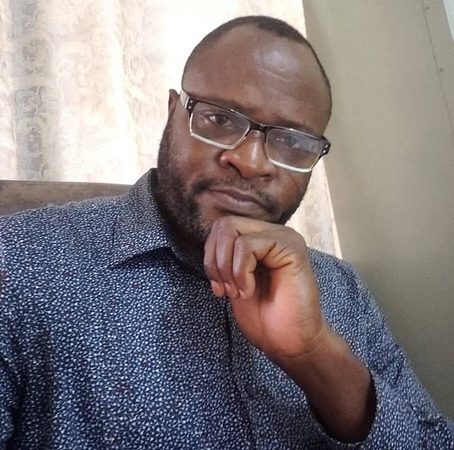
The Upper East Regional Association of the Deaf (UERAD), a regional branch of the Ghana National Association of the Deaf, has ushered in a new chapter of inclusive leadership following the election of Robert Sampana as its new Regional President. Sampana, a native of Talen Teng from Datoko, brings strong community ties and a firm commitment to advancing the rights and welfare of Deaf people in the Upper East Region. His election is expected to strengthen advocacy for greater inclusion and accessibility, particularly through the mainstreaming of Ghanaian Sign Language (GSL) interpretation at public programmes and engagements. A key priority of his administration will be to address communication barriers that often prevent Deaf persons from accessing vital information and participating fully in public life. Sampana also intends to build stronger partnerships with non-governmental organisations (NGOs), Metropolitan, Municipal and District Assemblies (MMDAs), and healthcare institutions to promote the inclusion of Deaf people in development programmes and improve their access to essential healthcare services. Through these collaborations, his administration seeks to ensure that Deaf persons are not only represented but are also adequately informed, consulted and given equal opportunities to benefit from public services. The new leadership is therefore expected to position UERAD as a stronger voice for the Deaf community while championing a more inclusive and accessible Upper East Region. Source: Apexnewsgh.com
Bank of Ghana Rolls Out Tougher Penalties for Dud Cheque Offenders
The Bank of Ghana (BoG) has introduced a new, tiered penalty system aimed at curbing the issuance of dud cheques, a move designed to protect the integrity of the country’s financial system and encourage responsible banking. Under the revised rules, a dud cheque is defined as one that cannot be honoured due to insufficient funds in a customer’s account. If such a cheque is issued, the bank will reject and return it, and the account holder could face legal action in addition to financial penalties. For first-time offenders, the BoG mandates a penalty of 10% of the cheque’s face value. Offenders will also receive a formal warning outlining the ramifications of future violations. Banks are required to report these cases to both the Credit Reference Bureaus (CRBs) and the central bank. The penalties increase for repeat offenders. A second dud cheque issued within a year of the first attracts a 15% penalty and a renewed warning, with the incident again being reported to CRBs and the BoG. A third offence within the same period will result in a 20% penalty. After the third strike, consequences stiffen significantly: the customer will be banned from issuing cheques for at least three years and denied access to new credit facilities for one year. The BoG will notify all banks and Specialised Deposit-Taking Institutions of the sanction, ensuring the ban is enforced across the sector. The BoG warns that these offences can damage a customer’s creditworthiness, making it harder and more expensive to borrow in the future. Banks must notify customers of a cheque-issuing ban within five working days and recall all unused cheque books, refraining from issuing new ones until the sanction is lifted. Customers who fail to return unused cheque books within ten working days face even stiffer penalties, including a possible ban on operating any current account and inclusion in the BoG’s Directory of High-Risk Cheque Issuers. The central bank is urging all customers to be vigilant about their account balances and not to issue cheques based on anticipated funds unless they are certain the money will be available. Keeping accurate records of issued cheques and their expected presentation dates, and alerting one’s bank in the event of insufficient funds, are also strongly advised. Source: Apexnewsgh.com
Government to Introduce Biometric Verification for SIM Registration Before End of 2026
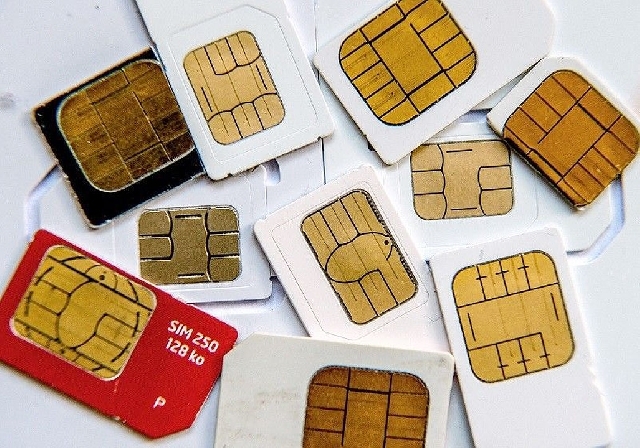
Ghana is set to take a significant leap in digital security, as the government prepares to roll out biometric verification for SIM card registration before the end of 2026. Communications, Digital Technology and Innovations Minister Samuel Nartey George made the announcement at the Government Accountability Series held at Jubilee House in Accra on Monday, September 7. Minister George revealed that Parliament has passed the Legislative Instrument (LI) on SIM registration, clearing the way for this next phase. The new biometric system will require subscribers to provide unique identifiers, such as fingerprints, when registering their SIM cards. This move, he explained, is intended to strengthen the identification of subscribers and enhance the integrity of Ghana’s SIM registration database. “The work is far from finished, and I will not pretend otherwise. But the direction is unmistakable, the results are measurable, and the resolve of this Ministry is unshaken,” Mr George said, underscoring the government’s commitment to improving regulatory frameworks as technology evolves. Authorities believe the introduction of biometric verification will make it much harder for individuals to use fraudulent identities to register SIM cards. It will also improve the traceability of subscribers, helping Ghana’s telecommunications sector combat crime and strengthen national security. With the passage of the LI, the Ministry is expected to collaborate closely with the National Communications Authority (NCA) and telecom operators to roll out the biometric system before the year’s end. Subscribers will be allotted a window to complete the verification process, with possible sanctions for those who fail to comply. This bold step signals a new chapter in Ghana’s digital transformation journey, one focused on security, accountability, and the responsible management of digital identities. Source: Apexnewsgh.com
Sam George: Galamsey Accounts for 25% of Fibre Network Disruptions in Ghana
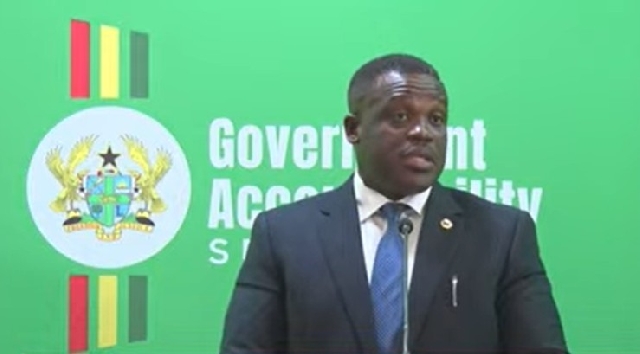
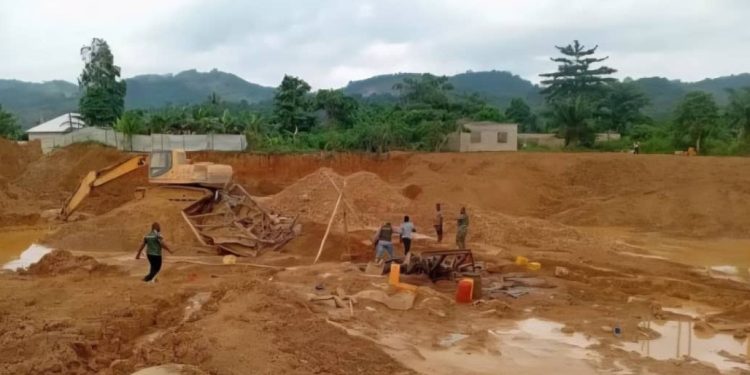
Illegal mining, known locally as galamsey, is fast becoming the unseen saboteur of Ghana’s digital lifelines. At a recent Government Accountability Series event, Communications, Digital Technology and Innovations Minister Samuel Nartey George revealed a troubling statistic: about one in every four fibre-optic cable cuts recorded nationwide can be traced back to the activities of galamsey operators. Beneath Ghana’s bustling towns and quiet villages, a complex web of fibre-optic cables keeps people connected, to each other and to the world. But this vital infrastructure faces a growing threat from those digging for gold. “Twenty-five percent of fibre cuts are a result of galamsey,” Minister George stated. “The telecom industry is one of the worst hit by the activities of galamsey operators.” Unlike road construction crews, who typically alert authorities when their work could disrupt underground cables, illegal miners rarely provide any warning. As they excavate in search of precious minerals, they often damage fibre lines, leaving telecommunications companies scrambling to trace and repair the breaks, often without any idea where to begin. The result is widespread disruption, especially in areas where there are no alternative fibre routes. Voice and data traffic can grind to a halt, leaving entire communities isolated from modern communication. The repercussions ripple far beyond mere inconvenience. Each fibre cut forces telecom companies to deploy teams and equipment at significant cost, straining their resources and threatening the reliability of Ghana’s digital services. Minister George warned that if this trend continues, the backbone of the nation’s telecommunications could be fatally undermined, deepening network disruptions and jeopardizing the country’s digital future. Source: Apexnewsgh.com