





Upper East Region Yet to Receive Nkokor Nkitinkiti Programme — Regional Minister
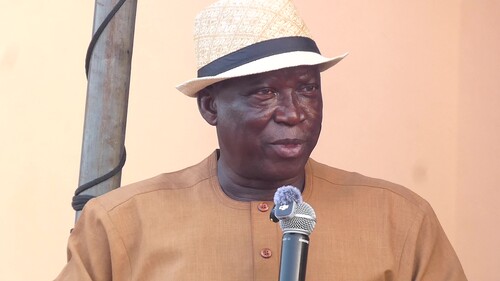
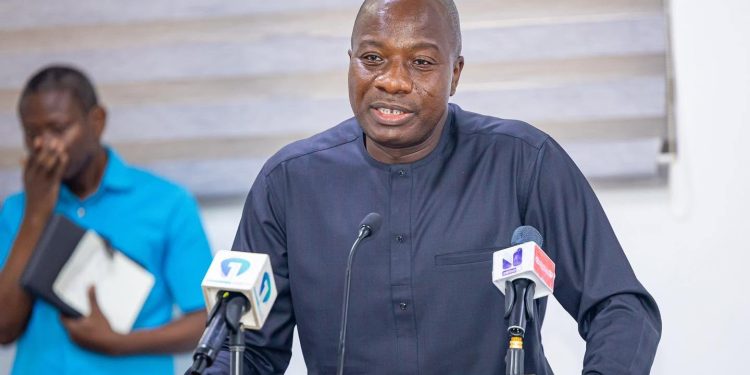
The Upper East Region is yet to receive its share of the government’s flagship poultry initiative, Nkokor Nkitinkiti, the Upper East Regional Minister, Mr. Donatus Akamugre Atanga, has disclosed. The minister made this revelation at Talensi District in the Upper East Region during the government’s Account to the People’s Tour, following concerns raised by some farmers who said they had been waiting impatiently for the programme to commence in the region. Responding to the concerns, Mr. Atanga explained that the northern sector of the country, including the Upper East and Oti regions, had not yet been covered under the government’s distribution exercise. He acknowledged, however, that reports of some beneficiaries receiving poultry under the initiative in certain districts had contributed to the growing concerns among farmers. The minister cited an incident involving a caller from his home district of Bongo, who reportedly claimed that some poultry had been distributed under the Nkokor Nkitinkiti programme but that he had been left out. “I was in the office when somebody from my own district, Bongo, called me and said that Nkokor Nkitinkiti had been brought to the district, but he had not received his share. I told him I was not aware of that,” Mr. Atanga recounted. He said subsequent inquiries revealed that the Food and Agriculture Organization (FAO), which he described as an organisation involved in agricultural interventions, had undertaken a separate distribution exercise that appeared similar to the government’s initiative. According to him, the organisation had previously supported women’s groups with small ruminants and had subsequently introduced poultry-related interventions through groups it had already established. The minister explained that the exercise was carried out in some districts without the necessary coordination with the Regional Coordinating Council and the respective district assemblies, creating confusion among residents about whether the government’s Nkokor Nkitinkiti programme had officially commenced. Mr. Atanga said the situation prompted him to engage the organisation and caution it about the need for proper coordination, particularly because the interventions could easily be mistaken for the government’s flagship programme. He stressed that organisations implementing similar agricultural initiatives needed to inform the relevant regional and district authorities to avoid misunderstandings and prevent residents from wrongly concluding that government officials were withholding their benefits. The minister further disclosed that he had been informed that Bawku West and some other districts had received poultry through the separate intervention, contributing to perceptions that the government programme was already underway in the region. He acknowledged that such reports could understandably generate suspicion among farmers, some of whom might question whether their Members of Parliament or District Chief Executives were failing to perform their duties or whether the poultry meant for them had been diverted. However, he maintained that the Upper East Region had not yet received its official allocation under the government’s Nkokor Nkitinkiti initiative. “The truth is that the Upper East one is yet to come,” he stated, assuring farmers that the programme would eventually reach the region because it was a government policy. Mr. Atanga added that the necessary documentation had been received and preparations were underway, although the region had not yet taken delivery of the poultry. The disclosure is expected to provide some clarification for farmers who have been anticipating the commencement of the programme and seeking answers about when they would benefit from the initiative. The Nkokor Nkitinkiti programme is intended to reduce Ghana’s heavy dependence on imported poultry, strengthen domestic food security and create sustainable livelihood opportunities for households, particularly small-scale farmers, women and young people. Its implementation is expected to support local poultry production, create economic opportunities and contribute to efforts to develop Ghana’s domestic poultry industry. For farmers in the Upper East Region, the key expectation now is the timely arrival of the programme and a transparent distribution process that ensures intended beneficiaries are adequately informed and given fair access to the initiative. Source: Apexnewsgh.com/Ngamegbulam Chidozie Stephen