
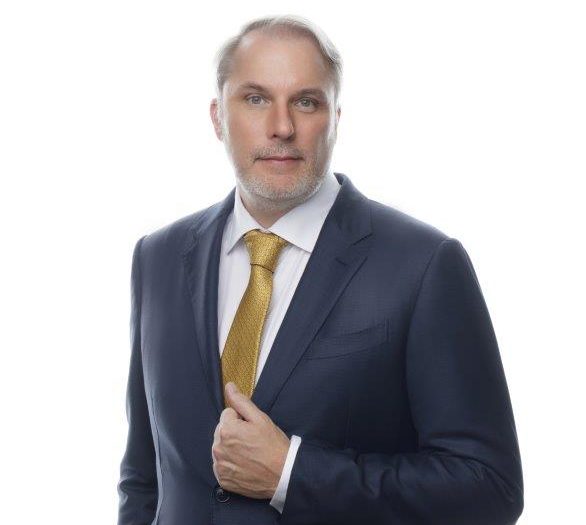
Volta NDC Chairman Defends Foreign Affairs Minister Amid Passport Probe
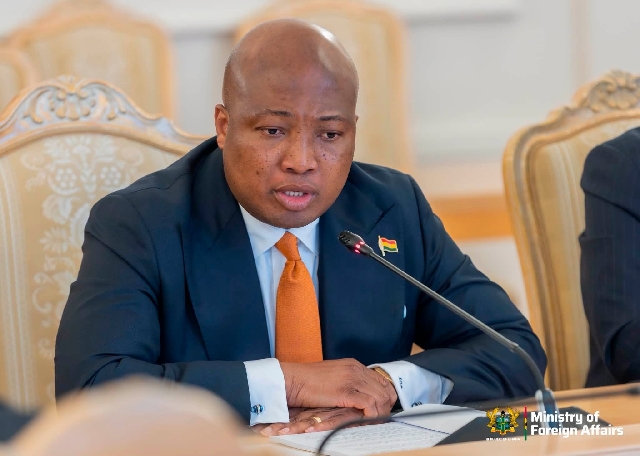
A tense press conference unfolded as the Volta Regional Chairman of the National Democratic Congress (NDC), Mawutor Agbavitor, took a firm stand in support of Ghana’s Minister of Foreign Affairs, Samuel Okudzeto Ablakwa. The air was charged with political drama as Agbavitor addressed the recent controversy surrounding alleged irregularities in the issuance of service and diplomatic passports, a controversy that had led the New Patriotic Party (NPP) to call for Minister Ablakwa’s resignation. Agbavitor was unwavering. He declared the NPP’s demands as politically motivated, urging the Minority Caucus in Parliament to allow investigations to run their course before passing any judgment. “Accountability is a democratic obligation, but political persecution is not a substitute for accountability,” he stated, his voice resolute. According to Agbavitor, calling for the minister’s resignation before the facts were fully established was not only premature but also an attempt to undermine Ghana’s institutional processes. He accused the NPP of weaponizing the investigation, turning what should have been a straightforward inquiry, and a humanitarian evacuation exercise, into a tool against the government and its Foreign Affairs Minister. While acknowledging the opposition’s constitutional duty to scrutinize government actions, Agbavitor insisted that such oversight must be exercised with fairness, restraint, patriotism, and respect for due process. Highlighting Minister Ablakwa’s track record, Agbavitor reminded the gathered journalists of Ablakwa’s history as a champion for transparency and public accountability, especially during the previous NPP administration. Ablakwa, he said, had been relentless in questioning government expenditures, appointments, and procurement decisions, always putting national interest first. Yet, Agbavitor believed that the current attacks on the minister were linked to his outspoken stance in the past. He cautioned that disagreement with a politician’s position should never justify personal persecution. Instead, he called on those with evidence of wrongdoing to present it to the appropriate investigative authorities, rather than rely on public accusations and demands for resignation. The Chairman also praised Ablakwa’s role on the international stage, especially his advocacy for reparatory justice at the United Nations, which had elevated Ghana’s voice in the global campaign for recognition and redress of historical injustices against Africans. “Ghana’s diplomatic interests must not be sacrificed on the altar of partisan politics,” Agbavitor warned, emphasizing that the minister’s contributions deserved to be fairly assessed alongside the allegations facing his ministry. Concluding with a call for fairness and justice, Agbavitor urged the relevant institutions to complete their investigations independently and transparently, insisting that anyone found culpable should face the consequences. “The people of the Volta Region will continue to insist on fairness, truth and accountability. No one should be condemned because of political differences, and no one should be above the law,” he declared. With these words, Agbavitor reaffirmed the NDC’s commitment to responsible governance, institutional accountability, and the protection of Ghana’s national interests, signaling that the saga was far from over, but that the principles of justice and due process must remain paramount. Source: Apexnewsgh.com
GH¢1.8 Million Worth of Smuggled Goods Intercepted by Customs at Tatale
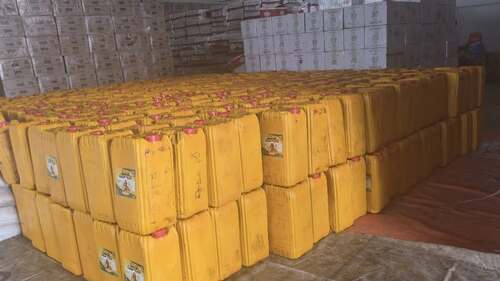
The Customs Division launched a daring, intelligence-led operation aimed at dismantling a suspected smuggling ring operating in a quiet suburb. Acting swiftly, officers descended on a heavily secured warehouse, their objective clear: to intercept goods believed to be undermining the country’s revenue and trade laws. Inside the warehouse, they uncovered a vast trove, thousands of bags of rice and sugar stacked to the rafters, accompanied by sizable quantities of cooking oil. The sheer scale of the find underscored the magnitude of the smuggling activities that had been taking place right under the community’s nose. This interception forms part of a broader crackdown by the Customs Division, an ongoing effort to stem the illegal movement of goods across Ghana’s borders. By uncovering and seizing these items, authorities aim to protect legitimate businesses from the threat of unfair competition and to bolster the country’s revenue mobilisation. While the operation has sent shockwaves through the local business community and drawn national attention, the Ghana Revenue Authority (GRA) has remained tight-lipped. No further details have been released about the owners of the warehouse, the origin of the seized products, or whether any arrests have been made. For now, the community watches closely as the investigation continues, hopeful that such decisive action will deter future smuggling attempts and reinforce the integrity of Ghana’s trade system. Source: Apexnewsgh.com
The Controlled Food Suppliers Association (CFSA) to Stage Protests Over Unpaid Free SHS Food Supplies
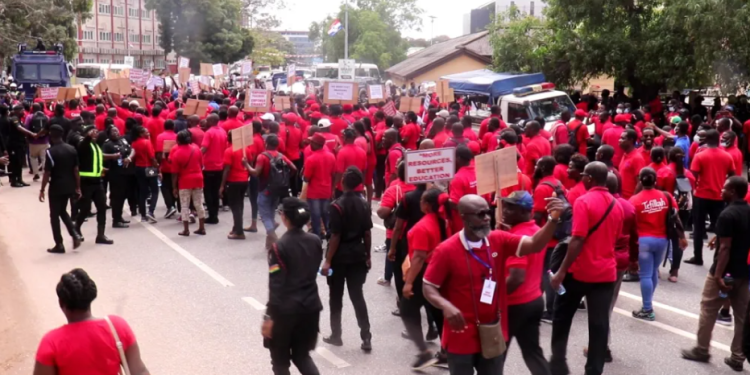
On November 24, the Controlled Food Suppliers Association (CFSA) will take to the streets in protest, seeking immediate payment for outstanding food supplies delivered under Ghana’s Free Senior High School (Free SHS) programme in 2024. The association has announced that its members are owed significant sums for food items supplied to the Ghana Commodity Exchange (GCX) and the National Food Buffer Stock Company Limited (NAFCO). According to a press statement dated November 17, 2026, the CFSA emphasized that the protests would be peaceful and held in strict accordance with the Public Order Act, 1994 (Act 491). Their goal is clear: to secure the prompt settlement of all monies owed for their services to the two institutions. The day’s protest will commence at the premises of the Ghana Commodity Exchange on Tumu Avenue, Kanda, in Accra, starting at 8:00 a.m. and continuing until 1:00 p.m. From there, the suppliers will proceed to the NAFCO premises located at No. 18, 4th Circular Road, Cantonments, where they plan to continue their peaceful picketing from 1:30 p.m. to 5:00 p.m. The CFSA’s action underscores the ongoing challenges faced by suppliers under the Free SHS programme and their determination to ensure their voices are heard and their payments received. Source: Apexnewsgh.com
President Mahama Calls for Humane Migration Solutions at International Conference in Accra
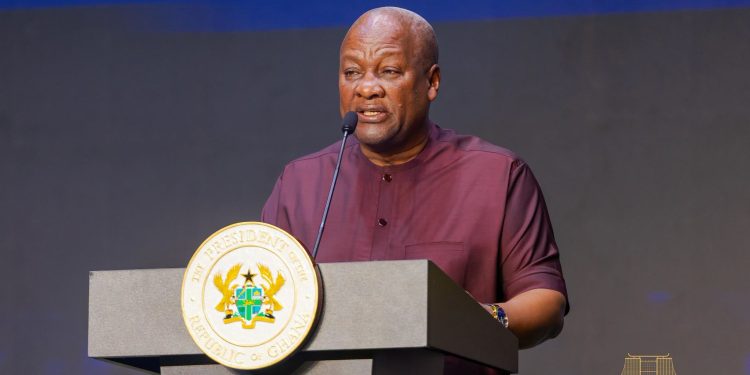
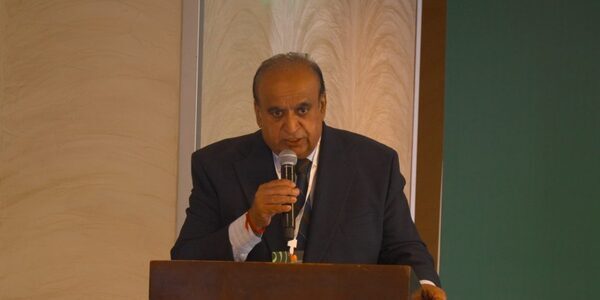
On a pivotal Wednesday morning, the grand halls of the University of Ghana buzzed with anticipation as President John Dramani Mahama took the stage at the 2026 Metropolis International Migration Conference. With leaders, researchers, and migration experts from across Africa and beyond gathered in Accra, Mahama addressed a pressing issue that had stirred emotions and headlines across the continent: the recent surge in attacks on foreigners and mob violence in South Africa. In a powerful opening, President Mahama condemned the acts of vigilantism and the brutalisation of suspected undocumented migrants. “South Africa has a legitimate right to address its migration crisis,” he asserted, “but the challenges of migration will not be solved by vigilantism. They will not be resolved by marauding crowds, searching for and brutalising people believed to be illegal immigrants.” Recognising South Africa’s right to manage its borders, Mahama insisted that such efforts must be rooted in the rule of law and respect for human rights. He reminded the audience that migration issues are complex and cannot be resolved through violence or fear, but through sound policy and cooperation. Turning to solutions, President Mahama outlined five key approaches for African countries to make migration safer and more beneficial: Implement Realistic Migration Policies Mahama urged governments to align their migration policies with the realities of movement within Africa. He called for the full implementation of existing continental and regional commitments, such as the African Union Free Movement Protocol and Agenda 2063. “There is a wide gap between the commitments made by our governments and what travelers experience at our borders,” he observed, emphasizing the need to bridge this divide. Balance Security and Mobility He argued that countries must simultaneously strengthen border security and make legal travel easier. “Good border governance must deliver on both—keep a nation secure, but at the same time facilitate easy travel of citizens,” Mahama explained, underscoring that security and openness are not mutually exclusive. Promote Dignified Partnerships Highlighting the importance of collaboration, Mahama called for migration partnerships built on dignity, reciprocity, and shared responsibility—not just efforts to keep Africans from moving across borders. He advocated for joint efforts on border management, combating human trafficking, and supporting the return and reintegration of migrants. Expand Regular Migration Opportunities Mahama encouraged the expansion of legal pathways for Africans to work and study abroad, alongside skills partnerships and development initiatives. He stressed the importance of treating African nations and their partners as equals, recognizing their mutual interests and responsibilities. Connect Free Movement to Trade and Integration Finally, the President linked the free movement of people to the continent’s larger goals of trade, employment, and integration, especially under the African Continental Free Trade Area (AfCFTA). “The promise of the African Continental Free Trade Area is enormous,” he declared. “If fully implemented, it has the potential to lift millions out of extreme poverty. But a continental market cannot fulfil its promise if goods are able to move more easily than the people who produce them.” Mahama concluded by reaffirming Ghana’s commitment to translating these ideals into action, setting an example for the continent. He called on African leaders to view migration not as a threat, but as an opportunity to support economic integration and create brighter futures for their citizens. As the three-day conference unfolded, Mahama’s speech set a hopeful and pragmatic tone, inspiring delegates to seek humane, practical answers to Africa’s migration challenges. Source: Apexnewsgh.com
Ghana Statistical Service Proposes Statistics Fund to Boost Sustainable Data Financing
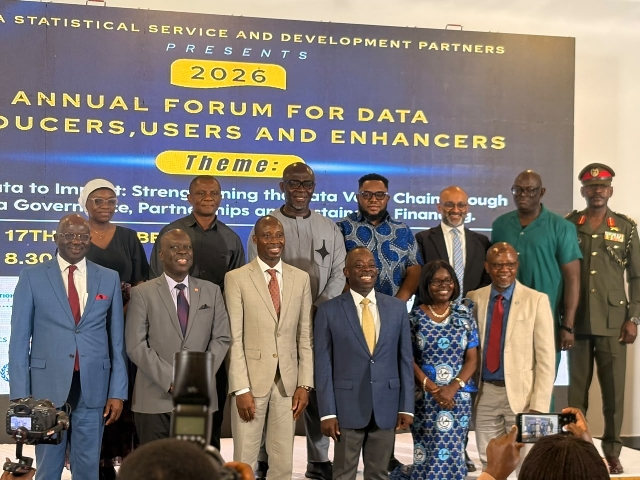
The Ghana Statistical Service (GSS) has put forward a proposal for the creation of a dedicated Statistics Fund. The aim: to secure sustainable financing for data production and ensure the country’s statistical system remains robust and responsive. This proposal headlines a series of recommendations unveiled in 2025 by the GSS to improve the financing of data, spur adoption of innovative technologies, fortify data governance, and foster collaboration among key institutions in the data production and dissemination chain. Delivering an update at the 2026 Annual Forum for Data Producers, Users and Enhancers, Michael Beckoe, Head of Monitoring and Evaluation at the GSS, outlined the strides made in implementing these recommendations, though he acknowledged that some activities are still in progress. Beckoe explained that the recommendations were structured around four key pillars: data financing, technology and platforms, data governance and partnerships, and capacity building and knowledge sharing. On the issue of sustainable financing, he revealed that the GSS had completed an assessment to identify opportunities for boosting internally generated funds (IGF) and had trained selected staff to enhance revenue streams. The proposed Statistics Fund, he stressed, would provide a more stable and predictable source of funding for data production activities. “We have conducted a landscaping assessment for scaling up IGF generation, and that activity has been completed. Denmark has trained selected GSS staff on how to generate IGF. We have integrated IGF generation into the new strategy and, more importantly, a Statistics Fund has been proposed as a way of ensuring that we have sustainable financing for data production,” he stated. Turning to technology and data accessibility, Beckoe highlighted the digital transformation within the Service—processes have been digitised, data validation automated, and data production integrated across ministries, departments, and agencies (MDAs). The GSS has also improved public access to statistical information through an upgraded data portal and website, and is developing new platforms to make data even more accessible. Feedback from data users has not been overlooked. Beckoe said the GSS is committed to ensuring its statistical products are shaped by public needs, using tools such as user satisfaction surveys and annual data forums to gather insights for continual improvement. Strengthening institutional partnerships remains a priority. According to Beckoe, the GSS has signed 73 Memoranda of Understanding with various institutions to boost data sharing and collaboration, although 15 of these agreements have expired. The Service’s next steps include fully operationalising the remaining agreements and continuing capacity-building and collaborative research initiatives. In partnership with the Office for National Statistics, the GSS has already conducted two out of seven targeted training sessions for Members of Parliament and research assistants. However, Beckoe identified the establishment of the Statistics Fund, completion of all planned training sessions, and reinforcement of data-sharing arrangements as critical unfinished business. He concluded by calling on Parliament, government institutions, development partners, and stakeholders to help bring these recommendations to fruition: “We want you to support the operationalisation of the signed MOUs, including dedicated data budgets in MDAs. We also want global partners to support the proposed data fund, the remaining data masterclass cohorts and the improvement of dissemination platforms.” As Ghana pursues a modern, sustainable, and responsive data ecosystem, the proposed Statistics Fund stands out as a major step toward securing the future of national statistics and informed decision-making. Source: Apexnewsgh.com
Ghana’s Public Debt Surges by $15.9 Billion in Less Than Two Years Under Mahama

Ghana’s public debt story has taken a dramatic turn under the Mahama administration, with the nation’s debt stock soaring by $15.9 billion in less than two years. At the end of 2024, Ghana’s total public debt stood at $49.4 billion. But by October 2026, that figure had ballooned to $65.3 billion, according to data released by the Bank of Ghana. The sharpest jump came in 2025, when the country’s debt surged by $11.9 billion in a single year, moving from $49.4 billion to $61.3 billion. The upward trajectory continued into 2026, with another $4 billion added in just the first ten months, pushing the debt to a staggering $65.3 billion. On average, this means Ghana’s public debt grew by $8.7 billion per year during this period. To put these numbers in perspective, the previous eight years under the Akufo-Addo administration saw the debt rise from $29.2 billion in 2016 to $49.4 billion by the end of 2024, a total increase of $20.3 billion, which translates to an annual average increase of $2.5 billion. In essence, the $15.9 billion increase in under two years of the Mahama administration represents more than three-quarters of the total increase seen over the eight previous years. Furthermore, the current annual average growth rate in public debt is more than three times the rate recorded between 2016 and 2024. This rapid escalation in Ghana’s public debt highlights a significant shift in the country’s fiscal trajectory and continues to spark debate among policymakers and the public alike. Source: Apexnewsgh.com