
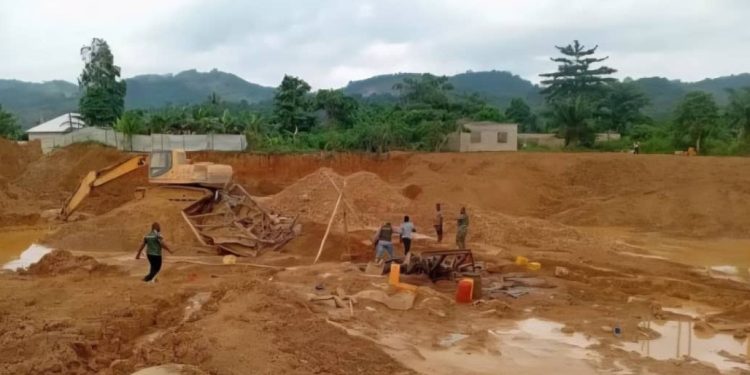
When the previous administration left office, it did not just leave behind a transition binder. It left behind 23 unfinished road projects, abandoned by contractors, starved of funding, and slowly fading into the landscape of Ghana’s infrastructure failures.
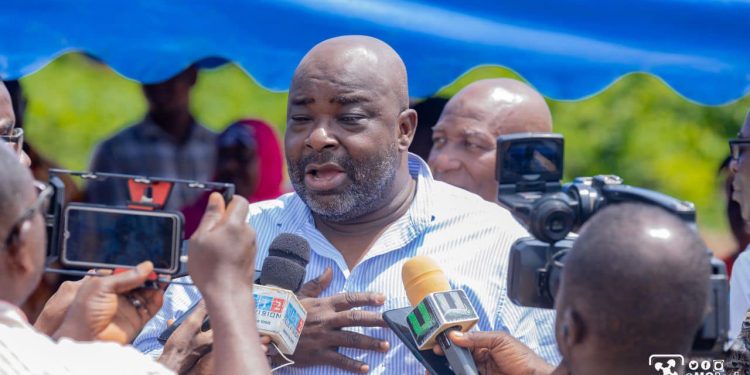
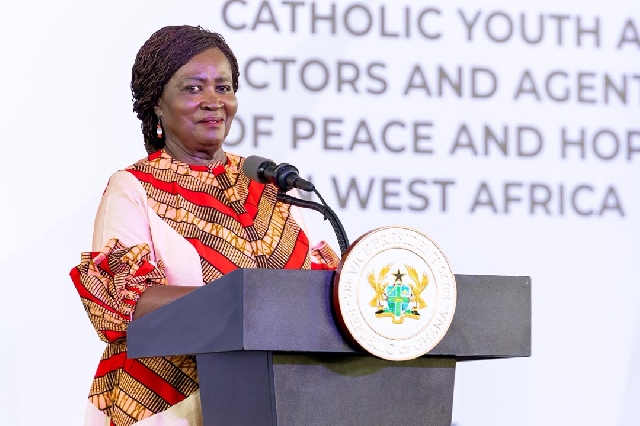
On Tuesday, March 24, 2026, the man now responsible for fixing that mess stood before Parliament and told the country exactly what had been inherited, and what is being done about it.
Minister for Roads and Highways, Governs Kwame Agbodza, used his address on the floor of Parliament to pull back the curtain on a significant but little-discussed dimension of the government’s flagship Big Push infrastructure programme: a large chunk of it is not new at all.
“Mr. Speaker, additionally, 23 road projects valued at GHS 14.88 billion, which were awarded by the previous administration and abandoned by contractors due to lack of dedicated funding, were absorbed as part of Big Push,” he told the House. “These projects were novated with a new funding source.”
In plain terms, what the minister was describing was a rescue operation. Projects that had stalled, not because they were bad ideas, but because no one had secured the money to see them through, were given a second life under the Big Push. Among the rescued projects are some of Ghana’s most critical road works: the Suame Interchange, the Takoradi–Agona road dualisation, the Kasoa–Winneba road expansion, and a range of upgrading projects spanning the Upper West, Oti, and Volta regions. These are not minor repairs. These are transformational pieces of infrastructure that communities have long been waiting for.
The Big Push programme itself, the minister explained, is built around 12 major economic corridors stretching across the country, a framework he referred to as the “12 disciples.” To drive competition and speed up delivery, those corridors have been broken down into 54 lots, ensuring that no single contractor can bottle up progress across the board.
But it was the minister’s remarks on procurement that are likely to generate the most discussion. Addressing concerns about sole sourcing, a method that has drawn criticism from some quarters, Agbodza defended its use in specific, legally recognised circumstances.
“It is globally acceptable to use sole sourcing even in situations where there is the need to extend the implementation of works which were previously competitively procured to speed up completion,” he told Parliament.
He went further, acknowledging that some of the inherited projects had not originally been awarded through competitive procurement processes in the first place, a candid admission that adds important context to the complexities the current administration faces in continuing and financing them.
For the minister, the message was straightforward: the Big Push is not about politics or shortcuts. It is about finishing what was started, funding what was abandoned, and building what Ghana needs, regardless of who first broke the ground.
Source: Apexnewsgh.com