



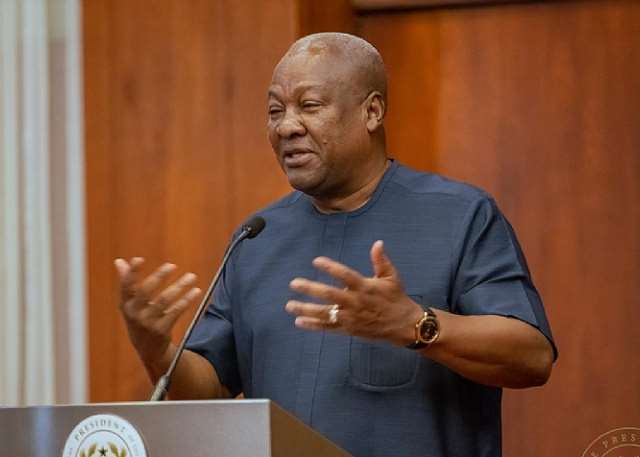


Regional Minister James Gunu officially launched the Nkoko Nkitinkiti Programme, a flagship intervention under the Government of Ghana’s Feed Ghana Programme. The lively event marked the start of a major initiative designed to reduce poverty, create jobs, improve household incomes, and strengthen food security throughout the region.
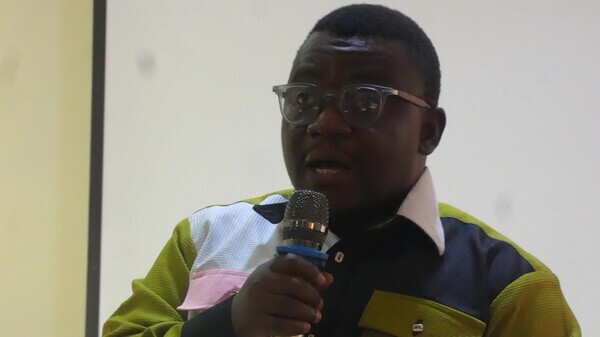
Addressing an enthusiastic crowd at the launch, Mr. Gunu emphasized that Nkoko Nkitinkiti is more than a poultry farming project, it is a practical tool for economic empowerment aimed at households, young people, and aspiring agribusiness entrepreneurs. “This initiative goes beyond rearing chickens,” Mr. Gunu said. “It is about empowering families, stimulating local economies, and setting the foundation for agribusiness success stories across Volta.”
At the heart of the programme is a simple but powerful idea: poultry farming as a catalyst for grassroots economic development. As part of the rollout, the region will receive 180,000 day-old chicks, allocated to beneficiaries—especially households and enterprising youth, looking to build sustainable livelihoods. The Minister expressed confidence that this intervention would provide long-term economic relief for families, promote self-employment, and foster the growth of agribusiness throughout the region.
Mr. Gunu also drew on the region’s rich history, recalling how, for generations, families relied on the sale of a few chickens to pay school fees, cover healthcare costs, and meet urgent household needs. “Nkoko Nkitinkiti is a revival of an age-old poverty reduction strategy that empowered families at the grassroots level,” he remarked.
The Minister reaffirmed the government’s commitment to supporting agricultural programmes that directly benefit rural communities and bolster food security. He applauded the stakeholders and partners behind the initiative and called on beneficiaries to make the most of the support provided, ensuring the programme’s sustainability and lasting impact.
The Nkoko Nkitinkiti Programme forms a key component of the broader Feed Ghana vision, which seeks to boost domestic agricultural productivity, improve food availability, and create economic opportunities nationwide. By distributing three million birds to 60,000 households across all 276 constituencies, the government aims to reduce Ghana’s heavy reliance on imported frozen chicken. This practice has cost the country over $350 million annually.
Under the Household/Backyard Poultry Initiative, each participating household will receive 50 chicks, feed support, and technical guidance to help them transition from subsistence farming to self-sustaining poultry enterprises. The programme also includes support for 50 commercial anchor farmers, each set to receive up to 80,000 chicks and the resources needed to produce poultry at scale, thus strengthening the supply chain from farm to market.
Local leaders echoed the optimism. The Municipal Chief Executive for Ho, Stephen Adom, assured residents that the programme would open up job opportunities for the youth and help reduce poverty and unemployment. He reiterated the John Mahama administration’s commitment to supporting Ghanaians through additional interventions, urging beneficiaries to use the chicks wisely to realize the initiative’s full potential.
As the first batch of chicks arrives and households prepare their coops, the Nkoko Nkitinkiti Programme is poised to transform lives, foster food sovereignty, and build a more resilient agricultural future for the Volta Region and beyond.
Source: Apexnewsgh.com