







The Ranking Member on Parliament’s Economy and Development Committee and Member of Parliament for Ofoase-Ayirebi, Kojo Oppong Nkrumah, has sounded the alarm over Ghana’s escalating youth unemployment crisis and put forward a comprehensive five-point strategy to address the problem.
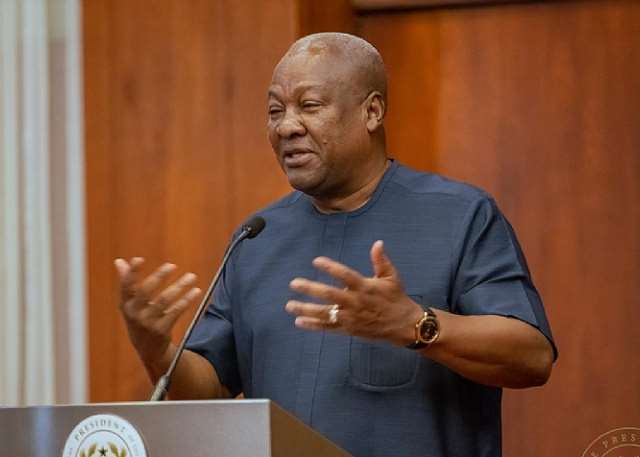
Speaking on the floor of Parliament on Thursday, June 11, 2026, Mr. Oppong Nkrumah described youth unemployment as one of Ghana’s most urgent socio-economic challenges, cautioning that existing interventions are falling short of expectations. Quoting recent data from the Ghana Statistical Service, he noted that the unemployment rate among persons aged 15 to 24 rose from 32% in December 2024 to 32.5% by the third quarter of 2025, and that nearly two million young Ghanaians are neither in education, employment, nor training.
“Mr. Speaker, we do not need more slogans or promises that results are in the pipeline. We need a more effective architecture to solve the worsening youth unemployment problem in our country. The time to act is now,” he declared.
Highlighting the gravity of the situation, the MP for Ofoase-Ayirebi stressed the need for bold and measurable reforms, arguing that Ghanaian youth demand practical, dignified, and well-paid job opportunities—not rhetoric.
Oppong Nkrumah’s five-point proposal includes:
Publishing delivery scorecards for all job creation programmes, using clear metrics such as beneficiaries, cost per job, time-to-placement, and employment retention rates;
Distinguishing between skills training initiatives and actual job creation efforts, noting that training alone does not guarantee employment;
Shifting from government-led financing to increased private sector participation, with government reducing investment risks, co-investing in strategic sectors, and creating a supportive regulatory environment;
Making apprenticeship programmes the backbone of the youth employment strategy, anchored by national certification, employer incentives, and structured pathways to jobs or entrepreneurship;
Establishing a credible Labour Market Information System to provide real-time data on vacancies, skills gaps, and labour demand.
He concluded by urging policymakers to move beyond slogans and promises, and instead adopt practical, accountable solutions to reverse the trend and unlock opportunities for Ghana’s burgeoning youth population.
Source: Apexnewsgh.com