



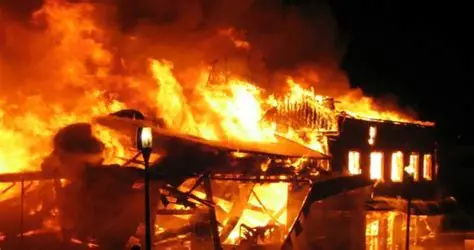




Between January and February this year, the Ashanti Regional Fire Command recorded 208 fire outbreaks, a slight reduction from the 237 incidents reported during the same period in 2025.
The update was shared by ACFO1 Peter Tetteh, Regional Commander of the Ghana National Fire Service, at the launch of an inter-market fire safety quiz in Kumasi on Tuesday, March 3.
Commander Tetteh explained to journalists that the first quarter of the year typically marks the peak season for fire incidents, especially in the region’s bustling markets. While the dip in reported cases offers a small measure of relief, he cautioned that the risk of market fires remains high and called for continued vigilance.
The newly launched inter-market quiz aims to arm traders with practical knowledge on fire prevention and emergency response. “Market fires cause a lot of devastation. The aim is to get traders involved in fire prevention so that they can own the market, understand what causes fires, and prevent them,” Tetteh noted, expressing satisfaction with the enthusiastic response from participants.
He also issued a stern warning to traders handling combustible and explosive materials, urging them to relocate these goods outside market premises to safeguard the public from potential disasters.
Supporting the initiative, Chairman Ernest Afayam, Managing Director of Kejetia Market, stressed the importance of fire safety education given the market’s structure and history of fire outbreaks. He recalled a recent incident swiftly contained by fire officers, as well as the 2023 blaze ignited by hazardous chemicals, which led to displacement and losses for many traders.
Chairman Afayam praised the fire safety quiz as a proactive measure, stating, “It is a positive programme. The arrangement is a form of creating awareness and prevention as far as fire safety is concerned. I believe it is something worth embarking on.”
With fire risks still looming, the region’s fire authorities and market leaders are working hand-in-hand to reduce hazards and safeguard livelihoods through education and collective action.
Source: Apexnewsgh.com