




In a bold move to address pressing issues within Ghana’s petroleum sector, two prominent civil society organizations, the Centre for Environmental Management and Sustainable Energy (CEMSE) and the Revenue Mobilisation Alliance (RMA), have united their voices to demand urgent reforms at the National Petroleum Authority (NPA).
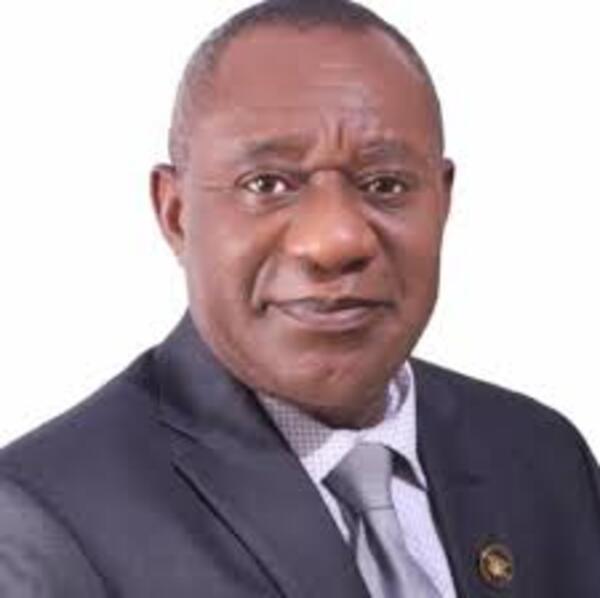
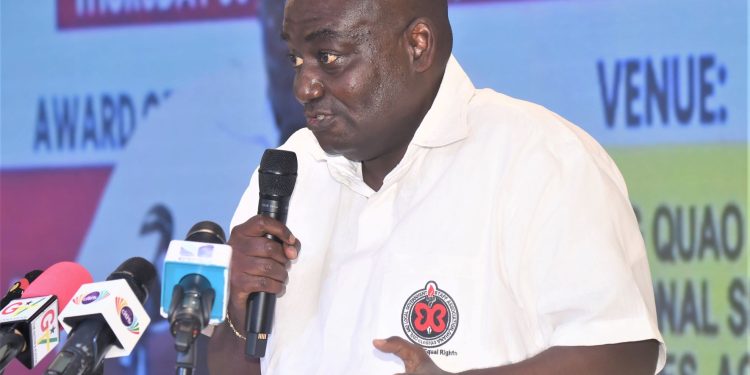
In a joint statement released on Monday, the Executive Directors of both organizations, Benjamin Nsiah from CEMSE and Geoffrey Kabutey Ocansey from RMA, expressed their grave concerns over the lack of transparency and accountability in the management of key petroleum funds.
The two organizations are concerned about the NPA’s dual role as both regulator and fund manager, a situation they believe has led to significant inefficiencies and financial opacity within the industry. The statement emphasized that this conflict of interest has contributed to the misapplication of public resources, prompting the Ministry of Energy to call for immediate action.
CEMSE and RMA are urging the Ministry to decouple the fund management responsibilities of the NPA from its regulatory functions and to transfer those pivotal duties to the Ministry of Finance. They are also advocating for a comprehensive audit of the NPA’s fund management activities covering the years from 2021 to 2024, with particular emphasis on the significant financial losses reported in 2022.
Highlighting the situation, the statement identified three major funds managed by the NPA that have been sources of significant surplus revenue—yet remain poorly accounted for.
Unified Petroleum Price Fund (UPPF)
The UPPF, which imposes a levy of 90 pesewas per litre on petrol and diesel, is estimated to generate over GHC 4 billion annually based on national consumption. However, the organizations allege that only 40% of the fund is allocated to transport operators, with the NPA retaining the remaining 60%. In 2023, the Authority declared a surplus of just GHC 524 million, a figure that they argue grossly understates the actual revenues, stating, “Since 2015, the NPA has failed to publicly account for these surpluses.”
Primary Distribution Margin (PDM)
The PDM fund generates over GHC 1.3 billion each year, yet the Bulk Oil Storage and Transportation company (BOST) manages a mere 7% of fuel distribution, leaving an estimated surplus of GHC 900 million annually without public disclosure on its utilization. The organizations raised additional concerns that deductions from tanker owners have been misapplied, compounding the issues within the fund management.
Cylinder Recirculation Margin (CRM)
Since April 2024, the NPA has imposed an $80 per metric ton fee on LPG users, generating over $30 million (GHC 315 million) by June 2025. However, a concerning statistic emerged: less than 1% of LPG sales occur through the cylinder recirculation model. The organizations flagged that only $37,000 has been allocated to support cylinder manufacturing and bottling, leaving an astonishing $9.9 million unaccounted for.
In light of these findings, CEMSE and RMA are calling for legislative amendments to strip the NPA of its fund management duties. They argue that the current structure not only creates a conflict of interest but also undermines public trust in the management of crucial funds. “Transparency and accountability in the management of these funds is not just a legal obligation but a moral imperative,” they emphasized, warning that ongoing secrecy poses a significant risk to good governance and effective resource allocation.
The organizations also raised questions about the NPA’s reported deficit in 2022, despite an equalization framework within the UPPF that ostensibly guarantees greater income than expenses. They are advocating for an independent audit to investigate this apparent discrepancy, as the quest for accountability in the nation’s petroleum sector continues.
Source: Apexnewsgh.com/Ngamegbulam Chidozie Stephen