









Survey Reveals Ghanaians See Progress in Fight Against Corruption Under Mahama

A new nationwide survey conducted by the Konrad-Adenauer-Stiftung (KAS) Ghana and the Ghana Institute of Management and Public Administration (GIMPA) has brought encouraging news for the Mahama administration. The study, titled “Stocktaking of Ghana’s Democracy,” indicates that many Ghanaians perceive improvements in the country’s fight against corruption. The survey’s findings were released on Wednesday, March 11, coinciding with the first year of the National Democratic Congress (NDC) government under President John Dramani Mahama. Researchers assessed public perceptions of governance, democratic values, and political leadership, seeking to take the pulse of the nation during a pivotal period. Across demographic lines, including age, gender, and education level, the most common response was that corruption has improved under the current administration. While not every respondent agreed, the pattern suggests that government anti-corruption efforts are being acknowledged by a significant segment of the population. “Perceptions of corruption trends provide another noteworthy insight,” the survey noted. “Across demographic groups, including different age categories, genders, and education levels, the most frequently selected response is that corruption has improved. Although this view is not universal, the pattern suggests that government anti-corruption efforts are being recognised by a significant portion of the population.” The survey also asked Ghanaians to rate the overall performance of the Mahama government. Most respondents offered cautiously positive feedback, with the largest share describing the administration’s performance as either good or satisfactory. Economic management received mixed but generally favourable marks, with 44.5 percent rating it as good and 14.9 percent as excellent. Despite these positive trends, the study highlighted that integrity remains a top priority for Ghanaians. Respondents consistently valued a strong commitment to fighting corruption, visionary leadership, and sound economic management as the most important qualities they expect from a presidential candidate. The findings offer a snapshot of evolving public sentiment, as Ghanaians continue to place high expectations on those who lead them. Source: Apexnewsgh.com
Minority Leader Raises Alarm Over Denial of Representation in Key Parliamentary Delegations
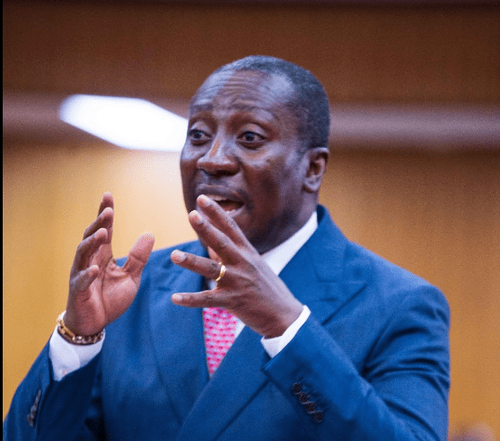
In a passionate address at the 9th edition of the Crystal Ball Series, the Minority Leader, Alexander Afenyo-Markin, voiced deep concerns about what he described as the systematic exclusion of the Minority caucus from important parliamentary delegations to the Pan-African Parliament and the ECOWAS Parliament. Afenyo-Markin accused Parliament’s leadership of disregarding the established formula for forming such delegations, resulting in the Minority’s rightful seats being denied. “The Minority has two bonafide seats at the Pan-African Parliament. Instead of having two, strangely, we’re denied, and only one was given to us. Bypassing this formula, we’re told that we should take an observer status,” he lamented. He noted that a similar scenario played out in the selection of members for the ECOWAS Parliament. Despite prior consensus at the Committee on Selection, the Majority unexpectedly moved to amend the agreed-upon formula, effectively sidelining the Minority. “The consequences of it are so unfortunate. As we speak, on all delegations, the minority has been denied because we have insisted on our rights. I pray that we can resolve this matter,” Afenyo-Markin urged. Beyond representation in international delegations, the Minority Leader further alleged a deliberate effort within Parliament to stifle the voice of the Minority. He pointed out that several motions tabled by Minority members have been prevented from reaching the debate stage, even when formally advertised. Afenyo-Markin cited the case of mass dismissals from state institutions as a prime example. “A typical example is the mass dismissal of Ghanaian workers when this party came into office. There was a letter from the Chief of Staff directing that the recruitment that took place after the election should be terminated. However, state agencies decided to go back to 2017/2018. People who have been in the employ of state-owned institutions, not just the civil service, since 2018 were sacked. Attempts to bring this matter to the public space remain frustrated.” He explained that efforts to have this motion debated have repeatedly stalled. “The first was a preliminary objection by the majority leader, and when we filed an appeal, though the appeal motion was allowed, the debate is still in abeyance. The motion was moved, seconded, and one contributor was taken. It’s been eight months. It always appeared on the Order Paper. We are unable to take it. Why?” the Minority Leader questioned. As Afenyo-Markin called for urgent intervention and respect for the Minority’s rights, his remarks have sparked conversations about fair representation and the need for consensus in Ghana’s parliamentary processes. Source: Apexnewsgh.com
FDA Launches Nationwide Crackdown on Suspected Plastic Use in Plantain Chips

The Food and Drugs Authority (FDA) has launched a sweeping nationwide market surveillance and laboratory testing initiative after alarming reports surfaced that some plantain chip vendors are using melted plastic to fry their products. This decisive action was triggered by viral videos and social media reports alleging that certain vendors are adding polythene materials to hot oil during the preparation of plantain chips. The practice, purportedly aimed at making the chips crispier and extending their shelf life, has raised urgent food safety concerns across the country. In an official statement, the FDA condemned the alleged use of melted plastic as extremely dangerous. The authority warned that melting plastic in frying oil results in direct chemical contamination, making the food unfit for human consumption. According to the FDA, heating plastics such as low-density polyethene in hot oil can cause harmful chemicals to migrate into the food. The process speeds up the release of plasticisers, phthalates, and antioxidants, all of which are potentially toxic to consumers. Citing scientific research, the authority highlighted that long-term exposure to such chemicals is linked to endocrine disruption, hormonal imbalances, and a higher risk of certain cancers. The FDA reminded the public that, under Section 100 of the Public Health Act, 2012 (Act 851), selling unwholesome or contaminated food is a criminal offence. The use of non-food-grade additives like plastics in food preparation could lead to prosecution and permanent closure of offending businesses. Consumers are urged to stay vigilant, especially if plantain chips have an odd chemical smell, a plastic-like aftertaste, or remain unusually crisp for extended periods. The FDA encouraged the public to report any suspicious food preparation practices they observe. The authority also assured the public that the results of ongoing laboratory tests on plantain chips will be released when investigations are complete, reinforcing its commitment to consumer safety and public health. Source: Apexnewsgh.com
The Deputy Minister Unveils Landmark Public Lands Transparency Drive

The Deputy Minister for Lands and Natural Resources, Yusif Sulemana, has announced that the government is set to publish details of all applications for public lands made between 2017 and 2024. This announcement, made at a press conference on Wednesday, March 11, marks a significant step in broader reforms by the Ministry of Lands and Natural Resources. Working closely with the Lands Commission, the Ministry seeks to improve oversight and administration of public lands throughout the country. Over the past several months, authorities have meticulously reviewed thousands of applications submitted by individuals, private companies, and various organizations seeking to acquire or lease government lands. During the review, officials uncovered a range of issues, including incomplete applications and instances where allocations did not meet legal requirements and had to be revoked. “Over 8,000 applications were reviewed; some have been revoked, while completed and compliant applications remain valid. There is a need for the public to know who has acquired what and how much was paid, so very soon, we will publish all the names of people who bought government lands,” the Deputy Minister stated. As part of the reforms, the Cabinet has approved a key recommendation for the publication of all public lands applications. The Lands Commission will now release both completed and uncompleted applications, organized by region, providing the public with unprecedented access to information about the allocation and management of state lands. This initiative forms part of the government’s ongoing efforts to ensure better governance and public trust in the management of Ghana’s valuable land resources. Source: Apexnewsgh.com
African Union Appoints Akufo-Addo to Lead Congo Election Observation Mission

The African Union (AU) has appointed former President Nana Addo Dankwa Akufo-Addo to head its Election Observation Mission to the Republic of the Congo as the country prepares for its presidential elections on March 15, 2026. In a statement released on Tuesday, March 10, the Office of the former President confirmed Akufo-Addo’s new role, highlighting his responsibility to lead the AU’s efforts in monitoring the electoral process in the Central African nation. The African Union Election Observation Mission (AUEOM) under his leadership will comprise representatives from various continental bodies and key stakeholder groups. These include members of the AU Permanent Representatives Committee (PRC), the Pan-African Parliament, the African Governance Platform, election management bodies, independent election experts, civil society organisations, as well as representatives of women’s and youth groups. This initiative is part of the AU’s ongoing commitment to supporting transparent, credible, and well-managed elections across Africa. According to the statement, Akufo-Addo will depart Accra on Friday, March 13, and is expected to return on March 18, 2026, after completing his assignment in the Republic of the Congo. Source: Apexnewsgh.com
The Forgotten Treasure of the Shea Fruit: Unlocking the Nutritional and Economic Potential of Shea Pulp
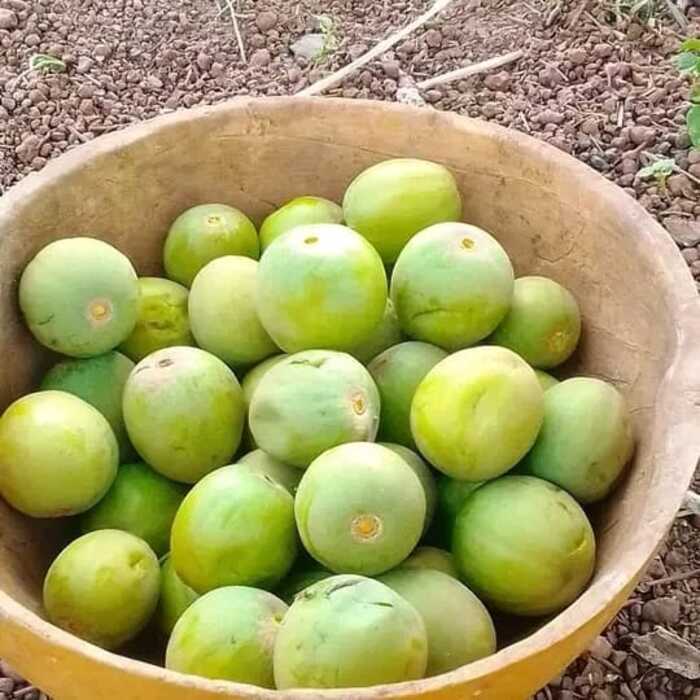
The fruit of the shea tree, scientifically known as Vitellaria paradoxa, has long been part of the natural diet of many communities across the savanna regions of West Africa. Although the shea nut is globally recognized for the butter extracted from it—an ingredient widely used in cosmetics, pharmaceuticals, and food industries—the fruit itself remains one of the most underutilized resources of the tree. Yet, the pulp surrounding the nut is both delicious and highly nutritious, and for generations it has provided seasonal nourishment for people across the Sahel and northern Ghana. The shea fruit resembles a large plum or a small avocado, with a soft, edible pulp covering the nut. This pulp has a distinctive sweet taste often described as slightly caramel-like, and its smooth texture is comparable to that of an avocado. In many rural communities, the fruit is commonly eaten fresh when it ripens during the shea harvesting season. Children and adults alike enjoy the fruit as a natural snack while collecting the nuts for processing into shea butter. Beyond its pleasant taste, the pulp of the shea fruit is exceptionally nutritious. Scientific studies have shown that it contains more than three times the amount of vitamin C found in oranges. This high vitamin content makes it a powerful natural antioxidant that supports the immune system and contributes to overall health. In addition to vitamin C, the pulp is rich in carbohydrates, providing an important source of energy for communities engaged in agricultural activities. It also contains proteins and essential minerals such as calcium and potassium, which play important roles in maintaining strong bones, supporting muscle function, and sustaining general well-being. The importance of the shea fruit becomes particularly evident during the early farming season, often referred to in many rural communities as the “hungry season.” This is the period when stored grains from the previous harvest begin to run low while farmers are preparing their land for planting. During this time, the shea fruit ripens and becomes a valuable natural source of nourishment. The sugars in the pulp provide quick energy for farmers carrying out the physically demanding work of clearing and preparing fields. Research conducted on dried samples of shea fruit pulp collected from countries such as Mali, Burkina Faso, northern Cameroon, and Uganda has confirmed the fruit’s nutritional value. Analytical studies measuring total soluble solids, protein content, and mineral composition reveal that the pulp is rich in sugars, proteins, calcium, and potassium. These nutrients are particularly valuable in savanna environments where food diversity may be limited during certain seasons of the year. Traditionally, the pulp is eaten fresh, but its potential extends far beyond this simple form of consumption. With appropriate processing and innovation, the pulp can be transformed into a wide range of food products. For instance, the pulp can be processed into fruit juice, producing a refreshing beverage that is rich in carbohydrates, vitamin C, and essential minerals. Such juice could serve both as a nutritious local drink and as a commercial product for broader markets. The pulp can also be used to produce jams and jellies. When processed into spreads, the fruit retains its natural sweetness while providing valuable nutrients. These products could potentially become popular local delicacies and even attract international consumers interested in natural and indigenous foods. Another promising possibility is the production of shea fruit wine. Through fermentation, the natural sugars present in the pulp can be converted into alcoholic beverages with unique regional flavors. In addition, the pulp can be processed into fruit leather, a dried fruit product similar to natural fruit snacks. Drying the pulp allows it to be preserved for longer periods, making it available even after the harvesting season has ended. Shea pulp can also be incorporated into baked goods such as cakes, muffins, and pastries. Its smooth texture and natural sweetness make it a suitable ingredient for baking, much like banana or apple puree. Similarly, dried pulp can be used to produce snacks and confectionery, offering nutritious alternatives to many highly processed foods. Even beyond human consumption, the pulp has additional uses. It can be used as a supplement in poultry feed, helping to reduce waste while contributing to sustainable livestock production. Studies examining indigenous knowledge of the shea tree also reveal interesting perspectives within savanna communities. In many cases, men tend to emphasize the taste and quality of the fruit pulp, while women often focus more on the butter yield of the nut. This difference reflects the traditional roles played in shea harvesting and processing, where women are primarily responsible for transforming the nuts into shea butter, an important source of income and cooking oil for households. Despite the growing international interest in shea butter production, the nutritional importance of the fruit pulp itself often receives little attention in development programs. Recognizing the value of the pulp could open new opportunities for food innovation, rural entrepreneurship, and improved nutrition across shea-producing regions. One of the advocates calling attention to the untapped potential of the shea fruit is Chef Abiro. According to him, the shea fruit is one of the most underappreciated ingredients in Northern Ghanaian cuisine. While the shea nut has achieved global fame because of the butter extracted from it, the fruit itself remains largely overlooked in modern culinary practice. Chef Abiro believes that with creativity and innovation, the shea fruit could become a key ingredient in new indigenous dishes that celebrate the culinary heritage of northern Ghana. Chef Abiro, born Abiro Wisdom Seidu Napaana on May 23, 1998, in Zuarungu in the Upper East Region of Ghana, is a renowned chef, restaurateur, culinary advocate, television personality, and writer. Raised in Bawku, he developed a passion for cooking from an early age in a household that encouraged gender equality in domestic responsibilities. This environment allowed him to participate in cooking activities and gradually refine his culinary skills. His formal education in the culinary field began at Bolgatanga Senior High School, where he studied Home Economics. He later pursued a diploma in
Fuel Shortages Hit Service Stations as Technical Glitch Disrupts Petroleum Supply Chain

Several Oil Marketing Companies (OMCs) in Ghana are grappling with fuel shortages at their service stations, citing operational challenges at the ports. Both state-owned GOIL PLC and private operator Star Oil Ghana have linked the disruptions to a technical outage of the Integrated Customs Management System (ICUMS), a critical digital platform used to process tax payments and facilitate the lifting of petroleum products from depots. In separate statements, the companies reported that the ICUMS outage, which began on Thursday, has thrown the national petroleum supply chain into disarray. GOIL PLC announced that the technical difficulties have prevented the company from lifting products for distribution, causing some of its stations across the country to experience temporary shortages. Edward Abambire Bawa, Group Chief Executive Officer and Managing Director of GOIL, expressed regret over the inconvenience and assured customers that management is working with relevant authorities to restore normal fuel supply as soon as possible. Star Oil Ghana echoed similar concerns, emphasizing that the shortages are not a result of hoarding in anticipation of a price hike. The company explained that the problem was exacerbated by a public holiday on Friday, which delayed planned petroleum lifting operations for Saturday. “Unfortunately, the GRA ICUMS system was down throughout the day, preventing all OMCs from processing the necessary documentation to load products,” Star Oil stated. As of Monday, March 9, 2026, the technical challenges persist, affecting the entire downstream petroleum industry. Star Oil noted that its service stations, which typically sell high volumes relative to tank capacity, have been particularly affected by the disruption. The company assured customers that it is monitoring the situation closely and will resume restocking as soon as the system is restored. Source: Apexnewsgh.com
Pastor Remanded Over Allegations of Sexual Abuse and Online Exploitation of Minor

Authorities have arrested and remanded a pastor identified as Ebenezer Conduah, also known as Reverend Dr. Ebenezer Conduah, following serious allegations of sexually abusing a minor and uploading explicit recordings of the abuse to pornographic websites. According to investigative sources, Conduah was apprehended during a police operation that targeted his alleged criminal activities. During a search of his premises, law enforcement officers reportedly discovered several items believed to be linked to the case. Among the items seized were five mobile phones, two hard drives, two memory cards, a computer system unit, sex toys, and pieces of female underwear. Police officials have stated that these electronic devices and other items are expected to undergo detailed forensic examination as part of the ongoing investigation. The suspect has since been remanded by the court, with authorities emphasizing that inquiries are still underway. Officials have indicated that further updates will be provided as the investigation progresses and more information becomes available. Source: Apexnewsgh.com
Health Minister Pledges Full Support for Victim of Armed Forces Recruitment Stampede

The Minister for Health, Kwabena Mintah Akandoh, has reaffirmed the government’s commitment to ensuring the best possible care for Sandra Baafi Boateng, the young woman who suffered life-threatening injuries during the Ghana Armed Forces recruitment stampede at the Baba Yara Sports Stadium on November 12, 2025. Addressing Parliament, Mr. Akandoh updated Members on Ms. Baafi Boateng’s current condition and stressed that the Ministry stands ready to arrange advanced treatment abroad if her medical team deems it necessary. “Every viable medical intervention, both within Ghana and overseas, is being considered to guarantee the highest standard of care,” he assured. Since the incident, Ms. Baafi Boateng has been under intensive specialist care, with the state covering all medical costs to relieve her family of financial burden. After initial treatment, she was transferred on February 26, 2026, to the 37 Military Hospital, where a multidisciplinary team of specialists continues to manage her recovery. Alongside ongoing medical attention, she is also receiving rehabilitation and psychosocial support to aid her recuperation. Mr. Akandoh highlighted that Ms. Baafi Boateng has remained bedridden since the stampede but emphasized that the Ministry remains closely engaged with both the Komfo Anokye Teaching Hospital and the 37 Military Hospital to ensure her care is expedited. He concluded his remarks with a pledge to Parliament: “The Ministry of Health has remained actively engaged to ensure that Ms. Sandra Baafi Boateng receives the requisite specialist care and that every necessary step is being taken to expedite her treatment and recovery.” Source: Apexnewsgh.com
Solid Rock Baptist Church Celebrates Diversity With Inaugural Culture Day

The Solid Rock Baptist Church in the Upper East Regional capital recently held its first-ever Culture Day, an initiative introduced by the church’s leadership to celebrate the diverse backgrounds that make up its congregation. The event, which coincided with Ghana Month in March, was spearheaded by the Head Pastor, Rev. Thomas Abukari. Rev. Abukari explained that in today’s global world, communities are often composed of people from many different cultural backgrounds. “We have found ourselves in the regional capital of Upper East with several cultures coming together, and the church is made up of several cultures,” he said. “We don’t want people to lose sight of their roots.” To honor this diversity, the church leadership decided to dedicate a day to cultural celebration. Members were encouraged to dress in their traditional attire, sing native songs, and read scripture in various local languages. According to Rev. Abukari, the Bible teaches that believers are one in Christ, even though they come from diverse backgrounds. “No culture is superior to another. All of us stem from the Garden of Eden, and diversity is God’s design for us to acknowledge who He is,” he noted. The response from the congregation was overwhelmingly positive. Rev. Abukari recounted, “When I asked the church if next year we should not go to celebrate this day, they told me that it will be a demonstration.” He emphasized that the lessons of unity in diversity should extend beyond the church’s walls to the wider community. “If I say I’m this tribe and you are this tribe, what makes the difference? The same blood, the same system, and we live in the same area. We have gone past the stage where you can say only your tribe should remain. We must have the heart to embrace diversity.” Rev. Abukari also drew comparisons with multicultural societies around the world, citing Great Britain as an example of a nation where different tribes coexist and work towards common goals. “Everybody has come to realize that I’m different, you are different, but there’s a common goal we should achieve,” he said. The theme for the Culture Day was “One Body, Many Parts,” inspired by 1 Corinthians 12, where the Apostle Paul uses the analogy of the human body to illustrate unity in diversity. Rev. Abukari also referenced Ephesians 4:1–7 to reinforce the message of oneness, reminding the congregation of their shared faith and purpose. The church hopes that this celebration will become an annual tradition, reinforcing the importance of cultural heritage, unity, and mutual respect among its members and the wider community. Source: Apexnewsgh.com