






Endswell Pharmacy Executive Director Opens Modern Pharmaceutical Office in Bolgatanga

The Executive Director of Endswell Pharmacy Limited, Mr. Lawrence Atongo, has officially opened a modern pharmaceutical office in Bolgatanga, marking a significant milestone in the growth of healthcare delivery within the municipality. The newly constructed pharmaceutical edifice was formally commissioned and dedicated to God by a Reverend Father, who committed the facility into the hands of the Creator and prayed for its successful operation and positive impact on the community. Following the commissioning ceremony, Mr. Atongo seized the opportunity to organize a free health screening exercise for residents of the Bolgatanga Municipality. The initiative attracted several community members who turned up to check their health status and receive professional advice. Speaking to the media during the event, Mr. Atongo explained that the gesture was his way of appreciating the community members who have supported him since he established himself as a pharmacist. He acknowledged their immense contributions to his growth and success over the years. According to him, the health screening exercise was not organized as a display of wealth, but rather as a humanitarian effort and an expression of gratitude to God for His blessings. He emphasized that giving back to society remains a core value of Endswell Pharmacy Limited. Beneficiaries of the free health screening expressed excitement and gratitude for what they described as a thoughtful and impactful initiative. They commended Endswell Pharmacy Limited for the kind gesture and extended their heartfelt appreciation for bringing quality healthcare services closer to the people of Bolgatanga. Source: Apexnewsgh.com
Multiple Vulnerabilities on the Rise Despite Decline in Severe Food Insecurity
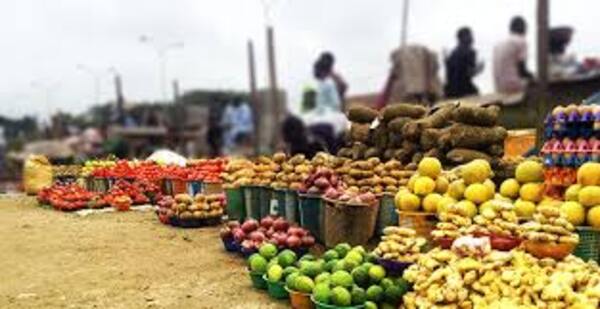
While Ghana has recorded a slight national decrease in severe food insecurity, from 5.1% in the second quarter of 2025 to 4.6% in the third quarter, the latest data from the Ghana Statistical Service (GSS) reveals a troubling surge in the number of citizens facing compound vulnerabilities. According to the GSS, 227,519 Ghanaians were found to be simultaneously food insecure, multidimensionally poor, and unemployed in Q3 2025. This marks an increase of 19,455 people compared to the previous quarter, reflecting a 9.4% rise in just three months. The number of those classified as only food insecure also hit a high of over 4 million in Q2, underscoring the persistent challenge of ensuring consistent food access across the country. The report draws attention to enduring gender and geographic disparities. Among rural female-headed households, severe food insecurity peaked at 8.1%, highlighting the disproportionate impact on women living in rural communities. These trends come as Ghana intensifies its push towards the 2030 Sustainable Development Goals, particularly the target to achieve Zero Hunger. Despite improvements in macroeconomic indicators, the benefits are being unevenly distributed, leaving many at risk of falling through the cracks. Analysts caution that unless targeted policy interventions are implemented, the rising number of households experiencing overlapping vulnerabilities could threaten national gains in food security, poverty alleviation, and decent work. At a press briefing in Accra, Government Statistician Dr. Alhassan Iddrisu urged policymakers to rethink one-size-fits-all approaches and prioritize tailored solutions for high-burden regions. “Target high-burden regions with tailored food security, agricultural, and market-access solutions instead of one-size-fits-all approaches,” he advised, emphasizing the urgent need for more focused and responsive interventions. Source: Apexnewsgh.com
Food Insecurity in Ghana Shows Signs of Improvement, But Gaps Remain

Ghana has seen a modest drop in the number of people facing food insecurity, according to the latest Quarterly Food Insecurity Report released by the Ghana Statistical Service (GSS). The report reveals that 12.5 million Ghanaians were food insecure in the third quarter of 2025, a decline from 13.4 million recorded in the previous quarter. Nationally, the rate of food insecurity fell to 38.1% in Q3, down from 41.1% in Q2. While this signals progress, the report underscores that not all groups are benefiting equally from these improvements. Persistent gender and regional gaps remain a concern. Over the period from the first quarter of 2024 to the third quarter of 2025, female-headed households continued to experience higher rates of moderate food insecurity. In the first two quarters of 2025, the prevalence among female-led homes peaked at 44.1%, compared to 38.7% for male-headed households. Regional disparities also persist. The Upper West, North East, and Volta Regions reported the highest levels of food insecurity. In contrast, the Oti Region posted the lowest numbers, with food insecurity dropping from 23.8% in Q1 to 18.4% by Q3 2025—a significant improvement. While the overall trend is encouraging, the GSS report calls attention to the need for targeted interventions to address the gender and regional inequalities that continue to shape food security across the country. Source: Apexnewsgh.com
President Mahama Convenes Emergency Cabinet Meeting to Tackle Cocoa Sector Challenges

President John Dramani Mahama has taken decisive action in response to growing concerns within Ghana’s cocoa industry, calling an emergency Cabinet meeting to chart a path forward. Government spokesperson Felix Kwakye Ofosu made the announcement on X, revealing that the special session is scheduled for Wednesday, February 11, 2026. While the detailed agenda remains under wraps, the urgency of the meeting signals the administration’s recognition of the gravity of issues currently facing one of Ghana’s most important economic sectors. The cocoa industry is not only a pillar of the national economy but also a vital source of livelihood for millions of farmers and a key contributor to foreign exchange earnings. Speculation among industry observers suggests that the Cabinet may address a range of critical topics, including declining cocoa production, concerns over farmer welfare and pricing, and ongoing operational difficulties across the value chain. The government’s swift move to convene this emergency session has raised hopes that new policy measures will be introduced to stabilize the cocoa sector, protect farmer incomes, and secure the sustainability of Ghana’s cocoa-driven revenues. As stakeholders await the outcomes of the meeting, all eyes are on the presidency and Cabinet, with expectations high for bold decisions that will safeguard the future of Ghana’s cocoa industry. Source: Apexnewsgh.com
Gurensi Clay Pots: Indigenous Science, Art, and Sustainable Technology of Northern Ghana
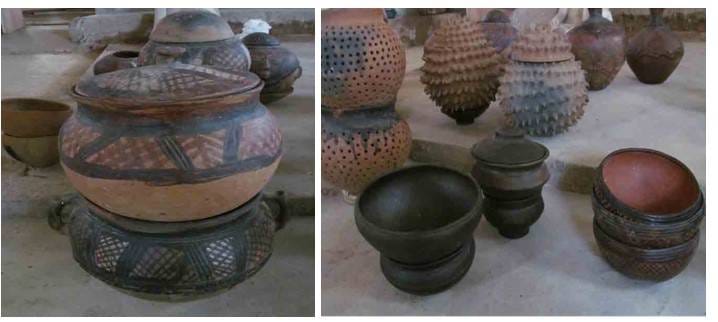
Long before electricity reached the villages of Northern Ghana, long before refrigerators hummed in kitchens, communities discovered a simple, sustainable, and ingenious way to keep water refreshingly cool: the clay pot. Among the Gurensi people, as with other northern communities, the clay pot was not only a household necessity; it was a symbol of practical wisdom, scientific observation, and deep knowledge of the natural environment. It demonstrates how technology does not always need circuits, motors, or complex machinery. Sometimes, it is about listening to the earth, understanding its properties, and working in harmony with nature. These clay vessels are crafted from local earth, carefully selected by the potters for its particular qualities. In many cases, the clay is mixed with kaolin, a fine white clay that lends the vessel strength while retaining microscopic porosity. This porosity is the secret behind the clay pot’s cooling ability. Even after firing in open pits or small kilns, the walls of the pot remain slightly porous, capable of allowing tiny amounts of water to seep through to the surface. When These droplets reach the outer surface of the pot, they begin to evaporate, carrying away heat and leaving the remaining water inside noticeably cooler. For the Gurensi, the creation of these pots is a craft learned over generations, passed from mother to daughter, aunt to niece, and sometimes from elder potters to apprentices. There are no written manuals, no textbooks; the knowledge is tacit, embedded in gestures, rhythms, and careful observation. The potter kneads the clay, feeling its texture and consistency, shaping the vessel by hand using traditional techniques such as coiling or pinching. The form is guided by both utility and aesthetic preference. Some pots are simple and functional, designed for storing and cooling water. Others are decorated with incised patterns, geometric motifs, or symbolic shapes reflecting personal taste, family identity, and cultural expression. The cooling process itself is a marvel of indigenous science. As water slowly seeps through the walls, it evaporates into the air. This phase change—from liquid to vapor—requires energy, and this energy is drawn from the water inside the pot and the surrounding clay walls. The effect is immediate: the water temperature drops, providing refreshment that seems almost magical to those unfamiliar with the principle. In essence, the clay pot operates as a natural refrigerator, a technology powered entirely by the sun, air, and earth. The kaolin mixed into the clay enhances this process. Its mineral structure makes the walls fine-grained and durable, yet still porous enough to allow controlled evaporation. The result is a vessel that cools effectively while remaining long-lasting and resilient under daily use. The “cold taste” of water drawn from a clay pot is not magic—it is physics in action, observed and applied by generations of Gurensi people long before formal science documented it. In a region where the dry season brings soaring temperatures, often exceeding forty degrees Celsius, the simple clay pot is a lifesaver. It provides hydration, preserves health, and supports the demanding daily routines of farming, herding, and household work. Its value is both practical and cultural, connecting people to their environment in an intimate, interactive way. Crafting a clay pot requires more than technical skill; it demands patience, intuition, and a deep understanding of natural materials. The potter must know when the clay has reached the right consistency, how thick the walls should be, and how to shape the opening for optimal use. During firing, the potter controls the heat by adjusting the placement of wood, grass, and other combustible materials, ensuring that the vessel does not crack and that the kaolin’s properties are preserved. Firing is as much an art as a science, requiring keen observation, timing, and experience. The reddish-brown colour that emerges is a signature of the firing process, indicating the pot is ready for everyday use. Beyond their scientific function, these clay vessels carry deep cultural significance. They are central to household life and communal activities. In many Gurensi homes, clay pots stand in the compound, shaded under a tree or placed on a raised platform to keep the water clean. They are used during communal gatherings, ceremonies, and festivals, serving both practical and symbolic roles. A well-made pot signals skill, care, and attentiveness to household needs, while also representing the continuity of cultural knowledge and craftsmanship. Through such objects, the everyday lives of the Gurensi are linked to generations past, connecting present households to their ancestors in an unbroken chain of practice and understanding. The artistry of the clay pot is also significant. Many pots are decorated with simple incised lines, grooves, or textured patterns. These designs are more than decorative—they often carry symbolic meaning, reflecting local cosmologies, agricultural cycles, or community identity. Women, who are traditionally responsible for decoration and finishing, use these designs to express creativity, communicate status, and reinforce social norms. The decorated vessel becomes a living canvas, a medium through which cultural narratives are inscribed onto functional objects. The clay pot is also an example of sustainable technology. Unlike modern appliances, it requires no electricity, no refrigeration, and no synthetic materials. When a pot eventually breaks or reaches the end of its life, it returns to the earth without polluting it. Its production and use exemplify a closed-loop system, one that minimizes waste and harmonizes with the natural environment. In this respect, the clay pot offers lessons for contemporary discussions on sustainability, climate adaptation, and low-impact technologies. It is an object that embodies ecological intelligence embedded in cultural practice. The process of using the pot is equally instructive. Water is poured in, allowed to settle, and gradually cooled by evaporation. There is a rhythm to its use, a daily interaction that teaches observation, patience, and respect for natural processes. Children grow up understanding how the pot works, not through formal instruction but by participating in its care and use. They learn that simple materials can achieve complex results, that nature can be a partner in human comfort, and that technology can
The Art and Science of Gurune Homes: Indigenous Architecture Teaching Sustainability, Art, and Community Values
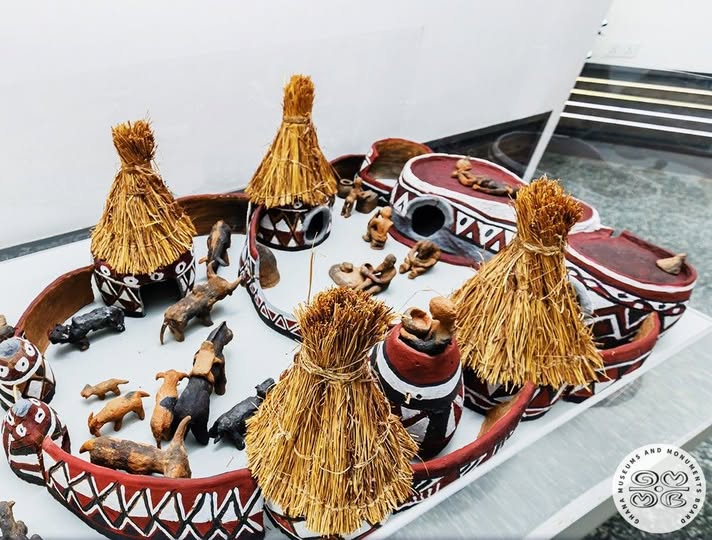
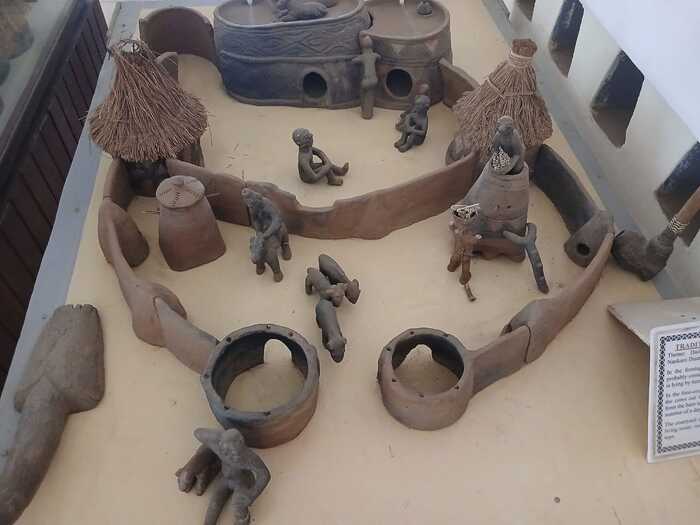
The Gurune building stands as one of the most distinctive symbols of Frafra heritage, embodying both practical ingenuity and cultural identity in the Upper East Region of Ghana. At first glance, the structure may appear simple—made of earth, mud, and thatch—but closer inspection reveals a carefully considered architectural system, a reflection of social organization, environmental adaptation, and the aesthetic sensibilities of the Frafra people. It is a building that tells a story, not just of shelter, but of family, wealth, spirituality, and communal life. A Gurune building is traditionally constructed to house a nuclear family, often beginning with the kitchen, locally known as the ‘dayha’. This initial structure serves as the heart of the home, where the couple begins their married life. The dayha is functional, providing space for cooking, sleeping, and storing essential items. Once the kitchen is established, the rest of the rooms are gradually constructed, giving shape to the full compound. The process is deliberate, reflecting both the rhythm of family life and the careful planning necessary for structural stability. The architectural layout of a Gurune compound is both symbolic and practical. Circular huts, called ‘rooms’, are constructed individually before being adjoined with mud walls to form a courtyard, known as the ‘zinzakah’. The courtyard serves as the central space for social interactions, household chores, and ceremonial activities. A single gateway provides controlled access to the compound, offering both security and a sense of privacy. The number of rooms in the compound is often seen as an indicator of the wealth and social status of the household head. A large, multi-room Gurune signals prosperity, strength, and influence within the community, while smaller compounds reflect modest means. Construction of a Gurune building is a communal effort, combining the skills of men and women in complementary roles. Men typically handle the structural aspects: digging foundations, shaping mud blocks, raising walls, and constructing the thatched or flat roofs. The roofs themselves vary in style—some are pyramidal with grass thatch, while others are flat, depending on functional requirements, personal, preference, and available materials. Women contribute to both interior and exterior finishing, applying decorative patterns, painting with natural earth colours, and sometimes incorporating symbolic motifs. The decorative work is not merely ornamental; it represents identity, aesthetic taste, and social belonging. Artistic expression is a significant component of Gurune architecture. Walls are often adorned with geometric patterns, spirals, and symbolic motifs, executed in shades of red, ochre, brown, and cream derived from natural earth pigments. These designs are unique to individual households yet rooted in broader community aesthetics, reinforcing a sense of continuity with past generations. The painted and sculpted surfaces serve not only as visual delight but also as markers of cultural memory, recalling ancestry, local mythology, and spiritual beliefs. Spirituality is an essential aspect of Gurune compounds. At the entrance of the building, it is customary to place two deities on either side. These figures are believed to guard the household, protecting the family from harm and ensuring the well-being of those within. Such spiritual elements highlight the integration of cosmology and daily life in Frafra culture, where the built environment is intimately linked to moral and sacred order. The Gurune is more than a physical shelter—it is a home imbued with meaning, connecting the inhabitants to the unseen forces that govern their world. The design of the Gurune is also highly adaptive to the local environment. The circular huts and thick mud walls provide excellent insulation against the extreme temperatures of the Upper East Region, keeping interiors cool during the day and warm at night. The thatched roofs are ideal for shedding rain during the wet season, while flat roofs may serve as storage or sleeping areas during the hottest months. Courtyards are positioned to facilitate ventilation and natural lighting, demonstrating a sophisticated understanding of microclimates long before the advent of modern engineering. Communal life is another defining aspect of the Gurune compound. The courtyard functions as a shared space where children play, elders converse, and family members gather for meals and storytelling. It is here that the rhythm of daily life unfolds, from morning chores to evening rituals. The layout encourages interaction while maintaining privacy for individual rooms, balancing the needs of social cohesion and family intimacy. In this way, the architecture itself shapes patterns of behavior, reinforcing social norms and communal bonds. Gurune construction is also a marker of life stages and family growth. Couples begin with the dayha, and as their family expands or as wealth increases, additional rooms are added to accommodate children, guests, or specialized functions such as granaries, storage spaces, or guest quarters. Each new room represents progress, stability, and an investment in the future of the household. Over time, the compound becomes a physical narrative of the family’s journey, displaying both temporal continuity and generational advancement. The relationship between architecture and gender in Gurune compounds is notable. Women not only contribute to decoration but also manage spaces that support daily life—cooking, water storage, and child-rearing. Their engagement in both aesthetic and functional tasks underscores the gendered knowledge embedded in Gurensi homes, where survival, beauty, and social organization intersect. Men, by shaping the structural elements and managing construction logistics, ensure the compound’s durability and functionality. Together, these complementary roles highlight a collaborative system of household management that sustains the family and the wider community. Gurune architecture also reflects the broader social and economic landscape of the Frafra people. Ownership of larger compounds signals wealth and influence, often impacting marriage prospects, social networks, and community participation. Courtyards can host communal celebrations, rites of passage, and festival activities, positioning the home as both a private and public space. The architectural design thus mediates between personal aspiration and collective identity, linking domestic life to wider social hierarchies. The cultural significance of Gurune buildings extends into education and heritage preservation. Museums, heritage centres, and cultural festivals increasingly recognise the value of these structures as tangible repositories of traditional knowledge. Beyond their functional and aesthetic qualities, Gurune homes
Gurensi Perforated Pots: Indigenous Technology, Cultural Identity, and Sustainable Living
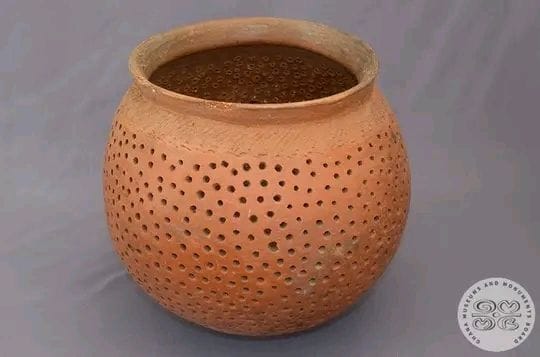
At first glance, the perforated clay pot appears ordinary—humble inform, earthy in colour, and practical in purpose. Yet within its carefully shaped body and evenly spaced holes lies a deep story of Gurensi indigenous knowledge, environmental intelligence, and cultural continuity. This vessel, handcrafted using the coiling method and hardened through open firing, is not merely a kitchen implement. It is a quiet archive of lived experience, ancestral science, and everyday creativity that has sustained Gurensi households for generations. Among the Gurensi people of northern Ghana, pottery has long been more than a craft. It is a way of knowing the land, interpreting the environment, and responding intelligently to daily life. Clay is not seen simply as raw material; it is understood as part of the earth’s living substance. Women—traditionally the custodians of pottery knowledge—know where to find the right clay deposits, often along riverbanks or low-lying areas where the soil holds moisture and fine particles. The selection of clay is guided by touch, colour, and experience passed down through observation rather than formal instruction. Once collected, the clay is prepared with care—cleaned of stones, kneaded, and tempered to prevent cracking. The shaping of the pot is done using the coiling method, an ancient technique that requires patience and precision. Thin rolls of clay are laid one upon another, gradually forming the walls of the vessel. Each coil is blended smoothly into the next by hand, allowing the potter to control thickness, balance, and strength. This process reflects the Gurensi approach to knowledge itself—built slowly, layered carefully, and refined through repetition. In Gurensi communities, pottery knowledge is often transmitted informally, from mother to daughter, aunt to niece, or elder to apprentice. Learning happens through watching, assisting, and doing. There are no written manuals, yet the consistency of form and function across generations speaks to a highly effective system of knowledge transfer. The pot becomes a record of that learning process, carrying within it the gestures and decisions of the hands that made it. After shaping, the pot is left to dry gradually in shaded areas, protected from harsh sunlight that could cause cracking. When ready, it is fired in the open using firewood, grass, and organic matter gathered from the surroundings. Open firing is both an art and a science. The potter must understand heat, airflow, and timing, even without thermometers or kilns. The reddish-brown colour that emerges after firing is the result of iron-rich clay reacting with oxygen, a transformation well understood through generations of practice. This firing process is deeply symbolic within Gurensi cosmology. Fire is associated with transformation, endurance, and renewal. The pot enters the fire fragile and emerges resilient, ready to serve. In this way, the vessel mirrors human life—shaped by experience, tested by hardship, and strengthened through endurance. The defining feature of this particular pot is its perforated surface. The holes are carefully spaced and deliberately sized, designed to allow water to drain efficiently while retaining grains, beans, or vegetables. Before the arrival of plastic sieves or metal colanders, Gurensi households relied on such pottery for washing millet, sorghum, rice, bambara beans, and leafy vegetables. The design demonstrates an intuitive understanding of water flow, gravity, and material strength. This is indigenous engineering in its most practical form. The pot solves a daily problem using locally available materials, without waste or excess. It requires no external energy, no imported components, and no replacement parts. When it breaks, it returns harmlessly to the earth. In today’s language, it is entirely sustainable. Beyond its function, the perforated clay pot occupies a central place in Gurensi domestic life. Food preparation is rarely a solitary act. Washing grains or vegetables often takes place in shared spaces—courtyards or shaded areas—where women exchange news, pass on advice, and reinforce social bonds. The pot is present during these interactions, quietly woven into the rhythm of community life. Such objects also carry memory. A pot may remind a woman of her mother, who taught her to cook, or a grandmother who shaped similar vessels decades earlier. Even when replaced or repaired, the form remains familiar, reinforcing continuity amid change. In this way, the pot becomes a bridge between generations. From a technological perspective, the vessel challenges narrow definitions of innovation. It demonstrates applied scientific principles developed through observation and long-term experimentation. The Gurensi potter may not use academic terminology, yet her understanding of material behaviour, heat dynamics, and structural balance is no less sophisticated. This is science embeddedin culture, practiced daily and refined over centuries. Unfortunately, such knowledge systems are increasingly threatened. Industrial kitchenware, imported goods, and changing lifestyles have reduced reliance on traditional pottery. Younger generations may associate clay pots with hardship or view them as obsolete. As elders pass away without apprentices, valuable skills risk disappearing. The loss would extend beyond the object itself. It would mean the erosion of a worldview that values patience, environmental harmony, and community-based knowledge. Preserving Gurensi pottery traditions therefore requires more than museum display. It demands documentation, education, and active transmission of skills within communities. Cultural institutions, schools, and development planners have a role to play. By recognising indigenous technologies as valid and valuable, they can help restore pride in traditional crafts. Supporting potters through training, market access, and cultural tourism can turn heritage into livelihood without stripping it of meaning. Today, as the world searches for sustainable alternatives and locally grounded solutions, the perforated Gurensi clay pot offers quiet but powerful lessons. It shows that innovation does not always require complexity, that technology can be rooted in care for the environment, and that everyday objects can carry deep cultural intelligence. What appears to be a simple kitchen tool is, in truth, a material expression of Gurensi identity. It tells a story of women’s knowledge, environmental adaptation, and continuity in the face of change. It reminds us that heritage does not reside only in monuments or festivals, but also in the tools that have fed families, sustained communities, and shaped daily life. So when we encounter
Gurensi Pottery: Ancient Craft, Sustainable Technology, and Living Heritage of Northern Ghana
Pottery is one of the oldest and most enduring art forms in human history. In the Upper East Region of Ghana, among the Gurensi people, this ancient craft has not only survived centuries but continues to thrive as both a practical craft and a medium of artistic expression. The act of shaping clay with skilled hands is more than just producing a functional object; it is a process infused with patience, knowledge, and cultural memory. Every pot, every bowl, and every vessel carries a story of the people who made it, the environment from which it came, and the generations that have refined the technique. For the Gurensi, pottery is a craft learned from elders, passed down from mother to daughter and from grandmother to granddaughter. The process begins with the careful selection of clay, often dug from local riverbanks or special clay-rich soils. This raw material is then prepared by removing stones and debris, kneading it to the right consistency, and sometimes mixing it with fine white clay known as kaolin. The choice of clay is deliberate: it determines the texture, strength, and durability of the final piece. Only through careful preparation can the potter ensure that the vessel will withstand use, fire, and the passage of time. The shaping of the clay is a dance of hands and imagination. Traditional Gurensi potters employ the coiling technique, where long rolls of clay are stacked and smoothed to create the walls of a pot. Some pots are hand-pinched or molded on simple bases, reflecting both creativity and practicality. Each movement of the hand is intentional, each curve carefully guided. The potter must maintain balance, thickness, and symmetry while envisioning the final shape. Even the smallest imperfections are adjusted in real time, as the clay is soft and responsive to touch. This is where science meets art: the potter understands the material, its behavior under pressure, its tendency to shrink during drying and firing, and its interaction with heat, yet each piece retains a unique character shaped by instinct and experience. Once shaped, the vessel is left to dry naturally. Sunlight slowly removes moisture, a process that must be carefully monitored. Too rapid drying can cause cracks; too slow and the pot remains vulnerable to warping. The drying period is a quiet time, a moment of reflection in which the potter contemplates the vessel, imagining its future use in kitchens, ceremonies, or storage. When fully dried, the pot is ready for firing, often in open pits or rudimentary kilns. Flames lick the walls, transforming the raw clay into hardened earth, turning pale grey into the warm, reddish-brown tones characteristic of Gurensi pottery. The firing process itself is an art, requiring careful control of heat, smoke, and timing, ensuring that the vessels emerge strong, durable, and ready for use. While many see pots as purely functional, in Gurensi culture they are far more than containers. Each piece carries symbolic meaning, reflecting social status, family identity, and communal values. Pots used in everyday life, such as water containers or cooking vessels, are often decorated with simple incisions, grooves, or stamped patterns. These designs are not purely aesthetic; they convey messages, identify makers, and connect the vessel to local cosmologies and ancestral traditions. In ceremonial contexts, pottery becomes even more expressive, with larger, more ornate pieces serving as offerings, markers of celebration, or items in rites of passage. A single pot can thus encapsulate utility, artistry, and cultural memory all at once. The artistry of Gurensi pottery is also evident in the rhythm and flow of creation. Observers often note how the potter seems to “dance” with the clay, hands turning, pressing, and smoothing in a continuous motion that balances control with spontaneity. It is a meditative process, one that requires patience, focus, and an intimate understanding of the material. As the pot takes shape, it becomes a mirror of the maker, reflecting skill, temperament, and creativity. In this sense, every vessel is unique, carrying a signature as distinctive as a fingerprint. Beyond its artistic value, pottery demonstrates remarkable ingenuity and knowledge of natural science. Clay pots, especially those used for storing water, employ the principles of evaporative cooling. Slightly porous walls allow water to seep through, which then evaporates on the outside surface, carrying heat away and cooling the contents. This simple yet effective technology predates modern refrigeration, illustrating how traditional knowledge systems often embody a sophisticated understanding of physics, chemistry, and materials science. It is a testament to the Gurensi people’s ability to observe nature, experiment with materials, and develop sustainable solutions for daily life. Pottery also embodies sustainability. Unlike industrially manufactured containers, clay vessels are crafted from local, renewable materials. They require no electricity, no synthetic chemicals, and minimal processing, making them environmentally friendly. When a pot eventually breaks, it returns to the earth, leaving no trace of pollution. In a world grappling with environmental degradation, the Gurensi clay pot offers a model of how human needs can be met in harmony with nature, combining functionality, durability, and ecological responsibility. The cultural significance of pottery extends into social organization. Pottery-making often involves collaboration within the community. Women, who are traditionally the primary potters, share techniques, trade materials, and support one another in both production and decoration. Young apprentices learn from elders, observing, imitating, and eventually contributing their own innovations. In this way, pottery serves as a conduit for knowledge transmission, fostering intergenerational continuity and reinforcing communal bonds. Thevessels themselves become carriers of culture, preserving the expertise, values, and aesthetics of the Gurensi people for future generations. Pottery also intersects with daily life in profound ways. Cooking, water storage, food preparation, and ritual use all depend on these vessels. In doing so, the clay pot shapes routines, organizes domestic space, and supports the well-being of families. The tactile, hands-on nature of pottery encourages a deep appreciation for materiality, patience, and care. Every meal prepared, every drink poured, every grain stored becomes a continuation of centuries of practice, embedding cultural knowledge in
AAK Ghana and Ministry of Food and Agriculture Forge Landmark Partnership to Advance Shea Industry

A new era of collaboration has dawned for Ghana’s shea sector as AAK Ghana Limited (AAK) and the Ministry of Food and Agriculture (MoFA) have inked a Memorandum of Understanding (MoU) designed to enhance value addition, competitiveness, and sustainable growth across the industry. The agreement, signed at the Ministry’s headquarters in Accra by Minister Eric Opoku and AAK West Africa’s Vice President, Lasse Skaksen, was witnessed by Denmark’s Ambassador to Ghana, H.E. Jakob Linulf. The presence of diplomatic and sector leaders underscored the strategic significance of the partnership for Ghana’s agribusiness ambitions. Under the MoU, AAK and the Government of Ghana have formalised their collaboration to boost local processing capacity, empower small and medium-sized enterprises, and position Ghana as a major player in the global shea market. The partnership places special emphasis on inclusive growth, targeting women collectors, youth employment, and sustainable sourcing throughout the shea value chain. AAK, a global leader in shea production and procurement since 1958, reaffirmed its commitment to Ghana’s development, spotlighting the recent FairWild certification of its Kolo Nafaso programme—the first ever for shea. This milestone not only sets a new ethical sourcing standard but also supports more than 230,000 women collectors, with plans to expand that number by 70,000 in northern Ghana over the coming years. Speaking during the ceremony, Lasse Skaksen articulated a bold vision: “Ghana has the potential to become a global reference point for value-added shea processing, and AAK intends to be a long-term partner in making that happen.” Skaksen outlined four key priorities under the MoU: expanding Kolo Nafaso’s reach and impact; launching the AAK Ghana Innovation Academy to drive skills development and SME growth; investing in advanced local processing facilities to create jobs and boost exports; and supporting reforestation and parkland preservation in partnership with the Tree Crops Development Authority. MoFA welcomed the partnership, noting its alignment with the government’s Agriculture for Economic Transformation Agenda and the Feed Ghana Programme. Minister Opoku and his team pledged to provide an enabling environment to ensure the success of these investments, recognizing the shea sector’s role in agro-processing, tree crop development, and export-led growth. The event drew senior government officials, sector stakeholders, and representatives of the Danish Embassy, all echoing a shared commitment to transform Ghana’s shea industry from a raw commodity market into a value-driven pillar of the nation’s economy. With this agreement, AAK and Ghana’s government have set the stage for an inclusive, sustainable, and globally competitive shea industry. Source: Apexnewsgh.com
COCOBOD Chief Addresses Payment Delays, Outlines Steps to Support Cocoa Farmers

The head of Ghana Cocoa Board (COCOBOD), Dr. Ransford Abbey, has responded to growing unease within the cocoa sector, acknowledging the mounting frustration among farmers facing delays in payments for their produce. Speaking candidly at a press conference held at Cocoa House in Accra, Dr. Abbey explained that recent payment delays stem from a complex mix of liquidity challenges, constrained funding, and a slump in global cocoa prices—all of which have strained the Board’s cash flow and impacted its ability to pay farmers on time. He recognized the hardship this poses for Ghana’s cocoa farmers, many of whom rely on prompt payments to support their families and plan for the next planting season. In his address, Dr. Abbey assured farmers that COCOBOD is actively implementing measures to resolve the issues, stabilize operations, and restore confidence in the system. “We are aware of the difficulties this situation has created and are committed to supporting our farmers. We ask for your patience as we work to improve our financial position and ensure payments are made as soon as possible,” he stated. Dr. Abbey further reaffirmed COCOBOD’s commitment to safeguarding the long-term welfare of Ghana’s cocoa farmers and ensuring the sustainable growth of the nation’s cocoa industry. He emphasized that protecting farmers’ livelihoods remains a top priority, even as the sector navigates ongoing global and financial pressures. The press conference concluded with a call for unity and resilience, as Dr. Abbey encouraged all stakeholders to work together in overcoming the challenges currently facing Ghana’s cocoa sector. Source: Apexnewsgh.com