









Energy Minister Unveils Swift Actions to End Meter Shortages in Ghana
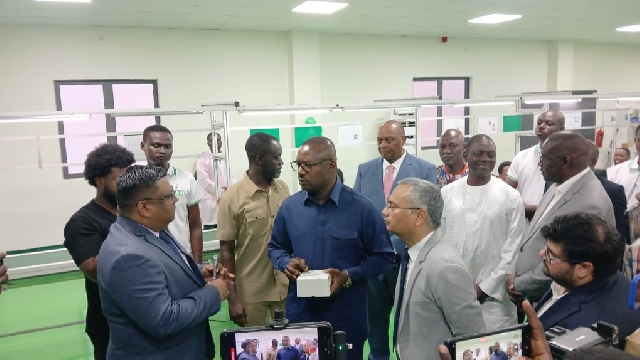
A sense of optimism filled the air in Tema as John Abdulai Jinapor, Minister for Energy and Green Transition, stepped to the podium at the opening ceremony of MBH Power Ghana Limited’s new meter manufacturing facility. Flanked by industry leaders and government officials, Mr. Jinapor wasted no time in outlining a bold plan to tackle what has become a persistent headache for Ghana’s power sector: meter shortages. “Metering is at the heart of fairness, transparency, and revenue protection in our electricity distribution chain,” the Minister declared. He acknowledged the frustration of consumers, some of whom have waited months for meters, and warned that ongoing supply challenges threaten not just customer satisfaction, but the very financial health of Ghana’s power utilities. To turn the tide, Mr. Jinapor announced a series of decisive interventions. He revealed that both the Electricity Company of Ghana (ECG) and the Northern Electricity Distribution Company (NEDCO) have been put on notice: they must urgently clear existing supply bottlenecks and streamline distribution. Local meter production will be ramped up to reduce reliance on imports and prevent chronic shortages. Furthermore, the ECG and Energy Commission have been given a strict seven-day deadline to resolve ongoing meter reading challenges. The Minister also highlighted technical upgrades, including transformer enhancements, to prevent overloads and outages, and promised strengthened systems for responding to consumer complaints more swiftly. Despite the hurdles, Mr. Jinapor reassured Ghanaians that the country’s power generation capacity is stable. “Over the past 11 months, significant capacity additions have ended load shedding,” he said, explaining that the present difficulties are rooted in distribution, not generation, and are being systematically addressed. The event also shone a spotlight on MBH Power Ghana Limited. Director Niket Goel recounted the company’s journey since 2007, noting its contribution to projects such as the supply and installation of shunt capacitors and participation in rural electrification drives. Mr. Goel expressed confidence that the new factory would not only help reduce power theft but also improve revenue collection for distribution and generation companies. He revealed ambitious plans to double the plant’s production capacity soon, underlining MBH Power’s commitment to Ghana’s long-term development. The ceremony, attended by dignitaries including Foreign Affairs Minister Samuel Okudzeto Ablakwa, marked a pivotal step towards more reliable, transparent, and accessible electricity for Ghanaians. Source: Apexnewsgh.com
Ministry Orders Urgent Probe Into Prepaid Meter Credit Depletion
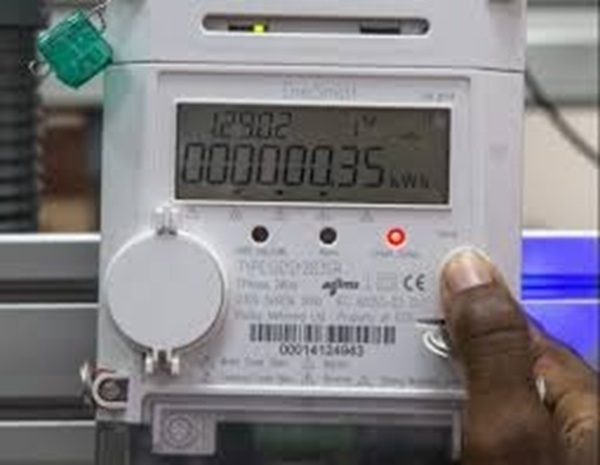
It was a restless week across Ghana as electricity consumers from all walks of life began to notice something unusual: their prepaid credits were vanishing at breakneck speed, almost as if their meters had caught a sudden burst of energy. The air was thick with speculation and frustration. Social media, especially X, buzzed with anxious voices comparing experiences and searching for answers. Richmond Rockson, spokesperson for the Ministry of Energy and Green Transition, soon acknowledged the uproar. In a public post, he echoed the nation’s concerns, describing how customers felt their prepaid meters were “running like Usain Bolt.” Recognizing the growing anxiety, Dr. John Abdulai Jinapor, Minister for Energy and Green Transition, decided that swift action was needed. He summoned the leadership of the Electricity Company of Ghana (ECG) and gave clear instructions: launch an immediate and thorough investigation into the rapid credit depletion, and deliver a comprehensive report within seven days. “The Minister of Energy and Green Transition, Dr. John Abdulai Jinapor, has taken notice of these complaints and has directed ECG to investigate and provide a report to him within 7 days for further action,” read the official statement. This directive brought a sense of hope and anticipation. For many, it signaled that their worries were being taken seriously at the highest level. The findings of ECG’s investigation are expected to shed light on the cause of the fast-draining credits and bring clarity to the nation’s electricity billing and metering systems. As Ghanaians await answers, all eyes are on the Ministry and ECG to resolve the mystery and restore confidence in the power supply system. Source: Apexnewsgh.com
Shea Butter in Indigenous Cooking Traditions and Community Food Systems

Shea butter is widely celebrated across the world for its remarkable skincare properties, but long before it found its way into global cosmetic industries, it held an equally important place in indigenous kitchens across northern Ghana and the wider Sahel. In many communities, shea butter is not merely a beauty product; it is food, culture, medicine, memory, and livelihood woven together in one golden substance. Its story in cooking traditions reveals a deep relationship between land, women’s knowledge, nutrition, and community resilience. The shea tree, scientifically known as Vitellaria paradoxa, grows naturally across the savannah belt of West Africa. For centuries, rural households have depended on it not only as a seasonal fruit but as a source of oil extracted from its nuts. In northern Ghana, particularly within the Upper East Region, shea butter has long been a foundational cooking fat, especially before the widespread introduction of imported vegetable oils and processed alternatives. It was the primary edible fat for frying, stewing, roasting, and even food preservation. The production of shea butter is traditionally the domain of women. From gathering fallen fruits under the trees during the harvest season to boiling, drying, cracking, roasting, grinding, kneading, and churning, the process is labor-intensive and deeply communal. Knowledge of correct fermentation times, roasting temperatures, and kneading techniques is passed from mothers to daughters, aunties to nieces. These methods are not random; they are refined through generations of observation and practice. The result is a rich, aromatic butter that carries not only nutrients but heritage. In indigenous cooking traditions, shea butter is prized for its distinctive flavor and high smoke point. It is used in preparing staple dishes such as tuo zaafi, green leafy soups, groundnut soups, beans, and millet-based meals. In some communities, fresh warm shea butter is poured over cooked tubers or mixed directly into porridge to enhance taste and caloric value. During festive seasons, shea butter plays a central role in preparing special meals served to guests, elders, and in-laws. Its presence signifies care, generosity, and authenticity. Beyond flavor, shea butter serves practical nutritional functions. Rural households historically relied on it as a dense source of dietary fat and energy, particularly during dry seasons when food supplies could be scarce. For farming families engaged in physically demanding labor, the energy provided by shea-enriched meals was vital. Traditional diets balanced grains, legumes, leafy vegetables, and shea butter, creating nutrient combinations that sustained communities long before modern nutritional science began analyzing food composition. Shea butter also intersects with traditional medicine and maternal care. In many northern Ghanaian households, postpartum meals are prepared with generous amounts of shea butter, believed to restore strength and warmth to new mothers. Certain herbs are fried in shea butter to prepare medicinal concoctions. For infants transitioning to family foods, softened shea butter is sometimes added to porridge to improve texture and nutritional content. Thus, the kitchen becomes both a culinary and a healing space. Colonial economic shifts and the formalization of the Gold Coast economy gradually altered local food systems. Imported goods, including refined vegetable oils, became symbols of modernization. Over time, some traditional cooking fats were stigmatized as “rural” or “old-fashioned.” Shea butter increasingly became commercialized for export, especially for cosmetic and industrial uses, sometimes reducing its visibility as a local cooking staple. Yet in many villages, its culinary importance never disappeared. Today, renewed sensitisation and community education efforts are helping to reconnect younger generations with traditional food knowledge. Workshops, festivals, and heritage documentation initiatives highlight the role of shea butter in ancestral cuisine. Women’s groups and cooperatives are not only improving processing techniques for higher quality production but also educating youth about indigenous recipes that rely on shea butter. This revival is not nostalgic romanticism; it is a practical strategy for food sovereignty. By valuing shea butter as food, communities strengthen local food systems. When families consume locally produced cooking fat, they reduce dependence on imported oils and retain economic value within the community. Women who process shea nuts generate income while preserving cultural knowledge. In many parts of northern Ghana, women’s shea cooperatives have become essential economic pillars, balancing both export markets and domestic supply. The same butter that nourishes international cosmetic brands continues to nourish local households. Climate change and environmental pressures make the shea tree even more significant. As a drought-resistant species, it thrives in semi-arid conditions where other crops may fail. Protecting shea parklands supports biodiversity, soil conservation, and long-term ecological stability. Communities that value shea butter in their kitchens are more likely to protect the trees in their fields. Thus, indigenous cooking traditions contribute indirectly to environmental stewardship. Documentation plays a critical role in safeguarding this knowledge. Oral traditions are powerful, but without deliberate recording, recipes and processing techniques risk fading as lifestyles change. Community-based research, museum exhibitions, radio programs, and school curricula can all contribute to preserving indigenous culinary heritage. When young people understand the science, history, and economic value behind shea butter, they are more likely to respect and continue these traditions. The cultural symbolism of shea butter extends beyond nutrition. In some communities, gifting shea butter signifies goodwill and solidarity. It is part of bride wealth exchanges, funeral contributions, and communal labor appreciation. The act of sharing food prepared with shea butter reinforces kinship bonds. Food, after all, is never only about sustenance; it is about belonging. Modern nutrition science increasingly validates what indigenous communities have long practiced. Shea butter contains beneficial fatty acids and fat-soluble vitamins. While moderation is important, traditional diets that integrate natural fats with whole grains and vegetables often provide balanced nourishment. Re-centering indigenous ingredients within contemporary food discussions challenges the assumption that imported or industrial products are inherently superior. Urbanization presents both challenges and opportunities. In cities, some consumers have begun rediscovering traditional foods as part of cultural pride and health consciousness. Restaurants that incorporate shea butter into authentic northern Ghanaian dishes help bridge rural and urban food cultures. Social media platforms amplify indigenous recipes, allowing younger audiences to engage creatively
Gold Fields Achieves 18% Surge in 2025 Gold Production, Cites Ghana as Key Contributor

Gold Fields has reported a remarkable 18 percent increase in gold production for 2025 compared to the previous year, delivering a strong performance across its global operations. Group Chief Executive Officer Mike Fraser shared the company’s results during an interview on Monday, February 23, expressing pride in the teams’ achievements worldwide. “We are very pleased with the operational delivery from our teams across the globe. We were able to deliver an increase of 18 percent in our production year-on-year compared to 2024,” Fraser said, attributing the growth to robust contributions from multiple regions. Fraser singled out Ghana as a vital part of Gold Fields’ global portfolio, describing the Tarkwa mine as a cornerstone of the company’s operations. In 2025, the Tarkwa mine produced nearly 475,000 ounces of gold. Although this marked a slight decrease from the previous year, Fraser explained that the dip was intentional, resulting from a strategic focus on waste stripping and capital development, efforts that are set to boost future production. Looking ahead, Fraser reaffirmed Gold Fields’ commitment to strengthening its global presence, with Ghana remaining central to the company’s long-term growth and investment strategy. Source: Apexnewsgh.com
Cement Prices Under Threat as Port Congestion Delays Clinker Discharge

Ghana’s construction sector is bracing for a potential hike in cement prices as severe congestion at the nation’s ports continues to stall the discharge of clinker, a vital ingredient in cement production. Industry insiders warn that the prolonged delays, forcing vessels to wait up to 20 days to berth, are leading to spiraling demurrage costs that could soon be passed on to consumers. The urgent situation prompted an emergency meeting on Monday, February 23, 2026, convened by Minister for Trade, Agribusiness and Industry, Elizabeth Ofosu-Adjare, alongside Minister for Transport, Joseph Bukari Nikpe. Cement manufacturers and key industry players gathered to address the operational gridlock that has left clinker shipments stranded for weeks, straining the sector’s finances. Bishop Dr. George Dawson-Ahmoah, CEO of the Chamber of Cement Manufacturers Ghana (COCMAG), painted a stark picture, describing the industry as financially “leaking” due to mounting demurrage charges. Manufacturers cautioned that unless immediate action is taken, the burden of these escalating costs will inevitably affect cement prices in the local market. While acknowledging ongoing dredging works at the port, industry players called for urgent interim solutions, such as temporary access to additional berths and the use of alternative berths for non-dust-producing raw materials like gypsum and slag. Minister Nikpe responded to these concerns by assuring stakeholders that the government is accelerating dredging activities to expand berth capacity. He explained that, with completion expected by the end of June, the port will soon be able to accommodate vessels over 20,000 tonnes—more than doubling current capacity and significantly reducing wait times. Partial relief is anticipated within the next two weeks as dredging progresses around Berth 14. Minister Ofosu-Adjare emphasized that port inefficiencies directly inflate production costs and, ultimately, market prices. “If we want good prices, we must also perform our part of the bargain to ensure that production costs remain efficient,” she urged, highlighting the broader need to address structural bottlenecks. AGI President, Pharm. Kofi Nsiah-Poku, praised the Ministers for their rapid intervention and collaborative stance, expressing hope that both immediate and long-term measures will restore efficiency and ease cost pressures for the industry. Still, until these improvements are fully in place, stakeholders warn that the ongoing port congestion and rising demurrage fees could drive cement prices higher, leaving consumers to bear the cost if the crisis is not resolved swiftly. Source: Apexnewsgh.com
President Mahama Furious Over Customs Truck Diversion Scandal, Vows Swift Action
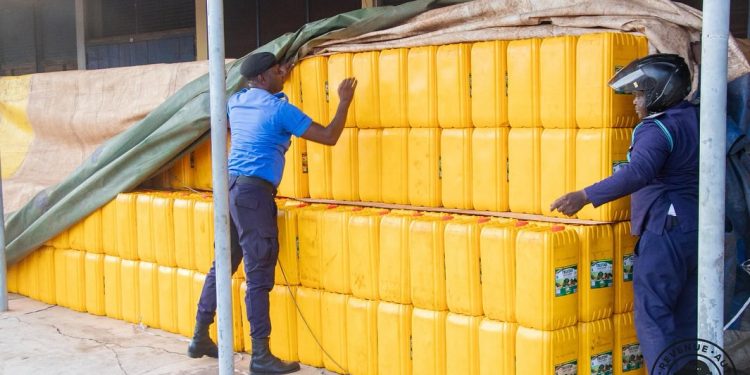
A tense atmosphere gripped the corridors of power after President John Dramani Mahama was briefed on a high-profile customs enforcement operation that intercepted articulated trucks suspected of being part of a transit diversion and revenue evasion scheme at Ghana’s borders. The operation, led by the Customs Division of the Ghana Revenue Authority (GRA), targeted trucks declared as carrying transit goods from Akanu and bound for Niger via Kulungugu. The investigation uncovered troubling breaches, including the failure to provide the mandatory customs human escort, fuelling suspicions of internal complicity. Deputy Minister for Finance, Thomas Nyarko Ampem, recounted on the Citi Breakfast Show how the President’s anger was palpable: “When we returned from the border, the President was waiting for us for feedback. He was so upset, and there is no way anybody involved in this is going to be treated with kid gloves.” Mr. Ampem stressed that the government would not tolerate any compromise by customs enforcement officers, who are entrusted with protecting Ghana’s borders and safeguarding national revenue. The message was clear: those found culpable would face sanctions, while officers who demonstrated integrity would be recognized and rewarded. “We want to send a very strong signal that our customs officers have the responsibility to ensure revenue and protect our borders. So, they should not be complicit in this,” Mr. Ampem stated. He further acknowledged that not all customs officers were involved in the alleged wrongdoing. Some, he noted, played a crucial role in uncovering the irregularities. “We want to reward good behaviours of customs officers and punish bad behaviours,” he added. As investigations continue, the government has pledged to intensify border enforcement and close revenue loopholes, ensuring that individual accountability is established and the integrity of Ghana’s customs operations is restored. Source: Apexnewsgh.com
Deputy Energy Minister Addresses Parliament on Rural Electrification and Power Stability
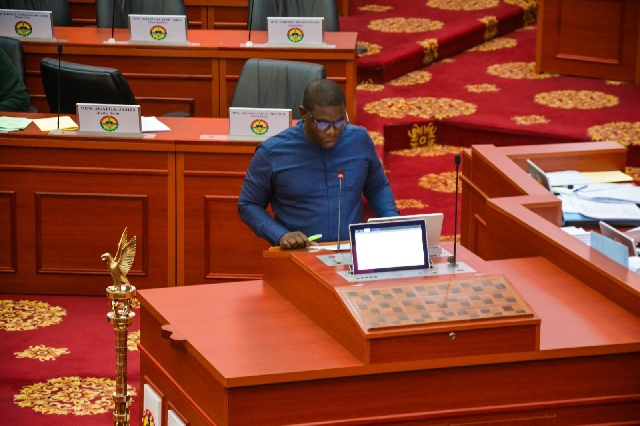
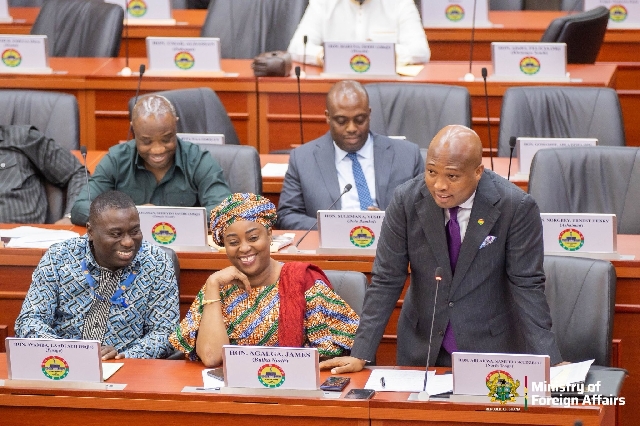
On Friday, February 20, 2026, the floor of Ghana’s Parliament was abuzz with questions about the nation’s energy future. Deputy Minister for Energy, Richard Gyan-Mensah, stood before lawmakers to address pressing concerns over rural electrification, grid expansion, and the stability of power supply. Representing the Minister for Energy, Dr. John Abdulai Jinapor, Mr. Gyan-Mensah detailed the Ministry’s ongoing initiatives to bring electricity to underserved communities and to strengthen the country’s power infrastructure. Members of Parliament sought updates on how far the government had come in expanding electricity access, what measures were being introduced to make the grid more reliable, and what steps were underway to stabilize power supply for homes and businesses across Ghana. In response, the Deputy Minister reaffirmed the government’s unwavering commitment to accelerating rural electrification projects. He highlighted efforts to expand transmission networks and reinforce distribution systems, critical steps aimed at reducing outages and improving service delivery nationwide. Mr. Gyan-Mensah emphasized that these efforts are not just about powering homes, but about ensuring equitable access to electricity for all, particularly those living in rural and peri-urban areas. These initiatives, he stressed, are vital to the government’s broader national development plans. The Ministry, he concluded, will continue to prioritize infrastructure investments and policy reforms to fortify Ghana’s energy sector and drive economic growth for years to come. Source: Apexnewsgh.com
NorthLite Solar Limited Hosts Cocktail Engagement to Celebrate 16 Years of Impact in Upper East Region

On a vibrant Friday evening, the headquarters of NorthLite Solar Limited in Zuarungu, Bolgatanga East, Upper East Region, transformed into a lively venue as clients, partners, and stakeholders gathered for a special cocktail engagement. The event, designed to foster connection and showcase NorthLite’s journey, marked another milestone in the company’s 16-year commitment to renewable energy and community upliftment. Mr. Adabre Akasoba Frank, the Chief Executive Officer, spoke passionately to Apexewsgh about the purpose of the gathering. “This event is mainly to socialize with the public and further share some of the packages offered by NorthLite Solar Limited,” he said. “We have been present in Bolga for 16 years; this is our headquarters. Here, we handle both off-grid and on-grid solar projects, always striving to touch lives and provide the best renewable energy services.” But NorthLite’s reach extends far beyond Bolgatanga. With a business location in Accra’s Airport City and a global office in Maryland, USA, NorthLite has established a footprint that enables them to attract investments and drive impact on a larger scale. Their mission? To deliver clean energy solutions tailored for both residential and commercial clients, while easing financial barriers through flexible, custom financing options. Partnerships with leading banks such as EcoBank, Stanbic, and Fidelity, as well as international financiers, allow NorthLite to support customers at every level. Importantly, NorthLite is dedicated to supporting vulnerable communities. “We are especially proud to help female farmers in pro-poor areas and ensure peri-urban communities gain access to electricity,” Mr. Frank explained. “Our approach is holistic; we engage people, understand their unique energy needs, and design products or services to meet them. Where financing is a hurdle, we intervene with pre-financed projects or even provide solutions free of charge, thanks to grants from multinational entities.” The impact of NorthLite’s work is visible throughout the Upper East Region and beyond. “Ten years ago, we might have reached a community school or a small clinic. Today, our services touch thousands, even in urban areas like Bolga,” Mr. Frank said with pride. Besides expanding access to electricity, NorthLite’s projects contribute to reducing CO2 emissions and making electricity a right for all, irrespective of income or location. The cocktail event also served as a platform for partners to share their experiences. Representatives from Stanbic Bank and EcoBank highlighted their ongoing collaboration with NorthLite, while clients such as Prof. David Millar of the Millar Institute and Akayet Hotel testified to the durability, reliability, and quality of NorthLite’s services. They encouraged other institutions to patronize NorthLite for their energy needs. As the evening unfolded, invited guests exchanged contacts and ideas, strengthening bonds across the renewable energy ecosystem. The event underscored NorthLite Solar Limited’s unwavering dedication to sustainable development, community empowerment, and creating lasting impact, one solar project at a time. Source: Apexnewsgh.com/Ngamegbulam Chidozie Stephen
Bank of Ghana Governor Calls for Long-Term Resilience in Financial Sector After Restoring Stability
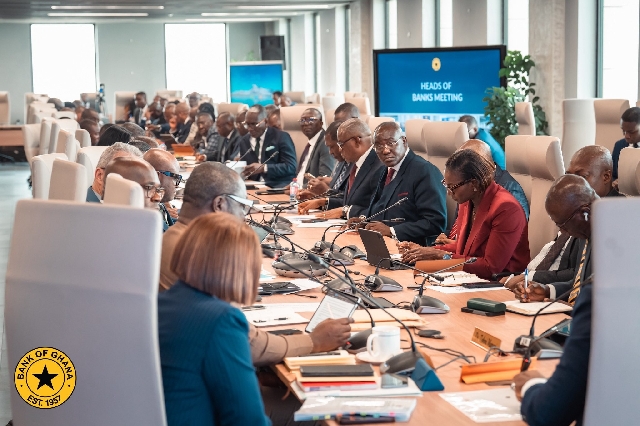
The Governor of the Bank of Ghana, Johnson Pandit Asiama, has declared that Ghana’s financial sector has successfully moved past the stage of restoring stability and now faces the challenge of building long-term resilience rooted in strong governance and sustainable business practices. Addressing heads of banks at a bi-monthly meeting on Wednesday, February 18, 2026, Dr. Asiama emphasized that while the sector has regained its footing, the focus must now shift to ensuring durability. “Stability has been restored. The task now is durability. Durability requires stronger business models, broader ownership, deeper intermediation, disciplined innovation, and sound governance,” he asserted. Dr. Asiama reassured industry stakeholders that the Bank of Ghana would remain a “firm, fair, and forward-looking partner,” providing support where needed but maintaining clear regulatory standards. The Governor also referenced the Monetary Policy Committee’s (MPC) recent decision, explaining that at its 128th meeting in January, the Committee reviewed improving global and local economic conditions before acting. With inflation declining faster than anticipated and expectations well anchored, the MPC determined that monetary conditions remained tight and, as a result, reduced the policy rate by 250 basis points to 15.50 percent. This move reflected growing confidence in Ghana’s macroeconomic recovery and easing inflationary pressures. Beyond monetary policy, Dr. Asiama revealed that the central bank had completed a thematic review of banks’ business models, focusing on funding sources, governance quality, and operational sustainability. He highlighted the need for continued structural reforms, particularly in strengthening cybersecurity frameworks to address rising digital threats. In a bid to deepen ownership and enhance market discipline, the Governor encouraged banks to consider raising capital through listings on the Ghana Stock Exchange. Dr. Asiama’s message signals a new era for Ghana’s financial sector, one where lasting resilience, innovation, and sound governance are at the forefront of industry priorities. Source: Apexnewsgh.com
FDA Shuts Down 16 Food Establishments in Greater Accra for Lacking Hygiene Permits
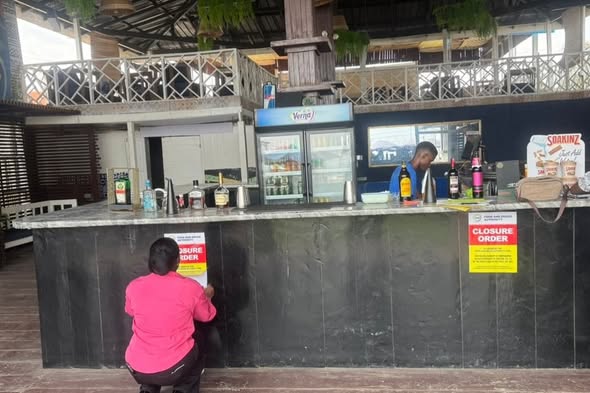
The Food and Drugs Authority (FDA) has taken decisive action to safeguard public health, shutting down 16 food service establishments in the Greater Accra Region for operating without valid hygiene permits. The closures, which took effect on Wednesday, February 18, targeted businesses that failed to meet regulatory requirements despite prior warnings. Among the affected facilities are The Cheesecake House, Dolce Frizzante, Onda, and Alora Beach Resort, along with several others. The FDA’s enforcement followed a two-week public notice, which cautioned that from February 1, 2026, any food service business without a valid Food Hygiene Permit would face closure. The announcement was made on the FDA’s official Facebook page, where the Authority reiterated its commitment to public safety and strict adherence to hygiene standards. The directive covers a wide array of food-related businesses, including restaurants, lounges, hotels, chop bars, snack bars, food vans, bakeries, event caterers, online food vendors, and canteens in schools, hospitals, and offices. By enforcing these regulations, the FDA aims to ensure that all establishments serving food to the public maintain the highest standards of cleanliness and safety. Source: Apexnewsgh.com