
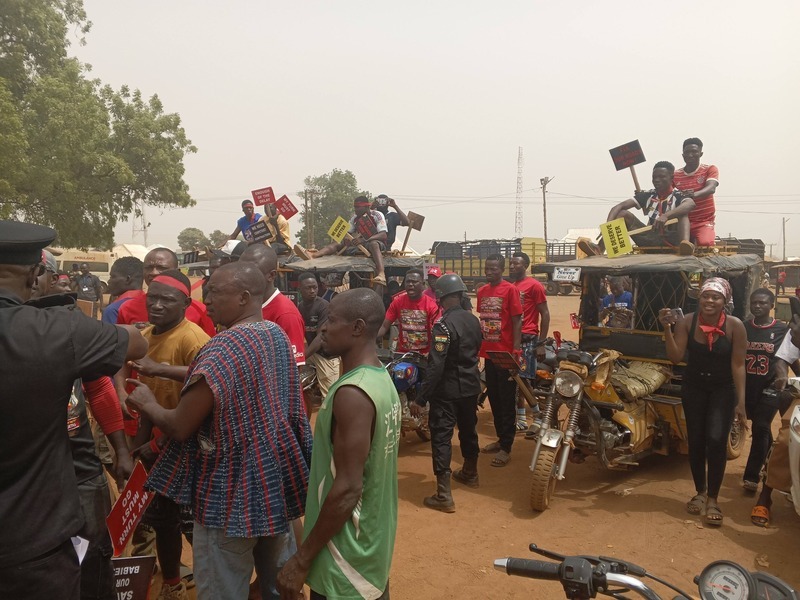








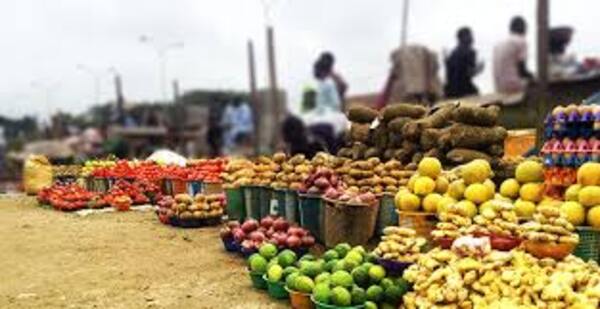
A sense of urgency gripped the agricultural community after grim reports surfaced: Ghanaian tomato traders, in search of produce in Burkina Faso, had been attacked by insurgents. The incident cast a spotlight on the dangers local traders face when crossing borders to secure agricultural goods and reignited debate over Ghana’s dependence on imports.
Amid the growing concerns, Anthony Morrison, Chief Executive Officer of the Chamber of Agribusiness Ghana, took to the airwaves on the Citi Breakfast Show, Tuesday, February 17, with a clarion call for government action. Morrison advocated for the establishment of a comprehensive national agriculture database, arguing that such a tool is critical to regulating imports and shielding local farmers from harmful market distortions.
He pointed out that Ghana’s continued reliance on imported agricultural commodities, even when local production is available, highlights a significant policy gap. “The Chamber has proposed over the last 10 years that, as a country, we have come of age, and there is a need for us to build an agriculture information database where we know how many fields are under production for every commodity,” Morrison explained.
According to him, a robust agricultural information system would empower authorities to better regulate imports, support local producers, and stabilise markets. Importantly, it could also help reduce the risks traders face when venturing outside the country for supplies. “If somebody comes to apply for a permit to import a certain quantity of a product, we use the database to tell the person that in the next month, these are the quantities that are going to be harvested locally so your 50,000 import permit cannot be approved,” he said.
Morrison emphasised that the lack of such a system leads to market disruptions and post-harvest losses, as imported crops often arrive just as local harvests are coming in. The Chamber, he said, has long championed a data-driven approach to guide decisions on import permits and safeguard the livelihoods of Ghanaian farmers.
His remarks served as a rallying cry to policymakers: the time has come for Ghana to harness the power of information to strengthen its agricultural sector and protect its people.
Source: Apexnewsgh.com