
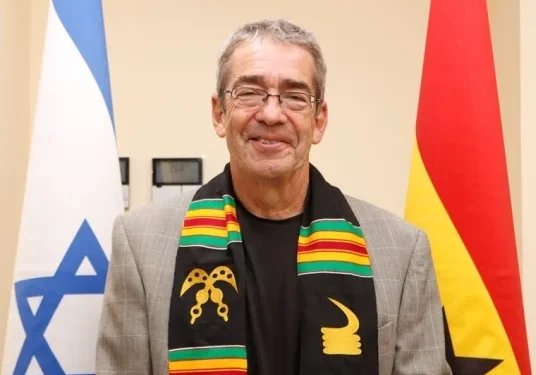

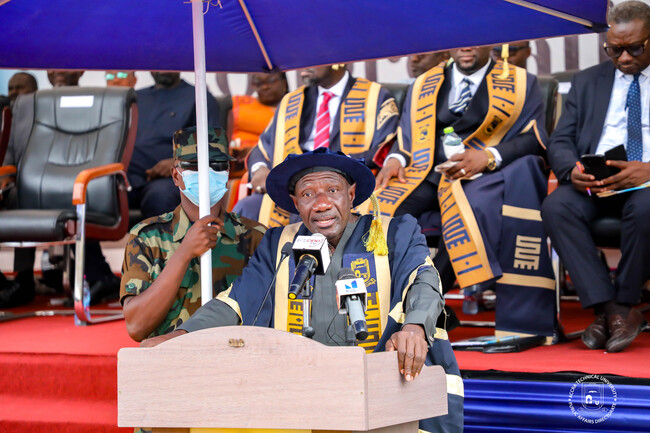
The Minister for Government Communications, Mr Felix Kwakye Ofosu, has assured Ghanaians that the government will uphold strict fiscal discipline even as restrictions on new domestic bond issuance have come to an end.
His assurance followed a recent announcement by the Minister for Finance, Cassiel Ato Forson, confirming the expiration of the three-year limitations on government borrowing from the domestic bond market, a restriction that had been imposed as part of Ghana’s economic programme with the International Monetary Fund (IMF).
Speaking on Newsfil on Saturday, March 7, Mr. Kwakye Ofosu explained that while borrowing is a normal and necessary part of economic management for most countries, Ghana’s past fiscal difficulties were the result of excessive borrowing and weak economic oversight under the former New Patriotic Party (NPP) administration.
He clarified that the IMF-imposed moratorium on new domestic bonds has now lapsed, legally allowing the government to access the local market when needed. “As part of the IMF programme, a ban was placed on the ability to borrow domestically for three years. That period elapsed some time last week, and therefore the government can return to the domestic market,” he stated.
However, Mr. Kwakye Ofosu stressed that this does not signal a reckless return to borrowing. “It does not mean that there will be a mad rush to the domestic market to borrow left, right and centre to imperil the economy,” he assured, emphasising that any new borrowing would be guided by the government’s commitment to prudent financial management.
He further highlighted the importance of directing borrowed funds into productive investments rather than recurrent expenditure, pointing out that investing in capital projects can spur economic growth and generate resources for sustainable development.
To reinforce fiscal discipline, Mr. Kwakye Ofosu outlined several reforms, including the introduction of commitment controls to scrutinise funding requests from government agencies, and the planned establishment of a Value for Money Office. This new office, he explained, will work alongside the Public Procurement Authority to ensure government procurement delivers real value for the state.
Mr. Kwakye Ofosu also noted that the government has already reduced the number of ministers and curtailed several operational costs, such as satellite TV services at the presidency and fuel allocations for senior officials, yielding significant savings.
He acknowledged that Ghana’s recurring fiscal challenges stem largely from overspending relative to national revenue, and dismissed claims that the country’s economic woes were due solely to the global COVID-19 pandemic. Instead, he attributed much of the fiscal strain to election-year spending in 2020, which forced Ghana into IMF negotiations and domestic debt restructuring.
With ongoing cost-cutting measures and a focus on responsible borrowing, Mr. Kwakye Ofosu maintained that the government’s return to the domestic bond market would not threaten the country’s economic recovery.
“Borrowing itself is not a problem,” he concluded. “It is the extent to which you borrow and how prudently you manage the resources.”
Source: Apexnewsgh.com