





The Pan African Lawyers Union (PALU) has drawn a sharp line in the sand; nations that choose to abstain or vote against Ghana’s landmark UN resolution on the transatlantic trafficking and enslavement of Africans will be remembered poorly by history.
The warning, delivered in a strongly worded statement dated March 18, 2026, signals growing continental resolve behind a resolution that has quickly become one of the most consequential diplomatic pushes of the year.
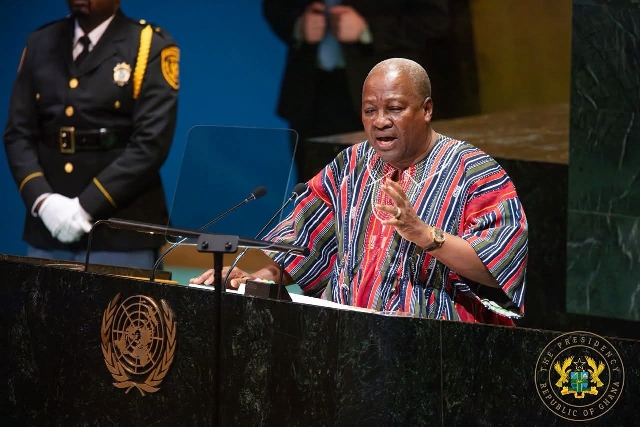
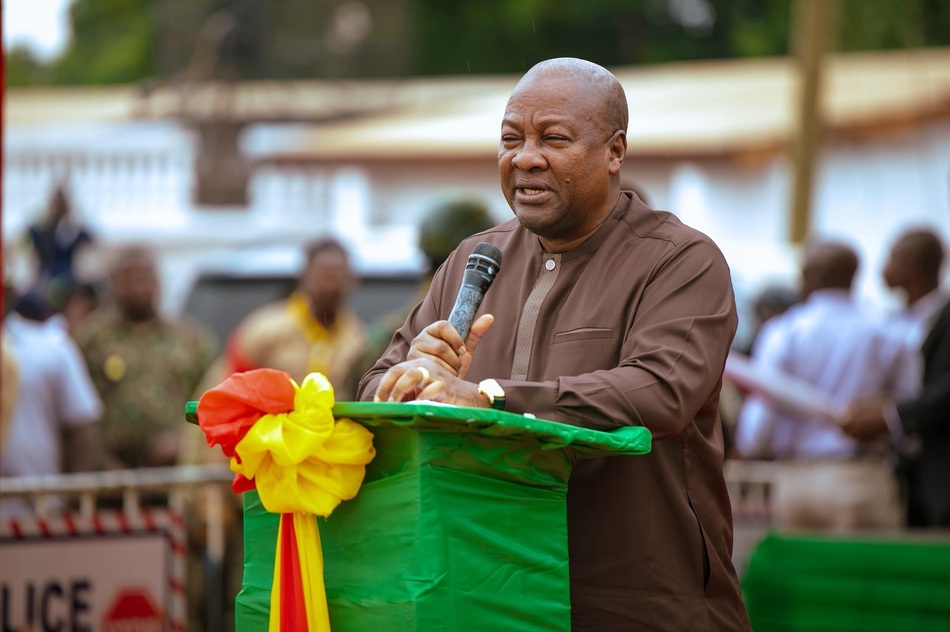
The resolution, championed by President John Dramani Mahama, seeks to secure formal recognition at the United Nations of the transatlantic slave trade as the gravest crime against humanity ever committed, a designation its proponents say is long overdue.
PALU’s statement made clear that this is not a debate about historical semantics. The organisation argued forcefully that the transatlantic slave trade was far more than a dark chapter in history, it was, in its words, a “foundational rupture” that permanently altered the course of human civilisation. The scale of the atrocity, its duration across centuries, and its deeply systemic nature set it apart, PALU contended, as an “absolute crime” whose consequences continue to reverberate across generations of African and diaspora communities to this day.
Central to PALU’s argument is the economic legacy of enslavement. The organisation pointed to the enormous wealth generated through the forced labour of millions of Africans, wealth that, it argued, lay the very foundations of today’s global infrastructure and fundamentally transformed political, legal, and economic systems the world over. To ignore this, PALU suggested, is to wilfully misread history.
Anticipating potential pushback at the UN, the organisation was careful to frame the resolution not as an attempt to rank or compare historical atrocities, but as an act of truth-telling, one that is indispensable to any genuine pursuit of justice, accountability, and reconciliation. For African nations and diaspora communities still navigating the socio-economic and cultural scars of enslavement, such recognition carries profound significance.
PALU’s message to the international community was unambiguous: the adoption of this resolution is both a moral and historical imperative, and a rare opportunity to advance healing and forge authentic global solidarity. Those who stand in the way, the organisation cautioned, do so at the cost of their place on the right side of history.
Source: Apexnewsgh.com