
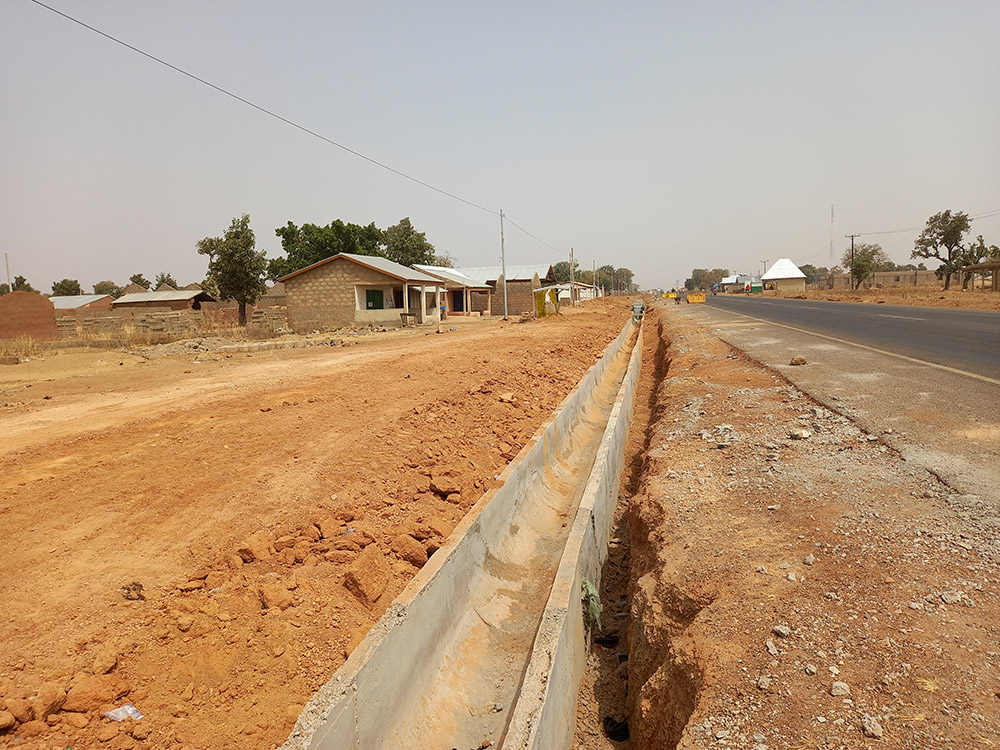

For over a century, the people of Ghana’s Upper East region have been waiting. Waiting for a road. Not just any road, but a road that was first laid out with human labor in 1909, during the era of British colonial rule. A road that, in 2026, remains unfinished. A road that has become the single greatest symbol of political betrayal in the Upper East region.
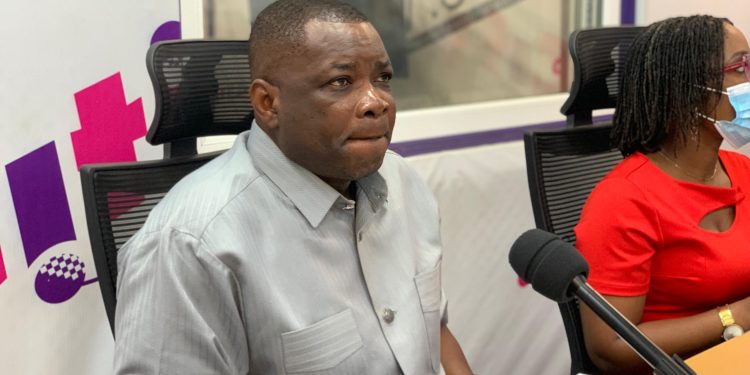
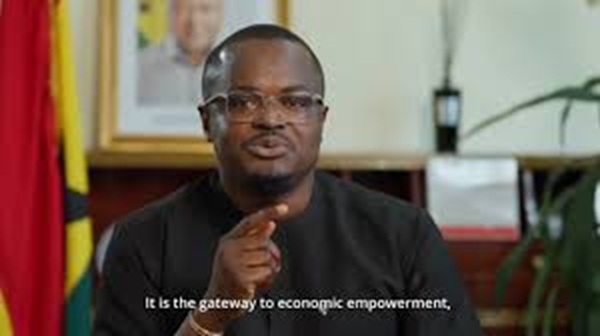
According to historian Mr. Christopher Azaare, the Bolgatanga–Bawku–Pulmakom Road has its origins in 1909, when British colonial administrators mobilized local chiefs to rally communities for its construction. That means this road predates Ghana’s independence by nearly five decades. Yet here we are, 117 years later, and the road still has not seen the light of day. He made the revelation in an exclusive engagement with Ngamegbulam Chidozie Stephen of Apexnewsgh during a segment dubbed SpeakOut Upper East(SoUE)
This is not simply a story about poor infrastructure. It is a story about a region that has been systematically failed by the very people entrusted to serve it.
Since the return of democratic governance in 1992, the Bolgatanga–Bawku–Pulmakom Road has been recycled as a campaign promise by successive governments. Both the New Patriotic Party (NPP) and the National Democratic Congress (NDC) have made it a fixture in their manifestos, a crowd-pleasing pledge rolled out at every election cycle to win the hearts of Upper East voters.
The pattern is painfully predictable. A party campaigns on completing the road. They win power. They do a little work on it. Then funding dries up, contractors abandon the site, and the road becomes “a story for another day.” The next government inherits the same road, the same promise, and the same cycle of disappointment begins again.
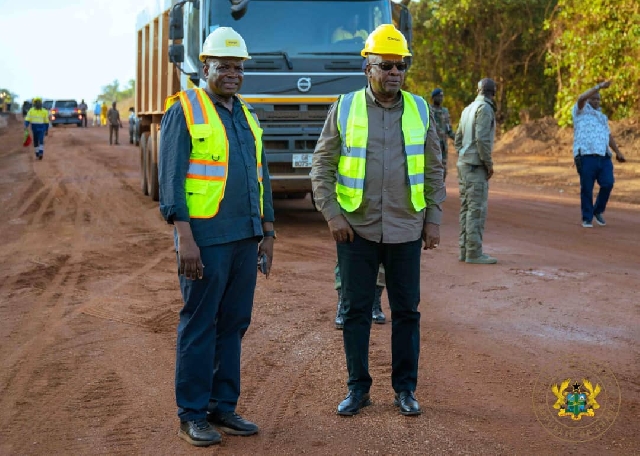
In 2016, the NDC government commenced construction with funding from the Road Fund, but the project stalled before they left office. The NPP administration that followed continued the work, only for contractors to once again leave the site due to a lack of funding. As of 2026, construction remains stalled.
What makes this situation particularly troubling is the attitude of some politicians toward those who dare to demand accountability. Journalists and citizens who raise the issue of the Bolgatanga–Bawku–Pulmakom Road are often branded as NPP or NDC sympathizers, a tactic that silences legitimate voices and shields politicians from scrutiny.
This deliberate politicization of development is not just irresponsible. It is a betrayal of the people of the Upper East region. When those in positions of authority treat development as a political weapon rather than a civic duty, it is the ordinary people who suffer, navigating dangerous, deteriorating roads year after year while their leaders trade promises for votes.
The Upper East region is not a battleground for political point-scoring. It is home to real people with real needs, people who deserve the same quality of infrastructure enjoyed by citizens in other parts of Ghana.
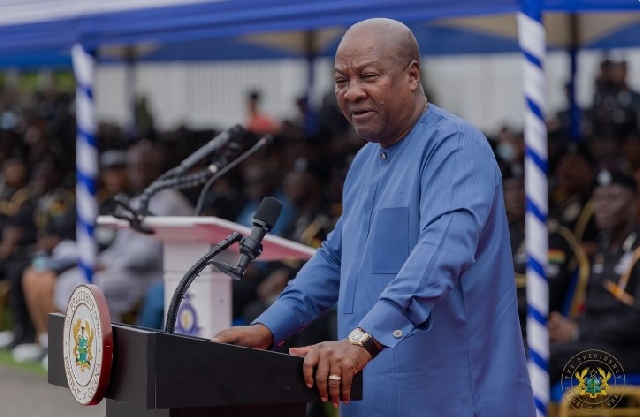
President John Dramani Mahama and the current NDC government must act decisively. Contractors who have abandoned the Bolgatanga–Bawku–Pulmakom Road must be recalled to site. Funding must be secured and protected. And this project must be completed, not as a political gesture, but as a matter of justice owed to a people who have waited 117 years too long.
A road that was started in 1909 should not still be making headlines in 2026 for all the wrong reasons. The people of the Upper East region deserve better. And it is long past time they got it.
Source: Apexnewsgh.com/Ngamegbulam Chidozie Stephen