
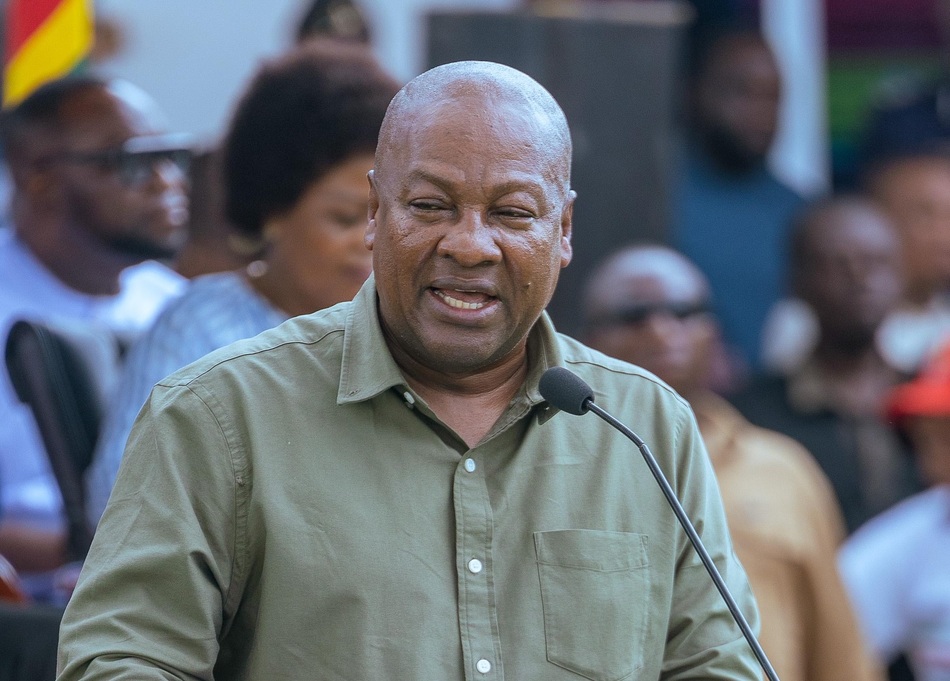




John Dramani Mahama has instructed that boards of State-Owned Enterprises (SOEs) and public institutions must immediately stop all international travel for training, retreats, conferences, and study tours funded by the state.
The directive, delivered through a circular from the Office of the President to all Ministers of State, comes amid rising concerns over the frequency and expense of overseas trips by board members and public officials. These travels, often involving large delegations and lengthy stays, have led to considerable spending on airfares, accommodation, per diems, and logistics, placing unnecessary strain on Ghana’s finances.
Government sources explained that the new policy is part of a wider strategy to enforce fiscal discipline, improve public financial management, and ensure the responsible use of national resources. From now on, boards of SOEs and public institutions are strictly forbidden from undertaking international trips for training or similar activities at the expense of the state.
Exceptions to this rule will only be made in rare circumstances where the engagement cannot realistically be held locally or through virtual means. In such cases, supervising ministers must submit a formal request to the President, justifying the need for the travel. The request must detail the purpose, expected outcomes, strategic importance to the institution’s mission, the number of participants, the total estimated cost, and reasons why the objectives cannot be achieved locally or online.
The government is urging Ministries and their agencies to prioritize local training sessions, in-country retreats, and partnerships with universities and reputable institutions within Ghana. Boards are also encouraged to explore virtual training, technical exchanges, and short-term expert engagements locally, instead of sending full delegations abroad.
Additionally, the directive calls on boards to focus on their core governance responsibilities and carefully evaluate the value, necessity, and cost-effectiveness of any capacity-building initiatives.
According to government officials, the main goal of the policy is to cut non-essential public spending and redirect scarce resources toward priority projects, infrastructure, and social interventions that will benefit Ghanaians more directly.
All ministers have been instructed to ensure that boards, CEOs, and management teams of SOEs and public institutions under their supervision are made aware of this directive and comply without delay.
Source: Apexnewsgh.com