



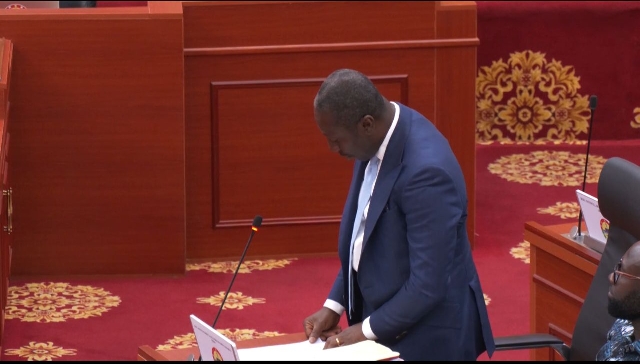



On Thursday, February 26, the chamber of Ghana’s Parliament buzzed with anticipation as lawmakers put their stamp of approval on a transformative new economic strategy: the Ghana Accelerated National Reserve Accumulation Policy (GANRAP).
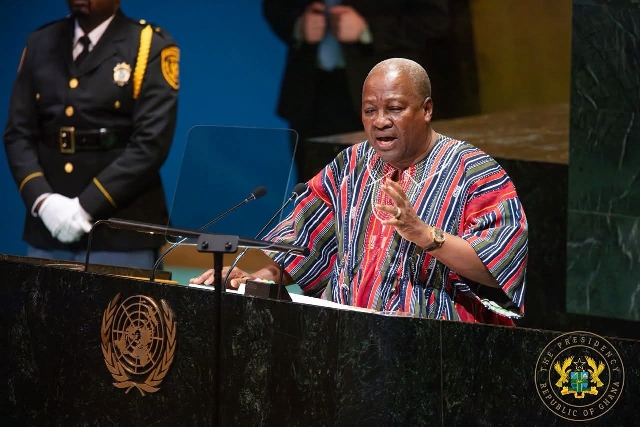
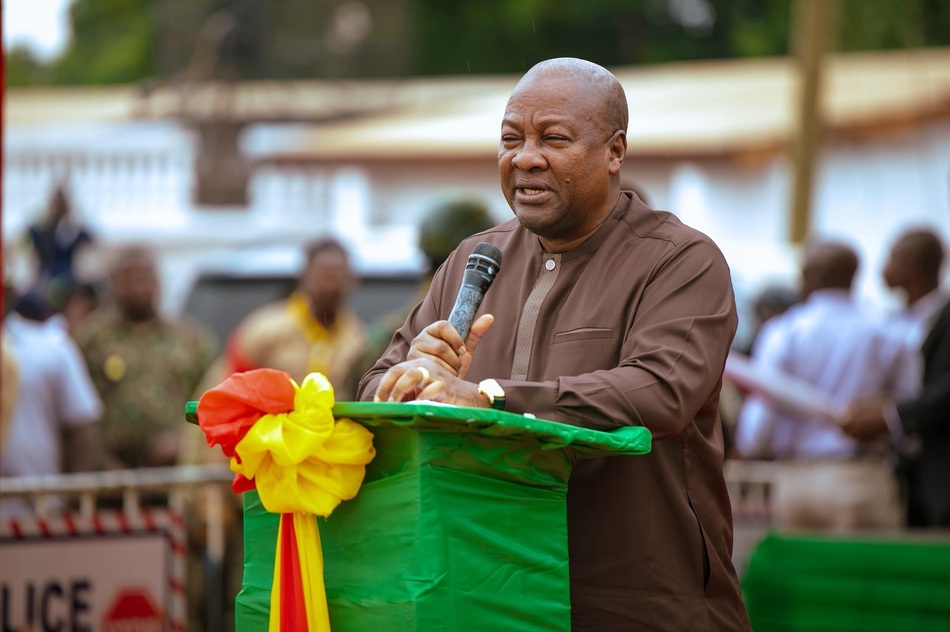
This landmark policy, which draws inspiration from the G-4-R framework pioneered by former Vice President Mahamudu Bawumia, marks a pivotal shift in the nation’s approach to building foreign reserves under the current NDC government.
The story of GANRAP’s approval began with Finance Minister Cassiel Ato Forson taking the floor. He presented the policy as a bold departure from the country’s long-standing habit of borrowing to shore up its reserves, an approach he criticized as unsustainable. Instead, Minister Forson outlined a future where Ghana’s abundant gold resources would be harnessed to strengthen its gross international reserves and build more robust external buffers.
According to the Minister, the government has set its sights on achieving a 15-month import cover by the end of 2028. The plan: to add an average of US$9.5 billion each year to Ghana’s reserves, driven by the acquisition of approximately 3.02 tonnes of gold every week. The Ghana Gold Board (GOLDBOD) is set to play a central role, sourcing gold from small-scale miners and exercising a state pre-emptive right to claim 20 percent of output from large-scale mining firms.
As Parliament debated the merits of the policy, members of the Finance and Economy Committees took time to acknowledge Dr. Bawumia’s visionary role in laying the conceptual foundation for a gold-backed reserve strategy. Many praised the focus on mobilising domestic resources and the emphasis on results-based management, core principles of the earlier G-4-R policy.
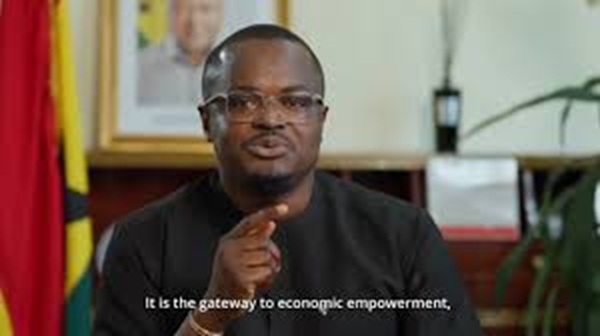
The narrative of continuity was further reinforced by Deputy Finance Minister Thomas Ampem Nyarko, who openly admitted that the gold-backed reserve concept was not entirely new, but had roots in previous administrations. Lawmakers across the aisle agreed that forging ahead with this strategy was essential for macroeconomic stability and investor confidence, highlighting the importance of building on good ideas, regardless of political origin.
With GANRAP now approved, Ghana embarks on a new chapter, one where gold, vision, and bipartisan collaboration converge to safeguard the nation’s economic future.
Source: Apexnewsgh.com