
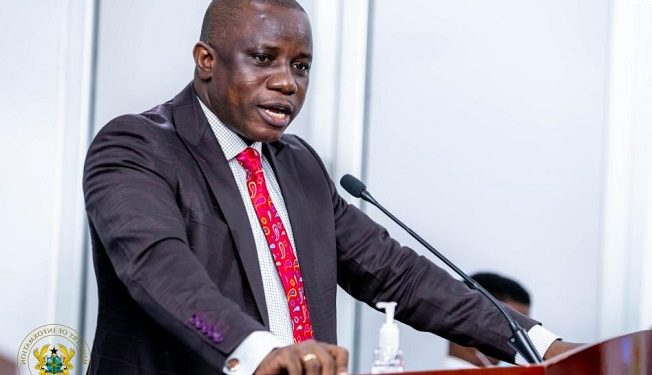




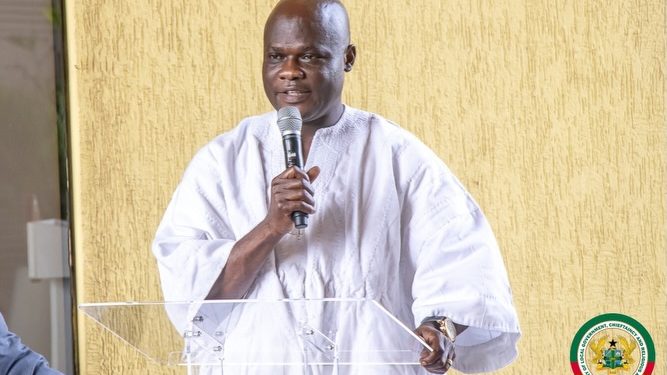
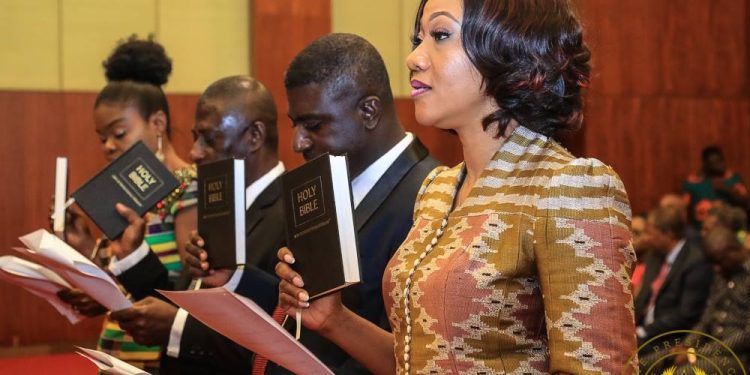
It was a momentous occasion at the 2026 Africa Trade Summit, where President John Dramani Mahama stood before a distinguished audience and painted a bold vision for Africa’s industrial future. At the heart of his address was the African Continental Free Trade Area (AfCFTA), which he hailed as the most ambitious integration project ever undertaken on the continent.
With passion, President Mahama described the AfCFTA as a game-changer, uniting over 1.3 billion people into a single market and positioning Africa as a serious player in global manufacturing and investment. He emphasized that, for decades, African economies had remained fragmented, limiting their ability to compete on the world stage. But with the AfCFTA, he explained, countries now had a unique opportunity to build industries capable of serving both regional and international markets.
Ghana, he proudly noted, had the honour of hosting the AfCFTA Secretariat and was among the first countries to trade under the agreement’s new preferences. Yet, President Mahama cautioned, the benefits of a continental free trade area would not materialize automatically. He urged African leaders to anchor the AfCFTA within robust development strategies, linking it to industrial policies, infrastructure investment, support for enterprise growth, and trade facilitation reforms.
“Without these complementary measures,” he warned, “market integration will remain a theory rather than a driver of prosperity.”
He went on to stress that true industrialisation could not thrive within the confines of isolated national markets. Instead, Africa’s future, he argued, depended on building regional value chains—integrating production processes across borders so that, together, African countries could develop strong and competitive industries.
President Mahama outlined the vital enablers needed for this transformation: investment in transport corridors, energy and digital infrastructure, and harmonised regulations. These, he said, would lower business costs, boost connectivity, and make seamless intra-African trade a reality.
As his speech drew to a close, President Mahama left his audience with a challenge: to move beyond signing agreements and to focus on implementation that would drive industrial growth and shared prosperity. The AfCFTA, he said, was more than a vision—it was Africa’s historic opportunity to reshape its economic destiny.
Source: Apexnewsgh.com