



Echoes of the Past, Hope for the Future: Alagumgube Association Joins Emancipation Day at Paga Slave Camp
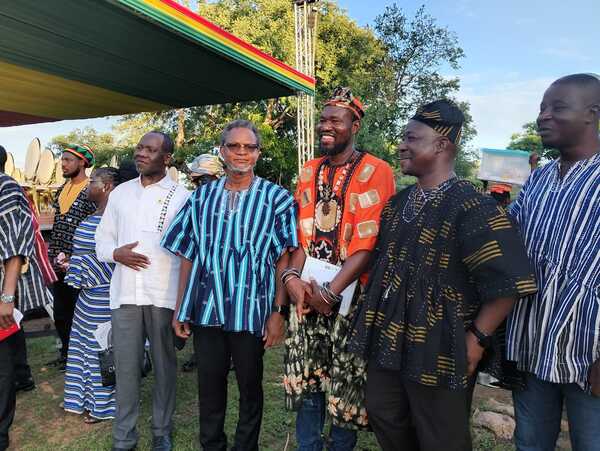
The sun rose over the ancient baobab trees of the Kassena-Nankana West District, casting long shadows across the weathered stones of the Paga Slave Camp. It was a morning heavy with memory, and purpose. As the 2026 Emancipation Day celebrations began, the historic Oikworo Slave Camp stirred to life. Traditional chiefs in their finest kente cloth mingled with government officials, while the rhythmic beat of talking drums welcomed members of the African diaspora who had journeyed from across the ocean to stand on the very ground where their ancestors once suffered. Among the gathering stood a delegation that carried the hopes of the Upper East Region’s cultural preservation. The Alagumgube Association had arrived. Led by Acting Chairman Atibila Aloysius, the group moved through the crowd with quiet determination. Beside him stood Madam Prisca Naam Boma Yenzie, her presence a testament to the women who had kept their ancestors’ stories alive through generations. Apalazo-eya Joshua and other members fanned out among the attendees, their faces reflecting both the weight of history and the fire of commitment. The commemoration was not merely a ceremony, it was a journey. As participants walked the guided tours through the slave camp, they traced the footsteps of millions who had been torn from their homes. The stones seemed to whisper tales of resilience, of families shattered and spirits that refused to break. Cultural performances erupted across the grounds. Dancers in vibrant smocks told stories through movement, their feet pounding the earth in a rhythm that connected the present to the past. Traditional songs rose above the gathering, melodies that had survived centuries of sorrow to become anthems of triumph. The Alagumgube delegation listened intently as speakers took the podium. Messages of peace and unity wove through the air like threads of a grand tapestry. Reconciliation, development, and the power of remembering, these were the themes that bound the diverse gathering together. When it was their turn to speak, Acting Chairman Atibila Aloysius stepped forward with the weight of his Association’s mission on his shoulders. “We stand here not just to remember,” he declared, his voice carrying across the crowd, “but to act. The preservation of our heritage is the preservation of our identity. The Alagumgube Association is committed to protecting these monuments, educating our youth, and building a future that honors our past.” As the afternoon sun softened into gold, the delegation engaged with stakeholders from across the globe. Development partners took note of the Association’s vision. Cultural institutions exchanged contact information, eager to collaborate. The diaspora members, many with tears in their eyes, embraced their Ghanaian hosts, the bonds of shared heritage unbreakable. By day’s end, the echoes of the slave camp had been transformed. What was once a site of suffering had become a beacon of hope, a place where tourism meets education, where economic opportunity grows from historical preservation, and where the wounds of the past find healing in the promise of the future. The Alagumgube Association departed with renewed purpose. Their commitment to the Upper East Region’s cultural and historical heritage burned brighter than ever. They had come to commemorate. They left determined to collaborate, with government institutions, traditional authorities, and development partners—to ensure that the stories of their ancestors would never be forgotten, and that the landmarks that told those stories would stand strong for generations to come. In the fading light of that Emancipation Day, the Association’s delegation looked back at the Paga Slave Camp one last time. The shadows had grown long, but the hope shining from the old stones was brighter still. Source: Apexnewsgh.com
We are solidly in support of President Mahama’s Decision–Alagumgube
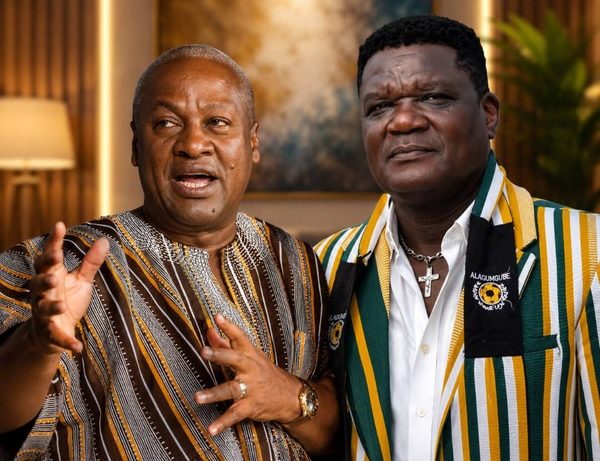
The leader of the Alagumgube Association, Mr. Gabriel Agambila, has voiced strong support for the President John Dramani Mahama’s decision to decline a visit from South African President Cyril Ramaphosa. According to Mr. Agambila, this move sends a clear message about the need for accountability in the wake of xenophobic violence committed by South Africans against other Africans, including Ghanaians. Mr. Agambila made his remarks following public commentary by Kwesi Pratt Jr., managing editor of the Insights newspaper. Mr. Pratt, speaking on Metro TV’s Good Morning Ghana on July 8, 2026, criticized the Ghanaian government’s handling of diplomatic discussions with South Africa. He argued that the public disclosure of confidential exchanges between the two governments was damaging to the ideals of African unity and detrimental to Ghana’s diplomatic reputation. “The optics are bad,” Mr. Pratt said, emphasizing that international relations rely on trust and that sensitive discussions should not be leaked into the public domain. In contrast, Mr. Agambila insisted there was nothing wrong with the President’s decision. He argued that President Ramaphosa had failed to address or curb the xenophobic actions of his countrymen, instead appearing indifferent or even supportive by being seen taking pictures with those perpetrating the violence. For Mr. Agambila and the Alagumgube Association, the refusal to welcome President Ramaphosa is a principled stand. “If he truly valued other African countries such as Ghana, he would know what to do to his people who took laws into their own hands by killing innocent Africans just because they find themselves in South Africa,” Mr. Agambila asserted. The leader concluded that the Alagumgube Association stands firmly behind the President’s choice, believing it upholds both the dignity and safety of Ghanaians and sends a strong message about the importance of leadership and responsibility on the African continent. Source: Apexnewsgh.com
Alagumgube Association Rallies Behind “LA Buuri Yela” at Official Launch
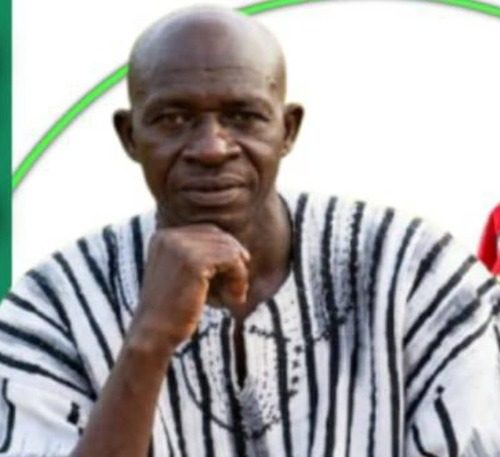
In a colourful ceremony that blended academic excellence with community pride, the official launch of “LA Buuri Yela”, a new Ghanaian language book for Basic Schools approved by the National Council for Curriculum and Assessment (NaCCA), was held to honour the remarkable dedication of author Issaac Akariborga. The event was not just a book launch but a celebration of perseverance. Mr. Akariborga, a past student of the School of Languages and currently a university student, wears another vital uniform: that of an officer with the Ghana National Fire Service. His ability to juggle academic advancement, public service, and authorship drew enthusiastic praise from attendees, who hailed him as an inspiration for promoting Ghanaian language education under the newly approved curriculum. Strong community backing came from the Alagumgube Association, which demonstrated its commitment by donating GH₵10,000 plus an additional GH₵400 to ensure the launch’s success. Speaking on behalf of the association’s founder and members abroad, PRO Paulina Adabre reaffirmed the group’s unwavering support for education and community development. Presiding over the programme, chairman Naba Sadick Ayine commended the Alagumgube Association for its numerous community development projects. The climax of the event came when the Ghana Education Service Director officially accepted the book, applauding Mr. Akariborga for his hard work and significant contribution to education in Ghana. Source: Apexnewsgh.com
Alagumgube Fires Back at Greater Accra Minister Over “Northern Transfer” Comment

Popular social commentator and founder of Alagumgube Mr. Gabriel Agambila has strongly criticised Greater Accra Regional Minister Linda Obenewaa Akweley Ocloo over comments suggesting that officers who approve illegal buildings could be transferred to Northern Ghana as punishment. The minister’s remarks, made during a meeting with city authorities amid ongoing efforts to tackle unauthorized structures and poor urban planning in Accra, have sparked widespread backlash across the country. According to reports, Linda Ocloo warned that officials who continue to sanction illegal developments may be reassigned to the northern part of Ghana. Reacting sharply to the statement, Alagumgube described the comment as unfortunate and disrespectful to people living in the northern regions. He argued that portraying Northern Ghana as a place of punishment only reinforces harmful stereotypes and threatens national cohesion. “The North is not a punishment zone,” he stressed, insisting that every region in Ghana deserves equal respect and recognition regardless of geographical location or level of development. Alagumgube further called on public officials to be measured in their public comments, especially on matters capable of creating division among citizens. According to him, leadership must promote unity and inclusion rather than deepen regional sentiments through careless remarks. The controversy has since generated heated public debate, with political figures, civil society groups, and social media users condemning the minister’s statement. The Minority Caucus in Parliament also joined calls criticising the remarks and demanding greater sensitivity from government appointees. Following the growing backlash, Linda Ocloo has apologised for the comment, explaining that it was a slip of the tongue and was never intended to demean people from Northern Ghana. Despite the apology, the incident has reignited conversations about regional discrimination, national unity, and the need for public officials to exercise caution in their public communication. Source: Apexnewsgh.com
Alagumgube Calls for Timely Sod-Cutting of Upper East Airport as Workers Mark May Day
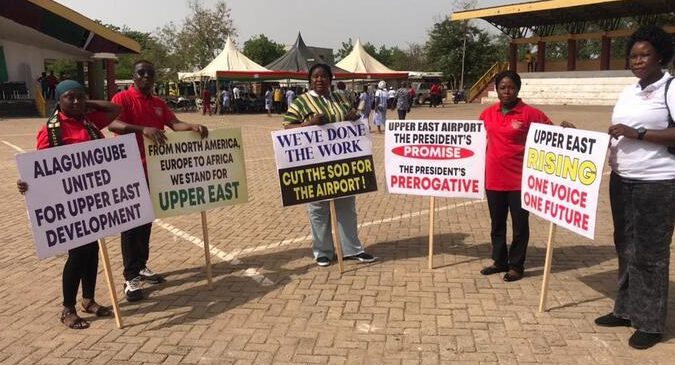
A diaspora-based language and development association, Alagumgube, has used this year’s May Day celebration to renew its call for the swift sod cutting of a proposed airport in the Upper East Region. In a press statement issued during the 2026 May Day observances, the association, founded in New Jersey, USA, by indigenes of the Upper East Region, said it proudly joined workers across Ghana and beyond to commemorate the day. Alagumgube, which has seven active branches and a growing footprint in Africa, noted its continued commitment to advocating for the socio‑economic development of the Upper East Region. The group said its efforts have already contributed to key milestones, including the establishment of a Passport Office in the region. Currently, the association’s major focus is the development and sod‑cutting of an airport in the Upper East Region. Through sustained advocacy, stakeholder engagement, and collaboration with government, the project has gained national attention, according to the statement. Technical teams have assessed the proposed site, and significant preparatory work has been undertaken. On the other hand, Alagumgube is appealing for a bypass to ease traffic flow through Bolgatanga, citing the heavy trucks that pass through the city en route to other neighbouring countries. “As we participate in the May Day march, we reaffirm our call for the timely sod cutting of the Upper East Airport, which we believe will enhance connectivity, create jobs, and accelerate regional development,” the statement read. Alagumgube said it stands united in purpose, both in the diaspora and at home, working together to build a stronger and more prosperous Upper East Region. Source: Apexnewsgh.com
Adongo Commends Alagumgube for Championing Upper East Airport Project
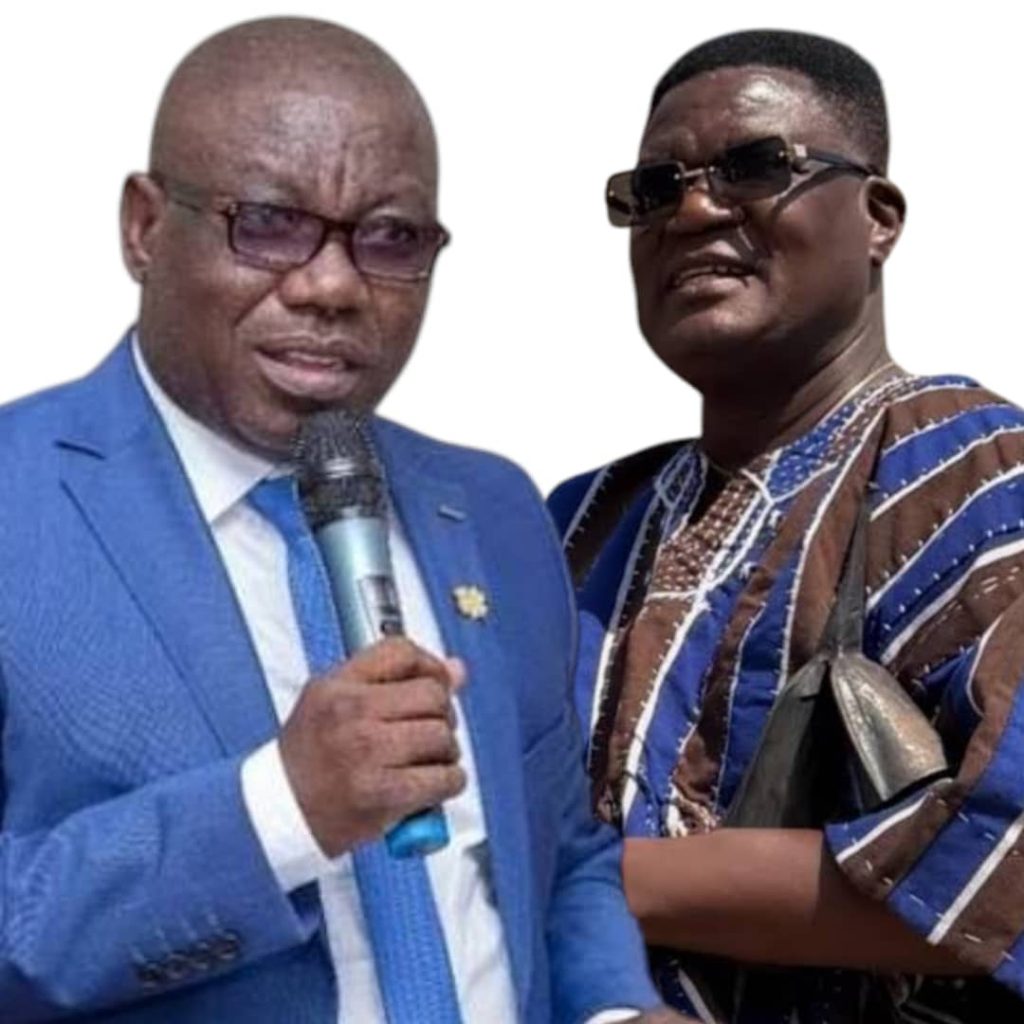
The Member of Parliament for Bolgatanga Central, Isaac Adongo, has lauded the advocacy group Alagumgube for its unwavering commitment to development in the Upper East Region, particularly its efforts in pushing for the demarcation of land for the proposed Upper East Airport. Speaking in an exclusive interview with Dreamz FM, a local radio station in the regional capital, Mr. Adongo praised the group’s dedication and influence in championing critical development issues that affect the people of the region. He acknowledged that Alagumgube’s persistent advocacy has played a significant role in advancing discussions and galvanizing action toward securing land for the long-awaited airport project, an initiative expected to drive economic growth and improve connectivity across the Upper East Region. Beyond the airport campaign, the group, led by Mr. Gabriel Agambila, has made tangible contributions to the region through its own resources, most notably facilitating the establishment of a Passport Application Office for the people of the Upper East Region. The feat stands as a testament to what community-driven advocacy can achieve when pursued with focus and determination. Mr. Adongo underscored the broader importance of such grassroots initiatives, noting that community-led efforts are critical in accelerating development and ensuring that key projects receive the necessary attention from relevant authorities. He called on other groups and stakeholders across the region to take a cue from Alagumgube’s proactive and results-oriented approach, urging them to champion development projects with the same level of vigor and commitment. As the push for the Upper East Airport continues, the MP’s public endorsement of Alagumgube signals growing momentum behind the project and highlights the vital role that civil society organizations play in driving regional development agendas. Source: Apexnewsgh.com
Alagumgube Endorses Mahama’s Proposed Toll System, Calls for Transparent Electronic Payment Infrastructure
Development Association Outlines Comprehensive Vision for Road Tolls, Energy Conservation, and Accountable Governance. In a bold intervention that has sparked conversation across Ghana’s policy circles, the developmental association Alagumgube has thrown its weight behind President John Dramani Mahama’s proposal to reintroduce road tolls, while simultaneously calling for a complete overhaul of how such collections would be managed to prevent the corruption that plagued previous systems. Gabriel Agambila, founder of Alagumgube Global, has articulated a detailed vision that combines infrastructure development with technological innovation and fiscal responsibility. Speaking on behalf of the association, Agambila emphasized that while toll collection should return, it must be implemented through modern electronic systems that leave no room for revenue leakage. A Modern Vision for Road Tolls “Alagumgube fully supports His Excellency John Dramani Mahama’s thinking about reintroducing the toll system in this country,” Agambila declared. “This would go a long way in putting money back into the system to help maintain existing roads and construct new ones, which will further boost the road industry and create employment opportunities for Ghanaians.” The association’s endorsement comes at a crucial time when Ghana’s road infrastructure faces mounting maintenance challenges despite increased vehicle usage and road deterioration. Agambila noted that the previous removal of tolls, while popular with some segments of the public, has created funding gaps that leave roads in various states of disrepair across the country. However, Alagumgube’s support comes with significant caveats and recommendations designed to ensure that toll revenues serve their intended purpose rather than disappearing into private pockets as has happened with various revenue collection mechanisms in the past. The EZ-Pass Revolution At the heart of Alagumgube’s proposal is the implementation of an automated toll collection system similar to the EZ-Pass used in parts of the United States and similar electronic toll collection systems employed successfully around the world. “We are calling on the Minister for Roads and Transport and whoever is in charge of the Driver and Vehicle Licensing Authority (DVLA) to link all number plates to the credit or debit cards of vehicle owners,” Agambila explained. “This would allow funds to be directly deducted from those accounts automatically when vehicles pass through toll booths.” The proposed system would eliminate the need for physical cash transactions at toll points, significantly reducing opportunities for leakage and corruption while also improving traffic flow. Vehicles would pass through designated lanes equipped with cameras and sensors that read number plates and automatically process payments from linked accounts. Agambila stressed that this technological infrastructure must be fully operational before any toll collection begins. “If we don’t put this system in place first, we will, as usual, be putting money into the pockets of a few individuals to the detriment of the whole country. We have seen this pattern repeat itself too many times in Ghana’s history.” Accommodating International Traffic Recognizing that Ghana’s roads are used not only by locally registered vehicles but also by trucks and cars from neighboring countries, Alagumgube has proposed a practical solution for handling international traffic whose owners may not have Ghanaian bank accounts accessible to the electronic system. “We are asking that a single lane at each toll point be reserved for trucks and cars from foreign countries whose accounts might not be accessible to our system,” Agambila suggested. “This would allow for manual processing where necessary while maintaining the integrity of the electronic system for the majority of vehicles.” This accommodation demonstrates the association’s thoughtful approach to implementation challenges, acknowledging that a hybrid system may be necessary during transition periods and for specific categories of road users. Investing in Aviation Infrastructure Perhaps most notably, Alagumgube has proposed that a portion of toll revenues be directed toward specific aviation infrastructure projects, particularly in northern Ghana. The association is calling for designated funds from toll collections to be allocated to the maintenance of the Sunyani Airport and the completion of the Bolgatanga Airport. “The Bolgatanga Airport project was started by our association, and we have a vested interest in seeing it completed for the benefit of the Upper East Region and indeed all of Ghana,” Agambila stated. “Aviation infrastructure in the north has lagged behind for too long, and this represents an opportunity to address that imbalance using revenues generated from road users.” This proposal reflects Alagumgube’s broader developmental vision, which extends beyond road infrastructure to encompass comprehensive transportation networks that can stimulate economic activity across all regions of the country. Implementation Support In a gesture that underscores the association’s commitment to national development, Agambila announced that Alagumgube stands ready to assist the government in implementing these programs. “The doors of our association are open to helping implement these systems for the country. We have members with expertise in technology, infrastructure development, and public policy who are willing to contribute their time and knowledge to ensure that Ghana gets this right,” he said. This offer of technical assistance could prove valuable to government agencies that may lack the specialized knowledge required to implement sophisticated electronic toll collection systems. Addressing Energy Waste Among Appointees Beyond transportation infrastructure, Alagumgube has raised serious concerns about what it describes as wasteful energy practices among government appointees. The association has called attention to behaviors that not only waste public resources but also demonstrate a disconnect from the realities faced by ordinary Ghanaians. “Our second concern is the waste of energy by appointees who have suddenly forgotten where they came from,” Agambila observed. “These appointees leave their vehicles running for hours while they are seated at programs, as if they descended from a cold climate where this would be necessary. Some of them even have their vehicles running continuously while they are comfortably seated in their air-conditioned offices.” The association has proposed a simple solution to this unnecessary fuel consumption: better communication between appointees and their drivers. “There should be no problem texting your driver five or ten minutes before you need to depart to start the vehicle,” Agambila suggested. “This simple practice would save thousands of cedis in
Alagumgube Founder Urges Ban on Suits in Parliament
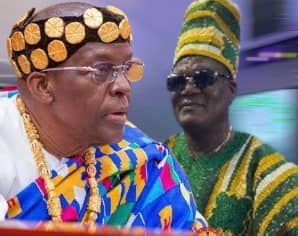
In a move stirring both nostalgia and national pride, Mr. Gabriel Agambila, founder of the cultural advocacy group Alagumgube, has issued a heartfelt plea to President John Dramani Mahama and Speaker of Parliament Alban Bagbin: ban the wearing of suits during parliamentary sessions. Mr. Agambila’s appeal, delivered with passion and conviction, drew attention to the economic and cultural implications of the current parliamentary dress code. He argued that imported suits, often seen as symbols of status, do little to support Ghana’s local industries. “Every cedi spent on a suit is a cedi sent abroad,” he remarked, emphasizing that the cost of a single high-quality suit could provide a week’s worth of locally crafted smocks or Kentucky-style traditional outfits. He explained how these Ghanaian garments, not only more affordable but also rich in heritage, could be rotated throughout the week, benefiting local textile producers, tailors, and artisans. For Mr. Agambila, the shift from foreign suits to indigenous attire represents more than just a change in fashion; it’s a strategy to channel economic benefits directly back into Ghanaian communities and revitalize the nation’s textile and garment sector. But his vision extended well beyond the walls of Parliament. Mr. Agambila urged religious institutions to join the movement by declaring the last Sunday of each month as a “traditional fabric wear day,” encouraging worshippers across the country to don Ghanaian fabrics in a show of unity and cultural pride. He also encouraged both public and private institutions to mandate the wearing of local fabrics every Friday, seeing this as a powerful weekly boost for the industry and a meaningful show of support for the nation’s artisans. Education, too, featured in Mr. Agambila’s plan. He called on the Minister of Education, Haruna Iddrisu, to craft policies requiring the use of traditional or locally made fabrics as part of school uniforms or on special days, helping to instill cultural appreciation from a young age. With his passionate advocacy, Mr. Agambila is not just questioning the dominance of Western attire in Ghana’s corridors of power; he is championing a movement that celebrates Ghanaian identity and seeks to empower local industries, one smock at a time. Source: Apexnewsgh.com
Controversy Erupts Over Upper East Regional Airport Project as Alagumgube Association Cries Foul Over Betrayal
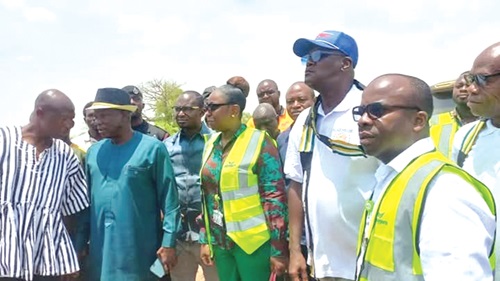
A simmering controversy has erupted over the much-anticipated Upper East Regional Airport project, with the region’s leading advocacy group, the Alagumgube Association, accusing the Regional Minister, Donatus Atanga Akamugri, of sidelining them at a critical stage of the project’s development. The dispute has cast a shadow over what many hoped would be a unifying milestone for the Upper East, threatening to undermine the hard-won cooperation between local communities, traditional leaders, and government agencies. At the heart of the storm is Mr. Gabriel Agambila, the founder of the Alagumgube Association. Since the inception of the airport agenda, Agambila and his group have been the driving force behind the project, mobilizing funds for land documentation, facilitating community engagement, and overseeing technical preparations. Their efforts have included everything from extending the proposed runway and repairing access roads to performing traditional rites when construction encroached upon a sacred grove. “We have gone far beyond advocacy,” Agambila said in a recent interview on Apexnewsgh’s ‘SPEAKOUT UPPER EAST.’ “We funded the extension of the runway, performed necessary rites, bought gravel for road repairs, and kept the community together.” However, Agambila now alleges that the Association has been unfairly excluded from the latest and most crucial stages of documentation. According to him, the Regional Minister orchestrated the signing of key documents in Accra without Alagumgube’s knowledge or consent. “I haven’t signed any document. Yet the documents are in Accra with all signatures. The landowners told me they signed, and I personally confirmed in the office of the CEO of the Ghana Airport Company that the documents had arrived,” Agambila recounted, his voice laced with frustration and disbelief. He claims that although his name appeared as a signatory, he never appended his signature to the final paperwork. The fallout has been immediate and intense. Chiefs and landowners, who have worked hand-in-hand with the Association for years, were reportedly so angered by the perceived betrayal that some threatened to withdraw their lands from the project. “I had to personally plead with them to keep faith in the process,” Agambila revealed. For him, the pain of exclusion is not just personal—it is communal. “It’s like an insult. We invested energy, money, and our reputation. Only to be treated as though we don’t matter.” Agambila’s personal sacrifices underscore the depth of his commitment. He gave up his job in the United States and spent nearly a year in Ghana, living among the communities, negotiating with landowners, and smoothing the sometimes-rough edges of local politics. “I confronted the Minister. He told me the documents were needed urgently. But who could have done it faster than someone who left his job and family abroad to fight for this project?” he asked, still incredulous at the turn of events. The Association’s exclusion, Agambila suspects, may be rooted in political maneuvering. According to him, the individual who submitted the documents on behalf of the region was introduced as a “party person,” suggesting that loyalty to political interests may have trumped years of grassroots engagement. “We are doing this for the region. Ministers come and go. This project outlives politics,” he insisted, reaffirming Alagumgube’s non-partisan stance. “Our advocacy is not for any party or individual. It is for the benefit of the whole Upper East.” Despite the setback, Agambila and the Alagumgube Association are not giving up. He disclosed that new investors have already shown interest in the airport project and are awaiting meetings with the Minister for Roads and the Ghana Airport Company to discuss the way forward. “We won’t relent. The region is fighting, and Alagumgube is fighting. If we secure the benefits, they are for the people, not for any individual,” he declared. The Association’s continued commitment has been welcomed by local stakeholders, many of whom see Alagumgube as the glue holding together the complex coalition of chiefs, landowners, business leaders, and residents who have championed the airport agenda for years. “Without Alagumgube, this project would not have come this far,” said one local chief, speaking on condition of anonymity. “They have been at the forefront, ensuring that everyone is consulted and every concern addressed.” As the controversy unfolds, residents across the Upper East are watching with a mixture of hope and apprehension. The airport is widely regarded as a potential game-changer for the region, promising improved connectivity, economic growth, and new opportunities for trade and tourism. However, there are fears that political disagreements and exclusionary tactics could derail the project at the last minute. “We need unity now more than ever,” said a community elder in Bolgatanga. “The airport is for all of us, not for a select few.” Observers say the dispute highlights the delicate balance between grassroots advocacy and political authority in major infrastructural projects. While government support is essential for securing funding and regulatory approval, the sustained involvement of local champions like the Alagumgube Association is often what ensures long-term success and community buy-in. For now, the future of the Upper East Regional Airport project hangs in the balance. Agambila remains optimistic but cautious, urging all parties to put aside personal and political interests for the greater good. “This is about the region’s future. Let us not lose sight of what brought us together in the first place,” he concluded. As negotiations continue and fresh investors prepare to engage with government agencies, the people of the Upper East region are left hoping that wisdom will prevail, and that the airport project, years in the making, will finally take flight without leaving its original champions behind. Source: Apexnewsgh.com
MP for Nabdam Applauds Bold Step to Open Upper East Passport Centre– Says NPP Past 8 Years was Only Talk Talk
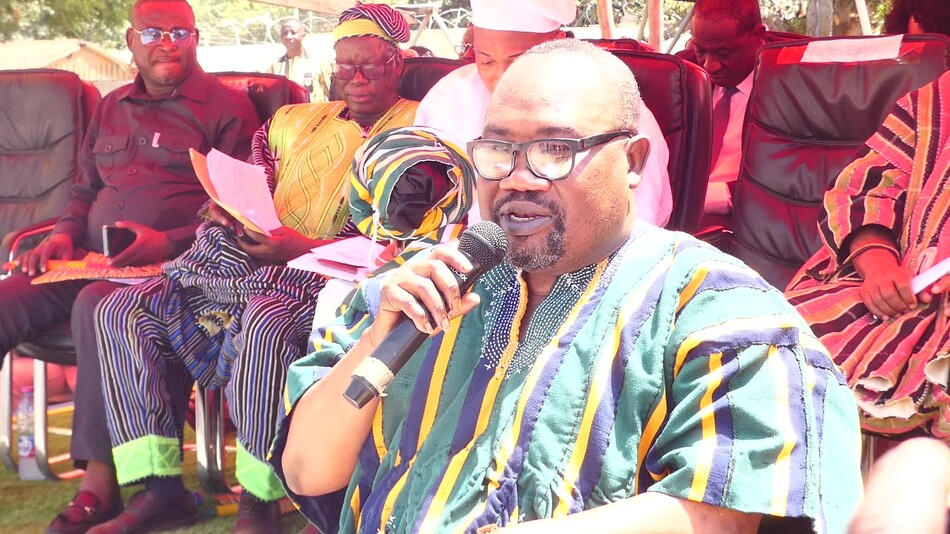
For the people of Ghana’s Upper East Region, the commissioning of the new Regional Passport Application Centre in Bolgatanga marks more than just a bureaucratic milestone; it is a victory over years of unfulfilled promises and a testament to decisive leadership. Apexnewsgh reports At the heart of this event, the Member of Parliament for Nabdam Constituency, Dr. Mark Kurt Nawaane, delivered a speech, reflecting on the journey that brought the much-needed facility to fruition. “For the past eight years, there has been talk and talk and talk of establishing the passport office,” Dr. Nawaane told the gathered crowd, his words echoing the shared frustrations of many residents. “A structure that is being built for the passport office, and I looked at it, it is far from completion.” His remarks highlighted a reality that many in the region have come to know all too well: plans for decentralizing essential public services often stall, leaving communities waiting and hoping. With the opposition New Patriotic Party (NPP) in power for the last eight years, Dr. Nawaane noted, there had been much discussion about setting up a regional passport centre, but little action. The unfinished building meant for the centre stood as a daily reminder of those unmet promises. Yet, Dr. Nawaane was quick to point out that progress sometimes requires bold action. “It needed somebody brave, strong, experienced to know that, no, these people need the services. We don’t have to wait until that building is completed before we start giving passports to people. Somebody has to make that decision.” He credited the breakthrough to the Minister for Foreign Affairs and Regional Integration, Hon. Samuel Okudzeto Ablakwa. “The person who took that decision is here with us. And that is the Honorable Okudzeto Ablakwa. It needed one person to agree that this thing you have been talking about should come to being. And he did it.” Dr. Nawaane’s praise for Hon. Ablakwa was met with applause. “Let’s clap for him,” he urged, acknowledging the Minister’s role in transforming years of empty rhetoric into real, accessible services. Thanks to this intervention, an existing structure in Bolgatanga was renovated and quickly repurposed, allowing the region’s residents to access passport services without delay. The MP’s comments also touched on a broader issue affecting the Upper East and many other regions: the need for decentralized agencies and services. “The members of parliament from the Upper East Region have observed that a lot of the decentralized agencies and structures are not in the region,” he explained. “And some of them are also not in the districts. And so we continue to discuss what we can do to get some of these things to our regions and districts.” As an example, Dr. Nawaane shared ongoing efforts to expand essential services in his own constituency. “As I am speaking now, by January, the National Health Insurance Authority will have an office in Nabdam. That is a structure that is not there.” He further noted the absence of a Health Facilities Regulatory Authority office in the region, which he is actively advocating for as a board member. “Because there are hospitals in Bolgatanga that also need to be regulated. Why don’t we open that office and get people employed? That’s the most important thing.” Employment and local management, Dr. Nawaane stressed, should be central to these efforts. “Let them manage the place and we can, you know, be thinking of more and more. So that is what we are doing in Accra. Here, all of us, we are trying as much as possible to get the decentralized authorities to open their offices in the region and in the districts.” The MP expressed gratitude for the support he and his colleagues have received from the region. “I use this opportunity to thank you very much for the goodwill that we have been enjoying from you.” He also called on their constituents to remain patient with their Members of Parliament, assuring them of continued engagement. “We’ve been very busy throughout the year, but we hope that we’ll come back, especially during the Christmas and New Year festivities. We’ll be with you and engage you and I believe that you’ll be happy with us.” Dr. Nawaane’s words captured both the relief and renewed optimism felt throughout the Upper East Region as the passport centre opened its doors. His speech served as both a celebration of what had been accomplished and a call for continued advocacy to bring more decentralized services to every corner of the region. As the ceremony concluded, the sense of accomplishment was palpable. No longer would Upper East residents need to journey long distances for a simple passport application. Source: Apexnewsgh.com/Ngamegbulam Chidozie Stephen