
The Broken Chalkboards: Upper East Peace Council Chair Decries Rising Student Riots
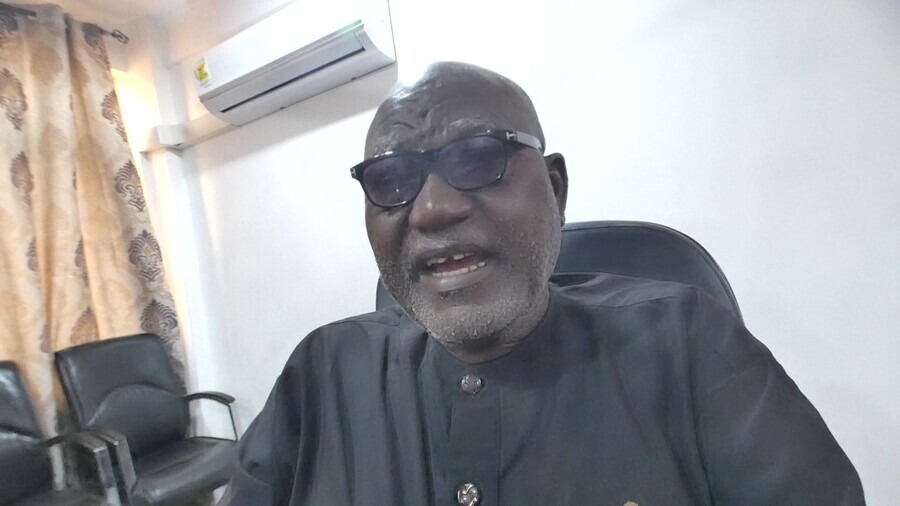
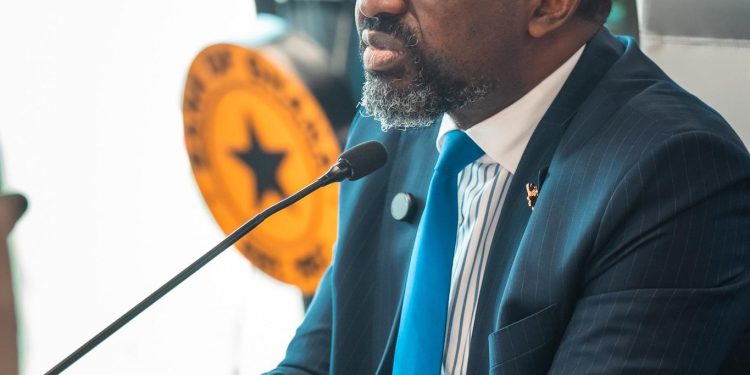
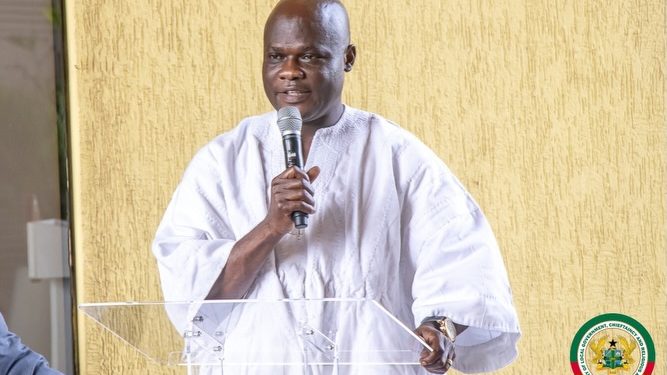
Alhaji Sumaila Issaka, Chairman of the Upper East Regional Peace Council, has voiced grave concern over the growing trend of student riots in the region, a worrying development he believes is fast becoming a destructive norm among secondary schools. In a recent interview for the documentary “The Broken Chalkboards,” produced by Ngamegbulam Chidozie Stephen for Apexnewsgh, Alhaji Issaka laid bare the scale of the problem and the urgent need for dialogue and reform. “It’s been a very difficult situation in this region, especially the way this rioting has been going on. It’s now like a canker and so contagious. The moment Zamstech demonstrates, the next day Gowrie is demonstrating, the next day Bongo is demonstrating, the next day Big Boss, and then on and on,” Alhaji Issaka lamented. He noted that while older institutions such as Navrongo Senior High School, Notre Dame, and Bawku Senior High School, as well as the training colleges, where students are considered adults, rarely report such incidents, the wave of unrest continues unabated among the newer institutions. “What I personally don’t understand is why these demonstrations, when you have an SRC that can present your grievances to the authorities,” he added, underlining his bewilderment at the preference for destructive protest over dialogue. Kindly watch the full video here: https://youtu.be/GSQR3-T6EaE. The Peace Council, Alhaji Issaka revealed, had previously initiated peace clubs in several schools as a proactive measure to curb the violence. However, these efforts were hamstrung by a lack of funding, making it impossible to sustain regular outreach. “It’s been of great disturbance to us, especially the destruction on the campuses,” he said, noting the heartbreak of seeing already scarce resources in one of Ghana’s poorest regions destroyed by students themselves. He recalled, “They will not pass Presec or Achimota and give us a bus here if the supplies are very few. Yet we continue to destroy the few that we have. When we went to school, we didn’t demonstrate, but now it’s like they are so proud of it.” Alhaji Issaka expressed his frustration at the often trivial reasons for these demonstrations. “Most of the time they are so flimsy, so annoying that you cannot tolerate them,” he said. He cited the example of students at Gowrie Senior High School insisting on shower facilities despite vandalizing existing ones, and then demanding the dismissal of the headmistress when standpipes were provided instead. In other cases, students ignored bans on personal electronic devices and overloaded dormitory sockets, leading to repeated fires and costly repairs, only to protest when precautionary measures were implemented. “What bothers me most is that the reasons are so flimsy. And if that is even the case, must you go and damage the property of the school? Then you keep complaining, we don’t have this, we don’t have that,” he said. He recounted students insisting on using coal pots for science practicals instead of the safer Bunsen burners of his own school days, and the paradox of demanding better conditions while destroying what little is available. The recurring destruction, Alhaji Issaka noted, ultimately impacts innocent parents who are forced to pay for damages. “After every investigation, money will be paid. And this money will come from the parents,” he explained, recounting a personal experience at Senegal Senior High, where burned motorbikes had to be replaced, ironically benefitting some teachers but compounding hardship for families. Another disturbing trend is the rise of tribalism in school leadership, a stark contrast to the diversity and harmony of past decades. “To the extent that, if you are not a Kassena-speaking boy, you cannot be Senior Prefect in Navrongo Secondary School. If you are not a Guruni speaking boy, you can’t be the Senior Prefect of Big Boss, Tongo Senior High School. If you are not a Kusasi-speaking boy, you cannot be a Senior Prefect of Bawku Secondary School. Why? So this is what is happening? Even though they are extending it to their heads, insisting that if you are not from that area, you shouldn’t be a head. Really?” he asked incredulously. He reflected fondly on the past, when students and leaders from various backgrounds worked together without division, and called the current climate “a big headache.” Despite setbacks, the Peace Council is determined to revive its outreach efforts. Alhaji Issaka detailed recent and ongoing attempts to coordinate with regional education authorities and NGOs to reintroduce peace-building programs in schools. Plans are in place to divide the council into groups and visit schools across the region, fostering dialogue and conflict resolution skills among students. The council’s goal is clear: to help students understand the importance of using the SRC as a channel for grievances, rather than resorting to violence. “Let the students understand that the SRC is there to represent them at the various meetings. And if they have any grievances, they should pass them to those committee members. So that when they go, they table it,” he advised. Alhaji Issaka believes much of the unrest stems from a lack of awareness and leadership among students, and from the influence of troublemakers. He noted that simple disputes, such as the theft of a phone, which is itself contraband, can quickly escalate into widespread violence and even tribal conflict. “Two students fight, and the Bawku incident crops up. You come, and it’s your kinsman against another man, and you just join the fight.” He urged proper reporting and resolution of issues through the appropriate channels, rather than resorting to mob justice or property destruction. “If you suspect somebody, report him to the authorities. And if they search him and find your phone, they give it to you. But these fights, now, the tribal fighting is in these two schools. Which was not the case before.” Alhaji Issaka closed with an impassioned plea for a return to civility and the prioritization of dialogue, warning that continued unrest threatens not only the schools but the entire region’s progress. “We want us to grow. Yet, we are last in everything.
Upper East Region’s Peace Council Cites Land, Chieftaincy Disputes as Major Conflict Drivers

Alhaji Sumaila Issaka, Chairman of the Upper East Regional Peace Council, has identified land, chieftaincy succession, and boundary disputes as key factors fueling conflicts in the region. Apexnewsgh reports Speaking in Bolgatanga during a training organized by the Upper East Regional Peace Council and Catholic Relief Services, Alhaji Issaka expressed concern over the rising tensions. According to Issaka, traditional land ownership systems have been disrupted by modernization and commercialization. He further explained that local leaders, such as tindanas, once knew their boundaries but are now being challenged by chiefs seeking to expand their territories. Alhaji Issaka also highlighted issues with chieftaincy succession, citing the influence of money and the misinterpretation of “lineage” in the constitution. He recommended a return to traditional systems of succession and warned against the exploitation of rituals and customs. To address these conflicts, Alhaji Issaka emphasized the importance of respecting traditional boundaries and systems of land ownership. He praised the Sisala tribe’s smooth land succession process as a model for other communities. The training, funded by the Netherlands Government, aimed to promote peaceful conflict resolution and prevent violent extremism in the region. Source: Apexnewsgh.com Thanks for reading from Apexnewsgh as a news publishing website from Ghana. We encourage you to freely share this story via social media platform and follow us on; Facebook on APEXNEWSGH-Tv or Please contact Apexnewsgh.com on email apexnewsgh@gmail.com for your credible news publications. Contact: 0248250270/0256336062.