



Stigmatization in Bongo is very high—District NTDs Focal Person
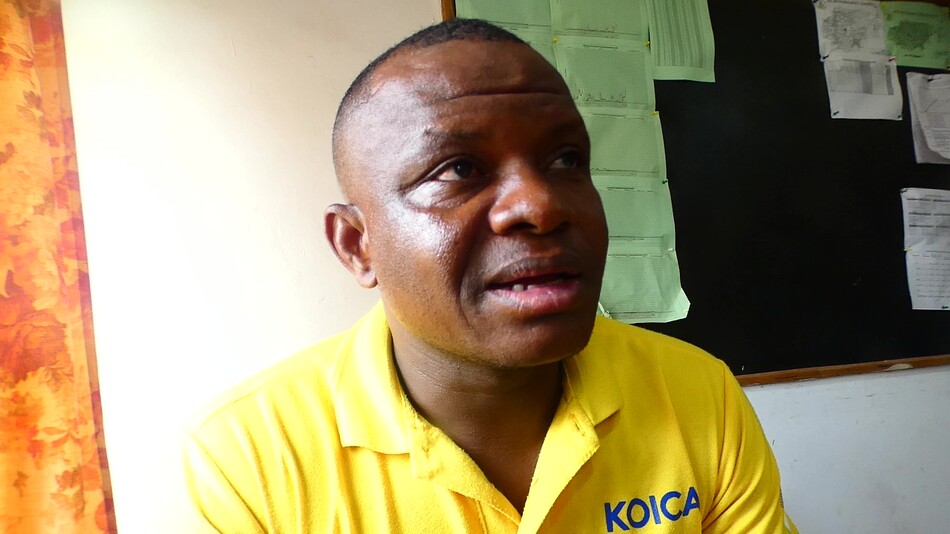
In the heart of Ghana’s Upper East Region, the Bongo District is fighting a quiet but devastating battle. Over the last six years, this rural district has recorded a deeply worrying rise in leprosy cases, with 57 new cases reported from 2019 to September 2025. For many, the word “leprosy” conjures up images from distant history books, but in Bongo, it is a daily reality, one made worse by stigma and isolation. This troubling revelation came from Mr. Kpankpari Wononuo Bismark, the District Neglected Tropical Diseases (NTDs) Focal Person, in the documentary “Pains of the Forgotten: Leprosy, Stigma, and Resilience” produced by Ngamegbulam Chidozie Stephen of ApexNewsGH. In a candid conversation, Mr. Bismark described the situation as “alarming,” drawing attention to the many layers of hardship leprosy patients endure beyond their diagnosis. “Stigmatization in Bongo is very high,” Mr. Bismark lamented. “Some patients are isolated, left in separate rooms, made to live alone. This worsens their mental health.” For many, the fear of being shunned by neighbors and loved ones is just as crippling as the disease itself. Some wait until their symptoms are too severe to hide, seeking help only when sores and deformities make life unbearable. “When we identify leprosy early, we can treat it within nine months,” Mr. Bismark explained. “But when patients report late with sores and deformities, the damage remains for life.” The consequences of this fear-driven delay are profound. Advanced leprosy often leaves patients with lifelong disabilities, making it impossible for them to farm or work. In a region where most people depend on their hands to earn a living, the economic toll can be just as devastating as the physical suffering. “Most of them cannot do meaningful work because of deformities,” Mr. Bismark said. “That is why interventions from NGOs that provide small capital for farming, weaving, or soap-making are so helpful. These initiatives help reduce idleness and restore dignity.” But the challenges don’t end with stigma and economics. Mr. Bismark also pointed to the struggles of accessing medicine, which must be requested from the regional health directorate and sometimes runs out. Still, he remains optimistic about the impact of treatment: “The good thing is that when we start the medicine, transmission to others is minimized, even though sometimes we run out of drugs briefly.” The changing climate also brings fresh hardships for leprosy patients. During the harsh dry season, cracked skin can lead to open sores that quickly become infected. Without easy access to clean water and proper hygiene, these sores can become septic, threatening not just health but life itself. “NTDs are neglected diseases, and sadly, the people suffering from them are also neglected,” Mr. Bismark noted. “Many patients live far from clean water sources, making hygiene very difficult.” Water, sanitation, and hygiene (WASH) remain critical challenges. In remote villages, fetching water involves long, painful journeys, a heavy burden for those already weakened by disease. This lack of WASH infrastructure leaves patients especially vulnerable to complications and further social exclusion. Despite these daunting obstacles, hope persists in the form of early detection and community support. “Leprosy is airborne, and elephantiasis is caused by mosquito bites. Everyone is at risk. That is why we keep telling the community: support patients, don’t stigmatize them, because you never know when you could also be affected,” Mr. Bismark urged. The fight against leprosy in Bongo is not waged by government alone. Non-governmental organizations like the Development Research and Advocacy Center (DRAC), led by Executive Director Jonathan Adabre, are helping to fill the gap. DRAC’s holistic approach tackles both the practical and social sides of the disease. “With support from Anesved Fundación, we raise awareness about early signs of diseases like leprosy, elephantiasis, and yaws,” Adabre explained. “Many believe leprosy is genetic, but it takes up to 20 years to manifest. That misconception must end.” DRAC’s projects are as varied as they are vital. The organization has drilled ten boreholes across affected communities, ensuring that more families have access to clean, safe water. They have also formed water health committees to educate locals on hygiene practices, crucial for managing NTDs. But perhaps their most transformative work lies in supporting economic empowerment. DRAC provides training and materials for basket weaving and soap-making, linking patients and caregivers to markets. “Buyers come to the community to purchase baskets, and we provide materials and training,” Adabre says. These initiatives offer more than income; they restore a sense of purpose and connection. The story of leprosy in Bongo is one of pain, but also of resilience and hope. It is a reminder that diseases like leprosy do not just attack the body, they disrupt families, livelihoods, and entire communities. Breaking the cycle requires more than medicine. It calls for compassion, early detection, and the kind of holistic support that brings patients out of the shadows and back into the embrace of their community. As Bongo continues its fight, the district’s journey stands as a testament to the power of partnership, awareness, and above all, human dignity. WATCH THE VIDEO DOCUMENTARY BELOW: Source: Apexnewsgh.com/Ngamegbulam Chidozie Stephen
Empowering Persons with NTDs in Zorkor: KURADEC Provides Soap Making Training

In an effort to improve the lives of individuals affected by Neglected Tropical Diseases (NTDs) in Zorkor-Kadare, Bongo District, Upper East Region, Kunkua Renaissance Development Centre (KURADEC) has provided training in soap making. Apexnewsgh reports This economic and livelihood empowerment training aims to enhance the hygiene and development of persons with NTDs, enabling them to generate income and improve their overall well-being. Coordinator of KURADEC, Mr. Donatus Awine Adua, explained that the training is part of a larger initiative funded by ANESV Foundation through Development Research and Advocacy Center (DRAC). The goal is to equip affected individuals with skills to produce soap, which can be sold to generate income. Last year, KURADEC conducted LED intervention training for community volunteers and affected persons, identifying 65 beneficiaries, including men and women. NTDs, such as elephantiasis and hydrocele, expose affected individuals to vulnerabilities, including stigma, reduced mobility, and inability to access healthcare services. KURADEC’s training aims to address these challenges by promoting personal hygiene and economic empowerment. Mr. Adua appealed to other organizations and government agencies to prioritize support for persons with NTDs, particularly in rural areas. He emphasized the need for skills development and economic empowerment to improve their lives. KURADEC plans to provide additional support, including livestock, to enable beneficiaries to generate sustainable income. The organization encourages other NGOs and government agencies to join forces in empowering persons with NTDs, promoting a better quality of life for these vulnerable individuals. Freda Alowri, Midwife in charge of Zorko Health Centre, narrated how she witnessed firsthand the devastating impact of Neglected Tropical Diseases (NTDs) on individuals and communities. Despite the challenges, she remains committed to educating and empowering those affected to seek medical attention and improve their hygiene practices. The stigma surrounding NTDs, particularly leprosy, has led to many sufferers being ostracized and hidden away by their families. However, through home visits and community outreach, Freda and her team have managed to convince many to come forward and seek help. The introduction of soap making training has been a game-changer, providing economic empowerment and improving hygiene practices. Beneficiaries can now generate income by selling soap, and the community has come together to support those affected. Despite progress, challenges persist. Deep-seated mentalities and human behavior changes are difficult to overcome, and some individuals still hide their conditions due to shame or fear of association. Freda acknowledges the humanitarian efforts of organizations like Kunkua Renaissance Development Centre (KURADEC) and appeals for continued support to address the lingering challenges. She believes that together, they can make a significant impact and improve the lives of those affected by NTDs. The Zorko Health Centre’s dedication to combating NTDs has led to notable improvements in the community’s health and well-being. As Freda emphasizes, “We are not just treating conditions, we are restoring dignity and hope to those who need it most.” However, Janet Nsobila and Paul Awobgo beneficiaries of soap making activity could not hide their excitements. They extended their gratitude to Kunkua Renaissance Development Centre (KURADEC), Development Research and Advocacy Center (DRAC) and ANESV Foundation for such kind empowerment. Source: Apexnewsgh.com Thanks for reading from Apexnewsgh as a news publishing website from Ghana. We encourage you to freely share this story via social media platform and follow us on; Facebook on APEXNEWSGH-Tv or Please contact Apexnewsgh.com on email apexnewsgh@gmail.com for your credible news publications. Contact: 0248250270/0256336062