



GWJN Urges Journalists to Prioritize Accuracy, Balance, and Community Voices

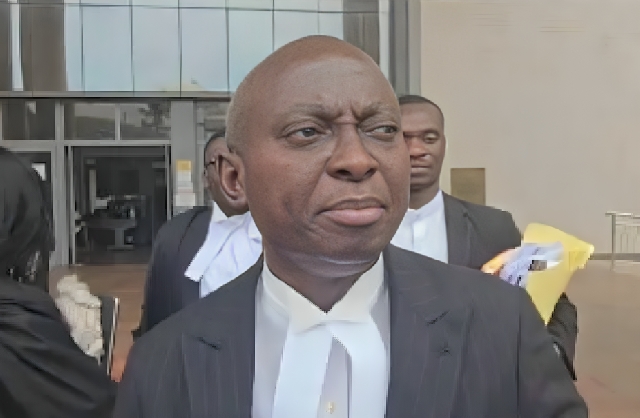
In an era of rapid environmental change, the field of climate and WASH (Water, Sanitation, and Hygiene) journalism faces new demands for accuracy, balance, and impact. This call to higher standards was delivered by Mr. Justice Lee Adoboe, National Coordinator for the WASH Journalist Network Ghana (GWJN), as he addressed thirty journalists from across northern Ghana during a three-day training organized by BEWDA in partnership with WaterAid Ghana under the SIDA CLIMB Better WASH project. Mr. Adoboe highlighted source mapping as an essential journalistic tool. By deliberately seeking out a variety of perspectives, he explained, journalists can avoid bias and produce stories that communities can trust. “Broadening your network of sources is key to delivering trustworthy journalism,” he said. Still, he was quick to remind participants that good sourcing is only the beginning. Upholding strict editorial standards and practicing diligent fact-checking are just as vital, ensuring every report is both accurate and meaningful before it is published. The training underscored the crucial role the media plays in raising awareness about how climate change is reshaping WASH services. With prolonged drought, erratic rainfall, and severe flooding threatening agriculture and livelihoods across northern Ghana, journalists were urged to lead the conversation. By informing the public, advocating for stronger policies, and engaging communities directly, the media can help build resilience and promote adaptation in response to the changing climate. Mr. Adoboe also cautioned journalists against common reporting pitfalls. He pointed out that focusing solely on water while neglecting sanitation and hygiene issues can give a distorted picture, especially when floods damage pit latrines and septic tanks. He also warned against labeling climate-driven disasters as routine natural events, and stressed the importance of highlighting the specific needs of marginalized groups, rather than masking them with broad national statistics. By raising their standards and widening their perspective, Mr. Adoboe believes journalists can tell stories that not only inform, but also inspire action and drive real change in their communities. Source: Apexnewsgh.com/Ngamegbulam Chidozie Stephen

BEWDA Launches Advocacy Project to Empower Journalists and Communities on Climate Justice

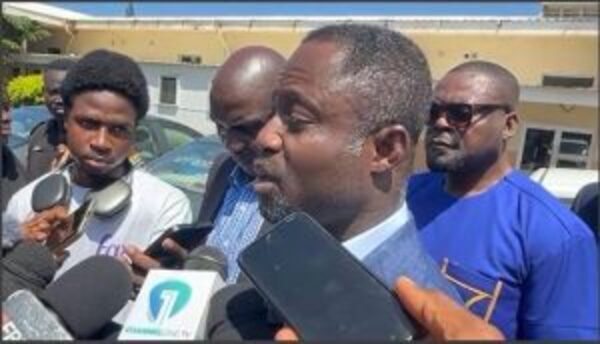
The Belim Wusa Development Agency (BEWDA) has set a new course for climate advocacy in Ghana’s Upper East Region, unveiling a pioneering project aimed at strengthening civil society and amplifying grassroots voices. At the heart of this initiative is the training of 30 WASH (Water, Sanitation, and Hygiene) journalists on climate change reporting, a programme developed in partnership with WaterAid Ghana under the SIDA CLIMB Better WASH Partnership. Speaking at the launch, BEWDA’s Executive Director, Peter Asaal, explained that the project. formally titled “Civil Society Leadership Mobilization for Better Wards”, is designed to support community mobilization and empower residents to address climate justice violations in their districts. “Our role is to see how we can mobilize communities and engage stakeholders and duty bearers in assemblies, making sure their voices are heard and their rights protected,” Asaal said. The project’s roots lie in extensive climate vulnerability assessments across Upper East, where BEWDA identified mounting challenges impacting local communities. The pilot phase in Boko West revealed the urgency for a broader response, prompting WaterAid to support an expansion to four more districts: Nabdam, Bongo, Kassena Nankana Municipal, and Kassena Nankana West, alongside Bawku West. Over three days, journalists have participated in intensive training, gaining deeper understanding of climate change impacts on water and sanitation infrastructure. The goal is to equip them to report accurately and compellingly on climate justice violations, ensuring that the lived experiences of affected communities are brought to light. “We want journalists to amplify the voices of those affected and hold duty bearers accountable,” Asaal emphasized. By empowering journalists with knowledge and storytelling skills, BEWDA aims to foster greater accountability from duty bearers to right holders, those whose lives are most affected by climate change. The project also seeks to influence policy at district, regional, and national levels, ensuring that grassroots realities shape decision-making and resource allocation. Running through March 2028, the project aspires to see a wave of impactful stories published, broadcast, and shared around the world. As these narratives reach wider audiences, BEWDA hopes to catalyze meaningful change, making climate justice a central part of policy and practice, not just in the Upper East, but across Ghana and beyond. Source: Apexnewsgh.com/Ngamegbulam Chidozie Stephen

Upper East Region Grapples with Layered Climate Threats as Journalists Spotlight WASH Crisis

Once celebrated for its resilient communities, Ghana’s Upper East Region now stands as a stark example of climate change’s mounting toll. At the center of this unfolding story, thirty journalists recently convened in Bolgatanga for an intensive three-day training designed not only to strengthen climate change reporting, but also to shine a spotlight on the critical intersections of water, sanitation, and hygiene (WASH) justice. The training, spearheaded by the Belim Wusa Development Agency (BEWDA) in partnership with WaterAid Ghana and the SIDA CLIMB Better WASH Partnership, offered a sobering look at the obstacles facing the region. Project Lead Mr. Sebastian Mbabugri Agumah painted a detailed picture for the assembled journalists: over the past decade, the Upper East has suffered a 10 to 15 percent decline in rainfall. What was once a predictable five- to six-month wet season has shrunk to just three or four months in many areas, stretching the dry season to six months and leaving wells empty and fields barren. Yet drought is only part of the crisis. Rising temperatures have ushered in more frequent and intense heat waves, raising average temperatures by up to 1 degree Celsius, with the specter of a 2-degree increase by 2050 looming ever closer. These heat waves bring not only discomfort but also heightened health risks and disease, compounding the region’s daily hardships. Extreme weather is now an annual ordeal. The Bagre Dam’s controlled spillage and the recent overflow of the Tono Irrigation Dam have both caused devastating floods, sweeping away roads and farmland. In the district of Binduri, fierce windstorms have ripped roofs from homes and schools, including structures. Wildfires and violent rainstorms, too, have become regular threats, stoking fresh anxieties each season. Across the five hardest-hit districts, Bawku West, Nabdam, Bongo, Kassena Nankana West, and Kassena Nankana Municipal, communities face at least three of these climate hazards simultaneously. As drought, flood, heatwave, windstorm, and wildfire layer one upon the next, the result is a compounding crisis that imperils the region’s WASH infrastructure. Source: Apexnewsgh.com/Ngamegbulam Chidozie Stephen

Water Is Not a Donation: Advocates Call for Climate-Resilient WASH Services

A group of thirty journalists have gathered for a transformative three-day training, focused not just on climate change reporting, but on the deeper issues of water, sanitation, and hygiene (WASH) justice. Spearheaded by the Belim Wusa Development Agency (BEWDA) in partnership with WaterAid Ghana and under the SIDA CLIMB Better WASH Partnership, the event became a platform for frank conversations about the responsibilities of duty-bearers and the rights of community members. Richard Ntibrey, Program Manager for WASH and Climate Change at WaterAid Ghana, did not mince words. “Water is not a donation. It is the duty of duty-bearers to provide it,” he declared, challenging the common misconception that access to clean water is something to be gifted rather than guaranteed. Ntibrey’s message struck a chord among the journalists: “Most times, community members are not aware that it is the duty of the duty-bearers to provide good sources of water in our various communities. We don’t want to see duty-bearers providing water as a donation. It is the duty of the duty-bearers to provide water.” The training, held in Bolgatanga, was more than a lecture, it was a call to action. Ntibrey emphasized the power of advocacy, urging journalists to tell the stories of both duty-bearers and right-holders. “Advocacy and influencing will allow you to reach more people, to target those responsible for providing water, sanitation, and hygiene, and to ensure systemic change. The focus here is on climate justice.” The project, currently running in five climate-vulnerable districts, Bawku West, Nabdam, Bongo, Kassena Nankana West, and Kassena Nankana Municipal, was born out of a climate vulnerability and risk assessment. Data revealed declining rainfall by as much as 15%, decreased borehole yields, and excessive heat, particularly in Nabdam. These findings, coupled with high poverty rates, made the districts a priority for climate-resilient WASH interventions. Ntibrey explained the role of NGOs like WaterAid Ghana: “Our work is to support government in delivering its mandates. But ultimately, it is the government’s responsibility to ensure that communities have sustainable access to water, sanitation, and hygiene services, especially in the face of climate change.” He called for leadership and collaboration from local and national governments, journalists, development organizations, and the communities themselves. “Most importantly, we want governments to invest more in sustainable WASH services that consider the impact of climate change. Beyond climate events, these systems must endure.” The stories journalists uncover, about water scarcity, declining sanitation, and the daily struggles of communities, are key to understanding the true impact of climate change. “Change starts with water,” Ntibrey affirmed. “If you enter a community and see them struggling for water, you know that agriculture, household nutrition, and sanitation are all affected.” The advocacy, he concluded, is about more than infrastructure. It’s about justice. “Wherever you are, you are either a duty-bearer or a right-holder. Duty-bearers must provide; right-holders must demand. Even in the face of climate change, access to water, sanitation, and hygiene is a right, not a privilege.” He stressed Source: Apexnewsgh.com/Ngamegbulam Chidozie Stephen

Journalists Gather to Strengthen Climate Resilience in Ghana’s WASH Sector
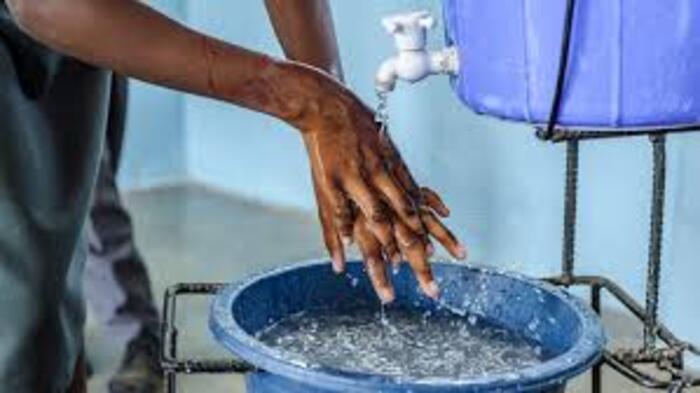
A group of passionate members of Ghana Watsan Journalists Network (GWJN) across the country gathered for a unique training session that would shape the future of climate reporting in the country. The meeting, organized by Bawku East Women’s Development Association (BEWDA) and WaterAid as part of the broader CEDAW-CLIMB partnership, with support from the Swedish government and WaterAid UK/Ghana, aimed to empower reporters with knowledge at the intersection of climate change and WASH (Water, Sanitation, and Hygiene). The presenters painted a vivid picture of Ghana’s changing environment: groundwater sources dwindling, unpredictable weather patterns, coastal erosion, droughts, and floods. These changes, they explained, deeply affect health and livelihoods, but place especially heavy burdens on women and girls. Fetching household water, managing menstrual hygiene, and ensuring maternal care all become more difficult as climate impacts worsen. As the conversation unfolded, the group explored what it truly means to build climate resilience in WASH. Mr. Ibrahim Musah, one of the presenters, described resilience as the ability of social, economic, and environmental systems to cope, adapt, and transform in the face of challenges. He suggested two key measures for water systems: structural robustness and continued service delivery. To bring these ideas to life, he recounted stories from Bawku West and other Upper East communities, where flooded platforms, seasonal drops in borehole yields, and collapsed latrines exposed the fragility of local infrastructure. The room buzzed with debate as participants discussed how construction practices, regular monitoring, and strong evidence collection could help communities withstand climate shocks. The session also demystified the concepts of climate-resilient WASH and the financial mechanisms available to support it, including the Green Climate Fund and guidelines from the Sanitation and Water for All initiative. The presenters emphasized that winning funding requires more than good intentions: proposals must be grounded in scientific evidence, demonstrate a clear climate rationale, and show what additional benefits will be delivered. To equip journalists for this task, the training introduced modeling tools and long-term trend analyses, essential resources for crafting evidence-based climate proposals and advocating for community-centered climate justice. By the end of the day, the journalists left not just with new knowledge but with a shared sense of purpose, to tell the stories that will drive resilience and justice for all Ghanaians. Source: Apexnewsgh.com