


GEXIM@10: Ghana Braced for Oil and Gold Price Swings, BoG Governor Assures
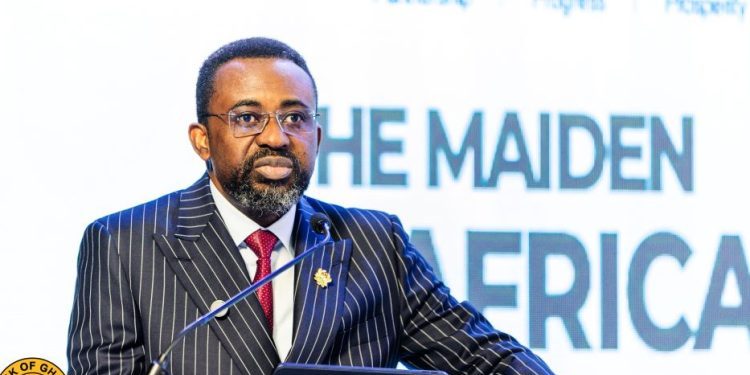
Dr. Johnson Asiama has highlighted Ghana’s preparedness to withstand global commodity shocks, emphasizing the critical role of reserves in safeguarding economic stability. Addressing delegates at the 10th Anniversary International Conference of the Ghana Export-Import Bank in Accra on Wednesday, March 25, Bank of Ghana Governor Dr. Johnson Asiama delivered a measured but candid assessment of the country’s economic vulnerabilities and the defences being built against them. At the heart of his remarks was a familiar challenge: Ghana’s fortunes remain deeply tied to the unpredictable rhythms of global commodity markets. Oil and gold, the twin pillars of the country’s export earnings, are subject to forces largely beyond its control, and Dr. Asiama made no attempt to downplay that reality. “Ghana is exposed to fluctuations in global commodity prices, particularly oil and gold, which make up a significant portion of our export earnings,” he acknowledged. But the Governor was equally clear that exposure does not mean vulnerability. The strategy, he explained, has been deliberate and forward-looking, centred on building reserves robust enough to absorb external shocks and keep the economy on an even keel when global markets turn hostile. “Our strategy is to ensure that we are prepared, building reserves that can absorb shocks and sustain the economy through uncertain times,” he said. “This level of reserves gives us some distance to navigate potential crises, but we must remain vigilant.” That note of vigilance was not incidental. Dr. Asiama went on to flag a scenario that keeps policymakers up at night — the prospect of simultaneous shocks hitting multiple commodity sectors at once. Ghana’s buffer strategy partly relies on one sector compensating for weakness in another, but that calculation has its limits. “We are hopeful that one sector, like gold, may offset the impact from another, such as oil. However, prolonged volatility could challenge our ability to maintain economic gains,” he cautioned. It was a frank admission that even a well-prepared economy has a ceiling on how much pressure it can absorb, and a reminder that the work of building resilience is never truly finished. The Governor’s address came at a symbolically fitting moment. The Ghana Export-Import Bank’s decade-long journey has unfolded against a backdrop of global economic uncertainty, and Dr. Asiama’s remarks reinforced a broader message: that prudent fiscal and monetary planning is not merely good practice, it is Ghana’s first and most important line of defence in a world where commodity shocks can arrive without warning and linger without mercy. Source: Apexnewsgh.com
Ghana Unveils Framework for Ethical Banking
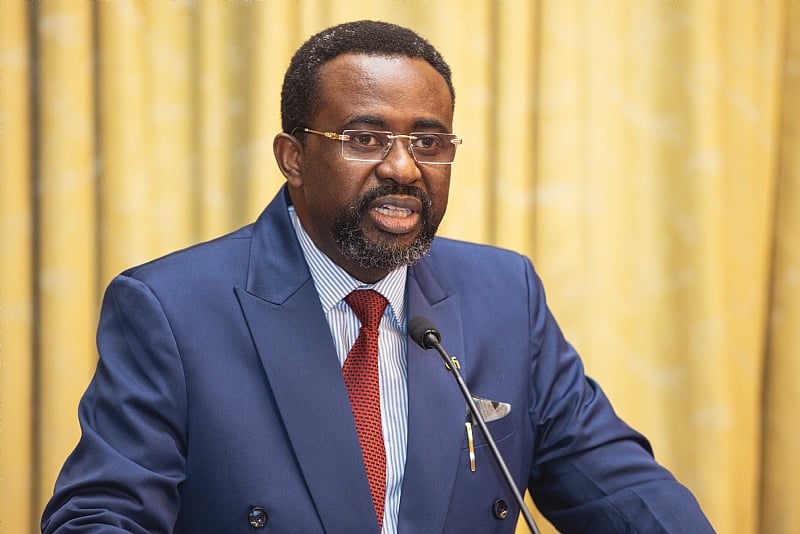
The landscape of Ghana’s financial sector is on the cusp of a transformative shift. In a landmark move, the Bank of Ghana (BoG) has officially unveiled the operational guidelines for Non-Interest Banking (NIB), opening the door to a new era of ethical finance and deeper financial inclusion. This culmination of years of strategic planning is widely credited to the steadfast efforts of BoG Governor, Dr. Johnson Asiama, and the Advisor on Non-Interest Banking and Finance, Professor John Gatsi. The finalized guidelines provide a clear and robust regulatory roadmap, building upon an earlier exposure draft to ensure operators function within strict prudential standards. The excitement within financial circles is palpable. Rumors are swirling of at least five existing conventional banks preparing to apply for dedicated NIB “windows” by the end of January, while several large new investors are lining up to establish full-fledged non-interest banks. This dual-application system is a core feature of the framework, designed to encourage both innovation and stability. The comprehensive guidelines establish a solid foundation for this new banking model: Governance & Expertise: Licensed NIB Institutions (NIBIs) must form a Non-Interest Banking Advisory Committee (NIBAC) of experts in banking, law, and NIB principles to ensure all products are ethically sound and risks are managed. Integrity of Operations: For conventional banks offering NIB through a “window,” a strict separation is mandated. They must operate a separate Non-Interest Finance Fund (NIFF), ensuring these ethical funds are never mixed with conventional banking funds. Inclusive & Voluntary: The BoG emphasizes that NIB is open to all Ghanaians, irrespective of religious belief, and participation is entirely voluntary. Capital & Compliance: Capital requirements align with existing standards, while NIBIs must maintain liquidity through Shari’ah-compliant instruments, steering clear of interest-bearing securities. Tax Clarity Pending: The guidelines acknowledge the crucial issue of tax neutrality, with a resolution expected from a joint team coordinated by the Ghana Revenue Authority (GRA). The implications stretch far beyond bank branches. The BoG is collaborating with the Securities and Exchange Commission (SEC) to develop a harmonized framework for non-interest capital market instruments. This paves the way for the future introduction of Sukuk (ethical investment certificates), which promise to unlock new, shari’ah-compliant capital for Ghana’s critical infrastructure projects. By integrating Ghana with the global non-interest finance industry, this initiative promises to diversify the financial sector, promote resilience, and revolutionize how finance serves the real economy. Welcome to the new, inclusive chapter of banking in Ghana. Source: Apexnewsgh.com
Bank of Ghana promotes inclusive finance on Non-Interest Banking & Finance
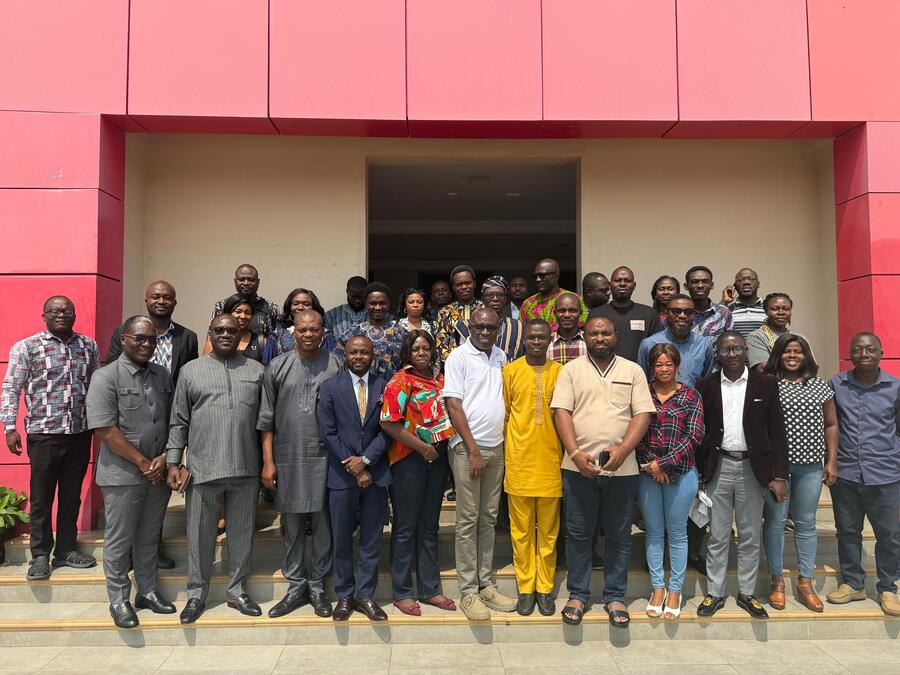
The Bank of Ghana (BoG), in collaboration with the Ghana Journalists Association (GJA), organized a landmark media engagement workshop on Non-Interest Banking and Finance (NIBF) . Apexnewsgh reports The initiative held in Koforidua from July 18 to 20, 2025, aimed at enhancing media understanding of NIBF as a tool for ethical, inclusive, and sustainable financial development in Ghana. Speaking on behalf of the Governor, Dr. Johnson P. Asiama, the Director of Banking Supervision Department, Mr. Ismail Adam, reiterated the Bank’s commitment to creating a robust legal and institutional framework for implementing non-interest banking. “This workshop is part of BoG’s broader stakeholder engagement strategy to equip the media to lead public education efforts,” Mr. Adam said. Non-Interest Banking, also known as Islamic or Participatory Banking, operates on profit-and-loss sharing principles and prohibits interest-based or unethical transactions such as gambling and speculative investments. It is open to all Ghanaians, regardless of religion, and complements conventional banking. With global NIBF assets surpassing USD 5 trillion in 2024, Mr. Adam stressed its growing influence in both Muslim and secular economies. He noted that NIBF supports key goals of the UN Sustainable Development Goals (SDGs), particularly reducing inequality, promoting decent work, and financing infrastructure projects through ethical means. Participants, including media practitioners, were sensitized on the fundamentals of Islamic finance, its role in financial inclusion, risk-sharing, and sustainable development. They were also urged to demystify misconceptions such as that Islamic banking is solely religious or a threat to conventional banking and instead promote its benefits for SMEs, trade, and Ghana’s 24-hour economy. Special commendation was given to Prof. John Gartchie Gatsi, Advisor to the Governor on NIBF, for his leadership in spearheading the initiative. The BoG emphasized its inclusive approach—bringing on board Christians and Muslims alike—to build a financial system that is representative, equitable, and supportive of Ghana’s economic aspirations. A national policy on NIBF is currently being developed. The workshop forms part of BoG’s multi-phase stakeholder engagement strategy targeting professional bodies, academia, regulators, and the media. The overarching goal is to integrate NIBF into Ghana’s mainstream financial ecosystem, increase foreign direct investment, and enhance socio-economic development. Journalists lauded the initiative as timely, strategic, and vital for public financial literacy. Source: Apexnewsgh.com/Ngamegbulam Chidozie Stephen
Reserve Replenishment: BoG Moves to Stem Cedi Decline Ahead of Festive Season
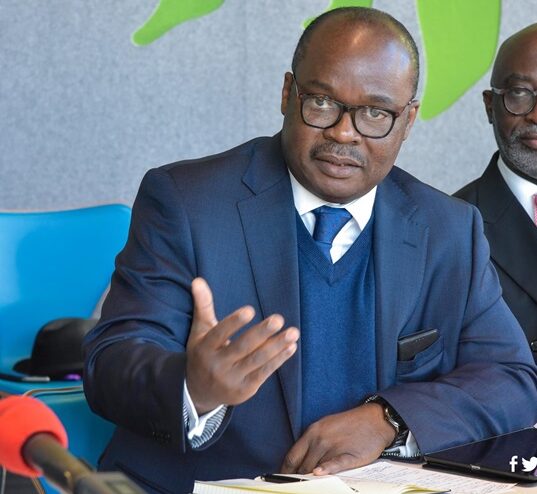
As the festive season approaches in Ghana, a notable sense of urgency fills the air, particularly among policymakers. The Bank of Ghana (BoG), under the leadership of Governor Dr. Ernest Addison, has set its sights on stabilizing the local currency, the cedi, which has faced significant challenges over the past year. Apexnewsgh reports With its value dropping by a staggering 24.3% and trading at nearly GHS 17 to the dollar, the BoG’s mission is clear: bolster foreign reserves to curb the ongoing depreciation. At a recent event marking the launch of “The Concise Law of Banking,” a newly published guide on banking regulations, Dr. Addison outlined the central bank’s strategies in the face of rising economic pressures. He acknowledged the multitude of challenges confronting the economy, particularly in relation to exchange rates and the financial sector, yet he remained optimistic about the path forward. “We have $7 billion in foreign exchange reserves,” he stated confidently. While he could theoretically adjust the dollar-cedi rate to GHS 10 overnight, he emphasized that sustainability is paramount. The BoG is committed to managing a delicate balance of various factors to strengthen reserves and regulate the exchange rate effectively. Dr. Addison shared the central bank’s priorities, which focus on three main areas: strengthening reserves to stabilize the cedi, managing the currency prudently to foster lasting stability, and encouraging investment by creating favorable economic conditions. His message was a blend of cautious optimism and pragmatic realism, acknowledging that while challenges are real, Ghana is making strides toward progress. As the year draws to a close, the Bank of Ghana continues to navigate these economic waters with careful management in hopes of not only stabilizing the cedi but also promoting growth for all Ghanaians. Source: Apexnewsgh.com/Ngamegbulam Chidozie Stephen Contact: +233248250270/+233256336062 for your publications
IEA Director Calls for Review of Bank of Ghana Law to Prevent “Raiding” of Central Bank’s Vault

Dr. John Kwakye, Director of Research at the Institute of Economic Affairs (IEA), is advocating for a review of the Bank of Ghana (BoG) law to limit emergency support to the government. Apexnewsgh reports He proposes amending the law to cap such support at 10% of the previous year’s revenue, up from the current 5%. This, he believes, will prevent the Finance Minister from “raiding” the central bank’s vault. Dr. Kwakye’s concerns stem from the significant advances made to the government during the economic crisis, which exceeded 50% of the previous year’s revenue. While he acknowledges that the Bank’s Act allows for advances up to 5% of the previous year’s revenue, he finds the magnitude of the advance disturbing. His comments come after Vice President Dr. Mahamudu Bawumia defended the BoG’s actions, commending the central bank for saving the economy from collapse. Dr. Bawumia noted that the BoG’s action was responsible and temporary, as the Bank had only advanced money to the government in two of the past seven years. Dr. Kwakye, however, remains unconvinced, suggesting that the Minister of Finance’s similar sentiments are not surprising, given that the government is the direct beneficiary of the monetary financing. He believes that amending the law to limit emergency support to 10% of the previous year’s revenue is the only way to prevent the Minister from “raiding” the Bank’s vault. The proposed review of the Bank of Ghana law aims to strike a balance between providing necessary support to the government and maintaining the central bank’s independence and integrity. Source: Apexnewsgh.com Thanks for reading from Apexnewsgh as a news publishing website from Ghana. We encourage you to freely share this story via social media platform and follow us on; Facebook on APEXNEWSGH-Tv or Please contact Apexnewsgh.com on email apexnewsgh@gmail.com for your credible news publications. Contact: 0248250270/0256336062.
Treasury bills interest rates fall marginally – BoG
According to the Bank of Ghana, interest rates on the short-term end of the money market’s yield curve have generally tightened. In October 2023, the rates for the 91-day and 182-day Treasury bills slightly decreased to 29.40% and 31.37%, respectively, from 31.53% and 32.61% in October 2022. However, the rate for the 364-day instrument increased to 33.16% from 32.32% during the same period. The interbank weighted average rate, which represents the rate at which banks lend to each other, increased to align with the policy corridor. Governor Ernest Addison noted that the weighted average rate rose to 28.49% in October 2023 from 23.98% in October 2022, reflecting changes in the monetary policy rate and an increase in the Cash Reserve Ratio. This improvement in policy transmission led to a rise in the average lending rate of banks to 32.69% in October 2023, compared to 31.40% in the corresponding period of 2022. Please contact Apexnewsgh.com on email apexnewsgh@gmail.com for your credible news publications. Contact: 0256336062
Dollar gains 74.2% weight ahead of Cedi–BoG
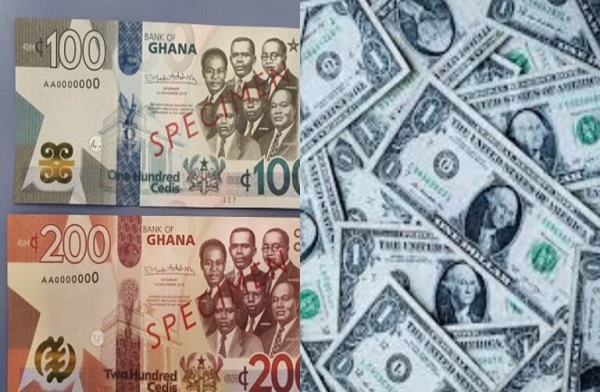
According to data from the Bank of Ghana, the Ghana cedi has experienced a depreciation of approximately 25.8% against the US dollar as of November 2023. Between March and September 2023, the cedi remained relatively stable, but it faced increased pressure in October and November. The depreciation rate reached 25.4% in October and increased further to 25.8% in November. The current exchange rate is around 12.15 cedis against the US dollar. Moreover, the cedi has also depreciated by 28.6% against the pound and 27.7% against the euro. This decline is attributed to a heightened demand for dollars leading up to the festive season. Despite efforts from the Bank of Ghana, the cedi has encountered difficulties in maintaining its value. Please contact Apexnewsgh.com on email apexnewsgh@gmail.com for your credible news publications. Contact: 0256336062
we need stronger IMF support to prevent out-of-control spiral’ – Addison tells IMF MD
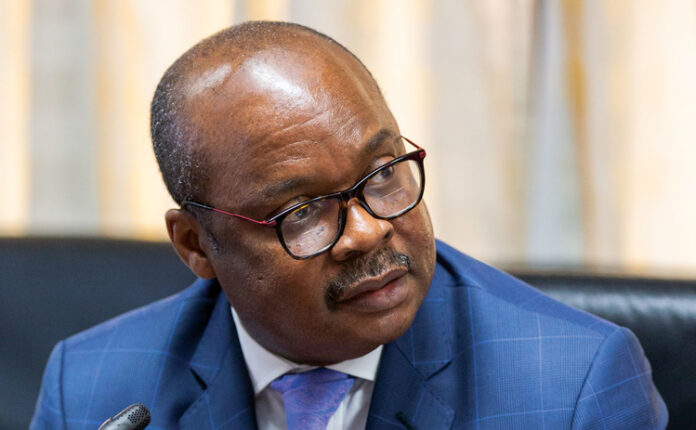
The governor of Ghana’s central bank, Dr Ernest Addison, has informed the International Monetary Fund MD Kristalina Georgieva at the 2023 Africa Consultative Group Meeting in Washington DC that the COVID-19 pandemic, the war in Ukraine, and the tightening of financing conditions “have all acted in concert to expose Africa’s heightened debt levels, as well as elevated debt-service costs and rollover risks”. Read the Bank of Ghana governor’s full speech below: Thank you, Chair. I wish to focus my intervention on addressing debt challenges and enhancing debt management to improve access to finance in Africa. But, let me first take this opportunity to express my sincere appreciation to Madam Georgieva, for the exceptional leadership and relentless efforts in exploring, to the full extent possible, resources to help member countries, especially in Africa, mitigate the adverse impact of the COVID-19 pandemic. African economies have accumulated debt at a rapid pace over the past decade to help address developmental and infrastructural needs. Consequently, the continent’s debt structures have become more sophisticated, including bonds, loans, collateralised debt contracts and repurchase agreements, and the creditor base has become more diverse and fragmented. The COVID-19 pandemic, the war in Ukraine, and the tightening of financing conditions have all acted in concert to expose Africa’s heightened debt levels, as well as elevated debt-service costs and rollover risks. At the same time, recurrent climate-related disasters are adding to the already acute fiscal and debt problems on the continent. The WBG World Debt Report (2022) estimates Sub-Saharan Africa’s (SSA’s) long-term external debt stock at US$636 billion at the end of 20211, with nineteen of the 35 low-income countries either in or at high risk of debt distress while some others (including Ghana) are completely shut out of the international capital market. If unaddressed, the overall debt situation is expected to worsen in 2023 and further constrain the capacity for many member countries to raise the needed funding to deliver broader social protections and respond to climate change. To address the fast-deteriorating debt dynamics in the continent: African countries remain committed to pursuing credible fiscal consolidation, anchored on efficient expenditure rationalization and robust domestic revenue mobilisation measures. This will help build buffers for critical social interventions and infrastructural development, while safeguarding medium-term debt sustainability. To boost fiscal resilience, members are undertaking measures to improve public financial and investment management, enhance fiscal transparency and governance, address corruption risks, and progressively phase out untargeted subsidies. African countries also recognize the need to prioritize efficient debt management practices, consolidate debt data in a centralized system, publish reliable, comprehensive, and timely debt information, and deepen domestic debt and capital markets to foster greater access to long-term finance. It is, however, clear that domestic policy efforts alone are inadequate to sustainably address the debt burden and restore macroeconomic stability in the continent. For this reason, Madam Managing Director, and given the current context of fragmented global financial safety nets, much stronger support is needed from the IMF to prevent the region’s debt levels from spiraling out of control. Going forward, Madam Managing Director, the global policy dialogue should focus on Africa’s debt sustainability, long-term investment needs, macroeconomic resilience to shocks, and laying the foundation for the continent’s inclusive and job-rich growth. Against this backdrop, I would suggest the following for consideration: Improve the IMF’s lending framework to enhance the continent’s access to Fund resources is macro-critical in this challenging environment. In this regard, I would urge the Fund to consider increasing concessional financing to the continent by modifying the access thresholds, including expanding access limits and relaxing eligibility criteria for PRGT resources. This will ensure timely financing assistance to most vulnerable members. It is in this context we welcome the Fund’s decision to temporarily raise the annual and cumulative limits in the General Resources Account (GRA) to 200 percent and 600 percent of quota respectively for a period of 12 months. Nevertheless, we underscore the importance of aligning PRGT access limits with those of the GRA to enhance Fund support to PRGT-eligible members facing acute debt challenges, while strengthening the fundraising efforts to bolster the PRGT resource envelope. The Fund should continue close engagements with other international financial institutions and creditors to strengthen the multilateral framework for dealing with Africa’s debt distress in a timely manner. In this context, the G20 Common Framework (CF) should be enhanced to deliver swift, predictable, transparent, and equitable debt resolutions while permitting debt service suspension during negotiation to offer instantaneous relief to debtors. As you are aware, Madam Managing Director, a protracted CF process undermines overall confidence and impacts IMF’s catalytic role, in addition to its negative demonstration effect with new countries that are hesitant to request a CF debt treatment. We also underscore the need for the newly created Global Sovereign Debt Roundtable to remain focused on accelerating debt restructuring processes and making the G20 Common framework more efficient. Finally, the Fund should continue tailored capacity development and surveillance support, in conjunction with other international partners, which are indispensable in the continent’s reform agenda towards addressing debt challenges and creating fiscal space to tackle longstanding snags to sustained economic growth and development in member countries. Thank you once again, Chair and Madam Managing Director. Source: Apexnewsgh.com/Ghana For publication please kindly contact us on 0256336062 or Email apexnewsgh@gmail.com
BoG gets Resident Advisor on Financial Supervision
At the request of Bank of Ghana (BoG) and fully funded by Switzerland’s State Secretariat for Economic Affairs, SECO, the International Monetary Fund (IMF) has assigned a Resident Advisor in financial sector supervision to Bank of Ghana to provide technical assistance and to assist in building the capacity of the banking supervision function. The central bank in a statement announcing the appointment said the Advisor’s placement is a continuation of cooperation between Bank of Ghana, the IMF and SECO, which commenced in 2015 and has already seen the assignment of a previous Advisor until 2018. Achievements from the past collaborative effort according to the statement include the passage of the Banks and Specialised Deposit-Taking Institutions Act, 2016 (Act 930), the development and issuance of the Corporate Governance Directive 2018 and the Capital Requirement Directive of 2018. The Advisor is Mr. Leonard Chumo. He has first-hand knowledge of supervisory work from leading central banks, as well as previous technical assistance experience in the West Africa Region. Mr. Chumo’s three year-assignment commenced on 6th February 2023. —Classfm—
The central bank cannot fix the exchange rate—Bank of Ghana Governor

The Bank of Ghana Governor Dr. Ernest Addison has noted that the Central Bank he manages as a governor cannot fix the boring exchange rate. Dr. Addison made the revelation when appearing before the Public Accounts Committee of Parliament, he said the exchange rate, which is currently seen at GHS13 to a dollar, “reflects the movement on a day-to-day basis”. “If there is additional demand for cedis, the currency will be restricted”. “The central bank cannot fix the exchange rate”, he noted, adding: “It depends on what transactions have taken place”, such as “payments to contractors.” He noted “Typically, that kind of payment can move the exchange rate because some of them immediately convert into foreign exchange. So, the exchange, really, reflects a lot of day-to-day pressures in the economy.” The governor is so confident that the gold-for-oil programme will shore up the cedi’s strength. Source: Apexnewsgh.com/Ghana For publication please kindly contact us on 0256336062 or Email apexnewsgh@gmail.com