

Amend constitution to allow dual-citizens to be MPs– PPP
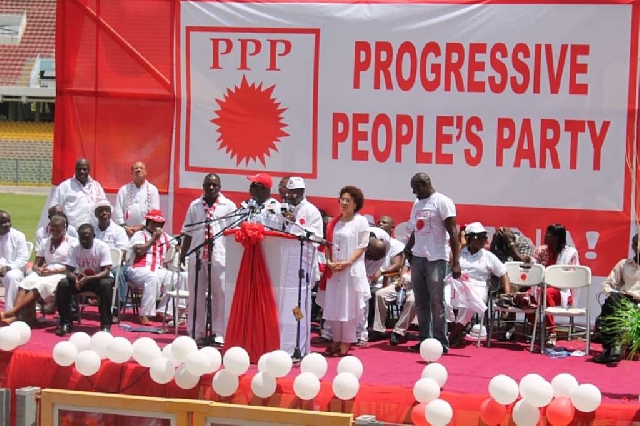
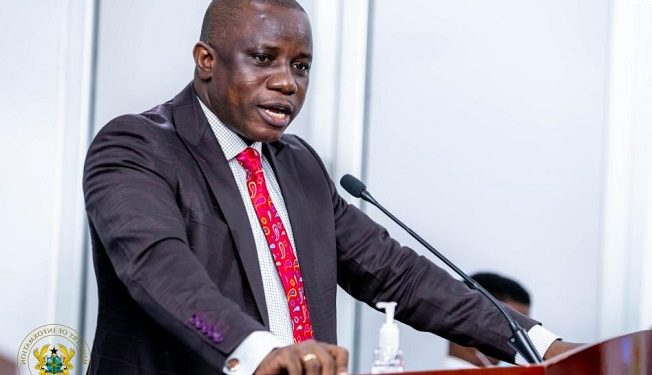
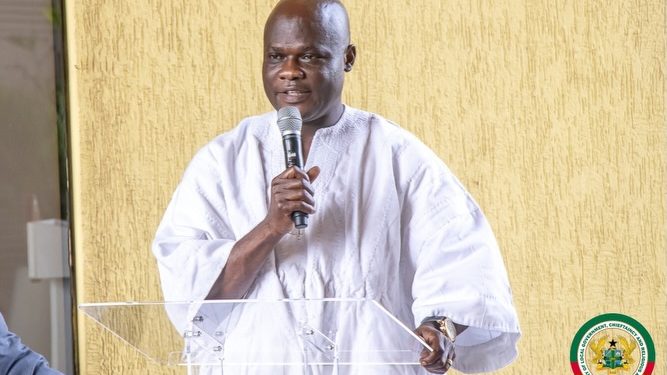
The opposition Progressive People’s Party (PPP) has demanded an amendment of the 1992 Constitution to allow Ghanaians who hold dual citizenship to take part in the governance of the country. Read the full statement below: PRESS STATEMENT DELIVERED BY THE PROGRESSIVE PEOPLE’S PARTY TO MARK DECEMBER 7TH AS THE FIX THE CONSTITUTION DAY 7th December 2021 Felix William Ograh – 1st Vice Chairman We thank you for responding to our invitation to this important press conference to mark the observance of 7th December 2021 as the fix the constitution day of the PPP. In September 2021, we declared December 7th as the fix the constitution day. It was and still is our aim, to remind Ghanaians of the need to conduct a surgical operation on the 1992 Constitution in order to make it a development and people-oriented Constitution for the Republic of Ghana. It is evident that after three solid decades of operating this document, a number of the aspirations in its preamble have eluded the good people of Ghana. Ladies and gentlemen, our consistent advocacy for changes to be made to the 1992 Constitution, is fueled by our undying passion to see the people of Ghana prosper in peace. With this current dictatorial, winner-takes-all constitution which allows for ‘create, loot and share’ by all parties that have been in power since 1992, the future does not look exciting. It will only become better if we make some fundamental changes to our constitution which will affect our politics and also affect the way we develop. Despite the numerous changes we have proposed in the past, we would like to stress and reiterate the following for consideration and to be implemented before the 2024 General Elections. The five areas are as follows: Return power to the people for all Ghanaians to directly elect their district, municipal and metropolitan chief executives without any interference from the President and cancel government appointees into the District Assemblies; Prohibit Members of Parliament from being appointed as Ministers of State or MPs must resign from parliament after their ministerial appointment; Strengthen the office of Attorney-General by separating it from the Ministry of Justice; Introduce a Public Declaration of Assets Regime; and Clarify the eligibility of Ghanaians in the Diaspora to hold Public Office MMDCEs [Amend Articles 242(d) and Articles 243(1) & 243(3)] It will be superfluous to recount the benefits of electing directly and by Universal Adult Suffrage all our Metropolitan, Municipal and District Chief Executives (MMDCEs) as well as all the Members of the District Assemblies. We would like to emphasize that the concept of government appointees should also be completely abolished. This matter has been flogged over the years with elected governments demonstrating a lack of political will to empower the districts to elect their Chief Executive Officers who are the true agents of development. The Members of Parliament (MPs) whose job is to pass legislation have arrogated to themselves the role of development agents with no constitutionally allocated resources. The result is that MPs have resorted to all kinds of unorthodox ways and policy violations to attempt to bring some piecemeal development to the people. For example, the office of the Chief Executive has become a trophy to be won and hijacked by elected political parties to reward party members who could neither become MPs nor Ministers of State. It is therefore not surprising, as their tradition, to see the current General Secretary of the ruling party travelling around the country to conduct the so-called vetting of applicants mostly, party foot soldiers, who have applied to become MMDCEs. When did a political party become a substitute for the established Public Services Commission for the vetting and appointments of candidates to occupy public office? The election of District Chief Executives is long overdue because it remains a democratic deficit and a major impediment in the development of the various smaller units that constitute Ghana. It will ensure that all the resources allocated by the Constitution through the District Assembly Common Fund are demanded by the elected officers and same sent to the districts promptly for local development. It will ensure local accountability, elimination of corruption and rapid development. If citizens are capable of electing the president and members of parliament, they should be credited with the wisdom to decide who governs them at the local government level. The political chicanery orchestrated by the ruling party to deny the good people of Ghana their power; following the aborted referendum on whether or not MMDCEs should be elected on a partisan basis must be viewed as a coup d’état against the people of Ghana by the political class. The question of a partisan election of MMDCEs or otherwise can only be answered by Ghanaians at a referendum so no one can sit in Accra and deny Ghanaians that opportunity under the pretext of a certain lack of consensus. How else can you know the position of Ghanaians on this matter other than through a referendum? The president and the other members of the political class cannot and should not use the partisan debate to conveniently deflect the urgent need for all DCEs plus all Assembly Members to be elected freely and by Universal Adult Suffrage. For the avoidance of doubt, we can actually elect our Chief Executives without going for a referendum. All that we need to do now is for parliament to amend articles 242(d) which deals with the appointment of one-third of Assembly Members and Articles 243(1) and 243(3) which deals with the appointment (and disappointment) of the Chief Executive. Making the referendum on Article 55(3), which prohibits political parties from local government elections, a pre-condition for electing MMDCEs is mischievous and a calculated attempt to postpone once again a very important constitutional amendment. We call on the government to choose patriotism over partisanship in this respect and allow the people of Ghana to elect their own District Chief Executives. If we want Ghanaians to allow political parties to participate in the local