
Bats Blamed for Persistent Power Outages in Builsa North: Community Demands Lasting Solution
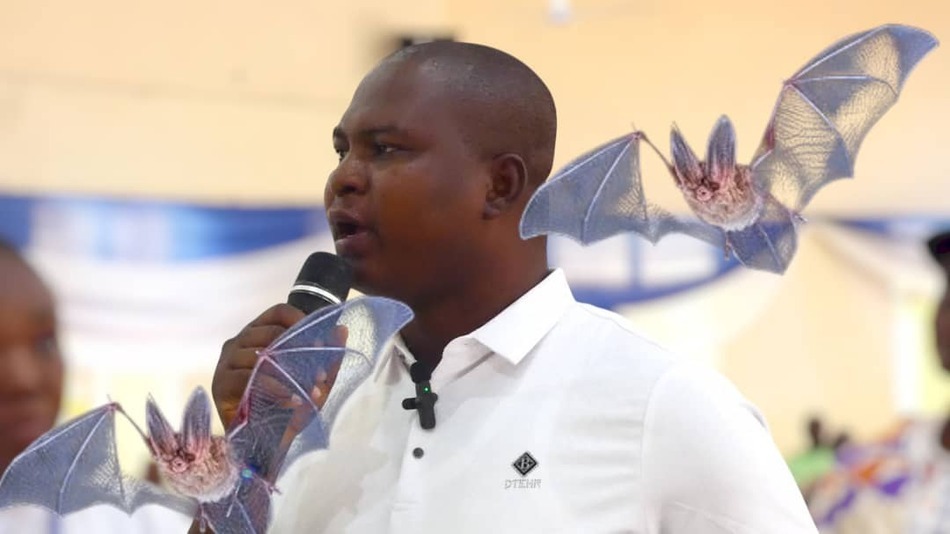
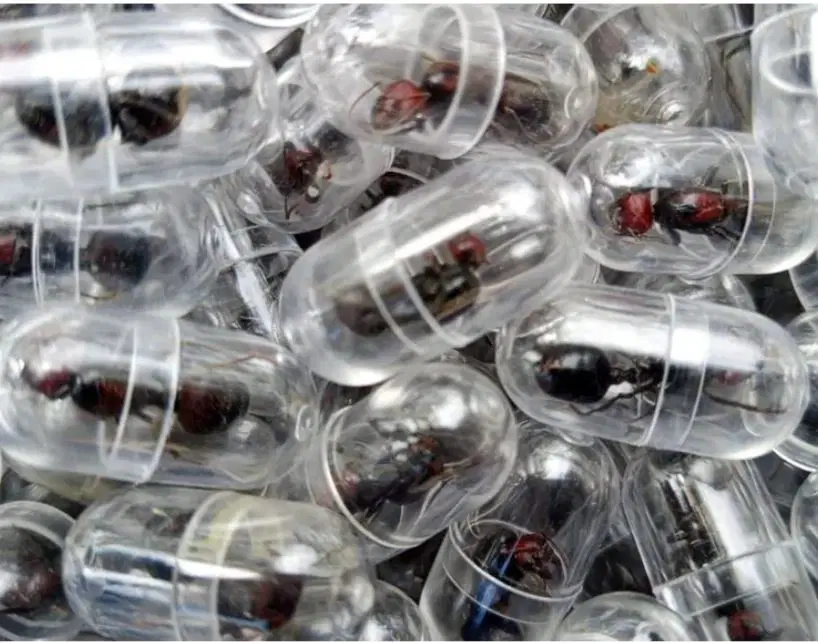
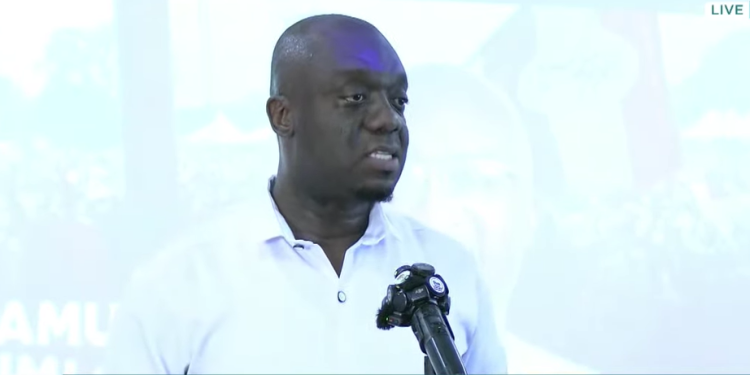
During a recent public engagement organized by the Public Utilities Regulatory Commission (PURC) in the Upper East Region, residents of Builsa North expressed growing frustration over persistent power outages, which they surprisingly attributed to bats. Apexnewsgh reports The meeting, held on Monday, brought together representatives from utility providers, local leaders, and aggrieved community members, whose patience is wearing thin over what has become a recurring disruption in their daily lives. For many in Builsa North, the frequent blackouts have gone from being a mere inconvenience to a serious threat to livelihoods, education, and health. Community members recounted how each time they reached out to the Volta River Authority (VRA) or the Northern Electricity Distribution Company (NEDCo) to complain, the explanation given was always the same: bats are to blame. “It’s always bats, bats, bats,” one resident lamented. “Every time we ask why the lights are out, they say it’s because of bats on the lines or at the substations. But how long must we accept this excuse?” The repeated reference to bats as the culprit has left many residents both bewildered and skeptical. Some see it as a convenient explanation for deeper infrastructural or maintenance problems, while others worry that the issue is not being taken seriously enough by the authorities. For the benefit of the public, Apexnewsgh conducted a quick investigation into the link between bats and power outages. The findings reveal that, while unusual, bats can indeed be responsible for electrical faults and blackouts. In areas with overhead power lines or exposed electrical infrastructure, bats can collide with wires, causing short circuits or faults that lead to outages. Large colonies may also roost or nest on transmission towers and substations. Their droppings and urine can accumulate, creating conductive paths that result in equipment malfunctions and further outages. This phenomenon, while not unique to Builsa North, is recognized by utility companies worldwide. However, communities and wildlife experts agree that there are established measures to mitigate bat-related disruptions. Utilities can install exclusion devices, modify infrastructure, or implement regular cleaning and maintenance schedules to prevent bats from roosting and reduce the risk of outages. Despite this, residents of Builsa North say they have seen little evidence of such interventions. “We are not saying bats aren’t a problem,” another participant noted at the public hearing, “but what are VRA and NEDCo doing to fix it? We deserve a permanent solution—not just excuses.” The persistent outages have had ripple effects throughout the community. Small businesses report losses when refrigeration fails or equipment cannot run. Students struggle to study after dark. Health facilities risk the spoilage of medicines and vaccines that require constant refrigeration. The issue has now become a rallying point for local advocacy, with residents calling on the PURC and all relevant authorities to hold utility providers accountable and demand a comprehensive action plan. Suggestions include the installation of bat deterrents, more frequent inspection and cleaning of substations, and investment in more resilient infrastructure. At the end of the engagement, PURC representatives assured the community that their concerns would be included in ongoing consultations and that follow-up discussions with VRA and NEDCo would address both immediate and long-term solutions. As Builsa North waits for decisive action, the hope is that future power supply stories will focus less on bats and more on the bright promise of reliable electricity for all. Source: Apexnewsgh.com/Ngamegbulam Chidozie Stephen
PURC Holds Public Hearing in Bolgatanga on Proposed Utility Tariffs for 2026–2030
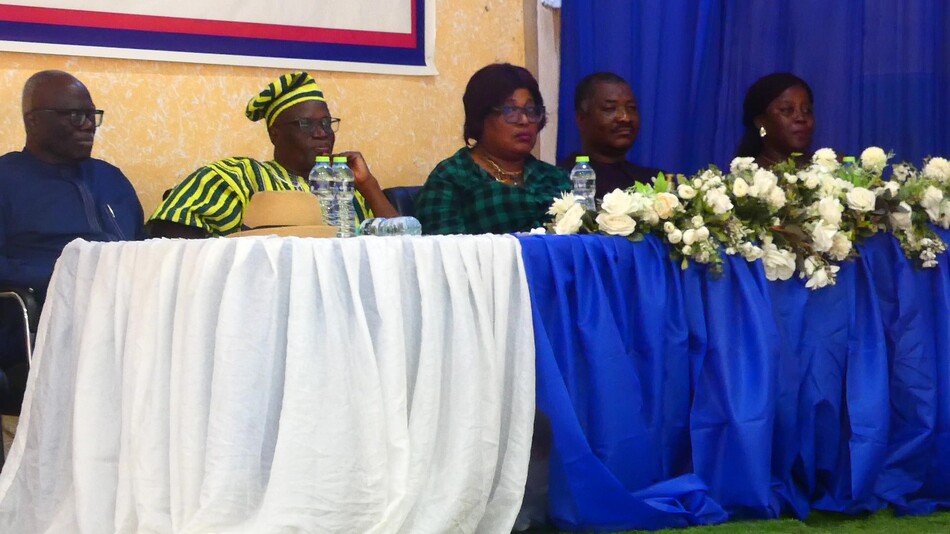
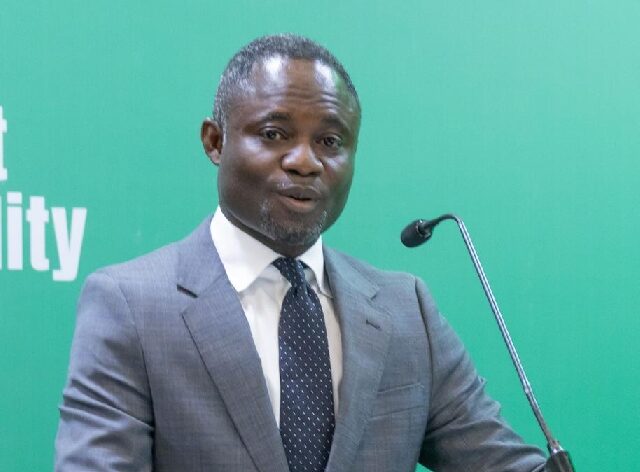
Residents of Bolgatanga, the capital of Ghana’s Upper East Region, gathered this week for a significant public consultation as the Public Utilities Regulatory Commission (PURC) held its Multi-Year Tariff Review Public Hearing. The event, which drew a cross-section of stakeholders including utility providers, civil society organizations, and traditional leaders, sought to deliberate on proposed adjustments in electricity and water tariffs for the 2026–2030 period. The Bolgatanga hearing was part of an ongoing national engagement by the PURC to solicit public views, foster transparency, and offer utility providers the chance to justify requests for upward tariff adjustments. For many residents, it represented a rare opportunity to voice their concerns directly to both regulators and service providers, with the hope that their feedback would shape the future of utility services in the region and across the country. Addressing participants, the chairperson of the PURC stakeholder committee, Nana Yaa Jantuah, underscored the delicate balance the commission must strike. “For us at the PURC, we have to strike that difficult balance, ensuring the financial viability of utility service providers while at the same time guaranteeing that you, our consumers, get the right kind of service,” she remarked. “We are highly committed to ensuring that after you have paid your bill, you get the quality of service you deserve.” Mrs. Jantuah did not shy away from sharing her own challenges with utility delivery in the Upper East Region. Citing her personal experience with erratic electricity, she revealed, “Where I stayed, the lights went off intermittently nine times , that is woefully unacceptable. You cannot ask consumers to pay tariffs when you are not fulfilling your side of the bargain. When I pay my bill, I expect reliable service.” She highlighted the importance of mutual accountability between utility providers and consumers. “If this is happening in one hotel, then God only knows what ordinary consumers are going through. As NEDCo presents its figures to us today, we also expect an assurance of quality service.” Her message to the Northern Electricity Distribution Company (NEDCo) and the Ghana Water Company Limited (GWCL) was unequivocal: “The PURC will not hesitate to sanction you if you are not doing the right thing. The consumer makes your work possible, if they don’t pay, you cannot function.” At the same time, she called on consumers to fulfill their obligations by paying bills promptly, reminding them that reliable service depends on sustainable revenue streams for providers. “While it is your right to receive adequate and reliable power, it is also your responsibility to pay your bills,” she added. The public hearing created a lively forum for dialogue between residents and utility companies. Community members took turns voicing their grievances, with many highlighting issues such as frequent power outages, low water pressure, and delayed maintenance. Some questioned whether proposed tariff increases would be matched by noticeable improvements in service standards. Representatives from NEDCo and GWCL took the opportunity to explain the challenges they face, including rising operational costs, aging infrastructure, and the need for investment to expand and maintain networks. They argued that reasonable tariff adjustments are critical for sustaining operations and meeting the growing demand for electricity and water. Civil society organizations present at the hearing emphasized the need for greater transparency and accountability in the tariff-setting process. They called for clear communication on how new tariffs would be used to enhance service delivery and protect vulnerable populations from disproportionate price hikes. The Bolgatanga hearing is just one stop in a nationwide consultation being conducted by the PURC ahead of its final determination on utility tariffs for the 2026–2030 regulatory period. The commission has pledged to carefully consider all submissions before making decisions that will affect millions of Ghanaians. Mrs. Jantuah reassured attendees that the PURC remains committed to protecting the interests of both consumers and service providers. “We are not here to rubber-stamp any proposal,” she said. “We want to ensure that whatever decision we take is fair, transparent, and in the best interest of all stakeholders.” As the country awaits the conclusion of the hearings and the announcement of new tariffs, the hope among Bolgatanga residents is that the process will result in more reliable, accountable, and fairly priced utility services. Many expressed optimism that their voices had been heard and would influence the PURC’s final decision. The commission is expected to wrap up its nationwide hearings in the coming weeks, with a final announcement on utility tariffs set for later this year. For Bolgatanga and the wider Upper East Region, the outcome will be watched closely as communities continue to call for not just affordable rates but also a tangible improvement in the delivery of essential utilities. Source: Apexnewsgh.com/Ngamegbulam Chidozie Stephen
ECG Violates Revised Cash Waterfall Mechanism, PURC Reports

The Electricity Company of Ghana (ECG) has found itself in hot water with the Public Utilities Regulatory Commission (PURC) over its failure to comply with the revised Cash Waterfall Mechanism (CWM). Apexnewsgh reports Introduced in August 2023 under President Nana Addo Dankwa Akufo-Addo’s directive, the CWM aimed to boost financial stability in Ghana’s energy sector by ensuring transparency and fairness in revenue distribution. However, the PURC’s report reveals that ECG hasn’t made monthly payments to stakeholders as required, sparking concerns about the company’s commitment to transparency and fairness. The PURC stressed that ECG’s non-compliance undermines the purpose of the CWM, which is to allocate revenue fairly among sector players. The commission also criticized ECG for its inconsistent and opaque payment practices, citing these issues as major contributors to the sector’s dwindling financial stability and declining service quality. “The lack of transparency and consistency in revenue payments has severe consequences, including worsening financial sustainability and deteriorating service quality,” the PURC warned. It’s worth noting that ECG has since shown improvement in complying with the CWM, as reported by the PURC for March 2024 payments. However, the company must sustain this progress to regain stakeholder trust and ensure a stable energy sector. Apexnewsgh.com/Ghana/Ngamegbulam Chidozie Stephen Please contact Apexnewsgh.com on email apexnewsgh@gmail.com for your credible news publications. Contact: 0248250270/0256336062. Key Concerns: – Lack of Transparency: ECG’s inconsistent payment practices hinder transparency in revenue distribution. – Inequitable Revenue Allocation: Non-compliance with CWM guidelines undermines fair revenue allocation among sector players. – Declining Service Quality: Inconsistent payments impact the overall quality of services provided by ECG. The PURC’s findings serve as a wake-up call for ECG to rectify its payment practices and prioritize transparency, fairness, and financial stability in Ghana’s energy sector.
PURC Announces 6.56% Reduction in Electricity Tariffs for Residential Consumers
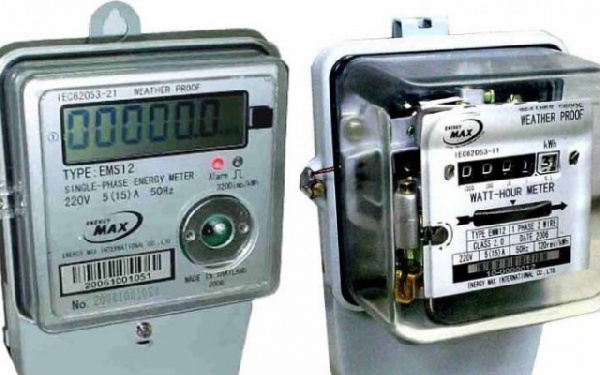
The Public Utilities Regulatory Commission (PURC) has recently made a significant announcement regarding a reduction in electricity tariffs specifically aimed at benefiting residential consumers. The reduction, set at 6.56%, is expected to positively impact those within the consumption bracket of 301 kWh and above. In a statement released by the Commission, it was clarified that the marginal tariff reduction will not apply to lifeline consumers (0-30 kWh) as well as residential consumers falling within the 0-300 kWh consumption bracket. For those falling into the higher consumption bracket of 301 kWh and above, there will be an average reduction of 6.56% in electricity tariffs. The press release further detailed that non-residential consumers within the 0-300 kWh consumption bracket will not experience any changes in their tariff rates. However, for non-residential consumers falling within the 301 kWh and above bracket, an average reduction of 4.98% is expected. This move by the PURC is seen as a step towards providing relief to residential consumers and promoting more equitable pricing structures in the electricity sector. It is anticipated that this reduction will bring about cost savings for many households and contribute to increased affordability of electricity across various consumer groups. Apexnewsgh.com/Ghana/Ngamegbulam Chidozie Stephen Please contact Apexnewsgh.com on email apexnewsgh@gmail.com for your credible news publications. Contact: 0256336062.
UER: NEDCO activates mobilization exercise to recover GH¢125 million from clients
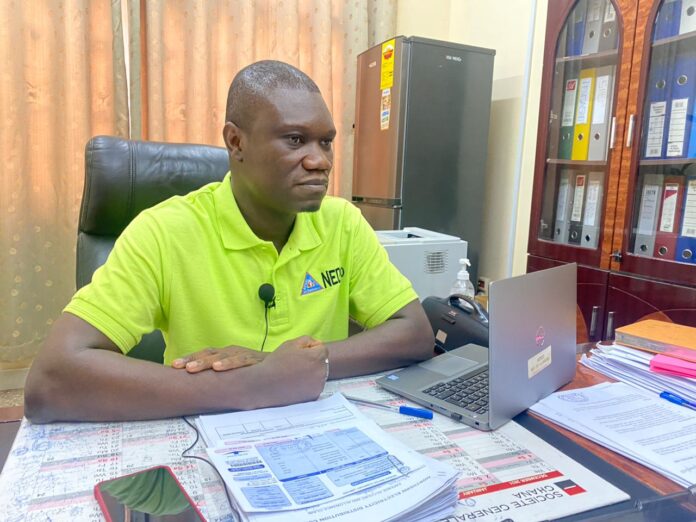
NEDCO activates mobilization exercise to recover GH¢125 million from clients The Northern Electricity Distribution Company in the Upper East Region has activated a revenue mobilization exercise to recover some GH¢125 million owed the company by clients. The mobilization exercise has caused the partial shutdown of the NEDCO Office in the Upper East Regional capital for all staff to take part in the exercise. NEDCO Ing. Eugene Odoi Addo, the Upper East area manager of NEDCO told the media that government agencies alone in the region owe some GH¢55 million out of the total amount of GH¢125 million. “This exercise is expected to recoup as much as possible. Our global target is to retrieve about 75% of the entire indebtedness and so that is why there is the need to go after those who owe us and collect those monies. Any customer who owes us is a target, so we expect all customers to be rushing to settle their debt,” Ing. Addo told newsmen. According to him, the intention and purpose of the exercise are not to disconnect customers but to retrieve monies owed the company. The month-long exercise will see officials and staff of NEDCO storm government agencies and departments, business establishments and residential facilities. NEDCo has disclosed that a staggering GH¢1.2 billion is owed them by customers across all their operational areas as of January 2023. The company spends a colossal GH¢120million every month to ensure electricity is available to consumers yet it is only able to realize GH¢85million monthly. This leaves the company with losses of over GH¢35million monthly. Source: Apexnewsgh.com/Ghana For publication please kindly contact us on 0256336062 or Email apexnewsgh@gmail.com
Our job as regulator is to ensure consumers get value for money –NPA
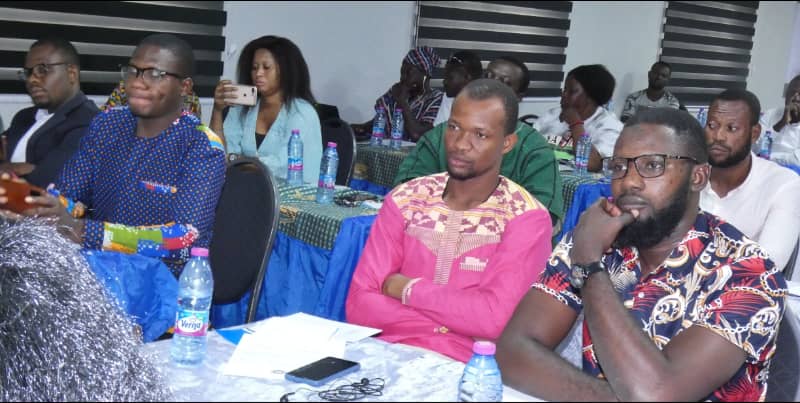
National Petroleum Authority (NPA) has said, its job as a regulator is to ensure that consumers get value for money. Officials of NPA made the revelation during an engagement with journalists in the Upper East Regional capital Bolgatanga on Tuesday, June 14, 2022. Issues regarding the quality of petroleum products and the price of petroleum products in recent times have become a public debate among citizens who one way or the other do not understand the operation of the National Petroleum Authority and what goes into the pricing of petroleum products. Most people even believe the government is responsible for the price determination of petroleum products in the country. These and more, have triggered officials of NPA to the Upper East Region to sensitize media practitioners. According to the Head of Economic Regulation at the National Petroleum Authority, NPA, Abass Ibrahim Tasunti, in order to clear some misconceptions surrounding the activities of NPA, there is a need for media engagement. “We thought that as journalists who continue to engage the public through your platforms, it will be very good for you to get some understanding of what goes into the pricing of petroleum products and also the issue of quality. We want to make sure you understand what NPA does to ensure that the integrity of the product we buy at pumps are intact”. He said Abass Ibrahim Tasunti said, “the price of petroleum product is done through a formula and in this formula, you would notice that key driver of the price of the petroleum product is based on what happened on the world market. It is directly influenced by the price of the product on the world market. “We want people to understand that regulator’s job is to ensure that consumers get value for money. We don’t determine the price but, we make sure the pricing is done according to the formula. Apexnewsgh.com/Ghana/Ngamegbulam Chidozie Stephen Please contact Apexnewsgh.com on email apexnewsgh@gmail.com for your credible news publications. Contact: 05555568093