



Modern Day Social Media Slavery: The Monetization Dilemma Facing African Content Creators
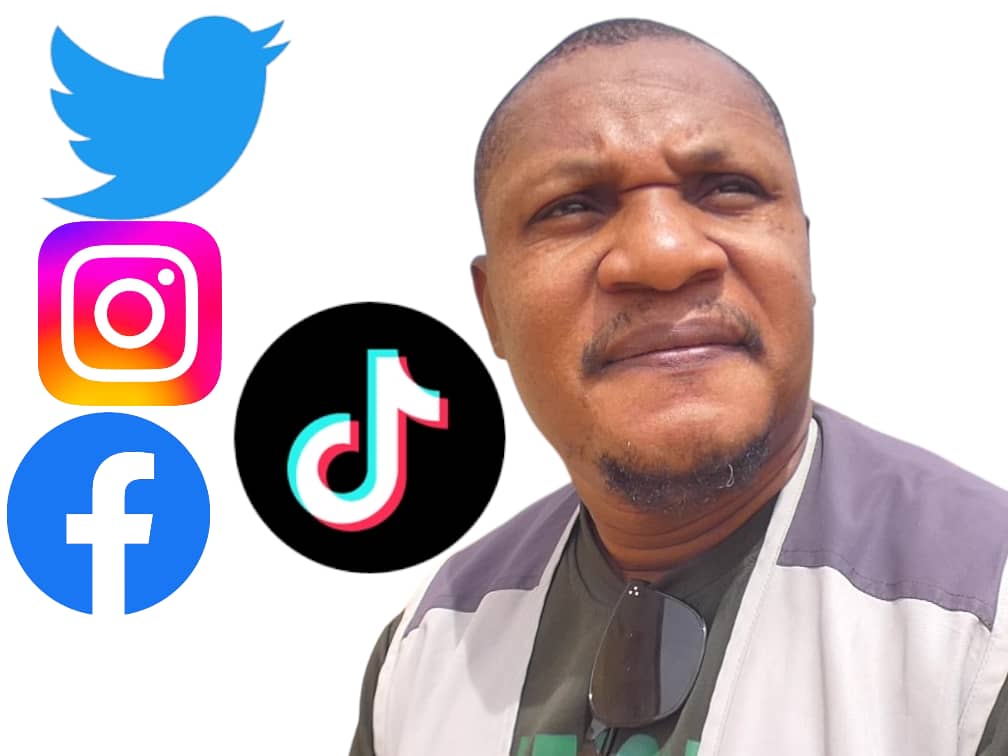
Ngamegbulam Chidozie Stephen Email: apexnewsgh@gmail.com In the digital age, social media has become a global equalizer, bridging continents, cultures, and communities. Platforms like Facebook, TikTok, Instagram, and YouTube have revolutionized how we interact, share stories, and even build livelihoods. Yet, beneath this veneer of democratization, a troubling disparity persists, one that many African content creators and digital entrepreneurs are finding increasingly difficult to ignore. The question that lingers: Why are African creators still largely excluded from direct monetization opportunities offered by these very platforms? Recently, media personality Ngamegbulam Chidozie Stephen voiced his concerns about what he describes as “modern-day social media slavery,” a term that resonates deeply with many across the continent. His frustration and that of countless others stems from the ongoing marginalization of African voices in the digital economy, particularly when it comes to earning money from content creation. Africa’s social media landscape is nothing short of remarkable. TikTok, for example, boasts over 189 million users across the continent, an impressive 11.9% of its global audience. The surge is most notable among Gen Z, with Egypt and Nigeria leading in user numbers at 32.9 million and 27.4 million, respectively, closely followed by South Africa’s 17.5 million. Facebook’s dominance is even more pronounced, with between 290 and 377 million African users as of 2025-2026, representing a staggering 82% market share among all social platforms. Instagram and YouTube also enjoy robust growth, driven by widespread smartphone adoption and improving internet infrastructure. YouTube alone counts roughly 180 million African users, with Egypt, Nigeria, and South Africa topping the charts. These statistics highlight Africa’s immense contribution to the global digital community. The continent’s youth, in particular, are not just passive consumers; they are active creators, trendsetters, and influencers. Yet, despite their numbers and creativity, a significant barrier remains: the inability to directly monetize their creativity on major platforms like TikTok. For millions of African content creators, the lack of direct monetization options is not just an inconvenience; it’s a structural disadvantage. TikTok, in particular, has come under scrutiny for not enabling direct monetization for African users, despite the platform’s rapid growth and deep penetration across the continent. While some African countries have recently gained access to Facebook’s monetization features, TikTok’s policies still leave many creators in the lurch. This exclusion means that, for now, the only way for an African TikTok creator to earn from their content is through complex workarounds. Typically, creators must rely on intermediaries based in the US or Europe, who register accounts, enable monetization, and then share the proceeds with their African partners. This not only complicates the process but also perpetuates a dependence on Western gatekeepers, a scenario that many, including Mr. Stephen, liken to a new form of digital servitude. The frustration is palpable, especially when considering the influence of African content creators on global trends. Figures like Mark Angel, Itsyaboymaina, Carter Efe, Ilyas El Maliki, Wode Maya, Mihlali Ndamase, Aisha Yesufu, and others have amassed millions of followers and generated content that resonates far beyond the continent’s borders. They are proof that African creativity is not only vibrant but also commercially viable. Yet, these same heroes are now being called upon to leverage their influence for change. As Mr. Ngamegbulam passionately argues, they have a responsibility, not just to themselves, but to the broader African creator community, to advocate for policy reforms that will allow direct monetization for all African users. Their collective voices could pressure tech giants to recognize Africa’s value not just as a market, but as an essential part of the global creative economy. Describing the situation as “modern-day slavery” is not mere hyperbole. The current dynamics effectively relegate African creators to second-class status in the digital world. While creators in the West enjoy seamless access to monetization features, sponsorships, and brand partnerships, their African counterparts are forced to navigate a maze of bureaucratic hurdles and rely on international connections just to earn a share of the same opportunities. This is particularly egregious when considering that Africa’s youth are among the most engaged and dynamic users of these platforms. The West reaps the benefits, both in terms of advertising revenue and cultural capital, while Africans are left scrambling for scraps. The exclusion is not only economically damaging, but it also sends a troubling message about whose voices and stories are considered valuable in the digital age. For many young Africans, social media represents more than just entertainment; it’s a lifeline to economic empowerment, self-expression, and global visibility. The inability to monetize content directly stifles entrepreneurship, discourages innovation, and perpetuates existing inequalities. It also means that Africa’s digital economy is not reaching its full potential, with billions of potential revenue lost to foreign intermediaries. Moreover, the absence of direct monetization deepens the digital divide between Africa and the rest of the world. It prevents local creators from reinvesting in their communities, building sustainable businesses, or even supporting themselves and their families. This is especially critical given the continent’s burgeoning youth population and high unemployment rates, conditions that make the promise of digital entrepreneurship all the more appealing. The reasons behind this exclusion are complex. Some platforms cite issues like payment infrastructure, regulatory challenges, or concerns about fraud. Others may simply be slow to adapt their policies to regions outside their primary markets. But whatever the rationale, the effect is the same: African creators are systematically denied the same opportunities afforded to their peers elsewhere in the world. This disparity is all the more galling given the relentless growth of social media usage in Africa. The continent is one of the fastest-growing markets for platforms like TikTok, Instagram, and YouTube. Its users are young, tech-savvy, and eager to engage. They create viral trends, generate massive view counts, and shape conversations on a global scale. The data is clear: Africa is not just a consumer market; it is a creative powerhouse. It is both ironic and troubling that, to monetize their creativity, African content creators must rely on Western infrastructure and intermediaries. This not
Elon Musk to quit as Twitter CEO when replacement found

Elon Musk has said he will resign as Twitter’s chief executive officer when he finds someone “foolish enough to take the job”. The billionaire promised earlier to abide by the result of a Twitter poll which saw 57.5% of users vote “yes” to him quitting the role.He says he will still run the software and servers teams after his replacement is found.Changes on the platform since his takeover have been much criticised. The BBC is not responsible for the content of external sites.View original tweet on TwitterSince Mr Musk bought the social media site in October, he has fired about half of its staff and attempted a rollout of Twitter’s paid-for verification feature before putting it on pause. The feature was relaunched last week. Civil liberties groups have also criticised his approach to content moderation, accusing him of taking steps that will increase hate speech and misinformation. On Friday, Mr Musk was condemned by the United Nations and European Union over Twitter’s decision to suspend some journalists who cover the social media firm. The UN tweeted that media freedom was “not a toy”, while the EU threatened Twitter with sanctions. This is the first time the multibillionaire has responded to the poll launched on Sunday asking if he should resign. Finding someone to take over the social media platform may be a challenge, according to Mr Musk. Some people speculate Twitter co-founder Jack Dorsey could also come back to run the company. He resigned as chief executive in November 2021. “No one wants the job who can actually keep Twitter alive,” he tweeted following the poll.The BBC is not responsible for the content of external sites.View original tweet on TwitterOther names mentioned as possible replacements include Sheryl Sandberg, Facebook’s former chief operating office, Sriram Krishnan, engineer and close confidante to Mr Musk, and Jared Kushner, US former presidential adviser and son-in-law of Donald Trump. In the past Mr Musk has obeyed Twitter polls. He is fond of quoting the Latin phrase vox populi, vox dei which roughly means “the voice of the people is the voice of God”. The BBC is not responsible for the content of external sites.View original tweet on Twitter In response to a tweet saying Twitter Blue subscribers “should be the only ones that can vote in policy related polls. We actually have skin in the game”, Mr Musk said: “Good point, Twitter will make that change.” Twitter’s paid-for verification feature was rolled out for a second time last week after its launch was paused. The service costs $8 per month, or $11 for people using the Twitter app on Apple devices, and gives subscribers a “blue tick”. Previously a blue tick was used as a badge of authenticity and was free.For weeks, investors have called on Mr Musk to step down from running the social media platform, saying he has been distracted from properly running Tesla. Shares in the the electric car company have plummeted more than 65% over the past year.Mr Musk sold billions of dollars worth of Tesla shares to help fund his purchase, which helped to push the shares down. “Finally a good step in the right direction to end this painful nightmare situation for Tesla investors,” said Dan Ives from investment firm Wedbush Securities after Mr Musk’s tweet on Tuesday. Source: BBC
Twitter rejected FG’s demand that Nnamdi Kanu’s account be blocked – Lai Mohammed

Micro-blogging platform Twitter rejected the Nigerian government’s demand that the account of the leader of the Indigenous People of Biafra (IPOB) Nnamdi Kanu be blocked, Minister of Information and Culture Lai Mohammed disclosed on Tuesday. Mohammed stated this when he featured on ‘Politics Nationwide,’ a Radio Nigeria call-in programme in Abuja, according to the News Agency of Nigeria (NAN). The minister insisted that Twitter was suspended in Nigeria because the platform was being used to promote the views of those who wanted to destabilize the country. Mohammed said that it was unfair to conclude that Twitter was suspended because it deleted a tweet posted by President Muhammadu Buhari. “Twitter has become a platform of choice for a particular separatist promoter,” he said. “The promoter consistently used the platform to direct his loyalists to kill Nigerian soldiers and policemen, run-down INEC offices and destroy all symbols of Nigeria’s sovereignty. “Every attempt to persuade Twitter to deny its platform to this separatist leader was not taken serious.” The minister added that the Nigerian government had no apology to offer to those who were unhappy with the suspension of Twitter’s operations in the country. He argued that a country must exist in peace before citizens could exercise freedom of speech. Speaking further, Mohammed blamed the violence and destruction of property recorded in parts of the country during the #EndSARS protests on Twitter and its founder, Jack Dorsey. Please contact Apexnewsgh.com on email apexnewsgh@gmail.com for your credible news publications. Contact: 05555568093
Twitter ban: Facebook, IG unveil free products for content creators
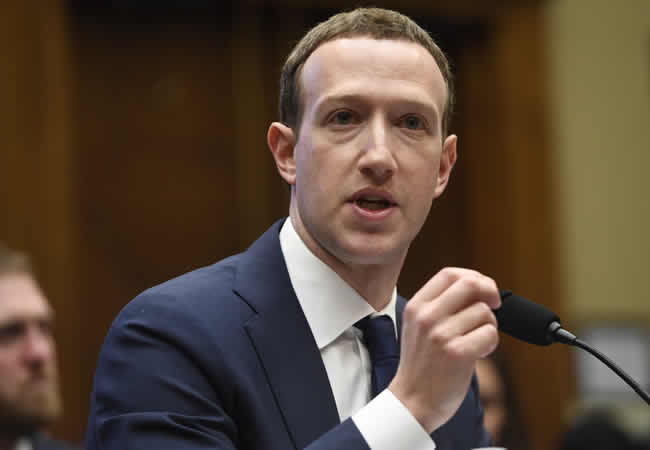
American media magnate and Chief Executive Officer of Facebook, Mark Zuckerberg, seems to be on a swift mission to attract more social media users in Nigeria when he announced free products for content creators on all Facebook-owned services including WhatsApp and Instagram. According to Zuckerberg, the free products will enable creators to make more money, adding that the offer will be available till 2023. “To help more creators make a living on our platforms, we’re going to keep paid online events, fan subscriptions, badges, and our upcoming independent news products free for creators until 2023. And when we do introduce a revenue share, it will be less than the 30% that Apple and others take,” he wrote in a Facebook post on Monday. Unlike microblogging site Twitter; Facebook, Instagram and WhatsApp cannot be said to have ruffled the feathers of the Nigerian government. In fact, in August 2016, Zuckerberg visited Lagos, Nigeria. The trip was his first to sub-Saharan Africa. “This is my first trip to sub-Saharan Africa,” he had said in a Facebook post. He had met with the Nigerian President, Major General Muhammadu Buhari (retd.), and Vice-President Yemi Osinbajo during his visit. Zuckerberg also met with tech developers and entrepreneurs mostly in the Yaba area of Lagos which has been described as the tech hub of Lagos. “The energy here is amazing and I’m excited to learn as much as I can,” the Facebook chief had said during the trip. But the Chief Executive Officer of Twitter, Jack Dorsey, has not been in the good books of the Nigerian government since last October over an allegation that he was complicit in the promotion of the #EndSARS protests that ended in the destruction of lives and billions of property in Nigeria. Last week, the Buhari regime suspended Twitter, citing the “persistent use of the platform for activities that are capable of undermining Nigeria’s corporate existence”. The Federal Government’s action followed a deletion of a controversial civil war post by the President. The Buhari regime has since come under fire for what many termed as a restriction of the right of expression. The international community including the European Union, the United Kingdom, the United States, Canada, amongst others have since knocked the Buhari regime for the action but the Federal Government has been unyielding in its stance insisting that the sovereignty of the West African nation must be respected by the San Francisco tech giant. Millions of content creators in Nigeria, who earn their living from the microblogging site, have been affected as they are forbidden from using Twitter. Some of them have since embarked on a journey of diversification while exploring other social media platforms. Nigeria, with over 200 million people, had about 33 million active social media users as of January 2021. WhatsApp is the most popular platform used in the country, with over 90 million users according to Statista. Also according to Statista, about 61.4 per cent of Nigerian social media users use Twitter, 86.2 per cent use Facebook, 81.6 per cent use YouTube, 73.1 per cent use Instagram, and 67.2 per cent use Facebook Messenger. Punch Please contact Apexnewsgh.com on email apexnewsgh@gmail.com for your credible news publications. Contact: 05555568093