

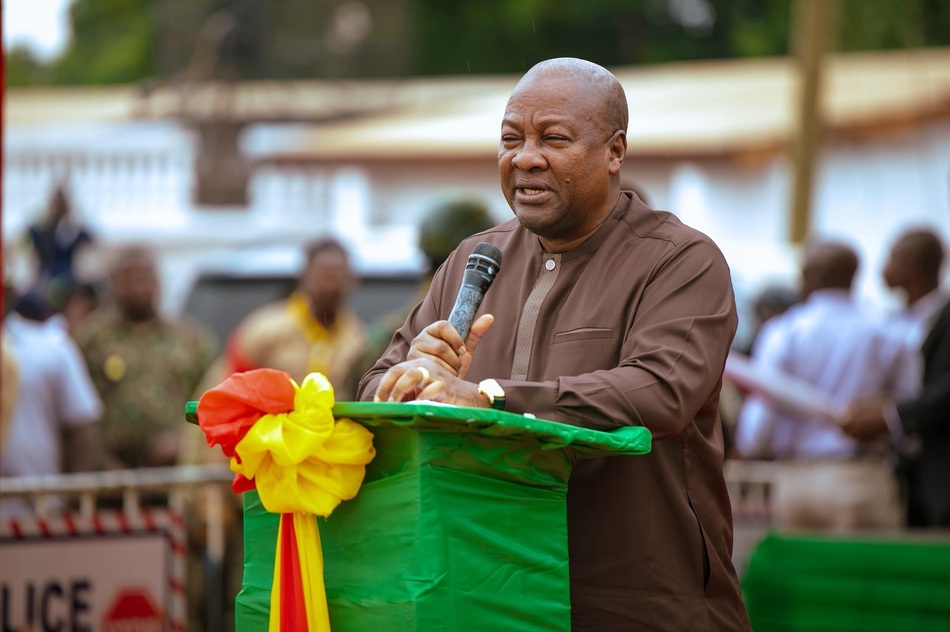
Journalists Gather to Strengthen Climate Resilience in Ghana’s WASH Sector
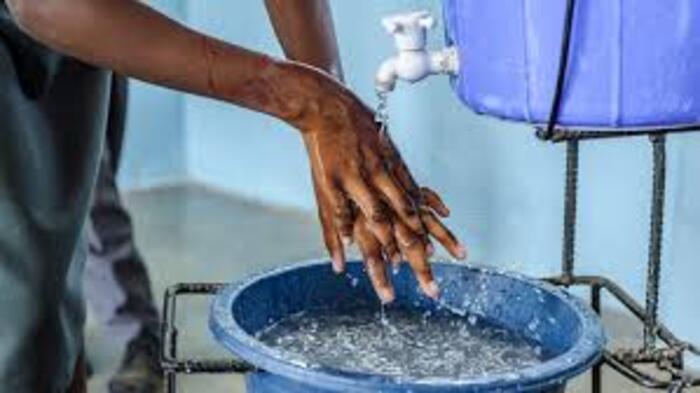
A group of passionate members of Ghana Watsan Journalists Network (GWJN) across the country gathered for a unique training session that would shape the future of climate reporting in the country. The meeting, organized by Bawku East Women’s Development Association (BEWDA) and WaterAid as part of the broader CEDAW-CLIMB partnership, with support from the Swedish government and WaterAid UK/Ghana, aimed to empower reporters with knowledge at the intersection of climate change and WASH (Water, Sanitation, and Hygiene). The presenters painted a vivid picture of Ghana’s changing environment: groundwater sources dwindling, unpredictable weather patterns, coastal erosion, droughts, and floods. These changes, they explained, deeply affect health and livelihoods, but place especially heavy burdens on women and girls. Fetching household water, managing menstrual hygiene, and ensuring maternal care all become more difficult as climate impacts worsen. As the conversation unfolded, the group explored what it truly means to build climate resilience in WASH. Mr. Ibrahim Musah, one of the presenters, described resilience as the ability of social, economic, and environmental systems to cope, adapt, and transform in the face of challenges. He suggested two key measures for water systems: structural robustness and continued service delivery. To bring these ideas to life, he recounted stories from Bawku West and other Upper East communities, where flooded platforms, seasonal drops in borehole yields, and collapsed latrines exposed the fragility of local infrastructure. The room buzzed with debate as participants discussed how construction practices, regular monitoring, and strong evidence collection could help communities withstand climate shocks. The session also demystified the concepts of climate-resilient WASH and the financial mechanisms available to support it, including the Green Climate Fund and guidelines from the Sanitation and Water for All initiative. The presenters emphasized that winning funding requires more than good intentions: proposals must be grounded in scientific evidence, demonstrate a clear climate rationale, and show what additional benefits will be delivered. To equip journalists for this task, the training introduced modeling tools and long-term trend analyses, essential resources for crafting evidence-based climate proposals and advocating for community-centered climate justice. By the end of the day, the journalists left not just with new knowledge but with a shared sense of purpose, to tell the stories that will drive resilience and justice for all Ghanaians. Source: Apexnewsgh.com
President Akufo-Addo Spearheads Groundbreaking Initiative for Water, Sanitation, and Hygiene in Ghana

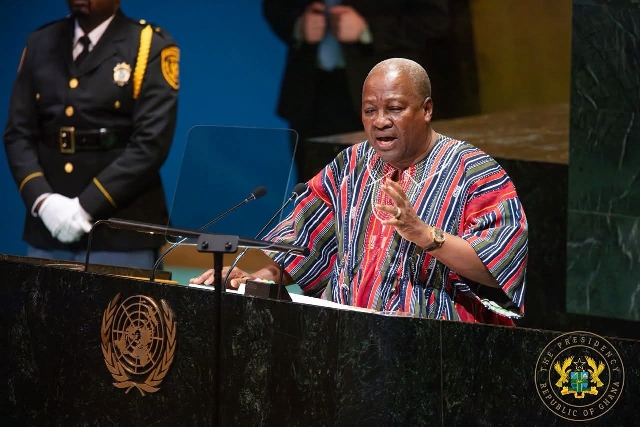
The President of Ghana, H. E. Nana Addo Dankwa Akufo-Addo, has officially signed a historic Presidential Compact on Water, Sanitation, and Hygiene (WASH). Apexnewsgh reports This initiative is a significant step towards improving public health, enhancing climate resilience, and ensuring that even the most remote communities have access to essential WASH services. Under this groundbreaking agreement, the Ghanaian government will allocate an estimated US$1.7 billion annually towards WASH initiatives until the year 2030. These funds will be directed towards providing WASH services in schools, healthcare facilities, and underserved communities, ensuring that every citizen has access to clean water and proper sanitation facilities. During the signing ceremony, President Akufo-Addo emphasized the critical importance of WASH services in achieving sustainable development, stating that without these basic necessities, progress will remain out of reach. He described the Presidential Compact as a continuation and amplification of Ghana’s efforts to ensure universal access to WASH services. Hon. Lydia Seyram Alhassan, Minister for Sanitation and Water Resources, praised Ghana’s swift action in bringing the Compact to fruition just one year after it was announced as a commitment at the UN 2023 Water Conference. She highlighted the establishment of a National Sanitation Authority, which will work towards eliminating open defecation by 2030. Additionally, Ghana’s national climate strategy will now include building climate-resilient water and sanitation infrastructure and services to address the challenges posed by climate change-induced droughts and floods. This initiative was the result of extensive consultations with various stakeholders, including government agencies, development partners, academic institutions, and civil society organizations. Supported by partners such as the Government of the Netherlands, the UK Foreign, Commonwealth and Development Office, UNICEF, and IRC WASH, Ghana is setting a powerful example for other countries to follow in the global effort to achieve universal access to WASH services. Source: Apexnewsgh.com Thanks for reading from Apexnewsgh as a news publishing website from Ghana. We encourage you to freely share this story via social media platform and follow us on; Facebook on APEXNEWSGH-Tv or Please contact Apexnewsgh.com on email apexnewsgh@gmail.com for your credible news publications. Contact: 0248250270/0256336062.
Sustainable WASH Services: A Cornerstone for Socio-Economic Development in Ghana
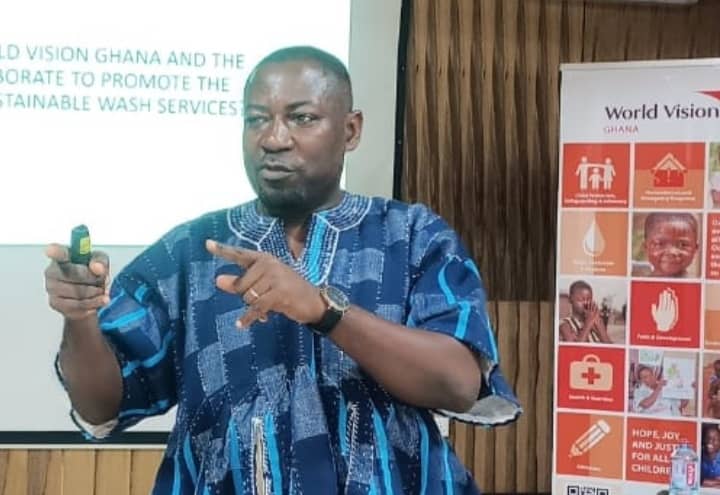
Access to sustainable water, sanitation, and hygiene (WASH) services is a fundamental human right, essential for human well-being, dignity, and economic productivity. Apexnewsgh reports In Ghana, World Vision Ghana, a humanitarian organization dedicated to improving the lives of children, families, and communities, has emphasized the crucial role of sustainable WASH services in achieving socio-economic development. During a joint workshop with the Ghana WASH Journalists Network (GWJN) and the Media Coalition Against Open Defecation (M-CODe), Mr. Yaw Attah Arhin, a WASH Specialist with World Vision Ghana, highlighted the importance of sustainable WASH services and the need for collaboration to achieve this goal. The Role of Sustainable WASH Services in Socio-Economic Development Arhin stressed that access to sustainable WASH services is a fundamental catalyst for growth and a core value of World Vision Ghana. Sustainable WASH services are critical for preventing the spread of diseases, reducing child mortality rates, and improving public health. However, he acknowledged that access to clean water, sanitation facilities, and good hygiene practices is essential for economic productivity, education, and gender equality, emphasizing that sustainable WASH services are a prerequisite for achieving the United Nations’ Sustainable Development Goals (SDGs), particularly SDG 6, which aims to ensure universal and equitable access to safe and affordable drinking water and sanitation for all. The Power of Media in Advocating for Improved WASH Services World Vision Ghana recognizes the media’s potential to drive change and transformation in society, making them valuable partners in advocating for improved WASH services. The workshop aimed to enhance the skills of journalists in the Ghana WASH Journalists Network and the Media Coalition Against Open Defecation, enabling them to effectively advocate for better WASH services and report on related issues. “By sharpening their skills and knowledge on international best practices and global developments, journalists can support World Vision Ghana’s policy engagements and influence policy changes for accelerated delivery of WASH services”. Collaboration for Progress Mr. Arhin emphasized the importance of collaboration in achieving the goal of improved WASH services. World Vision Ghana acknowledges the media’s capacity to amplify the message and drive progress in the WASH sector. The organization is committed to working with the media, government, and other stakeholders to ensure that sustainable WASH services are accessible to all Ghanaians, particularly the most vulnerable populations. By working together, we can ensure that Ghana achieves the SDGs and becomes a more prosperous and equitable society. Conclusion Mr. Arhin believes, sustainable WASH services are essential for socio-economic development in Ghana, as he further emphasized on the importance of sustainable WASH services and collaboration with the media and other stakeholders is crucial in driving progress in the WASH sector. By working together, we can ensure that all Ghanaians have access to clean water, sanitation facilities, and good hygiene practices, leading to improved public health, economic productivity, and a better future for generations to come. Source: Apexnewsgh.com Thanks for reading from Apexnewsgh as a news publishing website from Ghana. We encourage you to freely share this story via social media platform and follow us on; Facebook on APEXNEWSGH-Tv or Please contact Apexnewsgh.com on email apexnewsgh@gmail.com for your credible news publications. Contact: 0248250270/0256336062.
Environmental Communication Expert Urges Media to Champion WASH Awareness
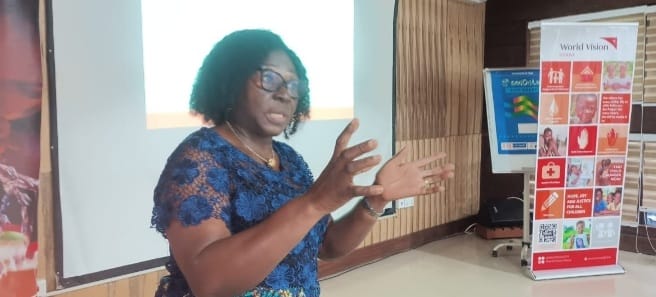
Madam Ama-Kudom Agyemang, Executive Director of Media Platform on Environment and Climate Change (MPEC), has emphasized the media’s vital role in promoting Water, Sanitation, and Hygiene (WASH) in Ghana. Apexnewsgh reports The well known environmental communicator made her emphasis during a joint workshop for the Ghana WASH Journalists Network (GWJN), Media Coalition Against Open Defecation (M-CODe), and journalists at Ada Aqua Safari Resort. Madam Agyemang, led a session on “Strategies for Effective WASH Journalism and Advocacy,” highlighting the media’s power to raise awareness and change attitudes and behaviors. According to her, the media can make a difference by educating the public about the risks of poor WASH practices and how to prevent them, “the media can make a significant impact on the lives of all Ghanaians”. She stressed Auntie Ama, as she is widely known further encouraged journalists to utilize various media outlets to reach a wider audience and promote WASH awareness, emphasizing the importance of collaboration between the media, civil society, and government to drive meaningful change in the WASH sector. “By working together, we can ensure that all Ghanaians have access to safe water, sanitation, and hygiene facilities, ultimately improving public health and well-being”. Source: Apexnewsgh.com Thanks for reading from Apexnewsgh as a news publishing website from Ghana. We encourage you to freely share this story via social media platform and follow us on; Facebook on APEXNEWSGH-Tv or Please contact Apexnewsgh.com on email apexnewsgh@gmail.com for your credible news publications. Contact: 0248250270/0256336062.
World Vision Ghana Urges Government to Establish National Sanitation Authority
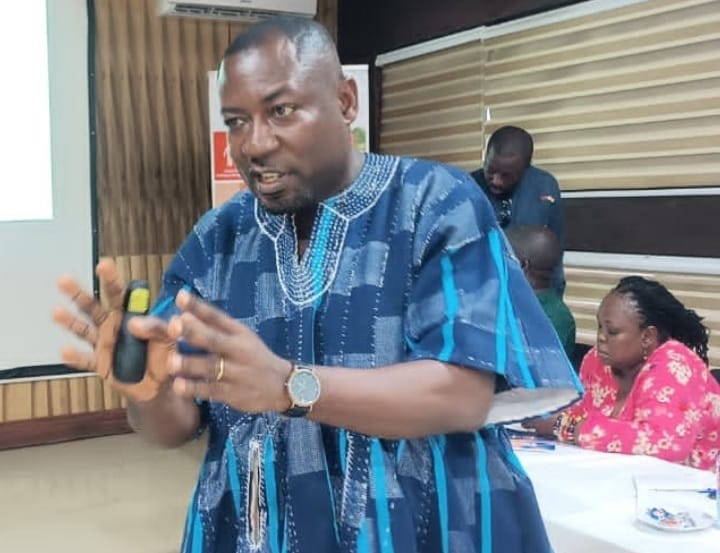
World Vision Ghana, a leading humanitarian organization, has called on the government to establish a National Sanitation Authority to address the country’s sanitation challenges. Apexnewsgh reports Mr. Yaw Attah Arhin, a Water, Sanitation, and Hygiene (WASH) specialist with World Vision Ghana, made this appeal during a joint workshop with the Ghana WASH Journalists Network (GWJN), the Media Coalition Against Open Defecation (M-CODe), and journalists from across the country. The Need for a National Sanitation Authority Mr. Arhin emphasized the need for a National Sanitation Authority, a proposal that has been pending since 2017 despite numerous meetings and discussions. He stressed that the lack of a National Sanitation Authority has hindered effective management of the sanitation sector, resulting in inadequate sanitation services for many Ghanaians. Benefits of a National Sanitation Authority Mr. Arhin highlighted the numerous benefits that a National Sanitation Authority would bring to the country’s sanitation sector. These benefits according to Mr. Arhin include: Standardization: Ensuring consistency in sanitation practices and standards across the country. Compliance: Enforcing regulations and guidelines to improve sanitation services. Enforcement: Strengthening enforcement mechanisms to address sanitation-related issues. Research and Development: Promoting innovation and research in the sanitation sector. The Current State of Sanitation in Ghana Mr. Arhin lamented that Ghana is losing out by not having a National Sanitation Authority, as the sanitation sub-sector is struggling, with only a few private sector players making a positive impact. He emphasized that the establishment of a National Sanitation Authority is long overdue and essential to address the sanitation challenges facing the country. A Call to Action Mr. Arhin urged the government to expedite the process of establishing the National Sanitation Authority and the National Sanitation Fund. He emphasized that this is critical to ensuring effective management of the sanitation sector, leading to improved sanitation services and a healthier environment for Ghanaians. Conclusion World Vision Ghana’s appeal for a National Sanitation Authority resonates with the need for improved sanitation services in Ghana. Mr. Arhin believes that establishing such an authority would standardize practices, ensure compliance, and promote research and development in the sanitation sector. “The government must take action to address the country’s sanitation challenges and ensure a cleaner, healthier environment for its citizens. By establishing a National Sanitation Authority, Ghana can take a critical step towards achieving the Sustainable Development Goals (SDGs), particularly Goal 6, which focuses on ensuring access to safe and dignified sanitation services for all”. Source: Apexnewsgh.com Thanks for reading from Apexnewsgh as a news publishing website from Ghana. We encourage you to freely share this story via social media platform and follow us on; Facebook on APEXNEWSGH-Tv or Please contact Apexnewsgh.com on email apexnewsgh@gmail.com for your credible news publications. Contact: 0248250270/0256336062.
UER: M-CODe leadership familiarized themselves with Minister, as he confirmed the issue of OD needs attitudinal change

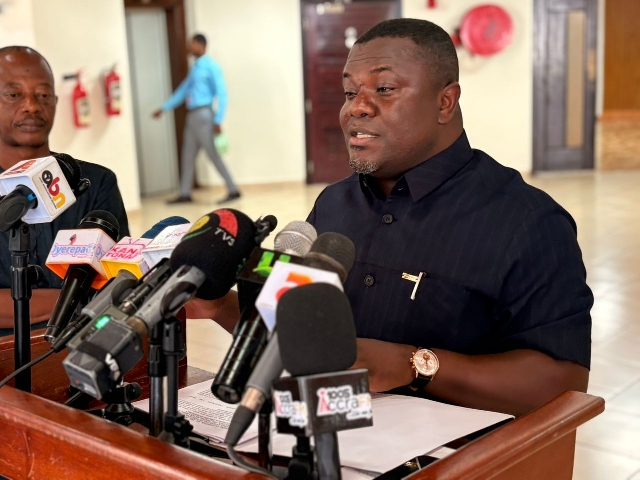
The Upper East Regional Minister Hon. Stephen Yakubu has described Open Defecation (OD) in the Upper East Region as a big issue that needs to be corrected by themselves through attitudinal change. The Minister pointed this out when the Upper East Regional Branch leadership of the Media Coalition against Open Defecation (M-CODe) led by Madam Fatima Astanga the Regional Convener and Ngamegbulam Chidozie Stephen the Regional Organizer paid him a courtesy visit at his office on Tuesday, October 10, 2022. Even though, the M-CODe leadership visit was planned to officially introduce themselves to the Regional Minister and as well explained their motive and objective as M-CODe representatives in the region, the visit also allowed leadership to interact with the Regional Minister, especially on the performance of the region with regards to Open Defecation. During the engagement, the Regional Minister described Open Defecation (OD) as a big issue. “I think our main way of overcoming this, is to change people’s attitudes. Because the toilet facility may even be there and they will not use it because of that cultural thing. If somebody sees you there and everybody is passing, the name it’s gives to the region. If you moved from this lane, there is a small forest on the right-hand side, people normally go there with their motors to do Open Defecation as if is okay and you won’t even see someone cautioning them to stop such acts, because of those things, are accepted in the society”. According to Minister Yakubu, “Some even believe that it is some kind of fertilizing the land. That’s why the attitude thing is the most important in this fight. I know a lot of people who died in this country as a result of the cholera outbreak in this region” he stressed He appreciated the efforts and ideas brought on board by members of M-CODe in the Upper East Region as he confirmed it as a good call’ However, also seeking some support from the Regional Coordinating Council (RCC) to enable M-CODe members to perform their function accordingly in the region, the Minister said: “If we have money we can put in to support but we don’t generate any income. Is the district that generates income and I would encourage you to speak to the private companies, shops, and also the telecoms and any person who wants to contribute. But is something we all know and we all agree that we need to do something about it. I think you can find time to talk about it and am sure some of these radio stations if you talk to them they will be ready to give you some air time to talk about it and that will help educate the people. I think we are together in this, the problem is that we can’t help financially”. The Minister told the Regional leadership of M-CODe. He acknowledged that a lot of NGOs are also doing their best in the area of Open Defecation. Adding that “Government is also building toilets facilities for all the schools because some of the schools don’t even have toilet facilities therefore what do expect if the school is not walled, people come inside the school and do free range”. In the Upper East Region, over 60% of its population or citizens are defecating in the open, and Upper East is 68.4% in terms of Population and housing census. it must be a matter of great concern. It is revealing that 92% of the population of the people of the Upper East Region don’t use toilet facilities at their homes. However, M-CODe, was first introduced in 2018 to help develop the capacity of the media as advocates for improved sanitation, especially with the agenda to eliminate Open Defecation (OD) across the country. Source: Apexnewsgh.com|Ghana For publication please kindly contact us on 0256336062 or Email: apexnewsgh@gmail.com