

Sustainable WASH Services: A Cornerstone for Socio-Economic Development in Ghana
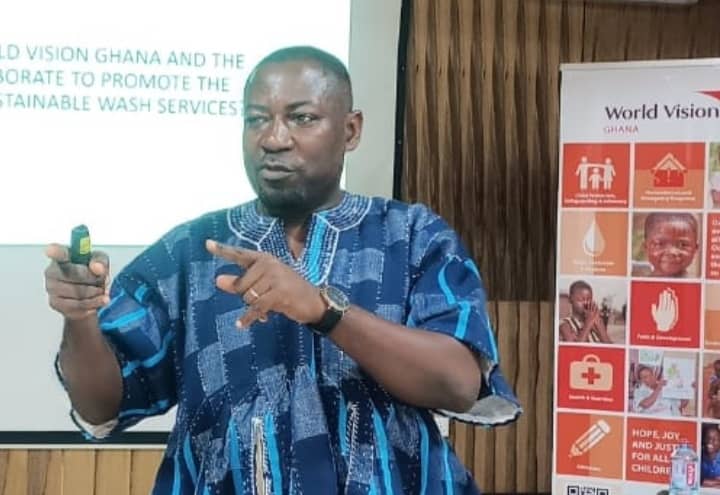
Access to sustainable water, sanitation, and hygiene (WASH) services is a fundamental human right, essential for human well-being, dignity, and economic productivity. Apexnewsgh reports In Ghana, World Vision Ghana, a humanitarian organization dedicated to improving the lives of children, families, and communities, has emphasized the crucial role of sustainable WASH services in achieving socio-economic development. During a joint workshop with the Ghana WASH Journalists Network (GWJN) and the Media Coalition Against Open Defecation (M-CODe), Mr. Yaw Attah Arhin, a WASH Specialist with World Vision Ghana, highlighted the importance of sustainable WASH services and the need for collaboration to achieve this goal. The Role of Sustainable WASH Services in Socio-Economic Development Arhin stressed that access to sustainable WASH services is a fundamental catalyst for growth and a core value of World Vision Ghana. Sustainable WASH services are critical for preventing the spread of diseases, reducing child mortality rates, and improving public health. However, he acknowledged that access to clean water, sanitation facilities, and good hygiene practices is essential for economic productivity, education, and gender equality, emphasizing that sustainable WASH services are a prerequisite for achieving the United Nations’ Sustainable Development Goals (SDGs), particularly SDG 6, which aims to ensure universal and equitable access to safe and affordable drinking water and sanitation for all. The Power of Media in Advocating for Improved WASH Services World Vision Ghana recognizes the media’s potential to drive change and transformation in society, making them valuable partners in advocating for improved WASH services. The workshop aimed to enhance the skills of journalists in the Ghana WASH Journalists Network and the Media Coalition Against Open Defecation, enabling them to effectively advocate for better WASH services and report on related issues. “By sharpening their skills and knowledge on international best practices and global developments, journalists can support World Vision Ghana’s policy engagements and influence policy changes for accelerated delivery of WASH services”. Collaboration for Progress Mr. Arhin emphasized the importance of collaboration in achieving the goal of improved WASH services. World Vision Ghana acknowledges the media’s capacity to amplify the message and drive progress in the WASH sector. The organization is committed to working with the media, government, and other stakeholders to ensure that sustainable WASH services are accessible to all Ghanaians, particularly the most vulnerable populations. By working together, we can ensure that Ghana achieves the SDGs and becomes a more prosperous and equitable society. Conclusion Mr. Arhin believes, sustainable WASH services are essential for socio-economic development in Ghana, as he further emphasized on the importance of sustainable WASH services and collaboration with the media and other stakeholders is crucial in driving progress in the WASH sector. By working together, we can ensure that all Ghanaians have access to clean water, sanitation facilities, and good hygiene practices, leading to improved public health, economic productivity, and a better future for generations to come. Source: Apexnewsgh.com Thanks for reading from Apexnewsgh as a news publishing website from Ghana. We encourage you to freely share this story via social media platform and follow us on; Facebook on APEXNEWSGH-Tv or Please contact Apexnewsgh.com on email apexnewsgh@gmail.com for your credible news publications. Contact: 0248250270/0256336062.
Environmental Communication Expert Urges Media to Champion WASH Awareness
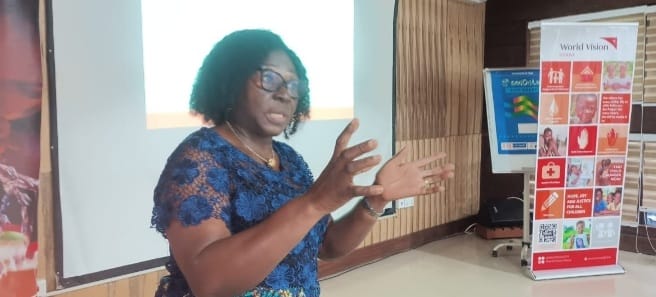
Madam Ama-Kudom Agyemang, Executive Director of Media Platform on Environment and Climate Change (MPEC), has emphasized the media’s vital role in promoting Water, Sanitation, and Hygiene (WASH) in Ghana. Apexnewsgh reports The well known environmental communicator made her emphasis during a joint workshop for the Ghana WASH Journalists Network (GWJN), Media Coalition Against Open Defecation (M-CODe), and journalists at Ada Aqua Safari Resort. Madam Agyemang, led a session on “Strategies for Effective WASH Journalism and Advocacy,” highlighting the media’s power to raise awareness and change attitudes and behaviors. According to her, the media can make a difference by educating the public about the risks of poor WASH practices and how to prevent them, “the media can make a significant impact on the lives of all Ghanaians”. She stressed Auntie Ama, as she is widely known further encouraged journalists to utilize various media outlets to reach a wider audience and promote WASH awareness, emphasizing the importance of collaboration between the media, civil society, and government to drive meaningful change in the WASH sector. “By working together, we can ensure that all Ghanaians have access to safe water, sanitation, and hygiene facilities, ultimately improving public health and well-being”. Source: Apexnewsgh.com Thanks for reading from Apexnewsgh as a news publishing website from Ghana. We encourage you to freely share this story via social media platform and follow us on; Facebook on APEXNEWSGH-Tv or Please contact Apexnewsgh.com on email apexnewsgh@gmail.com for your credible news publications. Contact: 0248250270/0256336062.
World Vision Ghana Urges Government to Establish National Sanitation Authority
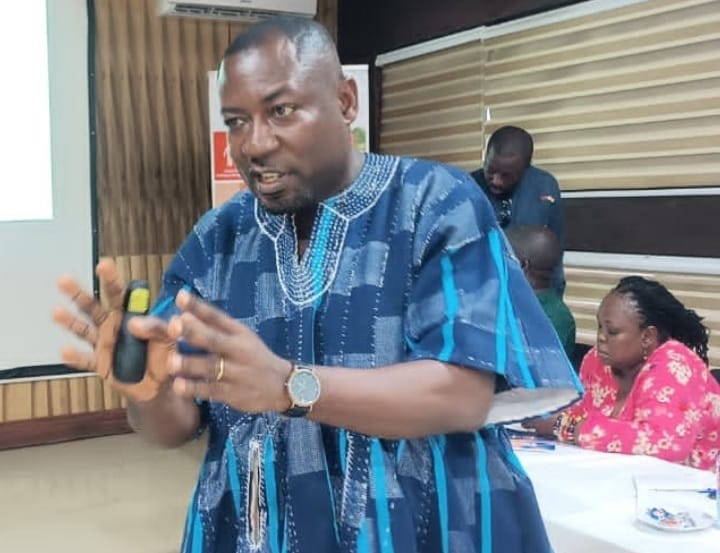
World Vision Ghana, a leading humanitarian organization, has called on the government to establish a National Sanitation Authority to address the country’s sanitation challenges. Apexnewsgh reports Mr. Yaw Attah Arhin, a Water, Sanitation, and Hygiene (WASH) specialist with World Vision Ghana, made this appeal during a joint workshop with the Ghana WASH Journalists Network (GWJN), the Media Coalition Against Open Defecation (M-CODe), and journalists from across the country. The Need for a National Sanitation Authority Mr. Arhin emphasized the need for a National Sanitation Authority, a proposal that has been pending since 2017 despite numerous meetings and discussions. He stressed that the lack of a National Sanitation Authority has hindered effective management of the sanitation sector, resulting in inadequate sanitation services for many Ghanaians. Benefits of a National Sanitation Authority Mr. Arhin highlighted the numerous benefits that a National Sanitation Authority would bring to the country’s sanitation sector. These benefits according to Mr. Arhin include: Standardization: Ensuring consistency in sanitation practices and standards across the country. Compliance: Enforcing regulations and guidelines to improve sanitation services. Enforcement: Strengthening enforcement mechanisms to address sanitation-related issues. Research and Development: Promoting innovation and research in the sanitation sector. The Current State of Sanitation in Ghana Mr. Arhin lamented that Ghana is losing out by not having a National Sanitation Authority, as the sanitation sub-sector is struggling, with only a few private sector players making a positive impact. He emphasized that the establishment of a National Sanitation Authority is long overdue and essential to address the sanitation challenges facing the country. A Call to Action Mr. Arhin urged the government to expedite the process of establishing the National Sanitation Authority and the National Sanitation Fund. He emphasized that this is critical to ensuring effective management of the sanitation sector, leading to improved sanitation services and a healthier environment for Ghanaians. Conclusion World Vision Ghana’s appeal for a National Sanitation Authority resonates with the need for improved sanitation services in Ghana. Mr. Arhin believes that establishing such an authority would standardize practices, ensure compliance, and promote research and development in the sanitation sector. “The government must take action to address the country’s sanitation challenges and ensure a cleaner, healthier environment for its citizens. By establishing a National Sanitation Authority, Ghana can take a critical step towards achieving the Sustainable Development Goals (SDGs), particularly Goal 6, which focuses on ensuring access to safe and dignified sanitation services for all”. Source: Apexnewsgh.com Thanks for reading from Apexnewsgh as a news publishing website from Ghana. We encourage you to freely share this story via social media platform and follow us on; Facebook on APEXNEWSGH-Tv or Please contact Apexnewsgh.com on email apexnewsgh@gmail.com for your credible news publications. Contact: 0248250270/0256336062.
Menstrual Health in Ghana: The Need for a Comprehensive National Policy

A recent joint workshop organized for WASH journalists across Ghana has shed light on the state of menstrual health in the country. Apexnewsgh reports According to Water Aid statistics, 75% of girls in Ghana learn about menstruation before their first period, but a significant 40% feel uncomfortable discussing it with their mothers. This highlights the need for improved menstrual education and open dialogue within families and communities. Executive Director of InspireHer Ghana, Madam Sandra Boakye, has made a passionate appeal to the government, particularly policymakers, to establish a national menstrual policy. She emphasized the severe impact of “menstrual poverty” on the welfare and development of young girls and women. Madam Boakye stressed that while there are guidelines for menstrual health, a comprehensive policy is lacking. She explained that a national policy would encompass how education should be done, including inclusive education for persons with disabilities and those in isolated areas. Additionally, it would cover the production, importation, distribution, and pricing of menstrual products. The workshop, organized by World Vision in partnership with the Ghana Water Journalists Network (GWJN) and the Media Coalition on Open Defecation (M-CoDE), aimed to raise awareness about menstrual health and hygiene. Madam Boakye’s appeal resonated with the participants, emphasizing the need for a comprehensive policy to address the challenges surrounding menstruation in Ghana. The statistics presented at the workshop highlight the need for improved menstrual education and open dialogue. While 75% of girls learn about menstruation before their first period, 40% feel uncomfortable discussing it with their mothers. This indicates a significant gap in menstrual education and the need for a more comprehensive approach. Madam Boakye’s appeal to the government is timely, as menstruation is an integral part of development that affects individuals in various ways. The lack of a comprehensive policy hinders efforts to address menstrual poverty, which has far-reaching consequences on the welfare and development of young girls and women. However, the workshop pointed the need for improved menstrual education and open dialogue, and Madam Boakye’s appeal for a comprehensive national policy is a step in the right direction. It is essential for the government to take heed of this call and work towards establishing a policy that addresses the challenges surrounding menstruation in Ghana. Source: Apexnewsgh.com Thanks for reading from Apexnewsgh as a news publishing website from Ghana. We encourage you to freely share this story via social media platform and follow us on; Facebook on APEXNEWSGH-Tv or Please contact Apexnewsgh.com on email apexnewsgh@gmail.com for your credible news publications. Contact: 0248250270/0256336062.
WASH: M-CODe Reaffirms Commitment to Improving WASH Services in Ghana

The Media Coalition Against Open Defecation (M-CODe) has reaffirmed its dedication to promoting access to safe water, sanitation, and hygiene (WASH) services in Ghana, with a special focus on the northern regions. Apexnewsgh reports Speaking at forum organized in partnership with World Vision Ghana in Ada Aqua Safari Resort on Thursday, the M-CODe National Convenor Mr. Francis Ameyibor, pledged to intensify efforts in addressing WASH challenges, promoting menstrual hygiene management, and advancing effective journalism and advocacy in the sector. Mr. Ameyibor expressed its gratitude for World Vision Ghana’s efforts in improving lives and looks forward to a collaborative partnership towards achieving “life in all its fullness.” The coalition vowed to utilize their platforms to amplify marginalized voices, share success stories, and inspire action towards creating a Ghana where everyone has access to safe WASH services. This commitment is a significant step towards achieving the “REPOSITIONING WASH AS A KEY DRIVER OF NATIONAL DEVELOPMENT” agenda, and stakeholders are optimistic about the potential impact on the lives of Ghanaians. Ghana faces significant Water, Sanitation, and Hygiene (WASH) challenges, with a substantial portion of the population resorting to open defecation and sharing latrines. According to statistics, 17.7% of the country’s population, equivalent to over 4.5 million people, practice open defecation, posing serious health risks. Additionally, 55% of the population, approximately 13.7 million people, share latrines, which can lead to the spread of diseases. These data above show the need for intensified efforts to improve access to safe WASH facilities, particularly in rural and underserved areas. M-CODe’s renewed commitment is a testament to the power of collaboration and advocacy in driving progress in the WASH sector. By intensifying efforts and working together, M-CODe and its partners health, dignity, and well-being for all. The National Convenor also used the medium to send his gratitude to World Vision Ghana for the wonderful partnership so far. Source: Apexnewsgh.com Thanks for reading from Apexnewsgh as a news publishing website from Ghana. We encourage you to freely share this story via social media platform and follow us on; Facebook on APEXNEWSGH-Tv or Please contact Apexnewsgh.com on email apexnewsgh@gmail.com for your credible news publications. Contact: 0248250270/0256336062.
WASH: Journalists Urged to Support Women’s Menstrual Hygiene Amidst WASH Challenges
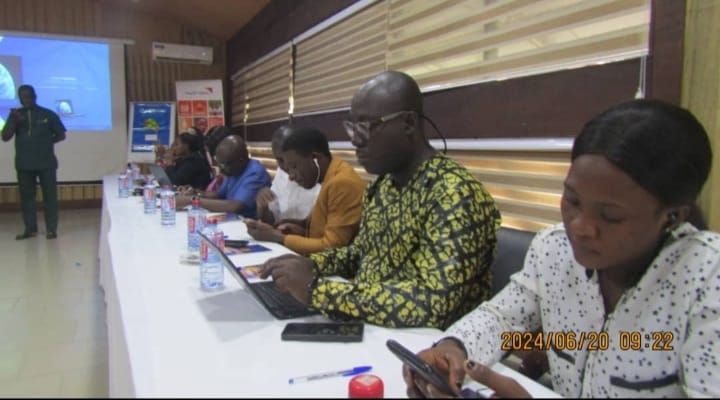
In a joint workshop with M-CODe, Justice Lee Adoboe, National Coordinator for the Ghana WASH Journalists Network (GWJN), tasked journalists to advocate for women’s menstrual hygiene, emphasizing that everyone is a product of the menstrual cycle. Apexnewsgh reports Addressing Journalists from various regions of the country on Thursday in Ada at AQUA Safari Resort, Mr. Adoboe stressed the importance of constant skill development and partnerships, using GWJN- M-CODe partnership with World Vision Ghana as example, to achieve universal access to improved sanitation and contribute to SDG-6 targets. GWJN National Coordinator further noted, that Menstrual hygiene advocacy is crucial, as poor hygiene poses serious health risks, including infections and infertility. Mr. Adoboe urged journalists to play a critical role in advocating for improved sanitation facilities, education, and support for women and girls. “As our partners repose so much trust in us, we must work hard to justify that trust by constantly playing our media advocacy role, information role, and if the needs be, apply the critical voice to issues in the WASH sector, all in the interest of getting duty bearers off their bums and taking the right and relevant actions that make the collective national WASH goals achievable” he stressed He further emphasized that everyone benefits from the menstrual cycle and must work together to support women. Source: Apexnewsgh.com Thanks for reading from Apexnewsgh as a news publishing website from Ghana. We encourage you to freely share this story via social media platform and follow us on; Facebook on APEXNEWSGH-Tv or Please contact Apexnewsgh.com on email apexnewsgh@gmail.com for your credible news publications. Contact: 0248250270/0256336062.
UER: 92% of the population of Upper East citizens have no access to a toilet facility
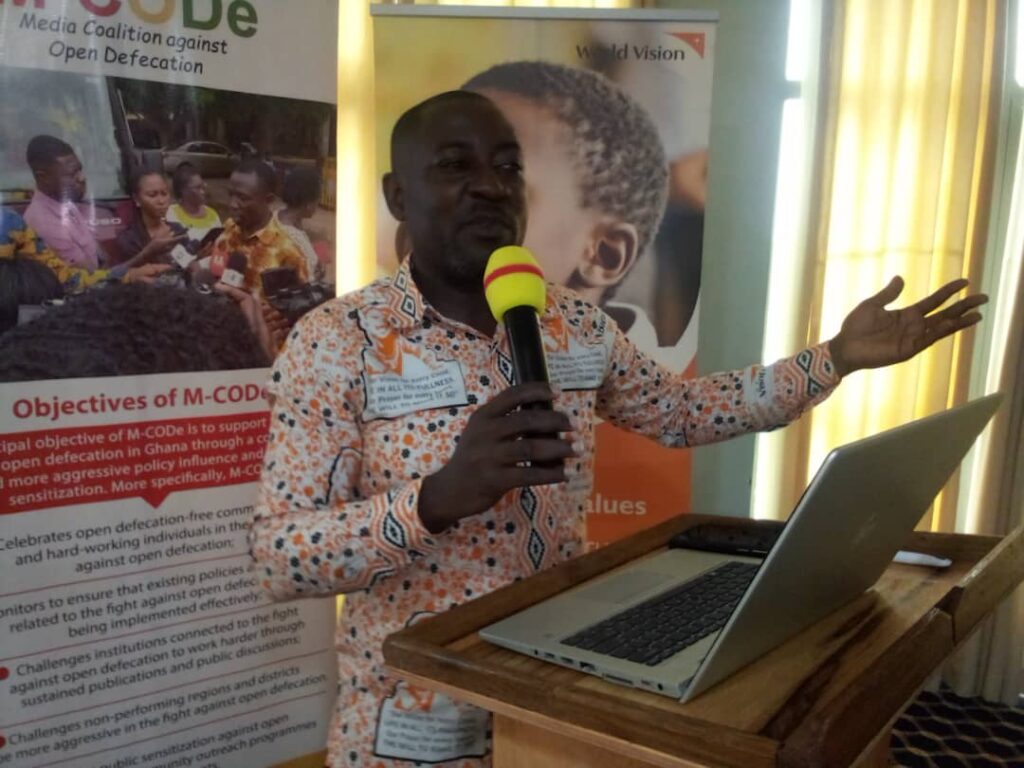
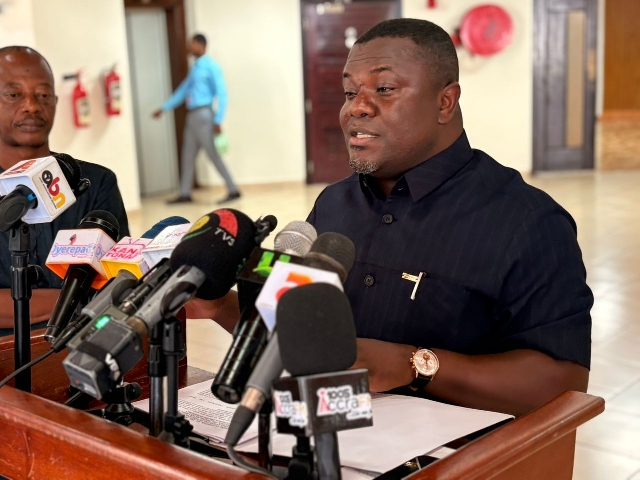
Mr. Attah Arhin a Technical Specialist on Water and Sanitation Hygiene (WASH) with World Vision Ghana has revealed that only 8% of the population of the Upper East have access to a toilet facility. According to Mr. Arhin, “The multiple indicator cluster survey 2018 shows that only 8% of the population of Upper East Region have access to a toilet facility. So, 92% of the population of the people of the Upper East Region don’t use toilet facilities at their homes or work side. The WASH Technical Specialist revealed this on Tuesday, July 19, 2022, during the launch of the Upper East Regional Branch of the Media Coalition against Open Defecation (M-CODe). He said: That is the kind of difficulty we are confronted with. Meanwhile, expanding more on the situation, Mr. said: “If you have a region that has over 60% of its population or citizens defecating in the open, it must be a matter of great concern. And Upper East obviously is bleeding in terms of the multiple indicator cluster surveys in terms of the joint monitoring platform. But I have just checked with the population and housing census 2021, and have realized Savannah has now overtaken Upper East. Savannah Region is 68.5%, Upper East is 68.4% in terms of Population and housing census. So, that is a major issue and I think something drastic needs to happen to get the region out of this situation. It is not fashionable in the 21st century, “It is no more fun to be defecating in the open. It is abominable, in fact, it is criminal and people must have that shame that where they are defecating is not good. So, for you to move out of your house and defecating is a serious thing and I think that not only to citizens, and also to the authorities and to the officials of MMDAs and the region will now be free from the tag”. He said He added, “The diseases bring shame, people do not find it comfortable visiting the region for tourist activities and all that. But when we get rid of this, we save the lives of our children and they will be free from diseases and free from death, that’s what we are calling for. Meanwhile, as part of his speech, Mr. Arhin admonished the newly launched Upper East Regional Branch of the Media Coalition against Open Defecation (M-CODe) to work so hard in making sure issues of Open Defecation (OD) is a thing of the past. However, giving some explanations about M-CODe, he said it was first introduced in 2018 to help develop the capacity of the media as advocates for improved sanitation, especially with the agenda to eliminate Open Defecation (OD) across the country. Apexnewsgh.com/Ghana/ Ngamegbulam Chidozie Stephen/M-CODe/Upper East Region
Establish effective sanitation guards to help eradicate Open Defecation- Jalulah to Assembly

The Upper East Regional Chairman of Ghana Journalist Association (GJA) William Jalulah has said, to succeed in the fight against Open Defecation, it is time for Assemblies to establish very effective sanitation guards. The Regional GJA Chairman unveiled the suggestion on Tuesday, July 19, 2022, during the launch of the Upper East Regional Branch of the Media Coalition against Open Defecation (M-CODe). He said GJA leadership in the region: “We want to assure the administrators of this collation that we will support you in any way we can because, the fight should be collective, collective in the sense that environmental health issues or health issues generally affect everybody”. He assured He said, as a Region, it calls for everyone’s hands on deck to collectively achieve the target of eradicating Open Defecation (OD) “I have a few proposals I would want to make and for me, I think that the Municipal Assemblies have a lot of work to do. Over the years, I think they have done their bit but it has not been sustainable enough. Once in a while, you see them make efforts to fight Open Defecation (OD) through the environmental health unit but it has not been sustainable enough”. He stressed M-CODe, was first introduced in 2018 to help develop the capacity of the media as advocates for improved sanitation, especially with the agenda to eliminate Open Defecation (OD) across the country. Apexnewsgh.com/Ghana/ Ngamegbulam Chidozie Stephen/M-CODe/Upper East Region
Feature: Interesting factors contributing to the underdevelopment of Upper East Region

:Written By Ngamegbulam Chidozie Stephen No doubt, the Upper East Region of Ghana is a wonderful place to live in, especially with people from rich cultural practices and traditions, a region blessed with tremendous tourist sites all over. However, in the Upper East Region, one of the unfortunate canker or if you like, a defunct micro-finance i have seen hitting the region back to back apart from defunct Diamond Winners, God is Love, Power Ground and the almighty DKM micro-finance is the lack of zeal for ‘development’ from the elites and those who are supposed to know better, i mean those elites from the Upper East Region. No wonder in my last article in October 2021, one of my resource persons from the region strongly holds the views that the region main canker is caused by the elites, “I see our number one problem as the elite who are educated, they are the problem of the Upper East Region, not the uneducated people” Alhaji Awal Ahmed Kariama, Executive Director at RISE-Ghana maintained Fortunately, Upper East Region has produced very notable individuals and personalities who should have turned things around. But sadly, the reality is that these notable, brilliant and worthy personalities mostly based outside the region, fear coming back home to help develop their own region where they are created as individual gifts and blessings from the most high. Another interesting point bedeviling development in our communities and region is the trending attitude of our chiefs allowing themselves used by politicians by way of offering them appointments and positions in their government. To me, i have strong view that chiefs should not engage in any government activity but must use their office to lobby for development for their people and region. Chiefs must be respected by politicians for the role they play towards development. It is the job of traditional rulers to mediate between the people and the government. It is also their role to fight for the rightful development for their people and region through their office such as Regional House of Chiefs. Is that really the case in the Upper East Region? i guess you already know the answer? There is a saying that: “One does not learn how to use the left hand in old age” Yes, that is a fact. A man who decides to divert his or her children’s minds away from their own region isn’t patriotic to his region. A man who does not care about the welfare of his people back home isn’t worthy to be called a native. A man who is given a good opportunity in a high office that is expected to bring development to his or her people and he or she misused the opportunity, there is no guarantee such a person will be able to bring development if given another opportunity. This is one of the predicaments bedeviling the people of the Upper East Region. In the Upper East Region, with some allocated time,13w one could easily count around the number of storey buildings within the region compared to other regions and majority of these top buildings belong to strangers who on their own are struggling to make the region a better place for everyone. However, mostly when you traveled to Accra or Kumasi, most modern buildings you see across are owned by someone from the Upper East region. Then, you asked yourself what could be the problem? Well, I think is our mentality. I was so surprised and shocked in 2021 when one of the region’s prominent personality informed me during one of our phone conversations that he hasn’t visited home for 33 years and this prominent figure has children and none of them had visited home as well and I mean their father’s compound. During that conversation he was able to informed me that her daughter is due for marriage anytime she wishes because she is of age. So, you see? How will such children have their region at heart, especially when their father is careless about the region? Meanwhile, the man’s only reason was that his siblings died all as a result of family issues. So, the parent had to travel down south for greener pastures with few of them left. So, in this case, it will definitely be a hard thing to learn how to use a left hand as an old man isn’t it? His 33 years old decision is today affecting the innocent people of his family, community, district, constituency and the region developmentally. He is the only one who was able to share that with me but i knew, there are many more with such a tough decision. No wonder, the people of the Upper East Region are not moved by the non-availability of the Passport Office Application Center for a whole region. Because, after all those who normally travel and understand the importance of a traveling passport are living outside the region. Isn’t that regrettable as a region? No wonder, they are not moved by the continuously failed promises by politicians. In December 2021, we were told by the Upper East Regional Minister Stephen Yakubu that the signing of a concessional loan facility of $20 million between the governments of Ghana and Saudi Arabia in 2019 for the completion of Bolgatanga Regional Hospital has been truncated and the people of Upper East are quiet and pleased with such a piece of disturbing news after years of battling on local radio stations across the region between communicators of NDC and NPP claiming who should take glory for the hospital renovation project. Meanwhile, when i reached out to the BONABOTO Regional chairman Dr. Esmond Agurgo Balfour to know their plans following the announcement made by the regional Minister about the cancellation of the initial Bolgatanga Regional Hospital concessional loan facility of $20 million between the Ghana government and Saudi Arabia, he confirmed that they have received the information as a group. He described the information as a piece of disappointing news.