


In a sweeping initiative poised to reshape the educational landscape of northern Ghana, the Upper East Regional Coordinating Council (RCC) has unveiled a comprehensive package of 94 infrastructure projects aimed at addressing longstanding deficits in the region’s schools.
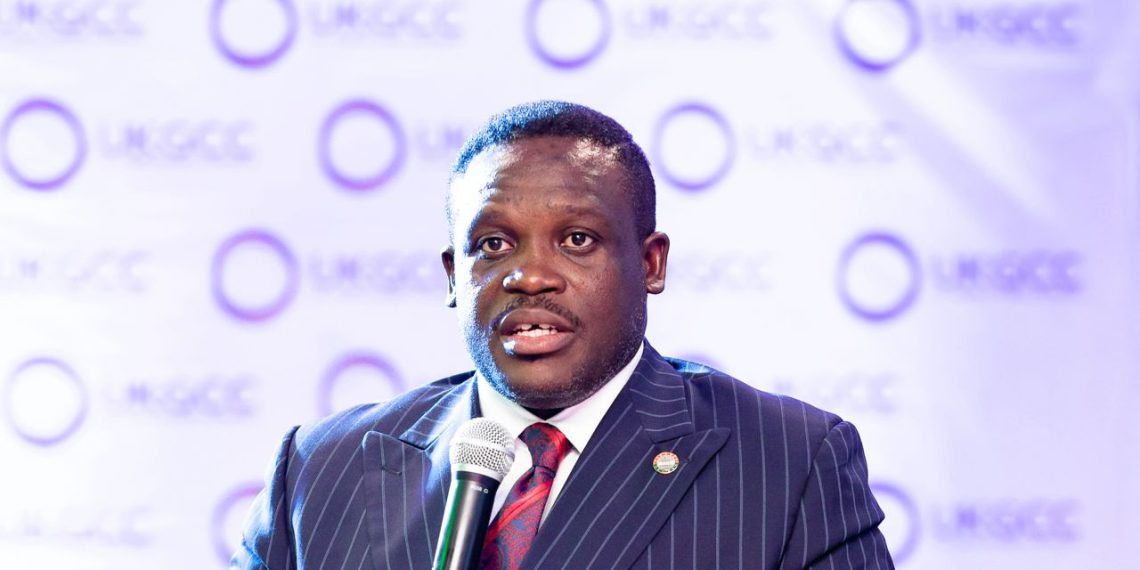
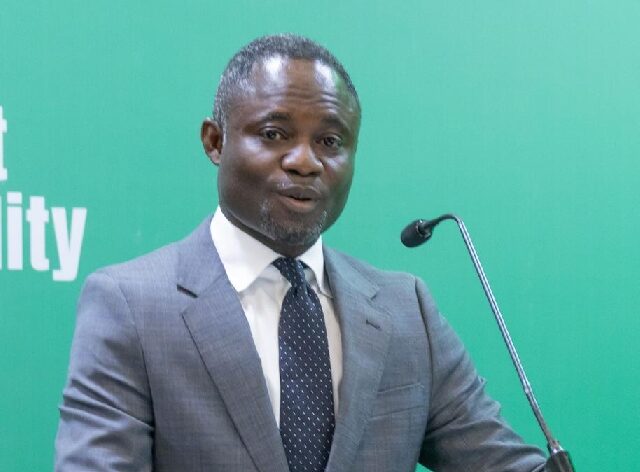
The announcement, made by Regional Minister Donatus Akamugri Atanga at his inaugural press soiree in Bolgatanga, signals a new era of investment in both basic and secondary education.
The ambitious programme, a collaboration between the RCC, local Members of Parliament, and the Ghana Education Trust Fund (GETFund), will touch nearly every corner of the region. Seventeen senior high schools (SHSs), two kindergartens, ten junior high schools, and thirteen primary schools are set to benefit from the intervention.
Among the headline beneficiaries is Gambibgo SHS, which is in line to receive an impressive seven new projects, including a modern dining hall, additional dormitories, a science laboratory, and staff accommodations. Bolgatanga Sherigu SHS has been earmarked for 11 projects, ranging from new classroom blocks and dormitories to essential toilet facilities and an administrative block.
Other institutions, such as Pusiga SHS, Kanjarga SHS, Azeem-Namoa SHS, Zamse SHS, and Navrongo SHS, will also see significant upgrades. The Bolgatanga Central Technical Institute stands out for its forthcoming six-unit technical workshop, a boost for vocational skills training in the region.
“These projects are designed to ease the pressure of the double-track system, create conducive learning environments, and support the gradual phase-out of the system,” Mr. Atanga explained. Basic schools, such as Mognori JHS, Bachonsa JHS, Nyorkokor JHS, Tambalug Primary School, and Zamsa Kindergarten, are also set to see new infrastructure, ensuring that the benefits reach even the youngest learners.
But the regional educational revival goes beyond bricks and mortar. The Minister emphasized ongoing reforms to improve the quality of teaching and learning. The government has restored the three-term academic calendar, strengthened Parent-Teacher Associations, and is actively reviewing the national curriculum as part of its broader “reset agenda.”
Gender equity and student well-being are also at the heart of the initiative. Over 666,000 sanitary pads have already been distributed to girls in basic and second-cycle schools, a move designed to boost attendance and break down barriers to education for young women. Meanwhile, the B-STEM (Basic Science, Technology, Engineering, and Mathematics) programme has been introduced in 194 schools, and a standards-based curriculum is now fully in place across all 35 public SHSs.
“These interventions reflect a holistic commitment to education,” Mr. Atanga concluded. “We are determined to create learning environments where every student can thrive, acquire relevant skills, and contribute to Ghana’s development priorities.”
As construction teams prepare to break ground across the region, hope is rising that these investments will close the infrastructure gap, empower students and teachers, and lay the foundation for a brighter future in the Upper East.
Source: Apexnewsgh.com