




Slow Start Marks Ayawaso East By-Election Amid Ramadan Observance
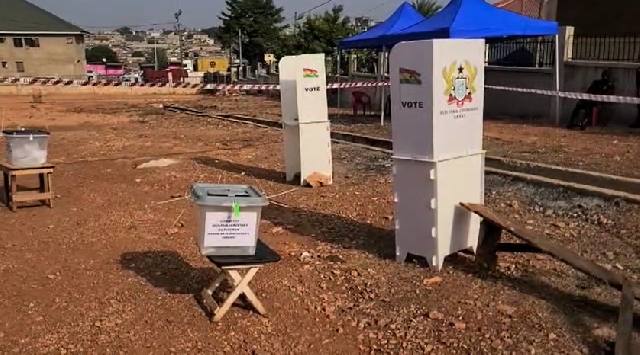
On a quiet Tuesday morning in the Ayawaso East Constituency, anticipation hung in the air as more than 40,000 registered voters prepared to select their new Member of Parliament. The by-election, set against the backdrop of the holy month of Ramadan, saw a sluggish beginning at polling centres across the Greater Accra Region. By 8:00 a.m., the numbers told a clear story: at the Nima Cluster of Schools, only 162 ballots had been cast. At Nima JHS 1, just 15 voters had made their choice, while a similar scene unfolded at the Presby School polling station. In some cases, polling officers noted with a hint of humour that they had seen more journalists than voters in the early hours. At Alhaji Iddrisu House Number 2, reporters described turnout as equally low. Party officials and observers attributed the muted start to the ongoing Ramadan fast. A Branch Youth Organiser of the governing National Democratic Congress (NDC) explained that many Muslim voters begin their day before dawn to observe the fast, only to return to sleep and venture out later to vote. The NDC, determined to boost participation, began mobilising supporters as the day progressed. Despite the slow morning, electoral officers assured the public that all arrangements were in place for a peaceful and orderly exercise. Security personnel stood watch at polling centres, and the Electoral Commission reiterated its commitment to transparency and fairness throughout the process. Five candidates are vying for the vacant seat: Baba Jamal of the NDC, Baba Ali of the New Patriotic Party (NPP), independent contenders Umar Sander Mohammed and David Kanor, and Ibrahim Iddrisu of the Liberal Party of Ghana (LPG). As the day unfolded, observers kept a close eye on turnout and the conduct of the polls, aware that the outcome would shape the political landscape of Ayawaso East in the months to come. Source: Apexnewsgh.com Post Views: 23
Ghanaian Banks Achieve Record Profits in 2025 Amid Improved Cost Controls
In a remarkable turnaround for Ghana’s financial sector, banks across the country closed 2025 with record-breaking profits, demonstrating resilience and operational discipline despite a turbulent economic backdrop. The latest Banking Sector Developments Report from the Bank of Ghana revealed that the industry’s total profit soared to GH¢15.0 billion in 2025, a dramatic leap from GH¢10.4 billion the previous year. This 43.5 per cent year-on-year growth not only outperformed the 26.2 per cent rise seen in 2024 but also signaled the sector’s growing strength and adaptability. Profit before tax (PBT) followed suit, climbing by 38.4 per cent in December 2025, compared to 24.4 per cent the year prior. The surge underscored the sector’s enhanced operational efficiency and ability to navigate shifting income dynamics. While the industry’s main revenue streams, net interest income and fees, continued to expand, their growth rates softened relative to 2024. Net interest income rose by 16.4 per cent in 2025, down from 18.0 per cent in 2024, as lower lending rates and muted returns on money market instruments tempered the pace. Fees and commissions grew by 9.5 per cent, a marked slowdown from the 25.8 per cent jump a year earlier. Yet, the moderation in income was more than offset by tighter cost management throughout the sector. Operating expenses in December 2025 increased by 14.0 per cent, a notable slowdown from 22.0 per cent in 2024, thanks to disciplined controls on staff and non-staff costs alike. Even more striking was the steep drop in loan loss provisions and impairment charges, which contracted by 57.1 per cent, compared to an 11.7 per cent decline the previous year, signaling healthier assets and lower credit risk. These achievements were reflected in improved profitability metrics: Return on Assets (ROA) climbed to 5.7 per cent in December 2025 from 5.0 per cent a year earlier, while Return on Equity (ROE) remained strong at 30.8 per cent. The latest data paints a picture of a banking sector consolidating its gains, leveraging prudent cost controls, better asset quality, and consistent earnings to strengthen Ghana’s financial system, even as external challenges persist. Source: Apexnewsgh.com Post Views: 22
Minister Muntaka Receives Landmark Report on Gbiyiri Peace Mediation
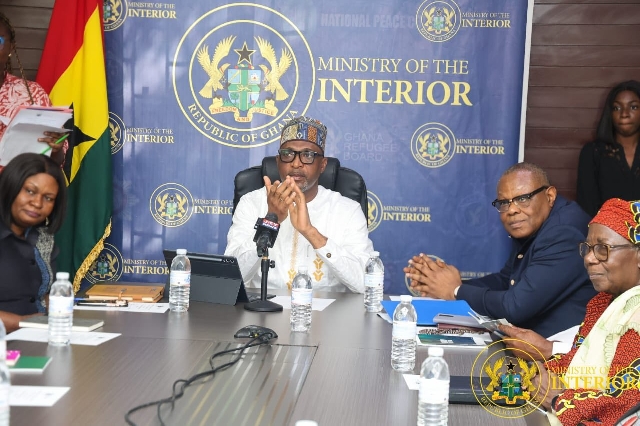
Ghana’s Minister of Interior, Mohammed Mubarak Muntaka, accepted the final report of the Gbiyiri Mediation Committee, a document poised to change the course of relations in the Sawla–Tuna Kalba area. The formal handover took place as the Committee’s Chairman, Emmanuel Bombande, presented the report, underscoring its power to lay the groundwork for enduring peace, renewed social cohesion, and meaningful cooperation between the Gonja and Lobi/Brifors communities. The committee, established in September 2025, was tasked with tackling the root causes of the region’s longstanding inter-communal disputes and mapping out practical steps for reconciliation. Minister Muntaka, visibly appreciative, thanked the committee for their perseverance and detailed work. He commended the roadmap outlined in the report, which aims to rebuild fractured relationships, nurture tolerance, and restore harmony within the Gbiyiri community and beyond. The recommendations contained in the report are set to provide a guiding framework for local authorities, traditional leaders, and stakeholders as they embark on the next phase—implementing sustainable peace initiatives tailored to the region’s needs. Chairman Bombande also took the opportunity to thank President John Dramani Mahama, Minister Muntaka, the Overlord of Gonja, and all those who offered steadfast support and partnership throughout the mediation process. With the submission of this report, the Gbiyiri Mediation Committee brings a note of optimism to a region that has weathered years of intermittent tension, marking a decisive step toward lasting peace and stability. Source: Apexnewsgh.com Post Views: 33
Finance Minister Outlines Bold Reforms to Boost Cocoa Farmers and Local Industry
After President John Dramani Mahama’s State of the Nation Address, Finance Minister Dr. Cassiel Ato Forson stepped into the spotlight, eager to address the future of Ghana’s cocoa sector. Meeting with journalists, Dr. Forson spoke candidly about the government’s renewed commitment to uplifting cocoa farmers and transforming the local cocoa industry through a suite of targeted reforms. The minister acknowledged the comparisons often drawn between Ghana and neighbouring Ivory Coast, where cocoa producer prices are reportedly higher. Dr. Forson explained, however, that the government’s approach is rooted in sustainability. Rather than opting for quick fixes that might destabilise the sector, the government is prioritising measures that will deliver better and long-lasting returns for Ghanaian farmers. Central to these reforms is a drive to increase local participation in cocoa processing and to revive homegrown buying companies that have faded or collapsed in recent years. Dr. Forson named the Cocoa Processing Company (CPC) and Produce Buying Company (PBC) as examples of key institutions poised for revitalisation. By strengthening these entities and encouraging more Ghanaian businesses to process cocoa domestically, the government hopes to add significant value, reduce dependence on raw bean exports, and generate more jobs along the supply chain. Dr. Forson emphasised that these changes would not only boost export revenues but also provide a buffer for farmers against the unpredictable swings of global commodity prices. With greater competition from strengthened local buying companies, farmers could also see improved services and more competitive pricing. The minister was optimistic about the broader impact, predicting a ripple effect of increased economic activity in rural cocoa-growing communities, higher incomes, and more employment opportunities, especially for young people. Over time, he said, these reforms would help stabilise the sector and position Ghana as a formidable player in the global chocolate and cocoa processing market. Closing his remarks, Dr. Forson reaffirmed the government’s resolve to collaborate with stakeholders, assuring farmers that their welfare remains at the heart of Ghana’s economic agenda. Source: Apexnewsgh.com Post Views: 49
Kinkaafa and Waakye: The Rich History, Nutritional Power, and Cultural Significance of Ghana’s Beloved Rice and Beans

The Story of Sorghum & Beans, locally known as Waakye – Ki La Tea! Born from innovation during times of scarcity, Ki La Tea is a testament to resilience and creativity. When food was limited, the wise women of the community combined sorghum seeds and baobab seeds to create a simple, nourishing meal. Later, they added beans—discovering a delicious, filling, and nutrient-packed dish. What began as a humble experiment to feed families during hard times eventually became one of Ghana’s most beloved and enduring culinary traditions, celebrated across generations and regions. Ghanaian cuisine is a reflection of the country’s diversity, with each dish carrying the weight of history, culture, and communal life. Kinkaafa and Waakye, known in Hausa communities as the local name for rice and beans, have played a central role in nourishing people while also symbolizing resourcefulness and adaptation. These dishes are more than mere sustenance; they represent ingenuity, the blending of traditions, and the ability of communities to create rich flavors and wholesome nutrition from modest ingredients. The origins of rice and beans in Ghana, and West Africa generally, stretch back centuries. Rice cultivation in West Africa has existed for over three thousand years, primarily in the inland delta regions of the Niger and Senegal rivers. Trade and migration brought rice across vast distances, allowing it to adapt to different ecological zones, including the savannahs of northern Ghana. The Hausa people, who are primarily concentrated in northern Ghana and across the Sahel, were instrumental in spreading rice cultivation techniques and integrating rice into local diets. Beans, often referred to as cowpeas or black-eyed peas, are indigenous to Africa and have been cultivated for thousands of years, providing a reliable source of protein and essential nutrients. The combination of rice and beans became increasingly popular because it created a meal that was both filling and nutritionally balanced. Waakye, as it is now widely recognized in southern Ghana, carries the influence of the Hausa people, who migrated south during pre-colonial and colonial times as traders and merchants. Bringing with them their culinary traditions, they introduced beans and rice as staples to the southern regions. Over time, these dishes were adapted and enriched with local flavors, giving rise to Waakye as a street food phenomenon as well as a cherished home-cooked meal. Today, Waakye serves as a culinary bridge between northern and southern Ghana, connecting communities through shared taste and heritage. Kinkaafa and Waakye are deceptively simple in their ingredients—rice and beans—but the preparation and accompaniments reveal the depth of culinary artistry across Ghana. In northern Ghana, Kinkaafa is often boiled and steamed, sometimes enhanced with small amounts of oil or salt, and served alongside beans stewed with spices such as ginger, garlic, onions, and hot peppers. The resulting dish offers a pleasing combination of textures, as fluffy rice complements the firm, earthy beans. In southern Ghana, Waakye is prepared with a distinctive method. Dried beans are cooked with dried sorghum leaves, which release a reddish-brown color and impart a subtle smoky flavor. Once the beans reach tenderness, rice is added to the pot, absorbing both the color and essence of the beans. Waakye is traditionally served with an array of accompaniments, including shito, boiled eggs, spaghetti, fried plantains, or fish, transforming it into a complete and satisfying meal. The nutritional value of Kinkaafa and Waakye is remarkable. When rice and beans are combined, they create a complete protein, containing all the essential amino acids required by the human body. This makes the meal an excellent source of plant-based protein, particularly important in regions where access to animal protein may be limited. Beans provide substantial protein for growth, tissue repair, and immune function, while rice complements the amino acid profile to form a high-quality, nutritious dish. Rice is rich in complex carbohydrates, which release glucose gradually, providing sustained energy for students, workers, and athletes. Beans are also high in dietary fiber, which promotes healthy digestion, regulates blood sugar, and reduces the risk of heart disease. Together, they create a meal that is both filling and healthful. Micronutrients from beans, including iron, magnesium, potassium, and folate, support overall wellness, while rice contributes essential B-vitamins, such as niacin and thiamine, crucial for metabolism and nervous system function. Traditionally prepared Kinkaafa and Waakye are low in saturated fat, making them a heart-healthy choice. Their combination of protein, carbohydrates, fiber, and vitamins explains why these dishes have remained staples across generations, feeding families affordably and nutritiously. Kinkaafa and Waakye are deeply embedded in Ghanaian culture. They are not only everyday meals but also symbols of community, hospitality, and celebration. Sharing these dishes is a reflection of togetherness and social cohesion. At family gatherings, festivals, or communal events, Kinkaafa and Waakye are often prepared in large quantities to feed groups, reinforcing the importance of generosity and unity. In the streets of Accra, Kumasi, Bolgatanga, and other urban centers, Waakye has emerged as a signature street food, providing affordable nourishment while supporting the livelihoods of small-scale vendors. For many families, these meals are accessible, filling, and inclusive, bringing together people of all socio-economic backgrounds in a shared culinary experience. The cultural significance of Kinkaafa and Waakye also lies in their role as markers of heritage and identity. The dishes represent a fusion of northern and southern Ghanaian culinary traditions, blending the Hausa techniques of rice cultivation and preparation with southern preferences for spicy condiments, spaghetti, and fried plantains. Eating Kinkaafa and Waakye is an act of cultural continuity, connecting people to their history and shared practices. These dishes also hold spiritual and ritualistic value. During Islamic holidays such as Eid al-Fitr, Hausa communities prepare Kinkaafa with beans and spices to nourish families and celebrate communal prosperity. During Christian festive seasons, funerals, and other significant life events, Waakye is often served as a staple meal, highlighting its role as a unifying, comforting, and celebratory food. As culinary practices evolve, Kinkaafa and Waakye have undergone modern adaptations while retaining their traditional essence. Contemporary cooks experiment with different
Minister Muntaka Engages Zango Leaders in Landmark Mediation Over School Land Dispute
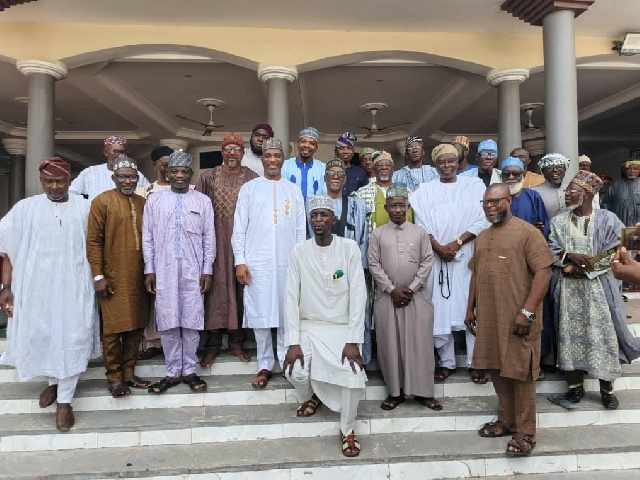
In the early hours of Saturday, February 28, the Kumasi Central Mosque became a hub of reconciliation as Mohammed Mubarak Muntaka, Minister of Interior, convened a pivotal meeting with Zango traditional leaders. The focus: a simmering dispute over land belonging to Ibadur Rahman Senior High School. The gathering, part of a broader mediation initiative championed by Zango community authorities in the Ashanti Region, brought together respected figures led by the acting Sarkin Zango and head of the Mossi community, Ibrahim Abdul Rahman Sanfo. Minister Muntaka, recognizing the gravity of the issue, expressed heartfelt gratitude for the leaders’ unwavering commitment to finding a peaceful solution. After the mosque discussions, the Minister’s day continued with a visit to the Tafsir session of Sheikh Zulkifl Osman Yaaga Al-Azhar in Aboabo, a stop on his annual mosque visitation programme. There, in a gesture of humility, Minister Muntaka publicly addressed previous comments he had made about the Ibadur Rahman SHS land. He described his remarks as “unacceptable” in retrospect and offered a sincere apology to anyone hurt by his words, appealing for forgiveness and pledging renewed dedication to his Asawase Constituency. These engagements underscore a growing partnership between government officials and traditional authorities, highlighting a shared commitment to dialogue, understanding, and the peaceful resolution of disputes within the Ashanti Region’s vibrant communities. Source: Apexnewsgh.com Post Views: 37
Parliamentarians Clash Over President Mahama’s State of the Nation Address
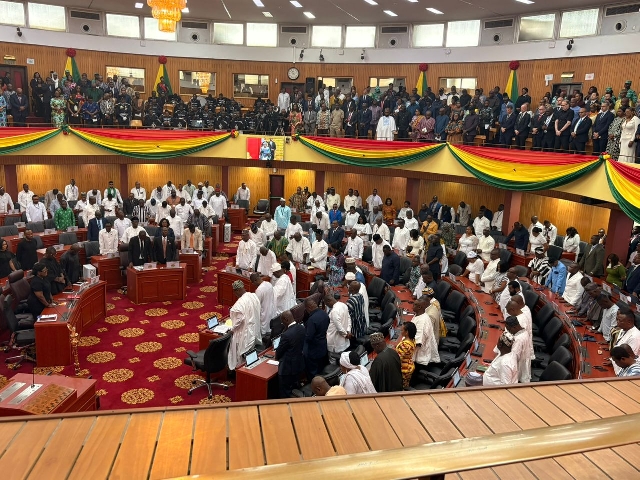
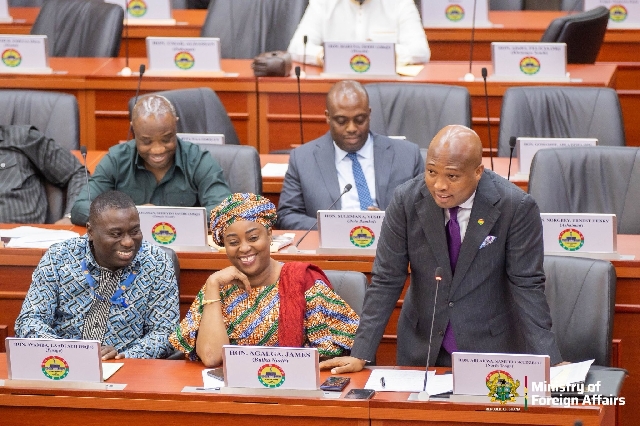
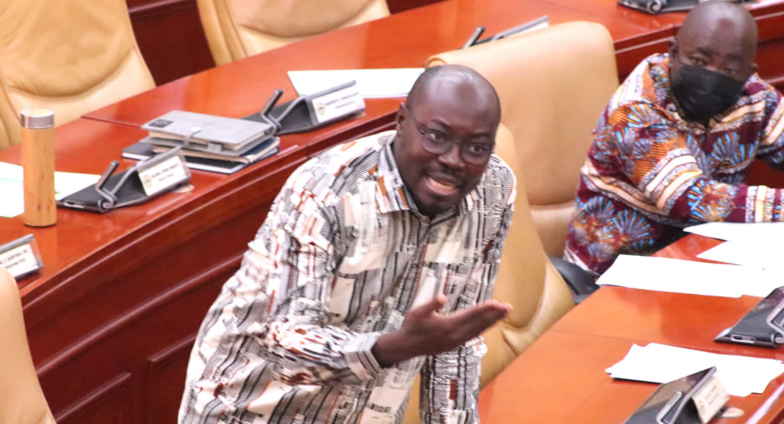
Friday’s State of the Nation Address by President John Dramani Mahama set the stage for an intense debate in Ghana’s Parliament, as lawmakers from both sides of the aisle offered sharply contrasting reactions. In the corridors of Parliament, Felix Ofosu Kwakye, Minister of State in charge of Government Communications, spoke with enthusiasm to the Class Media Group. He praised the administration’s achievements, citing what he described as clear progress in stabilising the economy under President Mahama’s leadership. Mr. Ofosu Kwakye highlighted a reported 2.1 percent reduction in Ghana’s debt stock, a firmer cedi, and easing inflation. “All those indicators have changed. The country’s debts have reduced by 2.1 percent, and the cedi exchange rate is more stable. Prices are falling,” he asserted, crediting sound policies and prudent management for these advances. He also drew attention to government investments in education, insisting such interventions are making a real difference in the lives of ordinary Ghanaians. Yet not all were convinced. From the opposition benches, Akuapim North MP Sammy Awuku offered a starkly different perspective. In his remarks, Mr. Awuku dismissed the President’s address as a list of unfulfilled promises and missed targets. He questioned the gap between government assurances and everyday experiences, pointing to a recent hike in electricity tariffs as evidence that citizens are not feeling the relief promised by the administration. “Households and businesses continue to face rising costs,” he lamented. Mr. Awuku further challenged the government’s track record, claiming that only 38 percent of stated commitments have been honoured. He criticised the lack of concrete updates on major initiatives, such as the construction of fish landing sites meant to bolster coastal communities. Doubts were also cast on the government’s reported creation of one million jobs, with Mr. Awuku demanding credible data to support the claim and warning that youth unemployment remains an urgent issue. He called for greater transparency and accountability, urging the Mahama administration to deliver measurable outcomes and clear timelines for progress, rather than relying on repeated assurances. As the dust settles on President Mahama’s latest address, the divide in Parliament highlights the ongoing contest over Ghana’s economic direction and the lived realities of its citizens. Source: Apexnewsgh.com Post Views: 32
NDC Baba Jamal Poised for Landslide Victory in Ayawaso East By-Election, Poll Shows
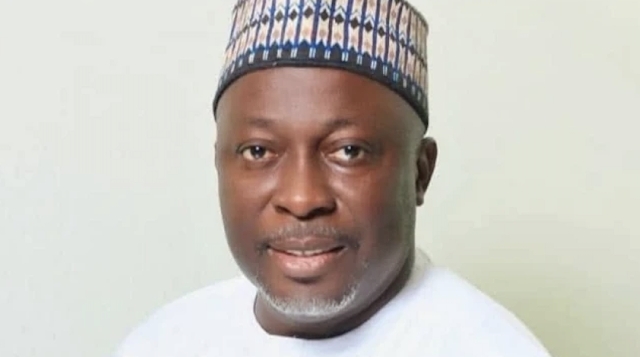
As Ayawaso East prepares for a crucial by-election on Tuesday, March 3, 2026, a wave of anticipation has swept across the constituency. The contest, triggered by the recent passing of MP Mahama Naser Toure, is already shaping up to be a decisive moment for the National Democratic Congress (NDC). According to a fresh opinion poll by Global InfoAnalytics, NDC parliamentary hopeful Baba Jamal stands out as the clear frontrunner. The survey, conducted between February 28 and March 1 among 972 registered voters, reveals Jamal’s commanding lead: he is projected to claim 75 percent of the vote, leaving his nearest competitor, Baba Ali of the New Patriotic Party (NPP), far behind with 21 percent. Independent candidate Umaru Sanda Muhammed, once a member of the NDC, is forecast to garner about 3 percent of the votes. Other aspirants, Ibrahim Iddrisu and David, are expected to record less than one percent each, according to the poll. The by-election was necessitated by the passing of Mahama Naser Toure in January, who died while receiving treatment at the Korle Bu Teaching Hospital. His absence has set the stage for a new chapter in Ayawaso East’s political story, with voters now weighing their options ahead of the polls. With less than a day to go, the numbers suggest Baba Jamal is on course for a sweeping victory, barring any late surprises at the ballot box. Source: Apexnewsgh.com Post Views: 34
Databank Research Projects Relative Stability for Cedi in 2026
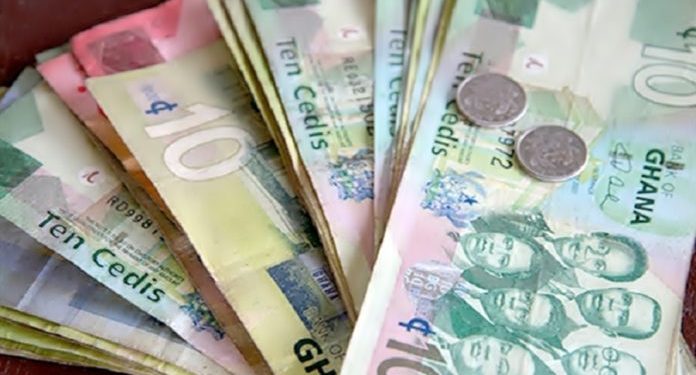
The analysts at Databank Research gathered around their screens, scrutinizing the prospects for Ghana’s currency in the year ahead. Their 2026 Economic Outlook painted a cautiously optimistic picture: the cedi, they projected, would remain relatively stable, ending the year at around GH¢12.85 to the US dollar with a modest depreciation of 7.20 per cent, provided no major shocks rattled the system. Their forecast was underpinned by a careful analysis of expected demand pressures, including the needs of bulk importers, looming energy payments, and upcoming Eurobond obligations. But it was also anchored in hope, a conservative estimate of monthly inflows of about GH¢750 million from GOLDBOD, coupled with reforms in the small-scale mining sector. These gold-backed inflows, the team believed, would give the Bank of Ghana extra firepower to manage expectations and smooth out volatility in the foreign exchange market. Yet, the story didn’t end with Ghana’s internal dynamics. The outlook was buoyed by continued support from international partners such as the International Monetary Fund and the World Bank, which Databank saw as crucial for maintaining external confidence. As the analysts dug deeper, they noticed a subtle but significant shift on the global stage. Some central banks, led by China, were gradually reducing their reliance on the US dollar, turning instead to gold. The report highlighted ongoing debates about reclassifying gold from a Tier 1 asset to a High-Quality Liquid Asset (HQLA), a move that could allow gold to serve as collateral in global financing transactions. While such deliberations, especially within the BRICS bloc, remained tentative due to concerns about volatility and trust, the potential implications were profound. A structural shift in reserve management could reduce the dollar’s dominance and indirectly improve the cedi’s stability by bolstering Ghana’s gold reserves. For now, though, Databank’s researchers were measured in their optimism. Excluding this low-probability scenario, they maintained a neutral-to-positive stance, noting that tighter regulations and healthy reserves should be enough to withstand moderate pressures. As 2026 approached, the cedi’s story seemed to be one of resilience, shaped by both domestic reforms and winds of change in the global financial system. Source: Apexnewsgh.com Post Views: 32
MTN Ghana pays over GHS10bn in taxes as profit surges 56%

MTN Ghana paid GHS10.5 billion in direct and indirect taxes to the government in 2025, up from GHS8.6 billion in 2024, as the telecom giant delivered strong earnings growth and increased shareholder returns. According to its audited 2025 full-year results released by Scancom PLC (MTN Ghana), profit after tax rose by 55.9 percent to GHS7.8 billion, compared to GHS5.03 billion the previous year. Earnings per share also climbed 55.9 percent to GHS0.5923. Service revenue increased by 36.2 percent to GHS24.4 billion, driven largely by growth in data and Mobile Money services. Earnings Before Interest, Taxes, Depreciation, and Amortization (EBITDA) rose by 43.5 percent to GHS14.7 billion, lifting the EBITDA margin to 60.1 percent, up three percentage points year-on-year. Data revenue expanded strongly during the year, while active Mobile Money users increased by 12.3 percent to 19.3 million. Total mobile subscribers grew by 9.2 percent to 31.2 million, reflecting continued demand for connectivity and digital financial services. The company invested GHS6.4 billion in capital expenditure during the year, including GHS4.6 billion in ex-lease capex – to expand network coverage, enhance capacity, and modernise IT systems. On shareholder returns, the Board has recommended a final dividend of GHS0.40 per share, up from GHS0.24 in 2024, subject to approval at the Annual General Meeting. The dividend is scheduled for payment in April 2026. Looking ahead, MTN Ghana says it expects Ghana’s improving macroeconomic environment to support further growth in 2026. The company is maintaining its medium-term service revenue growth guidance in the mid-to-upper thirties percent range and anticipates EBITDA margins in the mid-to-upper fifties percent, while sustaining a dividend payout ratio of 60 to 80 percent, subject to operating conditions. Source: Apexnewsgh.com Post Views: 41