





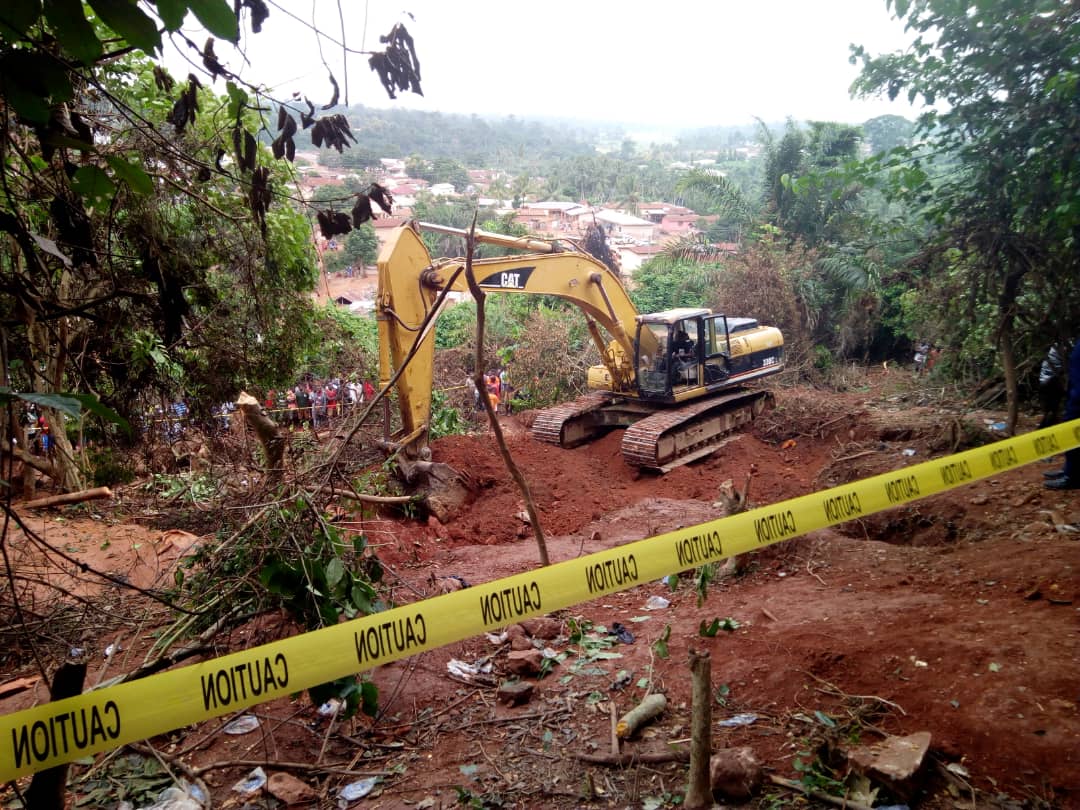




The Power of Grass Biochar in Sustainable Agriculture and Mitigating Climate Change

Feature By Ngamegbulam Chidozie Stephen As I traveled through the Upper East, North East, Upper West, Northern, and Savannah regions, I heard a recurring theme from farmers: frustration. The source of their frustration was not drought, pests, or diseases, but rather the high cost of agrochemicals, particularly fertilizers. However, their concerns are deeply intertwined with the escalating impacts of climate change. Farmers in these regions, who rely heavily on agriculture for their livelihoods, expressed their concerns about the escalating prices of fertilizers. They lamented that the high cost of these essential inputs was eating into their profits, making it difficult for them to sustain their farming businesses. Climate change has exacerbated this issue, as rising temperatures and changing rainfall patterns have led to decreased crop yields, forcing farmers to rely more heavily on agrochemicals to maintain productivity. Moreover, the intensive use of chemical fertilizers can lead to soil degradation, water pollution, and loss of biodiversity – all of which are further exacerbated by climate change. As temperatures rise, soil moisture decreases, and extreme weather events become more frequent, the use of chemical fertilizers can have devastating consequences for the environment. The farmers’ concerns are not unfounded. Climate change is projected to increase temperatures in West Africa by up to 3.5°C by 2100, leading to more frequent droughts, floods, and heatwaves. This will have a disproportionate impact on smallholder farmers, who are already struggling to adapt to the changing climate. Grass Biochar a game changer The concept of biochar has been around for over 2,000 years, dating back to the “slash-and-burn” agricultural method practiced by ancient civilizations. However, the modern understanding and application of biochar as a tool for environmental management and climate change mitigation have developed significantly over the past few decades. The term “biochar” emerged in the early 2000s, in conjunction with growing concerns about soil management and carbon sequestration.¹ Since then, research and development of biochar technologies have accelerated, with various organizations and initiatives promoting its use as a sustainable solution for environmental and agricultural challenges. Some notable milestones in the development of biochar include: A. 2001: The International Biochar Initiative (IBI) was established to promote the use of biochar for environmental management and climate change mitigation. B. 2009: The IBI published a report highlighting the potential of biochar to mitigate climate change by sequestering carbon in soils. C. 2012: Researchers began exploring the use of biochar as a soil amendment to improve soil fertility and reduce greenhouse gas emissions. D. 2024: The Biochar Basics series was published, providing introductory information on biochar used as a container substrate component. Today, biochar is recognized as a multifunctional material with various applications, including carbon sequestration, soil fertilization, water filtration, and contaminant immobilization. Innovative Grass Biochar Offers Promising Solutions for Climate Change and Sustainable Agriculture However, despite all these years of Biochar existence, no scientist or researcher has come out with the innovation of ‘Grass Biochar’. Fortunately, following the skyrocketing increase of chemical fertilizers and some other farming inputs which has become huge challenge for farmers especially in the northern parts of Ghana, in a groundbreaking development, Prof. David Millar of the Millar Institute for transdisciplinary and Development Studies (MITDS) went into research and later came out with ‘Grass Biochar’, an organic fertilizer with the potential to significantly combat climate change while promoting sustainable agriculture. This innovative product harnesses the power of biochar, derived from grass, to provide numerous environmental benefits. One of the key advantages of ‘Grass Biochar’ is its ability to store carbon in the soil for extended periods. By converting grass into biochar, the carbon is locked away, effectively reducing atmospheric CO2 levels and helping to slow global warming. Studies indicate that widespread adoption of biochar could remove up to 10 gigatons of CO2-equivalent from the atmosphere annually, with the potential to decrease global greenhouse gas emissions by 10-20%. In addition to its carbon-sequestering properties, Grass Biochar enhances soil health by improving fertility, structure, and water-holding capacity. This leads to better plant growth, reduced soil erosion, and healthier ecosystems, as resilient soils can absorb and store even more carbon. Moreover, Grass Biochar plays a vital role in reducing greenhouse gas emissions. It has shown effectiveness in lowering nitrous oxide (N2O) and methane (CH4) emissions from soils. By promoting efficient nutrient cycling, it minimizes the need for fertilizers, thus further decreasing N2O emissions. Grass Biochar also supports regenerative agriculture practices, which promote soil conservation and biodiversity. By utilizing readily available biomass like grass, its production encourages sustainable land management while also addressing the issue of waste, as grass is often viewed as a nuisance. The benefits of Grass Biochar extend to climate change adaptation as well. Fields enriched with biochar exhibit improved drought resilience and enhanced water retention, helping farmers navigate climate variability and extreme weather conditions effectively. Furthermore, the potential impact goes beyond environmental benefits. The Grass Biochar initiative could create job opportunities in production and application sectors. Enhanced soil fertility leads to improved crop yields, thereby bolstering food security and availability. To fully realize the climate change mitigation potential of Grass Biochar, government support is essential. Recommendations for action include research funding to explore optimal production methods and scalability, as well as policy incentives such as subsidies or carbon credits to encourage farmer adoption. Educating farmers, policymakers, and stakeholders about the benefits of biochar and best practices will also be crucial for successful implementation. Prof. Millar’s Grass Biochar not only presents a viable solution to tackle climate challenges but also promotes sustainable agriculture, ultimately contributing to a more secure food future. Engaging Prof. Millar, he emphasized that the resources required for grass biochar production are readily available at the local level, unlike chemical fertilizers. He revealed the project has reached 11 communities across 5 regions, aims to train women’s groups in the production of grass biochar, a revolutionary organic fertilizer. The impact of this initiative has been nothing short of remarkable. Women who were once struggling to make ends meet are now equipped with the knowledge
Cyclone Chido Devastates Northern Mozambique, Leaving Destruction and Displacement in Its Wake

In the early hours of Monday, Cyclone Chido unleashed its devastating fury on northern Mozambique, leaving a trail of destruction that would haunt the region for months to come. As the storm made landfall in the district of Mecufi, it brought with it relentless winds and torrential rains, resulting in catastrophic damage, particularly in Cabo Delgado province. The chair of Mozambique’s National Institute for Disaster Risk Management and Reduction, Luisa Meque, surveyed the aftermath firsthand, revealing that at least 34 lives had been lost and 43 more injured. With rescue teams desperately combing through the rubble, she noted that these figures were only preliminary. The effects of the cyclone were far-reaching, with reports indicating that around 2.5 million people had been impacted. Among those who felt the cyclone’s wrath was Canjar Amade, who recounted his harrowing experience through a WhatsApp message. The cyclone tore apart his house overnight, with the winds wrenching the roof sheets away and ultimately collapsing the structure by morning. His story echoed the accounts of many others in the capital, Pemba, and surrounding districts, where destruction was near-total and few homes remained intact. As the nation grappled with the immediate aftermath, meteorologist Acacio Tembe warned that the remnants of Cyclone Chido still lingered, causing ongoing rains and strong winds across Niassa, Cabo Delgado, and other areas. The storm’s impact extended beyond Mozambique, as it also battered parts of Malawi and the island of Mayotte. Experts anticipated that the system would eventually dissipate near Zimbabwe by late Tuesday, but the damage had already etched itself into the lives of countless individuals. Mozambique, a country frequently besieged by the forces of nature, faces the harsh realities of climate change. The annual rainy season, spanning from October to April, often brings severe flooding and tropical cyclones. With predictions of a potential La Nina effect in southern Africa in early 2025, experts warned that the frequency and intensity of severe weather, including heavy rains and storms, were likely to increase. This prediction looms Source: Apexnewsgh.com
Deplorable Farm Roads Threaten Rural Women’s Livelihoods–Miyella Lydia
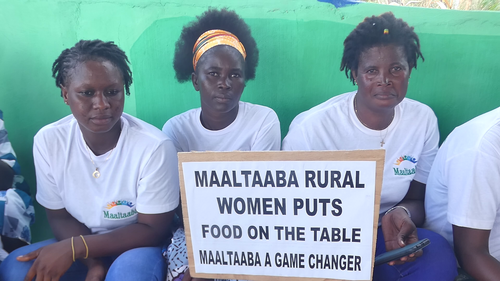
In the heart of Ghana’s Upper East Region, a group of determined women known as the Maaltaaba Women Peasant Farmers Cooperative is striving to make a difference in their communities. Apexnewsgh reports Led by Lydia Miyella, the Executive Director, these women work tirelessly to contribute to the country’s growth through sustainable agriculture. However, their efforts are hindered by the deplorable state of the roads leading to their farms and communities. The treacherous paths make it incredibly challenging for them to transport their produce to the market. However, despite their vital role in the local economy, the rural women farmers face limited access to markets, poor road conditions, and inadequate storage facilities, which ultimately lead to reduced income and increased drudgery. In an exclusive interview with Apexnewsgh, Lydia Miyella emphasized the urgent need for government support in the form of storage facilities and road rehabilitation. She believes that addressing this infrastructure deficit would enable the women to transport their goods efficiently, thus boosting their livelihoods and the local economy. The cooperative’s mission of empowering rural women through sustainable agriculture aligns with Madam. Miyella’s call to action. By improving road networks and storage facilities, the government has the opportunity to enhance the economic prospects of rural women, increase food security, and boost local economies, ultimately fostering inclusive growth. The plight of rural women farmers in the Upper East Region of Ghana is just one example of a broader issue faced by similar communities across the country. As Ghana strives for development, it is crucial to recognize and address the challenges faced by these women. Their prosperity is intricately linked to the nation’s economic well-being. Source: Apexnewsgh.com/Ngamegbulam Chidozie Stephen Contact: +233248250270/+233256336062 for your publications
Rural Women’s Cry for Help: Maaltaaba Advocates for Solar Irrigation Systems

Lydia Miyella, the Executive Director of Maaltaaba Peasant Women Farmers Cooperative, was deeply concerned about the plight of rural women in Ghana’s Upper East Region. Apexnewsgh reports The region was facing a severe drought, with over two months of little to no rainfall, posing a significant threat to food security and the livelihood of thousands of farmers. In a heartfelt plea to stakeholders and the government, Madam. Lydia emphasized the urgent need for solar mechanized irrigation systems to support the rural women in farming and producing agricultural products for their community and the country at large. She stressed that these systems were particularly crucial in the drought-prone Upper East Region to combat the near-drought conditions and the increased risk of crop failure for farmers. Recalling Ghana’s devastating experience with drought in the early 1980s, Madam. Lydia highlighted the importance of taking proactive measures to avert similar crises. She expressed her fears for the uncertain future and the livelihoods of the rural women, urging stakeholders to provide support for the solar mechanized irrigation systems to enable year-round crop cultivation. Amidst the challenges, there was a glimmer of hope. With the support of the Yamariga Chief and organizations like Forest and Farm Facility (FFF) and Star-Ghana, Maaltaaba had secured land for the women to farm. Additionally, the women had received training in compost preparation and organic farming, leading to a flourishing farm with diverse crops including peppers, tomatoes, maize, okra, beans, and pawpaw seedlings. Madam Lydia expressed hope that other stakeholders and chiefs would follow suit, empowering rural women to thrive and ensuring a sustainable future for agriculture in the region. Source: Apexnewsgh.com/Ngamegbulam Chidozie Stephen Contact: +233248250270/+233256336062 for your publications
NPP Parliamentary Candidate Joins Rural Women’s Day Celebration in Talensi District

Mr. Robert Alibo, the New Patriotic Party (NPP) parliamentary candidate for the Talensi District, made a heartwarming appearance at the celebration of Rural Women’s Day, where he joined the Maaltaaba Peasant Women Farmers Cooperative. Apexnewsgh reports In a touching address to the gathering, Alibo expressed deep appreciation for the challenges faced by rural women and lauded their collaborative efforts. “You’ve shown remarkable strength in organizing yourselves, and that’s where the greatest support is needed,” he remarked. “Rural women play a pivotal role in every economy and society, essentially being the backbone of our country.” Mr. Alibo went on to commend their initiatives for self-empowerment and pledged to nurture a strong partnership if elected as a Member of Parliament. “God willing, we will collaborate to enhance your livelihoods.” The celebration served as a poignant reminder of the crucial contributions made by rural women and underscored the significance of backing their endeavors. Source: Apexnewsgh.com/Ngamegbulam Chidozie Stephen Contact: +233248250270/+233256336062 for your publications
Maaltaaba Women Celebrates International Rural Women’s Day
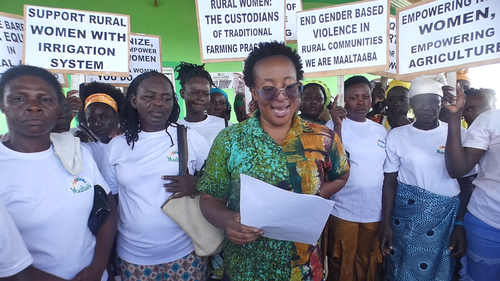
The Maaltaaba Peasant Women Farmers’ Cooperative in the Talensi District of Ghana’s Upper East Region came alive with vibrant celebrations as they observed International Rural Women’s Day. Apexnewsgh reports Rural women from various communities gathered in Yamiriga for a float, proudly holding placards that highlighted their contributions and the challenges they face. Amidst the festivities, Miyella Lydia, the Executive Director of the cooperative, delivered a powerful speech, emphasizing the pivotal role rural women play in their families, communities, and nations. She expressed, “International Rural Women’s Day is a special opportunity to celebrate the dedication and perseverance of these extraordinary women.” During her speech, Lydia shed light on the challenges faced by rural women, such as limited resources and social barriers. She mentioned that according to data from the Statistical Service, 1.5 million rural women are engaged in vulnerable employment. Despite these obstacles, rural women are the backbone of food systems, economies, and societies, possessing invaluable knowledge and driving innovation. The theme of this year’s celebration, “Rural Women Cultivating Good Food for All,” deeply resonated with the cooperative. Lydia stressed the importance of empowering rural women for food security, environmental sustainability, and equitable opportunities. Through their initiatives, the Maaltaaba Peasant Women Farmers’ Cooperative has witnessed rural women achieving success through collaboration, entrepreneurship, and leadership. However, Lydia highlighted the need for more advocacy for policies upholding rural women’s rights, providing education and training, and ensuring access to information and technology. Addressing the rural women, Lydia emphasized, “Your voices are significant, and your contributions are invaluable. Empowering you remains our top priority.” She also urged partners and stakeholders to join in solidarity and collective action toward a more just world for all. “International Rural Women’s Day is not merely a celebration; it is a call to action. Let us commit to empowering rural women, improving our communities, and building a brighter future for everyone.” The Yameriga Assembly member praised the rural women. He said, the cooperative, consisting of 1,250 women including widows, single mothers, and farmers with disabilities, has brought about significant positive changes through their farming activities. Their impact is felt not only within their own community but also in neighboring areas, where people visit to learn from their innovative initiatives. The cooperative has focused on establishing fruit trees and diverse crops, which not only support the women themselves but also serve as a model for others to follow. They have also been farming vegetables for both community consumption and personal use, showcasing their resourcefulness and dedication to sustainable agriculture. These women have not only improved their own productivity and household incomes but have also broken social barriers and achieved economic stability through training and advocacy. Their efforts have been widely praised, with the Yamriga Electoral Area Assembly Member commending their work and expressing gratitude to organizations like FFF, FAO, and Star-Ghana for their support. One of the most impressive aspects of their work is their creation of their own manure to fertilize their farms, demonstrating their commitment to sustainable and self-sufficient farming practices. The Maaltaaba Cooperative serves as an inspiring example of how collective action and dedication can bring about tangible and positive change in rural communities. Source: Apexnewsgh.com/Ngamegbulam Chidozie Stephen Contact: +233248250270/+233256336062 for your publications
Minnesota Couple’s Regenerative Approach Combats Climate Change

In the heart of America’s Corn Belt, there’s a remarkable story of innovation and dedication to sustainable farming. Apexnewsgh reports Grant and Dawn Brights, a third-generation farming couple, have been making waves with their pioneering approach to agriculture on their 1,400-acre Stoney Creek Farm in southwest Minnesota. For over a decade, the Brights have been leading the charge in shifting away from traditional industrial agriculture to embrace regenerative farming methods. They’ve bid goodbye to tilling and chemical usage, opting instead for a nature-driven approach aimed at rejuvenating the soil. “We’re turning our soil from yellow clay to black, rich soil,” Grant exclaimed, proudly displaying a handful of dark, earthy soil. “It’s like chocolate cake!” Their commitment to regenerative agriculture has yielded remarkable results, including improved soil health, increased earthworm activity, enhanced biodiversity, reduced chemical usage, and better crop resilience. Even during the challenging wet years of 2018-2019, the Brights’ farm thrived while neighboring farms struggled with flooded fields and damaged crops. “There’s a lot of benefits to healthy soil,” Dawn said. “We used to lose crops to wet spots, but now we harvest every acre.” The Brights’ regenerative approach encompasses practices such as no-till farming, cover cropping, crop rotation, and integrating livestock. By working with nature, they are not only sequestering carbon and reducing greenhouse gas emissions but also supporting essential ecosystem services. Amidst the global challenge of climate change, the Brights’ story stands as a beacon of hope, demonstrating the immense potential of regenerative agriculture to transform farming practices and mitigate the climate crisis. Source: Apexnewsgh.com/Ghana/Climate Change/ Ngamegbulam Chidozie Stephen For publication please kindly contact us on +233256336062, +233248250270 or Email apexnewsgh@gmail.com
The Soil Solution: Can Climate-Resilient Dirt Save Humanity?

At the Bright Creutz farm in Minnesota, a remarkable transformation has taken place. Soil expert Ray Archuleta reveals the hidden power behind this regenerative farm’s success. Apexnewsgh Reports Archuleta, a retired USDA NRCS soil health specialist, demonstrates the magic of functioning soils using a rain simulator. Comparing soils from a natural forest, pasture, Bright Creutz farm, and conventional farm, he shows how each absorbs and filters water. The Results: The forest soil showed 95% infiltration and 5% runoff, while the regenerative farm (Bright Creutz) demonstrated 90% infiltration and 10% runoff. In contrast, the conventional farm only had 20% infiltration and a staggering 80% runoff. The Bright Creutz farm’s soil stands out for its ability to absorb more water, reducing runoff and increasing resilience against flooding and droughts. The Secret to Success: Archuleta explains that the integrity of the soil relies on biotic glues – organic matter created by living organisms and plants. Regenerative agriculture mimics nature, leveraging earthworms as tillage equipment, living roots, microorganisms breaking down organic substances, and secretions from microbes and earthworm waste as soil glue. How it Works: Plants absorb CO2 through photosynthesis, and the carbon becomes sugars and compounds, feeding microorganisms. These microbes break down organic substances, aiding nutrient absorption, while their secretions and waste create soil glue, maintaining the soil’s structure. By farming like nature, the Bright Creutz farm has achieved remarkable results, showcasing the potential of regenerative agriculture to combat climate change. Regenerative agriculture enhances soil health and resilience, while soil’s biotic glues maintain its structure and function. Nature-inspired farming methods reduce runoff and increase water infiltration, and the soil’s capacity to absorb carbon dioxide can mitigate climate change. As the world seeks climate solutions, the Bright Creutz farm’s story serves as a beacon of hope, demonstrating the transformative power of regenerative agriculture. Source: Apexnewsgh.com/Ghana/Climate Change/ Ngamegbulam Chidozie Stephen For publication please kindly contact us on +233256336062, +233248250270 or Email apexnewsgh@gmail.com
The Hidden Climate Solution Beneath Our Feet: Soil

It is mind-blowing that, as the world searches for answers to the climate crisis, a scalable, affordable, and effective solution lies right beneath our feet – soil. Apexnewsgh reports On an organic farm in New York, a community-driven initiative is showcasing the power of soil in combating global heating. The farm’s rich, dark soil, reminiscent of chocolate, is teeming with carbon. This element, often villainized in climate conversations, may hold the key to tackling the crisis. By utilizing atmospheric carbon to enrich soil, farmers can produce more nutritious food, a practice known as regenerative agriculture or carbon farming. The Carbon Conundrum The Earth’s atmosphere contains 750 billion tons of carbon, while soil holds twice that amount – 1,500 billion tons. However, human activities like deforestation and cultivation have released 500 billion tons of carbon into the atmosphere over thousands of years. Modern industrial agriculture has accelerated this trend, contributing to planetary warming. Reversing the Trend Carbon farming offers a solution, shifting the paradigm from conventional agriculture to regenerative practices. By adopting these methods, farmers can: Store carbon in soil, revive natural ecosystems and produce nutritious food A Growing Movement One thing you cannot take away is that efforts to adopt regenerative agriculture are spreading worldwide, from the United States to Africa, Asia, and Europe. This movement, dubbed “Carbon Farming” or “Regenerative Agriculture,” aims to: Restore soil health, enhance biodiversity and mitigate climate change. As the world seeks innovative solutions to the climate crisis, the humble soil beneath our feet may hold the answer. Source: Apexnewsgh.com/Ghana/Climate Change/ Ngamegbulam Chidozie Stephen For publication please kindly contact us on +233256336062, +233248250270 or Email apexnewsgh@gmail.com
Mainstreaming Grass Biochar in Agriculture: A way to go for Farmers–Clifford Amoah Adagama

Clifford Amoah Adagama, of Kessena Nankana Cooperative Baobab Processors Union (KANBACU), has emphasized the potential of grass biochar to transform agriculture in the region. Apexnewsgh reports Speaking at a dialogue meeting organized by the Millar Institute for Transdisciplinary and Development Studies (MITDS) in Bolgatanga, Mr. Adagama highlighted the benefits of mainstreaming biochar into agricultural production. Mr. Adagama noted that introducing biochar to dry season farming can help reduce the reliance on chemical fertilizers, promote soil rejuvenation, and increase fertility levels. This innovation has the potential to support women farmers who struggle to access capital for chemical fertilizers. KANBACU has already received training on biochar production and has started initial pilots. Mr. Adagama stressed the need for government support to scale up this innovation, advocating for a seed fund to be established for environmental conservation and protection initiatives. This fund would enable innovators to access resources to develop and scale their technologies, reducing the environmental impact of bushfires in the region. According to him, the adoption of grass biochar in agriculture has the potential to reduce pressure on farmers, promote conservation, and increase household income. Mr. Adagama’s call to action emphasizes the importance of government investment in this innovation to reduce the environmental impacts of bushfires and promote sustainable agriculture practices. Source: Apexnewsgh.com Thanks for reading from Apexnewsgh as a news publishing website from Ghana. We encourage you to freely share this story via social media platform and follow us on; Facebook on APEXNEWSGH-Tv or Please contact Apexnewsgh.com on email apexnewsgh@gmail.com for your credible news publications. Contact: 0248250270/0256336062