
GES Warns Schools Against Unauthorized PTA Levies

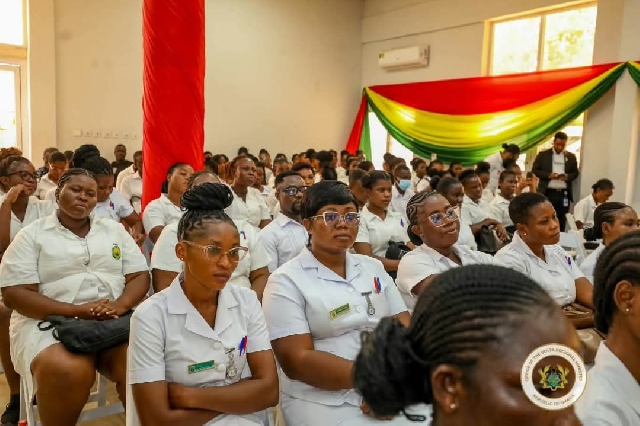
It was a busy morning at the Ghana Education Service (GES) headquarters when Daniel Feyi, the Head of Public Relations, sat down to sign an important statement. Reports had been pouring in, some schools across the country, especially second-cycle institutions, were collecting various fees from parents under the name of Parent-Teacher Association (PTA) dues. These collections, it turned out, were not authorized. Recognizing the seriousness of the matter, the GES issued a strong warning to all schools: No school, whether basic or second-cycle, had been granted permission to collect PTA or development levies without official approval. The directive was clear, before any levy could be imposed, schools must seek approval through the right educational channels. For basic schools, this meant applying through the District Education Oversight Committee (DEOC) via the District Director of Education. For second-cycle schools, the Regional Director of Education was the authority to approach. But the GES went further. Even if approval was given, the Service emphasized that PTA payments were strictly voluntary. No student, the statement stressed, should ever be denied any service, right, or benefit at school for not paying such levies. To make the distinction even clearer, the GES instructed that no school head, teacher, or GES staff member should be involved in collecting PTA dues. That responsibility, they reminded everyone, belonged solely to the elected PTA executives, whose fundraising activities were separate from official school duties. Regional and District Directors received a special task: to keep watch over all schools, ensuring that the directive was followed. Any violation, the statement warned, would be met with swift disciplinary action. Through this cautionary tale, the GES reaffirmed its commitment to fairness, transparency, and accountability in Ghana’s schools, protecting both parents and students from unauthorized financial demands and maintaining trust in the nation’s educational system. Source: Apexnewsgh.com
Cabinet Orders Restoration of Original Names for Ghana’s Public Universities
Mahama Ayariga, has announced that Cabinet has directed the restoration of the original names of all public universities that were renamed after individuals during the previous Akufo-Addo administration. Addressing Parliament on Tuesday, October 21, 2025, the Bawku Central MP revealed that a bill will soon be introduced to formalise the reversal of these changes. “Mr. Speaker, there has been a Cabinet directive to change the names of all the universities that were renamed after individuals back to the original names they were given,” Mr. Ayariga stated. “A bill will be brought to this House to change and reverse all the name changes of the universities,” he added. The previous administration’s decision to rename several public universities and polytechnics in honour of notable national figures sparked considerable debate. Among the affected institutions were the University of Mines and Technology (UMaT) in Tarkwa, renamed the George Grant University of Mines and Technology; Wa Campus of the University for Development Studies (UDS), renamed the Simon Diedong Dombo University of Business and Integrated Development Studies; Navrongo Campus of UDS, renamed the C.K. Tedam University of Technology and Applied Sciences; and Ho Technical University, renamed Ephraim Amu Technical University. The renaming exercise was heavily criticised at the time by the then-opposition National Democratic Congress (NDC), which argued the move was politically motivated, favouring figures associated with a specific tradition. If enacted, the new directive will signal a significant policy reversal, aiming to depoliticise the identities of Ghana’s public universities and restore their original institutional heritage. The forthcoming bill is expected to spark nationwide discussion as it moves through Parliament in the coming weeks. Source: Apexnewsgh.com
Ashanti Region Parents Question True Cost of ‘Free’ SHS Policy
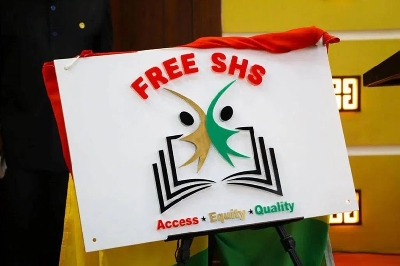
The excitement of securing a place in senior high school is being overshadowed by growing anxiety among parents. While the government’s Free Senior High School (SHS) policy was designed to eliminate financial barriers to education, many families are now questioning just how “free” the programme truly is. As the new academic year begins, parents are grappling with lengthy prospectus lists from schools—lists that come with price tags few anticipated. In candid interviews with Kumasi FM’s Elisha Adarkwah, several parents shared their frustration. For one mother, the cost of required items for her child’s SHS admission soared to nearly GHS 7,000. Another parent recounted spending GHS 6,000 on similar school supplies. For families with more than one child in secondary school, the expenses quickly multiply, placing immense pressure on household budgets. The parents described the situation as both surprising and financially exhausting. They pointed out that, although tuition and boarding fees may be waived, the cumulative cost of uniforms, mattresses, utensils, books, and other essentials, plus transportation, makes education unaffordable for many. The burden, they say, is particularly heavy for low-income families who were counting on the Free SHS policy to give their children a fair chance. With their voices united, the parents are calling on the government and the Ministry of Education to revisit the requirements. They argue that regulating and simplifying school prospectus lists is essential if the Free SHS programme is to deliver on its promise, ensuring every Ghanaian child has a real opportunity to learn, regardless of their family’s income. Source: Apexnewsgh.com
GTEC Issues Strong Warning Against Unaccredited Tertiary Institutions Operating in Ghana
The Ghana Tertiary Education Commission (GTEC) has sounded the alarm on a troubling trend, issuing a public notice to caution students, tertiary institutions, and the general public against engaging with a growing list of unrecognised and unaccredited institutions operating both within Ghana and from abroad. In its latest communication, GTEC unveiled an expanded blacklist of 50 institutions that have failed to meet Ghana’s rigorous accreditation and quality assurance standards. The Commission warned that any academic or professional certifications issued by these entities would not be recognised in Ghana, potentially jeopardizing future opportunities for unsuspecting students and employers alike. The list spans a wide array of institutions from around the globe, including Universidad Azteca (Mexico), Breyer State Theology University (USA), Debest College of Science, Arts and Business (Ghana), Atlantic International University (USA), Selinus University of Sciences and Literature (Italy), and many more. These institutions, according to GTEC, have breached important accreditation protocols and, as a result, cannot offer legitimate qualifications in Ghana. GTEC’s notice was unequivocal: students and educational partners should exercise extreme caution and thoroughly verify the accreditation status of any university or college before enrolling or initiating collaborations. The Commission urged stakeholders to consult its official website or contact its offices directly to confirm the legitimacy of any institution. By taking this strong stance, GTEC reiterated its commitment to safeguarding the integrity of Ghana’s tertiary education system. The Commission emphasized that protecting students from fraudulent or substandard institutions is a shared responsibility, and called on all parties to treat this warning with the utmost seriousness. As the education landscape continues to expand, GTEC’s message is clear: only qualifications that meet Ghana’s, and the world’s, highest academic and professional standards will be recognized, ensuring that students and employers alike can trust the value of Ghanaian education. Source: Apexnewsgh.com
Education Minister Haruna Iddrisu Cracks Down on Admission Malpractices in Schools
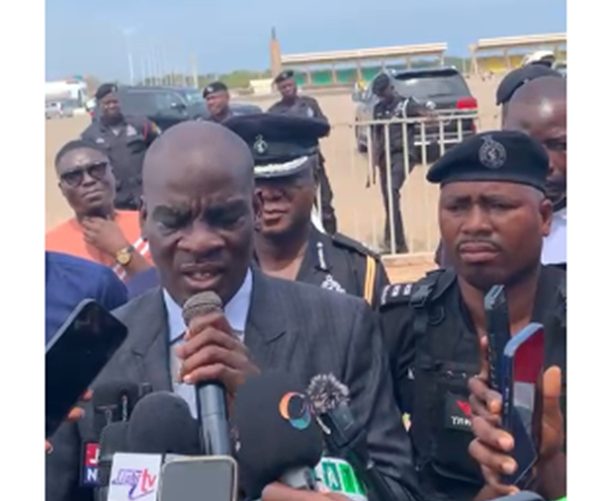
At the 32nd Annual Conference of Directors of Education in Sunyani, the Bono Region, the Minister for Education, Mr. Haruna Iddrisu, delivered a firm message to headteachers across Ghana: admission malpractices and extortion will not be tolerated. The Minister’s address came amidst growing reports that some school heads were turning away students who had been rightfully placed in their institutions or were demanding unapproved fees from anxious parents. Mr. Iddrisu denounced these actions as unacceptable, asserting that they undermine the government’s commitment to providing free and equitable education for every Ghanaian child. He stressed that all students assigned to schools through the Computerised School Selection and Placement System (CSSPS) are entitled to admission without any discrimination or extra financial burdens beyond the officially sanctioned fees. Determined to root out corruption and ensure fairness, Mr. Iddrisu warned that any headteacher found frustrating the enrollment process or engaging in extortion would face strict disciplinary and legal consequences. The Minister called on Directors of Education to intensify their oversight and make sure that all schools adhere to the Ministry’s guidelines. By stepping up monitoring and enforcement, he said, the education sector could guarantee a smooth, transparent, and fair admission process for first-year students nationwide. Mr. Iddrisu’s strong stance sends a clear signal: the Ministry of Education is determined to uphold discipline, transparency, and justice in schools, ensuring that access to quality education remains a right for all, not a privilege for a few. Source: Apexnewsgh.com
A Surprise Lesson in Leadership: Minister Haruna Iddrisu Inspires PRESEC-Legon Freshmen

The morning routine at Presbyterian Boys’ Secondary School (PRESEC-Legon) was unexpectedly interrupted by the arrival of a distinguished guest. Alhaji Haruna Iddrisu, the Member of Parliament for Tamale South and Ghana’s Minister for Education, made a surprise visit that quickly turned into a memorable event for the school’s first-year students. With his reputation for eloquence and years of dedicated service in Parliament, Haruna Iddrisu’s presence brought a mix of astonishment and excitement to the campus. The young students gathered, eager to hear from a national figure who understood both the promise and the pressures of youth. During his brief interaction, Minister Iddrisu encouraged the students to blend discipline, diligence, and innovation in their academic journey. He lauded PRESEC for its legacy of excellence and strong moral values, calling the school “a national treasure shaping Ghana’s future leaders.” His words resonated with the students, many of whom felt inspired by this rare moment of direct mentorship. The Minister also spoke passionately about the importance of integrity, curiosity, and patriotism—virtues he believes will define the next generation of Ghanaian thinkers and changemakers. School authorities expressed their gratitude, emphasizing how such visits foster closer connections between the nation’s leaders and its youth, motivating students to set their sights even higher. This surprise visit was more than just a courtesy call; it was a reflection of Haruna Iddrisu’s deep commitment to youth mentorship and education-focused leadership. For him, the classroom is where sustainable national progress begins, and PRESEC stands as a shining example of the brilliance and discipline needed to shape Ghana’s future. Source: Apexnewsgh.com
KNUST College of Engineering Delegation Visits NYA CEO to Forge Youth Skills Development Partnership
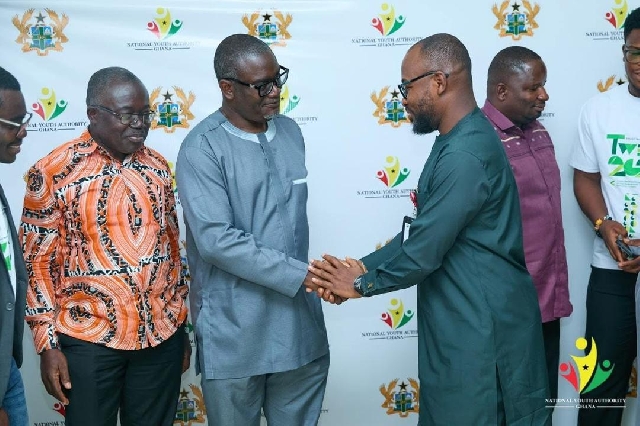
A delegation from the College of Engineering at the Kwame Nkrumah University of Science and Technology (KNUST), led by Provost Professor Kwabena Biritwum, has paid a courtesy call on Mr. Osman Ayariga, Chief Executive Officer of the National Youth Authority (NYA). The visit, highlighted on NYA’s official social media pages, is part of ongoing efforts to deepen collaboration between academia and public institutions to expand youth skills training, particularly in engineering and technology, as a catalyst for economic growth. During their meeting, both parties discussed strategic programmes aimed at equipping young people with practical technical and engineering skills to meet the demands of the changing job market. Professor Biritwum underscored the importance of empowering future engineers through hands-on training and innovation for sustainable national development. “We are eager to explore avenues through which engineering and technology-based skills training can drive innovation, employment, and economic transformation,” Professor Biritwum said. NYA CEO Mr. Ayariga commended KNUST’s forward-thinking approach and reaffirmed the Authority’s commitment to supporting youth-centred skills development. “The NYA remains dedicated to empowering Ghanaian youth with practical skills and opportunities needed to thrive in the modern economy. A partnership like this will help us transform academic knowledge into real-world impact,” he noted. Both institutions agreed to develop a collaborative framework for programmes such as technical skills training, mentorship, entrepreneurship incubation, and research in emerging technologies. They believe the partnership will enhance youth employability and innovation, contributing significantly to Ghana’s broader goals of industrialisation and economic empowerment. Source: Apexnewsgh.com
GTEC Withdraws Accreditation for Two UCC Postgraduate Programmes Over Delivery Mode Concerns
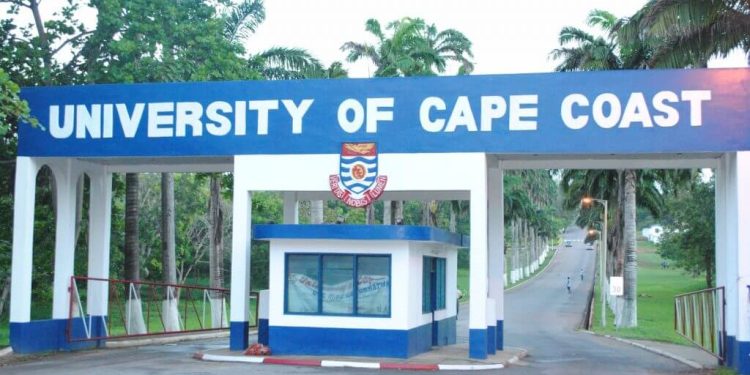
In a significant move affecting postgraduate studies at the University of Cape Coast (UCC), the Ghana Tertiary Education Commission (GTEC) has withdrawn accreditation for the MSc Customs Administration and M.Phil. Customs Administration programmes, with immediate effect. The decision, announced in a letter dated October 6, 2025, and signed by GTEC’s Director-General, Prof. Ahmed Jinapor Abdulai, was addressed to UCC’s Acting Vice Chancellor. According to GTEC, the withdrawal follows the University’s deviation from the originally approved mode of instruction for these programmes. Originally accredited to be taught in a regular, in-person format, the two programmes were instead run as sandwich and fully online courses without prior approval from the Commission. GTEC’s letter highlighted this breach: “As you are aware, accreditation for these programmes was granted to be taught in regular and in-person mode. However, the University of Cape Coast, without recourse to GTEC, has commenced delivering these programmes as sandwich and 100% online.” The Commission has made it clear that if UCC wishes to continue offering the programmes in alternative formats, it must reapply for accreditation. GTEC also informed the Commissioner of Customs at the Ghana Revenue Authority (GRA) that any certificates issued under these now de-accredited programmes will not be recognised. Furthermore, GTEC has directed UCC to withdraw all admissions granted under the affected programmes and to provide proof of compliance by October 31, 2025. The decision sends a strong message about the importance of adhering to approved academic standards and procedures in Ghana’s higher education sector. Source: Apexnewsgh.com
Savelugu SHS Teacher Crowned Ghana’s Most Outstanding Educator at 2025 Ghana Teacher Prize
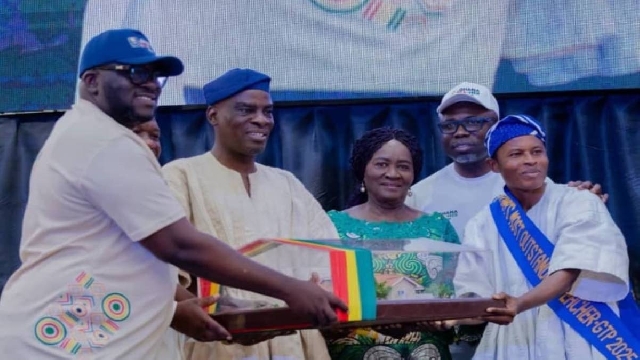
Mr. Richard W. Tiimob, a dedicated teacher at Savelugu Senior High School in the Northern Region, has been celebrated as Ghana’s Most Outstanding Teacher at the 2025 Ghana Teacher Prize ceremony, which took place at the University of Health and Allied Sciences (UHAS) in Ho. This highly esteemed honour, which includes a three-bedroom house, is a testament to Mr. Tiimob’s unwavering commitment to education and his exceptional efforts to transform the lives of his students through teaching. Taking the stage to accept his award, Mr. Tiimob expressed heartfelt gratitude to God, his family, students, colleagues, and the leadership of his school, crediting their collective encouragement and support for his success. He described teaching as “more than a profession, a calling to inspire, mentor, and transform lives.” He noted that his achievement reflected the combined efforts of everyone involved in the pursuit of quality education in Ghana. Mr. Tiimob used the moment to urge teachers across the nation to continue innovating in their classrooms, to elevate their craft, and to inspire every learner. He envisioned a Ghana shaped by ambition, excellence, and purpose, one where educators play a central role in national development. The Ghana Teacher Prize, organized each year by the National Teaching Council, stands as a celebration of excellence in teaching. The award honours educators who demonstrate leadership, innovation, and a lasting impact on shaping the country’s future. Source: Apexnewsgh.com
UTAG Steps Up Pressure on Government to End Galamsey

The University Teachers Association of Ghana (UTAG) has sounded a clarion call for urgent action against illegal mining, popularly known as galamsey, signaling a new phase in the nation’s efforts to protect its environment. The Association is preparing to roll out a series of initiatives designed to hold the government accountable and intensify the fight against the ongoing destruction of Ghana’s water bodies and forest reserves. Dr. Ivy Fiador, the newly elected President of UTAG, shared the Association’s concerns with the media, expressing deep worry about the consequences of unchecked galamsey operations. “Water is an essential thing, and that is what we drink. Now it may look like it is far away from us. In a few years, we are likely to be battling more diseases than we normally would. Already, as a nation, we are financially challenged,” she cautioned. Dr. Fiador acknowledged that while illegal mining may appear to provide employment opportunities, the long-term costs far outweigh the short-term benefits. “When you juxtapose the cost implication when you want to restore degraded lands or water, then you realise that the net present value is negative in the long run,” she noted, urging the country to look beyond immediate gains and consider the lasting impact on public health and the economy. UTAG’s upcoming measures aim to put sustained pressure on the government to act decisively, reflecting the Association’s belief that the future of Ghana’s environment and its people depends on immediate intervention. “Unchecked galamsey operations threaten not only public health but also the nation’s economic stability,” Dr. Fiador emphasized. As UTAG prepares to unveil its action plan, the national conversation on illegal mining continues to gather momentum. President John Dramani Mahama is set to meet with over 60 civil society organizations on Friday, October 3, to deliberate on strategies to end galamsey and secure Ghana’s environmental future. Source: Apexnewsgh.com