

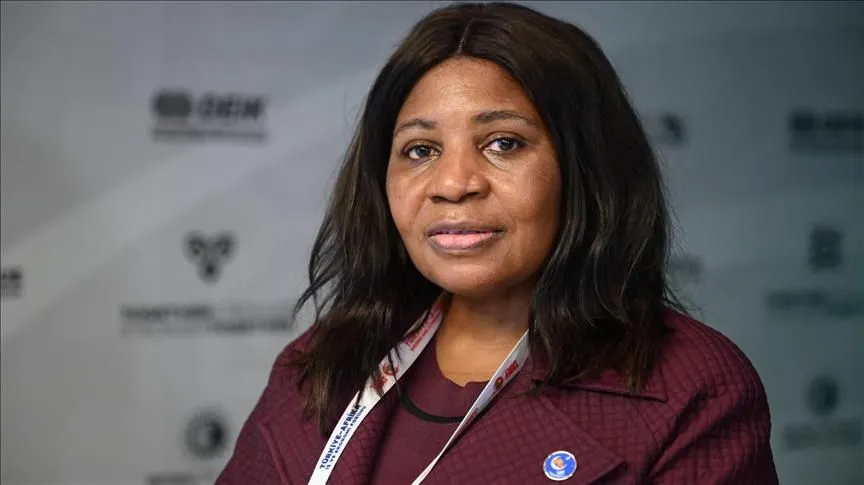




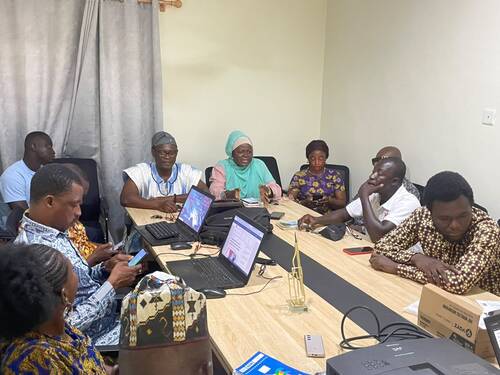
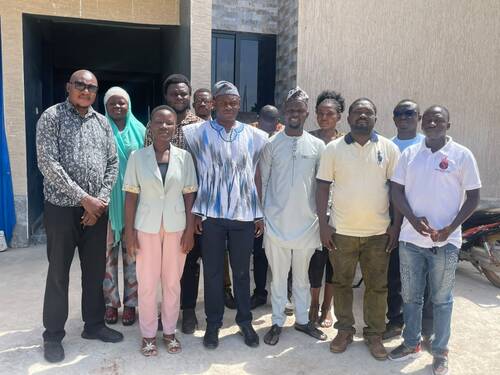
The Vice Chancellor of the University of Health and Allied Sciences (UHAS), Professor Lydia Aziato, has praised the creation of the Ghana Medical Trust Fund, describing it as a crucial step in relieving the heavy financial burdens faced by cancer and chronic disease patients in Ghana.
Speaking at a stakeholders’ engagement in Ho, Professor Aziato, herself an experienced oncology and chronic-care nurse, drew from her professional background and research to highlight the dire challenges patients endure. “The cost of cancer treatment remains a major challenge for many patients,” she noted, adding that these difficulties often lead individuals to delay medical care or seek spiritual interventions before turning to professional treatment.
Recounting stories from her research, Prof. Aziato shared the harrowing experiences of cancer patients. She recalled one breast cancer patient who was left traumatized after a blunt diagnosis and the prospect of immediate surgery, a scenario she said is all too common. “Some of our women, when they realise they have an anomaly, first go to the church to pray for a miracle,” Prof. Aziato explained, emphasizing that while prayer has its place, it should not replace medical intervention.
She stressed that the high costs of chemotherapy, radiotherapy, surgery, and related treatments put lifesaving care out of reach for many. Prof. Aziato expressed hope that the Ghana Medical Trust Fund would support patients unable to afford essential treatments, making a tangible difference in their lives.
Welcoming the government’s free primary healthcare initiative as well, she underscored its potential to drive early detection and treatment. “Early detection of cancer significantly improves patients’ chances of survival,” she said, citing her research in which some women diagnosed early survived more than twenty years after their diagnosis.
Prof. Aziato urged Ghanaians not to ignore warning signs or assume immunity to cancer, encouraging prompt medical attention for unusual bodily changes. “I want us to detect early because we cannot say we will not get it,” she cautioned.
Drawing on her years of research and firsthand encounters with patients, Prof. Aziato reiterated the urgent need for stronger support systems: “Some of the women suffer greatly. You see their breasts like cauliflower, with wounds that bleed.” She expressed deep appreciation to the government for establishing the Ghana Medical Trust Fund, believing it could provide critical support to ordinary Ghanaians struggling with the costs of specialised care.
Source: Apexnewsgh.com