



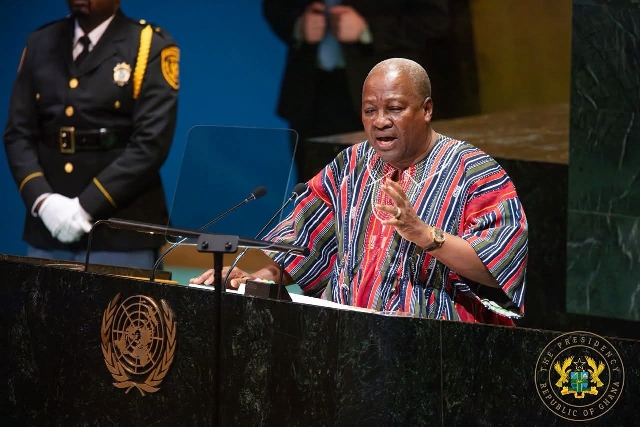

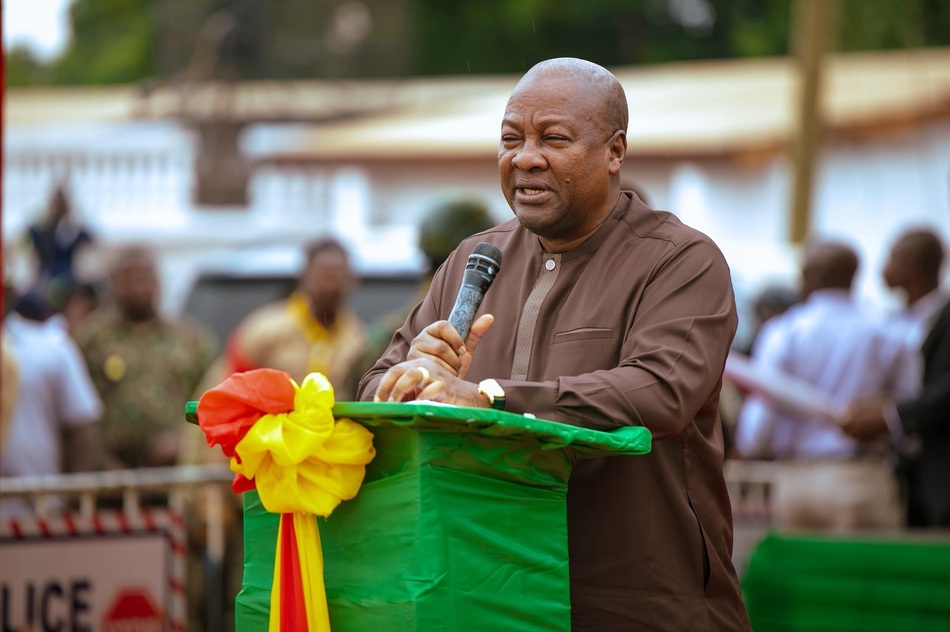
Ibrahim Mahama Converts Private Jet into Free Emergency Air Ambulance for Ghanaians

Ghanaian businessman Ibrahim Mahama has taken a bold step in philanthropy, announcing that his former private jet will now operate as a free emergency air ambulance for Ghanaians facing urgent medical crises. “Any Ghanaian with a medical emergency who needs to be flown out for treatment can use the jet free of charge. I have dedicated it to the nation to support both local and international medical emergencies involving Ghanaians,” Mahama shared, highlighting his commitment to supporting critical healthcare needs. The newly repurposed jet is set to provide rapid transport for patients requiring specialized treatment, whether within Ghana or abroad. Health officials and community observers have applauded the initiative, pointing out that it could be a game-changer for patients in life-threatening situations, particularly those living in remote or underserved regions where timely access to advanced care can be a challenge. This act of generosity adds to Ibrahim Mahama’s growing legacy of championing projects aimed at improving the welfare and health outcomes of Ghanaians. As the air ambulance prepares for its first missions, many see it as a beacon of hope for families facing medical emergencies across the country. Source: Apexnewsgh.com
Ashanti Regional Fire Command Reports Slight Drop in Fire Outbreaks as New Safety Initiative Launched

Between January and February this year, the Ashanti Regional Fire Command recorded 208 fire outbreaks, a slight reduction from the 237 incidents reported during the same period in 2025. The update was shared by ACFO1 Peter Tetteh, Regional Commander of the Ghana National Fire Service, at the launch of an inter-market fire safety quiz in Kumasi on Tuesday, March 3. Commander Tetteh explained to journalists that the first quarter of the year typically marks the peak season for fire incidents, especially in the region’s bustling markets. While the dip in reported cases offers a small measure of relief, he cautioned that the risk of market fires remains high and called for continued vigilance. The newly launched inter-market quiz aims to arm traders with practical knowledge on fire prevention and emergency response. “Market fires cause a lot of devastation. The aim is to get traders involved in fire prevention so that they can own the market, understand what causes fires, and prevent them,” Tetteh noted, expressing satisfaction with the enthusiastic response from participants. He also issued a stern warning to traders handling combustible and explosive materials, urging them to relocate these goods outside market premises to safeguard the public from potential disasters. Supporting the initiative, Chairman Ernest Afayam, Managing Director of Kejetia Market, stressed the importance of fire safety education given the market’s structure and history of fire outbreaks. He recalled a recent incident swiftly contained by fire officers, as well as the 2023 blaze ignited by hazardous chemicals, which led to displacement and losses for many traders. Chairman Afayam praised the fire safety quiz as a proactive measure, stating, “It is a positive programme. The arrangement is a form of creating awareness and prevention as far as fire safety is concerned. I believe it is something worth embarking on.” With fire risks still looming, the region’s fire authorities and market leaders are working hand-in-hand to reduce hazards and safeguard livelihoods through education and collective action. Source: Apexnewsgh.com
MTN Group’s Ebenezer Asante Challenges African Graduates To Become Digital Innovators And Change-Makers For The Continent’s Growth

Mr. Ebenezer Asante, Senior Vice President of MTN Group, called for stronger alliances between academia, government, and industry to foster a generation of African innovators prepared to shape the continent’s technological future. He made this address at the 2025 graduation ceremony of Accra Technical University (ATU), themed “Emerging Technologies: How Prepared is the ATU Graduate?” During his speech, Mr. Asante urged young African graduates to take the initiative in shaping the continent’s technological destiny by becoming creators and innovators rather than mere consumers of digital technology. He stated, “The curious, tech-savvy graduate of the 21st century will not only use technology but will also shape it with foresight and a sense of shared human purpose.” Referring to the World Intellectual Property Organization (WIPO) 2023 Report, Mr. Asante noted that Africa’s share of global technology patent filings has decreased from 4.4% a decade ago to 3.2% in 2023, despite the continent accounting for over 18% of the world’s population. This statistic highlights the urgent need for improved collaboration among universities, private sector players, investors, and policymakers to boost research, invention, and the industrial application of technology on the continent. “If we are serious about using technology to address Africa’s complex developmental challenges, we must become part of the technology supply chain and the global ecosystem of invention,” he asserted. Drawing inspiration from futurists Alvin Toffler and Professor Akosua Ampofo, Mr. Asante highlighted that Africa’s competitiveness in the digital age will rely on its youth’s ability to keep learning, unlearning, and relearning. He explained that the most successful graduates will be those who combine technical skills with creativity, empathy, and teamwork, traits that foster innovation in the 21st century. He encouraged the ATU graduates to embrace a growth mindset, emphasizing that their success will rely more on their psychological and behavioural flexibility than on their academic qualifications. “Do not fear the unknown. Be clear about what you possess that can make a difference and keep applying yourself until you achieve a breakthrough,” he advised. “Stubborn perseverance is what the world is waiting for from you.” Mr. Asante also emphasized how technology can tackle Africa’s real-world challenges across various sectors, including sanitation, healthcare, agriculture, education, and energy. He highlighted the inspiring work of The Buz Stop Boys, a youth-led initiative addressing urban sanitation in Ghana, as an example of how civic-minded innovation can make a difference. He challenged graduates to use their technical training to develop IoT-enabled waste management systems, smart data-driven city solutions, and even robotics or drone technologies to optimize waste collection and improve urban hygiene. Reflecting on the changing nature of employment, Asante noted that technology has enabled young people to work globally without relocating. He encouraged graduates to seize opportunities in freelancing, digital entrepreneurship, and hybrid work, leveraging platforms powered by AI, cloud computing, and digital payment systems such as Mobile Money (MoMo). In closing, Mr. Asante called on the graduates to actively contribute to advancing Ghana’s national digitalization agenda and the African Union’s Agenda 2063, both of which envision an integrated and prosperous Africa driven by innovation, inclusivity, and sustainability. Source: Apexnewsgh.com
Ghanaian Banks Achieve Record Profits in 2025 Amid Improved Cost Controls
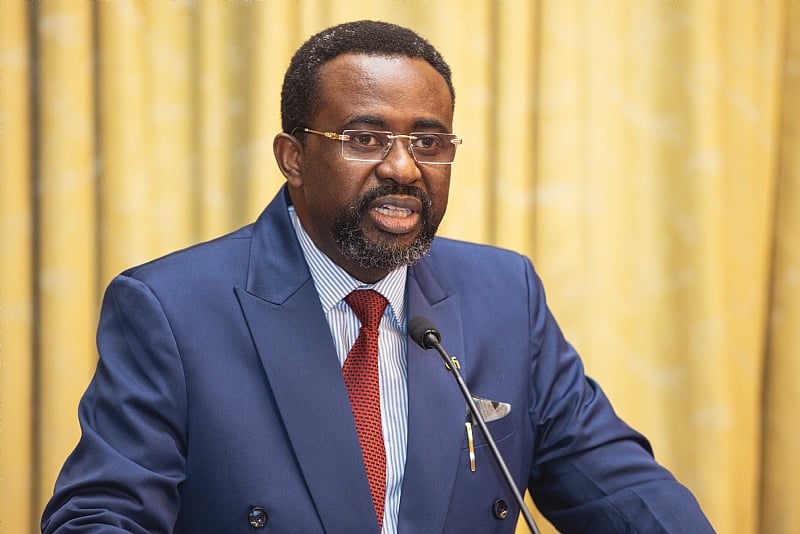
In a remarkable turnaround for Ghana’s financial sector, banks across the country closed 2025 with record-breaking profits, demonstrating resilience and operational discipline despite a turbulent economic backdrop. The latest Banking Sector Developments Report from the Bank of Ghana revealed that the industry’s total profit soared to GH¢15.0 billion in 2025, a dramatic leap from GH¢10.4 billion the previous year. This 43.5 per cent year-on-year growth not only outperformed the 26.2 per cent rise seen in 2024 but also signaled the sector’s growing strength and adaptability. Profit before tax (PBT) followed suit, climbing by 38.4 per cent in December 2025, compared to 24.4 per cent the year prior. The surge underscored the sector’s enhanced operational efficiency and ability to navigate shifting income dynamics. While the industry’s main revenue streams, net interest income and fees, continued to expand, their growth rates softened relative to 2024. Net interest income rose by 16.4 per cent in 2025, down from 18.0 per cent in 2024, as lower lending rates and muted returns on money market instruments tempered the pace. Fees and commissions grew by 9.5 per cent, a marked slowdown from the 25.8 per cent jump a year earlier. Yet, the moderation in income was more than offset by tighter cost management throughout the sector. Operating expenses in December 2025 increased by 14.0 per cent, a notable slowdown from 22.0 per cent in 2024, thanks to disciplined controls on staff and non-staff costs alike. Even more striking was the steep drop in loan loss provisions and impairment charges, which contracted by 57.1 per cent, compared to an 11.7 per cent decline the previous year, signaling healthier assets and lower credit risk. These achievements were reflected in improved profitability metrics: Return on Assets (ROA) climbed to 5.7 per cent in December 2025 from 5.0 per cent a year earlier, while Return on Equity (ROE) remained strong at 30.8 per cent. The latest data paints a picture of a banking sector consolidating its gains, leveraging prudent cost controls, better asset quality, and consistent earnings to strengthen Ghana’s financial system, even as external challenges persist. Source: Apexnewsgh.com
Finance Minister Outlines Bold Reforms to Boost Cocoa Farmers and Local Industry

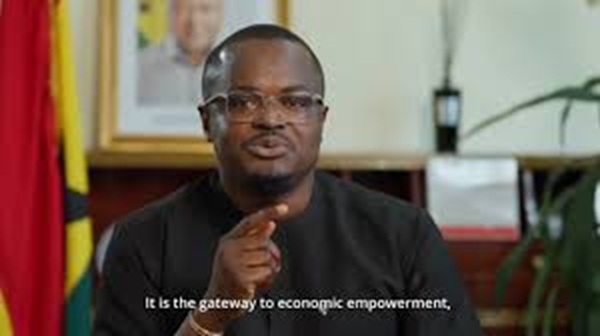
After President John Dramani Mahama’s State of the Nation Address, Finance Minister Dr. Cassiel Ato Forson stepped into the spotlight, eager to address the future of Ghana’s cocoa sector. Meeting with journalists, Dr. Forson spoke candidly about the government’s renewed commitment to uplifting cocoa farmers and transforming the local cocoa industry through a suite of targeted reforms. The minister acknowledged the comparisons often drawn between Ghana and neighbouring Ivory Coast, where cocoa producer prices are reportedly higher. Dr. Forson explained, however, that the government’s approach is rooted in sustainability. Rather than opting for quick fixes that might destabilise the sector, the government is prioritising measures that will deliver better and long-lasting returns for Ghanaian farmers. Central to these reforms is a drive to increase local participation in cocoa processing and to revive homegrown buying companies that have faded or collapsed in recent years. Dr. Forson named the Cocoa Processing Company (CPC) and Produce Buying Company (PBC) as examples of key institutions poised for revitalisation. By strengthening these entities and encouraging more Ghanaian businesses to process cocoa domestically, the government hopes to add significant value, reduce dependence on raw bean exports, and generate more jobs along the supply chain. Dr. Forson emphasised that these changes would not only boost export revenues but also provide a buffer for farmers against the unpredictable swings of global commodity prices. With greater competition from strengthened local buying companies, farmers could also see improved services and more competitive pricing. The minister was optimistic about the broader impact, predicting a ripple effect of increased economic activity in rural cocoa-growing communities, higher incomes, and more employment opportunities, especially for young people. Over time, he said, these reforms would help stabilise the sector and position Ghana as a formidable player in the global chocolate and cocoa processing market. Closing his remarks, Dr. Forson reaffirmed the government’s resolve to collaborate with stakeholders, assuring farmers that their welfare remains at the heart of Ghana’s economic agenda. Source: Apexnewsgh.com
Kinkaafa and Waakye: The Rich History, Nutritional Power, and Cultural Significance of Ghana’s Beloved Rice and Beans

The Story of Sorghum & Beans, locally known as Waakye – Ki La Tea! Born from innovation during times of scarcity, Ki La Tea is a testament to resilience and creativity. When food was limited, the wise women of the community combined sorghum seeds and baobab seeds to create a simple, nourishing meal. Later, they added beans—discovering a delicious, filling, and nutrient-packed dish. What began as a humble experiment to feed families during hard times eventually became one of Ghana’s most beloved and enduring culinary traditions, celebrated across generations and regions. Ghanaian cuisine is a reflection of the country’s diversity, with each dish carrying the weight of history, culture, and communal life. Kinkaafa and Waakye, known in Hausa communities as the local name for rice and beans, have played a central role in nourishing people while also symbolizing resourcefulness and adaptation. These dishes are more than mere sustenance; they represent ingenuity, the blending of traditions, and the ability of communities to create rich flavors and wholesome nutrition from modest ingredients. The origins of rice and beans in Ghana, and West Africa generally, stretch back centuries. Rice cultivation in West Africa has existed for over three thousand years, primarily in the inland delta regions of the Niger and Senegal rivers. Trade and migration brought rice across vast distances, allowing it to adapt to different ecological zones, including the savannahs of northern Ghana. The Hausa people, who are primarily concentrated in northern Ghana and across the Sahel, were instrumental in spreading rice cultivation techniques and integrating rice into local diets. Beans, often referred to as cowpeas or black-eyed peas, are indigenous to Africa and have been cultivated for thousands of years, providing a reliable source of protein and essential nutrients. The combination of rice and beans became increasingly popular because it created a meal that was both filling and nutritionally balanced. Waakye, as it is now widely recognized in southern Ghana, carries the influence of the Hausa people, who migrated south during pre-colonial and colonial times as traders and merchants. Bringing with them their culinary traditions, they introduced beans and rice as staples to the southern regions. Over time, these dishes were adapted and enriched with local flavors, giving rise to Waakye as a street food phenomenon as well as a cherished home-cooked meal. Today, Waakye serves as a culinary bridge between northern and southern Ghana, connecting communities through shared taste and heritage. Kinkaafa and Waakye are deceptively simple in their ingredients—rice and beans—but the preparation and accompaniments reveal the depth of culinary artistry across Ghana. In northern Ghana, Kinkaafa is often boiled and steamed, sometimes enhanced with small amounts of oil or salt, and served alongside beans stewed with spices such as ginger, garlic, onions, and hot peppers. The resulting dish offers a pleasing combination of textures, as fluffy rice complements the firm, earthy beans. In southern Ghana, Waakye is prepared with a distinctive method. Dried beans are cooked with dried sorghum leaves, which release a reddish-brown color and impart a subtle smoky flavor. Once the beans reach tenderness, rice is added to the pot, absorbing both the color and essence of the beans. Waakye is traditionally served with an array of accompaniments, including shito, boiled eggs, spaghetti, fried plantains, or fish, transforming it into a complete and satisfying meal. The nutritional value of Kinkaafa and Waakye is remarkable. When rice and beans are combined, they create a complete protein, containing all the essential amino acids required by the human body. This makes the meal an excellent source of plant-based protein, particularly important in regions where access to animal protein may be limited. Beans provide substantial protein for growth, tissue repair, and immune function, while rice complements the amino acid profile to form a high-quality, nutritious dish. Rice is rich in complex carbohydrates, which release glucose gradually, providing sustained energy for students, workers, and athletes. Beans are also high in dietary fiber, which promotes healthy digestion, regulates blood sugar, and reduces the risk of heart disease. Together, they create a meal that is both filling and healthful. Micronutrients from beans, including iron, magnesium, potassium, and folate, support overall wellness, while rice contributes essential B-vitamins, such as niacin and thiamine, crucial for metabolism and nervous system function. Traditionally prepared Kinkaafa and Waakye are low in saturated fat, making them a heart-healthy choice. Their combination of protein, carbohydrates, fiber, and vitamins explains why these dishes have remained staples across generations, feeding families affordably and nutritiously. Kinkaafa and Waakye are deeply embedded in Ghanaian culture. They are not only everyday meals but also symbols of community, hospitality, and celebration. Sharing these dishes is a reflection of togetherness and social cohesion. At family gatherings, festivals, or communal events, Kinkaafa and Waakye are often prepared in large quantities to feed groups, reinforcing the importance of generosity and unity. In the streets of Accra, Kumasi, Bolgatanga, and other urban centers, Waakye has emerged as a signature street food, providing affordable nourishment while supporting the livelihoods of small-scale vendors. For many families, these meals are accessible, filling, and inclusive, bringing together people of all socio-economic backgrounds in a shared culinary experience. The cultural significance of Kinkaafa and Waakye also lies in their role as markers of heritage and identity. The dishes represent a fusion of northern and southern Ghanaian culinary traditions, blending the Hausa techniques of rice cultivation and preparation with southern preferences for spicy condiments, spaghetti, and fried plantains. Eating Kinkaafa and Waakye is an act of cultural continuity, connecting people to their history and shared practices. These dishes also hold spiritual and ritualistic value. During Islamic holidays such as Eid al-Fitr, Hausa communities prepare Kinkaafa with beans and spices to nourish families and celebrate communal prosperity. During Christian festive seasons, funerals, and other significant life events, Waakye is often served as a staple meal, highlighting its role as a unifying, comforting, and celebratory food. As culinary practices evolve, Kinkaafa and Waakye have undergone modern adaptations while retaining their traditional essence. Contemporary cooks experiment with different
Databank Research Projects Relative Stability for Cedi in 2026
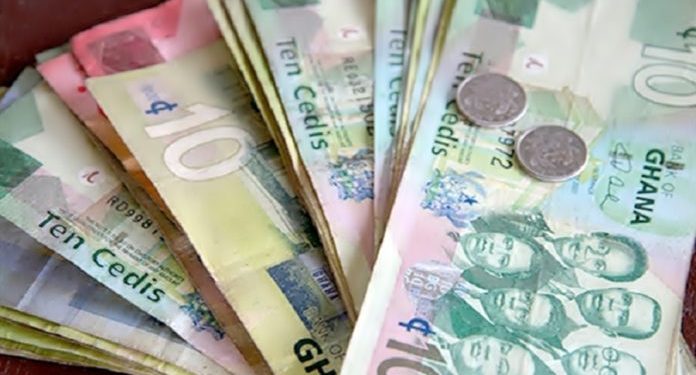
The analysts at Databank Research gathered around their screens, scrutinizing the prospects for Ghana’s currency in the year ahead. Their 2026 Economic Outlook painted a cautiously optimistic picture: the cedi, they projected, would remain relatively stable, ending the year at around GH¢12.85 to the US dollar with a modest depreciation of 7.20 per cent, provided no major shocks rattled the system. Their forecast was underpinned by a careful analysis of expected demand pressures, including the needs of bulk importers, looming energy payments, and upcoming Eurobond obligations. But it was also anchored in hope, a conservative estimate of monthly inflows of about GH¢750 million from GOLDBOD, coupled with reforms in the small-scale mining sector. These gold-backed inflows, the team believed, would give the Bank of Ghana extra firepower to manage expectations and smooth out volatility in the foreign exchange market. Yet, the story didn’t end with Ghana’s internal dynamics. The outlook was buoyed by continued support from international partners such as the International Monetary Fund and the World Bank, which Databank saw as crucial for maintaining external confidence. As the analysts dug deeper, they noticed a subtle but significant shift on the global stage. Some central banks, led by China, were gradually reducing their reliance on the US dollar, turning instead to gold. The report highlighted ongoing debates about reclassifying gold from a Tier 1 asset to a High-Quality Liquid Asset (HQLA), a move that could allow gold to serve as collateral in global financing transactions. While such deliberations, especially within the BRICS bloc, remained tentative due to concerns about volatility and trust, the potential implications were profound. A structural shift in reserve management could reduce the dollar’s dominance and indirectly improve the cedi’s stability by bolstering Ghana’s gold reserves. For now, though, Databank’s researchers were measured in their optimism. Excluding this low-probability scenario, they maintained a neutral-to-positive stance, noting that tighter regulations and healthy reserves should be enough to withstand moderate pressures. As 2026 approached, the cedi’s story seemed to be one of resilience, shaped by both domestic reforms and winds of change in the global financial system. Source: Apexnewsgh.com
MTN Ghana pays over GHS10bn in taxes as profit surges 56%

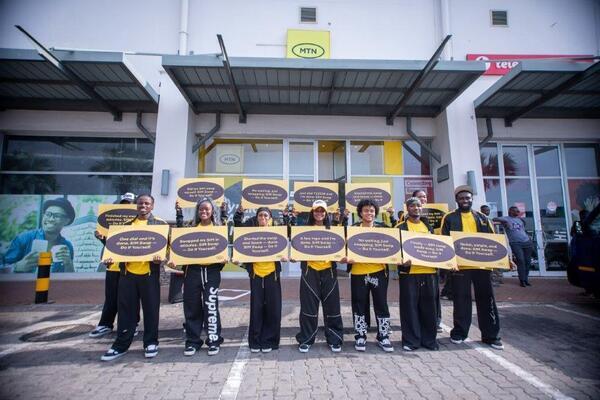
MTN Ghana paid GHS10.5 billion in direct and indirect taxes to the government in 2025, up from GHS8.6 billion in 2024, as the telecom giant delivered strong earnings growth and increased shareholder returns. According to its audited 2025 full-year results released by Scancom PLC (MTN Ghana), profit after tax rose by 55.9 percent to GHS7.8 billion, compared to GHS5.03 billion the previous year. Earnings per share also climbed 55.9 percent to GHS0.5923. Service revenue increased by 36.2 percent to GHS24.4 billion, driven largely by growth in data and Mobile Money services. Earnings Before Interest, Taxes, Depreciation, and Amortization (EBITDA) rose by 43.5 percent to GHS14.7 billion, lifting the EBITDA margin to 60.1 percent, up three percentage points year-on-year. Data revenue expanded strongly during the year, while active Mobile Money users increased by 12.3 percent to 19.3 million. Total mobile subscribers grew by 9.2 percent to 31.2 million, reflecting continued demand for connectivity and digital financial services. The company invested GHS6.4 billion in capital expenditure during the year, including GHS4.6 billion in ex-lease capex – to expand network coverage, enhance capacity, and modernise IT systems. On shareholder returns, the Board has recommended a final dividend of GHS0.40 per share, up from GHS0.24 in 2024, subject to approval at the Annual General Meeting. The dividend is scheduled for payment in April 2026. Looking ahead, MTN Ghana says it expects Ghana’s improving macroeconomic environment to support further growth in 2026. The company is maintaining its medium-term service revenue growth guidance in the mid-to-upper thirties percent range and anticipates EBITDA margins in the mid-to-upper fifties percent, while sustaining a dividend payout ratio of 60 to 80 percent, subject to operating conditions. Source: Apexnewsgh.com
Ghana Braces for Price Surge as Global Oil Markets React to Strait of Hormuz Attacks

As dawn broke over Accra, motorists queued anxiously at fuel stations, their eyes glued to radio updates about distant events in the Middle East. News had quickly spread across Ghana: global oil prices were surging again, threatening to drive up the cost of petrol and, in turn, nearly every commodity in the market. The root of the turmoil lay thousands of miles away, near the narrow Strait of Hormuz, a vital maritime passage that ferries nearly 20% of the world’s oil. Over the weekend, this lifeline had become a battleground. Reports from the UK Maritime Trade Operations (UKMTO) spoke of three commercial ships attacked near the strait. Two vessels were struck by mysterious projectiles, igniting fires onboard, and another explosion narrowly missed a third ship. Thankfully, all crew members survived unscathed. The attacks came amid a fresh escalation in Middle Eastern tensions. Iran, responding to ongoing US and Israeli military actions, intensified its strikes across the region. The Iranian authorities went further, warning vessels against passing through the strait. With fears mounting, many ships dropped anchor in safer waters, unwilling to risk passage. Shipping activity slowed, and insurance costs soared. By Monday morning in Asia, the impact was clear: oil prices had jumped more than 10% in early trading before settling down somewhat. At 02:00 GMT, Brent crude was still up over 4%, trading at $76.16 per barrel. US oil prices climbed in tandem. For Ghana, where most petroleum products are imported, the implications were immediate and serious. Energy analysts warned that a sustained price rally could mean higher pump prices, steeper transport fares, and costlier food and goods. Though world markets had yet to panic, since major oil infrastructure remained unharmed, experts cautioned that a prolonged crisis could push prices beyond $100 per barrel. OPEC+ members, led by Saudi Arabia and Russia, scrambled to calm the markets, promising to boost oil output by over 200,000 barrels per day. Yet, some experts doubted whether this would be enough if the strait stayed closed for long. Meanwhile, the situation remained tense. Iran’s Revolutionary Guards boasted of missile strikes against tankers linked to the UK and US, although the claims went unverified. The UKMTO reported a string of security incidents across the Arabian Gulf and Gulf of Oman, urging ships to proceed with caution. Satellite data painted a telling picture: more than 150 tankers now sat idle in the Gulf, their captains opting to wait out the turmoil rather than brave the dangerous waters. Analysts warned that if the strait remained closed, the shockwaves would be felt worldwide, but nowhere more keenly than in fuel-dependent economies like Ghana, where every fuel price change ripples through daily life. Source: Apexnewsgh.com
Parliament Endorses Gold-Driven Reserve Policy, Building on Bawumia’s Legacy

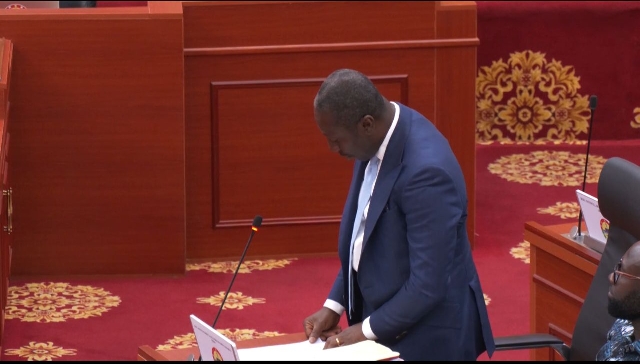
On Thursday, February 26, the chamber of Ghana’s Parliament buzzed with anticipation as lawmakers put their stamp of approval on a transformative new economic strategy: the Ghana Accelerated National Reserve Accumulation Policy (GANRAP). This landmark policy, which draws inspiration from the G-4-R framework pioneered by former Vice President Mahamudu Bawumia, marks a pivotal shift in the nation’s approach to building foreign reserves under the current NDC government. The story of GANRAP’s approval began with Finance Minister Cassiel Ato Forson taking the floor. He presented the policy as a bold departure from the country’s long-standing habit of borrowing to shore up its reserves, an approach he criticized as unsustainable. Instead, Minister Forson outlined a future where Ghana’s abundant gold resources would be harnessed to strengthen its gross international reserves and build more robust external buffers. According to the Minister, the government has set its sights on achieving a 15-month import cover by the end of 2028. The plan: to add an average of US$9.5 billion each year to Ghana’s reserves, driven by the acquisition of approximately 3.02 tonnes of gold every week. The Ghana Gold Board (GOLDBOD) is set to play a central role, sourcing gold from small-scale miners and exercising a state pre-emptive right to claim 20 percent of output from large-scale mining firms. As Parliament debated the merits of the policy, members of the Finance and Economy Committees took time to acknowledge Dr. Bawumia’s visionary role in laying the conceptual foundation for a gold-backed reserve strategy. Many praised the focus on mobilising domestic resources and the emphasis on results-based management, core principles of the earlier G-4-R policy. The narrative of continuity was further reinforced by Deputy Finance Minister Thomas Ampem Nyarko, who openly admitted that the gold-backed reserve concept was not entirely new, but had roots in previous administrations. Lawmakers across the aisle agreed that forging ahead with this strategy was essential for macroeconomic stability and investor confidence, highlighting the importance of building on good ideas, regardless of political origin. With GANRAP now approved, Ghana embarks on a new chapter, one where gold, vision, and bipartisan collaboration converge to safeguard the nation’s economic future. Source: Apexnewsgh.com