

NABOCADO Equips Upper East Journalists with Conflict-Sensitive Reporting Skills to Promote Peace
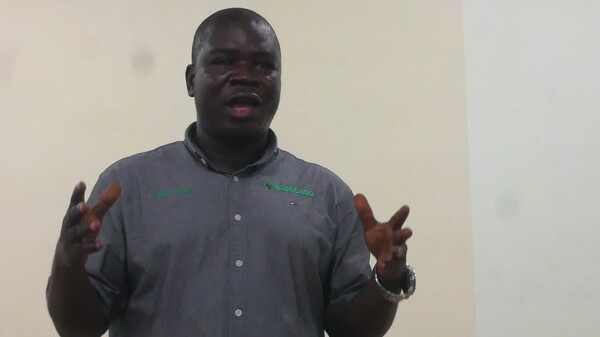
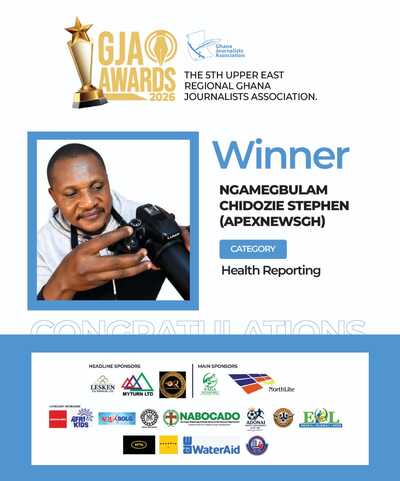
The Navrongo-Bolgatanga Catholic Diocese (NABOCADO) has stepped up efforts to strengthen peacebuilding in the Upper East and North East Regions by training journalists and members of the Ghana Journalists Association (GJA) on conflict-sensitive reporting. The training, held under NABOCADO’s Integrated Peace Building for Improved Food and Nutrition Supply (INPEACE) Project, forms part of a broader strategy to reduce violent conflicts and promote peaceful coexistence in communities affected by recurring tensions. Speaking at the event, the Director of Justice, Peace and Humanitarian Response (JPHR) at NABOCADO, Mr. Theophilus Abolga, explained that the INPEACE Project, which runs from June 2026 to May 2029, is designed to improve social cohesion while reducing violent conflicts across selected communities in the Upper East and North East Regions. According to him, the project is being implemented in four districts, including Bawku Municipality and Kasena Nankana West in the Upper East Region, as well as Nakpanduri and Yunyoo-Nasuan in the North East Region. Mr. Abolga noted that the media remains one of the most influential institutions in society, capable of either promoting peace or escalating tensions through the way conflicts are reported. He said the training was therefore intended to equip journalists with practical tools to ensure their reports contribute to reconciliation rather than deepen divisions. He observed that for many years, conflicts, particularly the protracted Bawku conflict, have shaped public perception of the region, overshadowing its positive developments. He stressed that NABOCADO wants journalists to help rewrite that narrative by highlighting stories that foster unity, peaceful coexistence and hope. “We want media reports to become instruments for building trust and social cohesion instead of unintentionally fuelling violence,” he said, adding that responsible journalism is critical to creating an environment where development can thrive. Mr. Abolga further revealed that significant progress has already been made through the peacebuilding project. He explained that many communities are now taking ownership of peace initiatives by establishing youth groups and community peace structures dedicated to preventing violence. He said NABOCADO has also established peace trackers in project communities to monitor early warning signs of conflict and report them promptly to the relevant authorities for timely intervention before situations escalate. The JPHR Director praised traditional leaders for their growing commitment to peacebuilding, explaining that although chieftaincy disputes have at times contributed to conflicts, chiefs have equally demonstrated their ability to become powerful agents of reconciliation when given the necessary support. He cited examples from Doba, Kandiga and parts of the Bawku area, where traditional authorities have worked closely with NABOCADO, the National Peace Council and other stakeholders to restore peace. Speaking on behalf of the Ghana Journalists Association, Mr. Apubeo commended NABOCADO for consistently investing in the capacity building of journalists. He described the training as timely and necessary, noting that the media has a responsibility not only to inform the public but also to educate citizens, shape public opinion and contribute to peaceful coexistence. Mr. Apubeo called for sustained collaboration between media organisations and peacebuilding institutions to ensure journalists continue to receive the skills and knowledge needed to report conflict-related issues accurately, fairly and in ways that strengthen peace and social cohesion. Source: Apexnewsgh.com/Ngamegbulam Chidozie Stephen
Peace Expert Urges Media to Amplify Peacebuilding Efforts Across Upper East
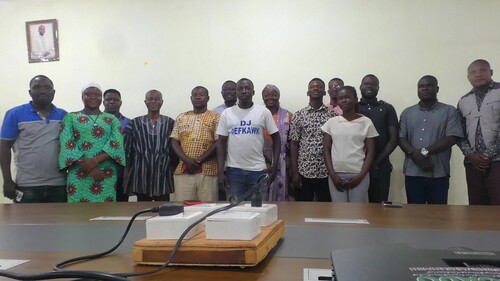
A peacebuilding expert and former Regional Secretary of the Upper East Regional Peace Council, Mr. Ali Anankpang, has urged journalists to dig deeper into conflict-related issues and provide the public with a balanced understanding of both the causes of conflicts and ongoing efforts to promote peace. He said the media had a critical responsibility to amplify peacebuilding initiatives across the Upper East Region, particularly in conflict-affected areas such as Bolgatanga, Doba-Kandiga and Bawku. Mr. Anankpang made the call on Tuesday during a media training engagement organised by the Navrongo-Bolgatanga Catholic Diocesan Development Organisation (NABOCADO) under the Integrated Peace Building for Improved Food and Nutrition Supply (INPEACE) Project. According to him, several peacebuilding interventions were ongoing across the region, but many of them were not receiving the level of media attention needed to inform the wider population. He therefore encouraged journalists to interview individuals and organisations involved in peace promotion to understand their perspectives and communicate their efforts to the public. “There are efforts in building peace in the region across the various conflicts, Bolgatanga, Doba-Kandiga and Bawku and all these efforts are being made, but they need to be amplified. And who can do that better than the media?” Mr. Anankpang asked. He stressed that while violent incidents often dominated news coverage, peacebuilding activities were also taking place and deserved equal attention. “Without the media, there is no way people really know what is happening, except that all we hear is about violence. But while the violence is taking place, we also know that peace efforts are going on,” he noted. Mr. Anankpang said journalists could help bring these efforts to the attention of the public by engaging peace actors, understanding their interventions and reporting on how communities and other stakeholders were working to prevent conflicts. The peacebuilding expert also acknowledged improvements in conflict-sensitive reporting in the region, saying some journalists had moved beyond reporting incidents to examining the historical, social and economic contexts surrounding conflicts. He cited reports that had explored the historical origins of settlements, including engagements by ApexnewsGh with experts on history, as examples of journalism that could help audiences better understand the underlying issues. He also mentioned reports and interviews conducted around the Bongo area, as well as extensive coverage of the Bawku conflict and its effects on education and the local economy. According to him, such reporting was important because it helped the public understand that, despite the challenges in conflict-affected areas, efforts were being made to restore peace and normalcy. He cautioned journalists against amplifying only conflict and violence, warning that such reporting could create fear and discourage people from returning to affected communities. “When we amplify only the conflict, then it will continue to scare people away. But when you begin to talk about peace, like some of you have done, then people will begin to have confidence to return to their place, and that is how communities are developed,” he said. Mr. Anankpang, however, urged journalists not to become complacent with the progress made so far but to continue strengthening their coverage of peacebuilding initiatives. He encouraged the media to maintain professional and responsible reporting that would help the public appreciate the progress being made in peacebuilding across the region. “You need to do more. What you do is so important that you cannot rest on what you have done so far. Continue to add your voice to what is happening in terms of peace promotion,” he urged. He added that responsible and comprehensive reporting would help showcase the Upper East Region not only as an area experiencing conflicts but also as a region where significant efforts were being made to promote peace, stability and development. Meanwhile, Mr. Anthony Adongo Apubeo, Upper East Regional Secretary of the Ghana Journalists Association (GJA), has commended NABOCADO for its continued support towards strengthening journalists’ capacity in conflict-sensitive reporting. Speaking on behalf of the GJA, Mr. Apubeo expressed appreciation to NABOCADO for consistently organising training programmes aimed at equipping journalists with the skills needed to report responsibly on conflict-related issues. He described the initiative as a step in the right direction, stressing the important role the media plays in society, particularly in promoting peace, educating the public and shaping public discourse. He encouraged continued collaboration between media organisations and peacebuilding institutions to ensure that journalists are adequately equipped to report conflict-sensitive issues in a manner that promotes peace and social cohesion. Source: Apexnewsgh.com/Ngamegbulam Chidozie Stephen
Importers and Exporters Association Applauds GoldBod and Bank of Ghana for Enhancing Forex Stability
The Importers and Exporters Association of Ghana (IEAG) has lauded the Ghana Gold Board (GoldBod) and the Bank of Ghana (BoG) for their significant roles in stabilising the country’s foreign exchange market and promoting economic resilience. At a press conference, IEAG Executive Director Samson Asaki Awingobit highlighted the benefits that a steady foreign exchange environment brings to Ghana’s business community. He explained that the recent stability in the forex market had made it easier for importers and exporters to plan ahead, manage risks, and engage in international trade with greater certainty. Awingobit credited GoldBod’s trading policies for bolstering Ghana’s foreign exchange reserves and improving legitimate businesses’ access to hard currency. He also praised the Bank of Ghana for its commitment to macroeconomic and financial stability, singling out the recent reduction in interest rates as a welcome relief for businesses that rely on credit to fund their operations. Quoting the Bank of Ghana’s Financial Stability Review, Awingobit noted that the average lending rate fell from 30.3 percent in December 2024 to 20.5 percent by the end of 2025, a development he described as a “major boost” for importers and exporters in need of working capital. He urged both GoldBod and the BoG to maintain and expand their efforts to sustain foreign exchange stability and lower borrowing costs, particularly as the festive season approaches, a time when demand for foreign currency, credit, and imported goods typically rises. The IEAG emphasised that ongoing monetary and regulatory support would be critical in helping businesses navigate seasonal trade pressures and foster long-term economic growth. Source: Apexnewsgh.com
Ghana Gas Charts Expansion Path, Eyes Onshore Pipeline to Boost Power and Industry
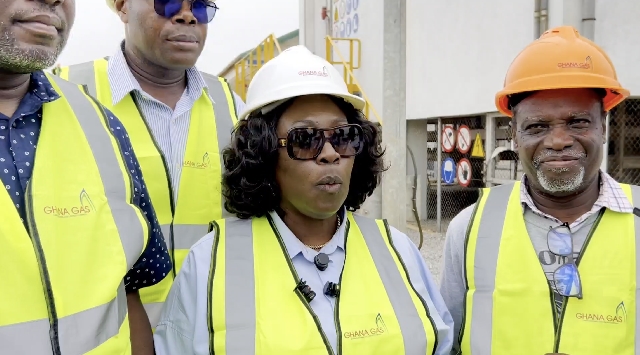
The Ghana National Gas Company (GNGC) is gearing up for a major expansion drive, aiming to reinvest its strong financial gains to boost operational efficiency and make gas more accessible for power generation and industry. Chief Executive Officer Judith Adjobah Blay announced that the company’s next focus will be on expansion and reinvestment, following its recent financial success. “That is the next phase, beyond profit, there is expansion and reinvestment into Ghana Gas,” she stated. Central to these plans is a proposed onshore pipeline project that would stretch from Takoradi to Tema, extending the supply of gas from the Atuabo processing facility beyond the Western Region. The pipeline would traverse the Central and Eastern regions, ultimately reaching the industrial hub of Tema. GNGC anticipates that the expanded infrastructure will support industrial growth along the pipeline’s route by making gas more available to businesses and factories in those areas. The company’s ambitious expansion plans were showcased during an industrial tour by the commissioners and management of the Public Utilities Regulatory Commission (PURC), GNGC’s economic regulator. Richard Kirk-Mensah, Head of Corporate Communications at Ghana Gas, said the visit provided PURC with an invaluable opportunity to witness the company’s operations and expansion projects firsthand. “Their visit aims to give them insight into Ghana Gas’s operations, particularly the expansion projects at their sites. Rather than just presenting slides and discussing verbally, allowing them to see the facilities and the ongoing work firsthand will give them a better understanding of the company’s plans and activities,” Kirk-Mensah explained. With its sights set on expansion and reinvestment, Ghana Gas is positioning itself as a key driver of Ghana’s industrial and power sectors, promising increased availability and reliability of gas supply for years to come. Source: Apexnewsgh.com
Parliament to Probe $1.7 Billion Gold Board Loss, Summon GOLDBOD CEO

Parliament is set to open an inquiry into the reported US$1.7 billion loss recorded by the Ghana Gold Board (GOLDBOD) under the Domestic Gold Purchase Programme (DGPP). The move follows a formal motion filed by the Minority Caucus, seeking a parliamentary investigation and the summoning of GOLDBOD Chief Executive Sammy Gyamfi to provide explanations regarding the controversial transactions. Speaker of Parliament Alban Bagbin confirmed the development, stating that parliamentary scrutiny would help clarify whether the reported $1.7 billion (GHS22 billion) constitutes a genuine financial loss or a policy-related cost associated with the DGPP’s implementation. “With the motion they have filed, which was received in my office on the 21st of August, 2026, just three days ago, I have gone through the motion myself and I intend to admit the motion because we have to at least have an end to litigation as to whether it’s a loss or it’s a cost,” he said. Bagbin explained that the parliamentary process would allow lawmakers to thoroughly examine the issue and bring clarity to the public. He added that Ghanaians would have the opportunity to follow the proceedings and form their own informed opinions. “This House will have the opportunity to go through it. And please, Ghanaians are very intelligent people. They will listen, they will read in between the lines and they will make their decisions,” he said. The upcoming inquiry is expected to provide much-needed transparency and accountability on the financial management of the DGPP and the reported multi-billion dollar loss. Source: Apexnewsgh.com
World Bank Warns Majority of Ghanaians Still in Poverty Amid Uneven Economic Growth
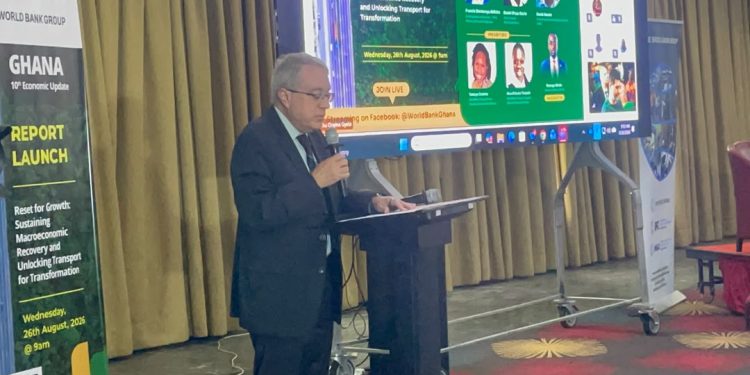
Despite recent economic growth, more than half of Ghanaians continue to live in poverty, according to new findings from the World Bank. At the launch of the World Bank Group’s 10th Ghana Economic Update, Dr. Robert Taliercio O’Brien, Division Director for Ghana, Liberia, and Sierra Leone, revealed that 56.4% of Ghanaians remain poor, with growing spatial disparities highlighting a worrying disconnect between the country’s economic performance and everyday living conditions. “56.4% of Ghanaians remain in poverty. And spatial disparities are widening,” Dr. Taliercio O’Brien stated. He pointed out that while Ghana has recorded headline growth, the benefits have yet to reach a broad base of the population. “It’s a disconnect between the headline growth that is yet to reach most of the population,” he added. The World Bank’s report also cited the structure of Ghana’s economic growth as a major concern. According to Dr. Taliercio O’Brien, the sectors driving growth have limited capacity to create jobs, a problem that is becoming more pronounced as Ghana’s youthful population enters the labour market. “Growth is led by sectors with limited employment absorption relative to its growing young population entering the labour market in the next decade,” he explained, describing the situation as a “structural imbalance that also demands urgent attention.” The findings underscore the need for targeted policy interventions to ensure that economic gains translate into real improvements in living standards for all Ghanaians, not just a select few. Source: Apexnewsgh.com
Finance Minister Forson Vows Disciplined Approach to Project Financing to Safeguard Ghana’s Economy
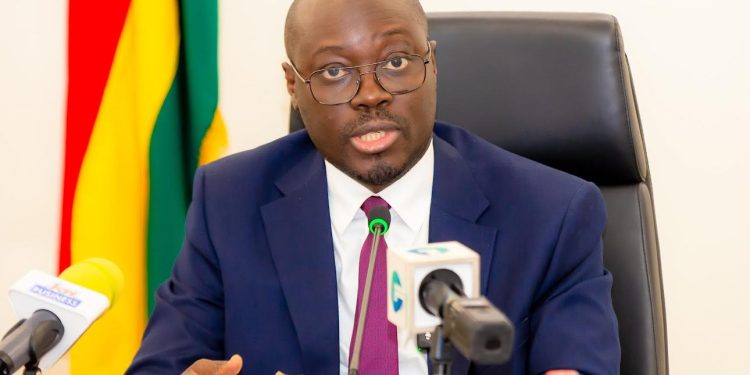
Ghana’s Finance Minister, Dr. Cassiel Ato Forson, has pledged a more disciplined and strategic approach to financing development projects as the country moves to protect its economic stability and avoid another debt crisis. Speaking at the Fifth Session of the Ghana–China Joint Commission on Economic, Trade and Technical Cooperation, Dr. Forson outlined a new set of priorities for government spending and borrowing. “Ghana will now proceed with discipline. We will not borrow simply because financing is available,” Dr. Forson asserted, signaling a shift in policy from past practices that contributed to rising national debt. He emphasized that all projects, whether roads, railways, power plants, or industrial enclaves, must be economically justified, transparently procured, and capable of boosting growth, generating revenue, or reducing costs. “Any road, railway, power plant, industrial enclave or other infrastructure financed through this cooperation must improve productivity, create jobs, increase exports and strengthen Ghana’s ability to repay its obligations,” he said. Dr. Forson stressed the need for measurable economic benefits from every project funded, particularly in partnership with international stakeholders such as China. He also announced that government would diversify its financing sources while maintaining a firm focus on debt sustainability. “We will diversify our financing sources, protect debt sustainability and avoid a return to the conditions that led to the 2022 debt crisis,” he stated, underlining the administration’s commitment to prudent fiscal management. As Ghana looks to the future, Dr. Forson’s remarks set a tone of accountability and discipline, aiming to ensure that development projects deliver real value and that the nation’s finances remain secure. Source: Apexnewsgh.com
BoG Governor Dr. Asiama: Reserve Build-Up Shields Economy from Global Shocks
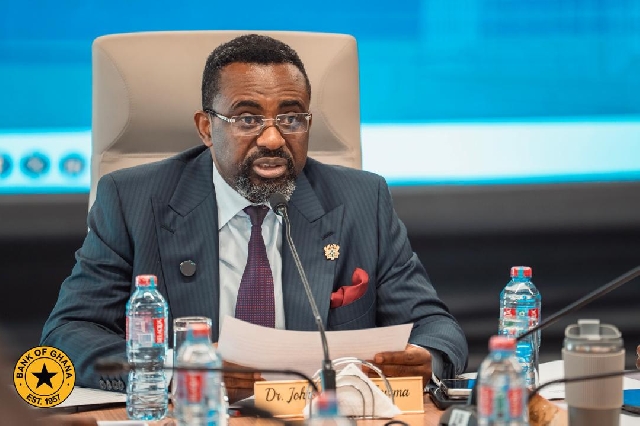
Bank of Ghana (BoG) Governor, Dr. Johnson Asiama, has highlighted the vital role played by Ghana’s international reserves in protecting the nation’s economy from recent global turbulence. Addressing Economics students from the University of Ghana and the University of Ghana Business School during “Time with the Governor,” Dr. Asiama reflected on the country’s response to mounting external pressures, particularly those stemming from tensions in the Middle East. “In the past three to four months, we have faced significant challenges with our international reserves,” Dr. Asiama noted, referencing a US$1.2 billion decline that saw Ghana’s reserves fall from US$14.1 billion to US$12.9 billion, according to the latest Bank of Ghana data. “I am therefore not surprised that we lost 1.2 billion reserves.” Despite the losses, Dr. Asiama credited last year’s strategic decision to build up reserves as a crucial buffer. “One of the good things we did last year was to build some high reserves for interesting times like this,” he told students attending the 131st Monetary Policy Committee meetings as part of the MPC Educational Observership Programme. He explained that the reserve build-up has given the central bank the flexibility to respond to global economic shocks and continue supporting critical sectors. “Managing the impact of external shocks involves difficult choices,” Dr. Asiama said, emphasizing the importance of strengthening Ghana’s foreign exchange earnings. Looking ahead, the Governor called for increased focus on cocoa and non-traditional exports as drivers of reserve growth. He revealed that non-traditional exports currently make up about 10% of total exports but should be pushed to 15%. Dr. Asiama also identified remittances as a potential avenue for bolstering reserves and economic development. He urged that more of the over US$8 billion received annually through remittances be directed into productive investments rather than consumption. As Ghana continues to navigate a challenging global environment, Dr. Asiama’s message was clear: prudent reserve management and strategic export growth are essential to safeguarding the country’s economic stability. Source: Apexnewsgh.com
Concerns Mount Over Future of Aayalolo Terminals Amid Demolition and Redevelopment Plans in Accra
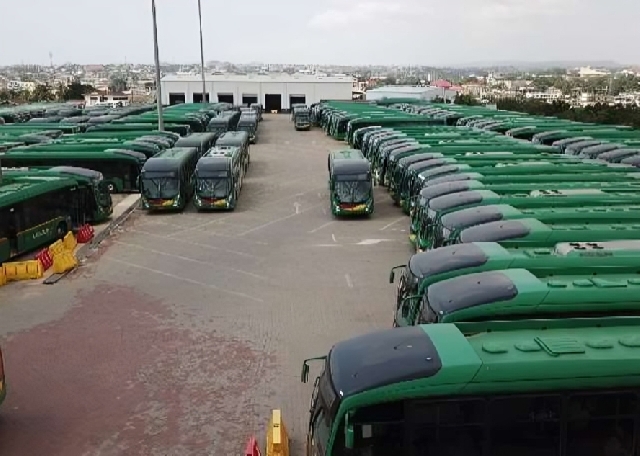
In Accra, growing unease is spreading among urban transport stakeholders as key Aayalolo terminals face uncertain futures. Facilities once hailed as pillars of the city’s modern transport system are now at the centre of debates that could impact efforts to decongest the capital and improve public mobility. At the heart of the controversy lies the Kinbu Terminal, situated in Accra’s bustling Central Business District (CBD). Built with World Bank support as part of the Urban Transport Project, the terminal serves as a critical hub for Aayalolo bus operations. However, recent plans to construct stalls on the premises have sparked tension among drivers, who worry that shrinking parking space could disrupt their services and undermine the terminal’s original purpose. Stakeholders are questioning whether commercial activities are being prioritised over public transportation needs and if the Aayalolo service’s operational requirements are still being considered in long-term planning. Simultaneously, reports of the demolition of the Achimota New Station Bus Terminal to make way for a proposed 24-hour market have alarmed transport experts. The Achimota terminal, also developed under the Urban Transport Project, was designed to serve as a gateway for northbound vehicles and to prevent unnecessary traffic in the CBD. Its removal, stakeholders argue, risks undoing years of progress toward a more integrated and efficient transport system for the city. Concerns go beyond infrastructure. Transport operators say the Aayalolo Bus Rapid Transit (BRT) system, inaugurated in 2016 and operated by GAPTE, has yet to reach its full potential. While the service offers subsidized fares as a social intervention, it continues to buy fuel at commercial rates and lacks sustained government financial backing. The gradual loss of dedicated BRT lanes has forced buses to compete with private vehicles, reducing efficiency and reliability. Promised government interventions, such as additional buses, have often benefited inter-city operators rather than GAPTE’s intra-city routes. Stakeholders highlight that the 2026 Mid-Year Budget Review mentioned plans for more buses, but did not earmark any specifically for GAPTE. As a result, calls are intensifying for the government to provide targeted support: restoring dedicated bus lanes, investing in infrastructure, and ensuring GAPTE receives additional vehicles to ease congestion, especially with increased demand expected during the festive season. With Michael Kpakpo Allotey, Accra’s Metropolitan Chief Executive, also chairing GAPTE’s board, stakeholders are demanding transparency about terminal management and long-term urban transport plans. They warn that Ghana’s investment in modern infrastructure will only pay off if protected and properly managed. As Accra’s population swells and traffic pressures mount, the fate of its urban transport system—and the daily experience of commuters, may hinge on how these pivotal decisions about infrastructure and investment are resolved. Source: Apexnewsgh.com
Rev Charles Owusu Demands Answers Over Gold Losses, Rejects Shielding of GOLDBOD Boss

Rev Charles Owusu has added his voice to the growing chorus of calls for greater transparency over Ghana’s reported gold sector losses, insisting that whether the loss occurred at the Bank of Ghana or the Gold Board (GOLDBOD), the public deserves clear answers. Speaking candidly on Peace FM, Rev Owusu questioned why GOLDBOD Chief Executive Sammy Gyamfi appeared to be shielded from proper scrutiny. While he acknowledged that GOLDBOD has brought significant inflows, over $10 billion, into the country, he argued that this achievement does not excuse the need for accountability regarding the reported $1.7 billion (GH¢22 billion) loss. “So what you’re saying is we shouldn’t question this? Is it because you say you’ve brought over $10 billion into the country and so if there’s a $1.7 billion loss, we shouldn’t ask questions over it?” Rev Owusu challenged, calling for open and honest discussion of the facts. He also pointed out that the Bank of Ghana has not disputed the International Monetary Fund’s (IMF) figure regarding the loss, raising further questions about the lack of accountability. Rev Owusu suggested that GOLDBOD may be receiving special treatment simply because of its current leadership, and questioned whether the same leniency would be extended if the roles were reversed. “Would the NDC ask us to be quiet about it if the NPP had made such a loss in a gold for oil transaction?” he asked pointedly. With the controversy showing no signs of fading, Rev Owusu’s remarks add renewed urgency to calls for transparency and accountability in the management of Ghana’s gold resources. Source: Apexnewsgh.com