

MTN Ghana Reassures Nation: We’re Here to Stay Amid South Africa Unrest
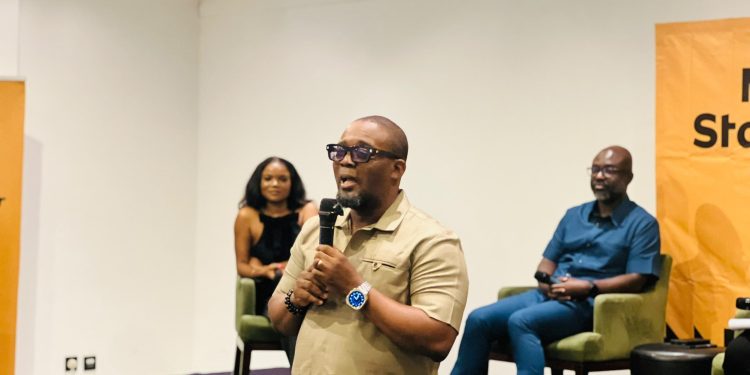
As concerns ripple through Ghana over recent xenophobic attacks in South Africa, MTN Ghana has moved swiftly to reassure its customers and the nation that it has no plans to exit the country. Speaking at the 2026 MTN Media and Stakeholder Forum in Takoradi, Chief Internal Audit and Forensics Officer, Michael Gbewonyo, offered a firm message: “MTN is here to stay. We are not going anywhere.” Addressing journalists from the Central and Western Regions, Gbewonyo dismissed suggestions that unrest in South Africa, where MTN’s parent company is based, could influence the company’s operations in Ghana. He emphasized that Ghana remains a strategic market for MTN, noting the company’s unwavering commitment to the nation’s socio-economic development throughout its 30-year presence. “We will continue to expand our network, support digital inclusion, create opportunities for Ghanaians, and partner with the government and other stakeholders to drive Ghana’s digital and economic transformation,” Gbewonyo assured. He highlighted MTN Ghana’s substantial contributions to national development, citing tax payments, employment opportunities, and a series of corporate social responsibility initiatives. The decision to list shares on the Ghana Stock Exchange and the ongoing activities of the MTN Ghana Foundation, he added, underline the company’s long-term commitment to Ghanaian society. Reflecting on three decades of growth, Gbewonyo expressed gratitude to customers, partners, employees, communities, the media, and other stakeholders. “Our success is not just about business growth, but about earning and keeping public trust through accountability, responsibility, transparency, and customer-centric services,” he said. He credited MTN’s achievements to the vital support, constructive criticism, and collaboration of all stakeholders, which have helped the company bridge the digital divide, support businesses, and connect more people than ever before. Notably, Gbewonyo revealed that MTN Ghana contributes about six per cent of the country’s total tax revenue. “Through the MTN Ghana Foundation, thousands of young people have received scholarships and support to pursue their dreams. In communities across the Western and Central Regions and beyond, our investments in health, education, and economic empowerment are changing lives every day.” He concluded by praising the media for telling the company’s story and pledged that MTN will continue to work with stakeholders to deepen its impact and build on three decades of progress. Source: Apexnewsgh.com
Motorists Face Fuel Price Hike from July 16 as Global Tensions Push Up Costs
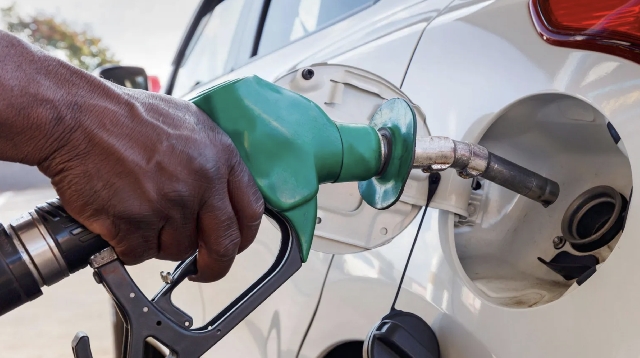
Motorists across Ghana should prepare to pay more at the pump starting Thursday, July 16, as the prices of petrol, diesel, and liquefied petroleum gas (LPG) are set to rise in the second pricing window of July. According to the Chamber of Oil Marketing Companies (COMAC), petrol prices are projected to climb by between 3.79% and 5.31%, with the average price at the pump likely reaching around GHS14.52 per litre. Diesel is also expected to increase, selling at about GHS16.00 per litre after a rise of approximately seven pesewas per litre. LPG will see a more modest adjustment, with prices anticipated to rise by between 1.10% and 1.30% per kilogram. COMAC attributed the looming price hikes to renewed geopolitical tensions that have unsettled global oil markets. Concerns over potential disruptions to crude oil supplies and shipping, especially through the critical Strait of Hormuz, have driven up international prices for crude and refined petroleum products. The situation has been further compounded by a slight weakening of the Ghana cedi, which depreciated by 0.55% against the US dollar during the pricing period, adding upward pressure on local fuel costs. The National Petroleum Authority (NPA) has responded by revising its price floors upwards for the period. The minimum price for petrol has increased from GHS12.79 to GHS13.28 per litre, while diesel’s minimum price has risen from GHS13.54 to GHS14.35 per litre. These developments mark an unexpected shift from earlier forecasts, which had suggested that fuel prices might fall during this window, based on previous trends in international oil prices and currency movements. Instead, motorists will have to brace for higher costs as global and local factors converge to push up prices. Source: Apexnewsgh.com
Inactiveness of BOST Bolgatanga Depot Sparks Concern Over Unemployment and Alleged Corruption
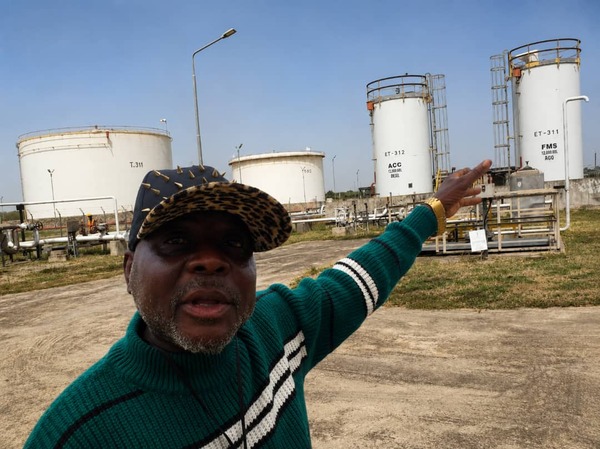
The Bulk Oil Storage and Transportation Company (BOST) once established its Bolgatanga depot as a strategic export hub, designed to serve landlocked Sahelian countries such as Burkina Faso, Mali, and Niger. Beyond its international role, the facility has long provided a secure and localized fuel supply for northern Ghana, reducing the burden of heavy tanker traffic on the nation’s major roads and supporting the local economy. But today, the gates of the Bolgatanga depot remain partially inactive, and the community is feeling the consequences. In an interview with ApexNewsGH, Mr. Sumaila Abubakari, a local fuel dealer who says he worked at the BOST Bolgatanga depot, voiced his concerns about the ongoing closure. According to Mr. Sumaila, some filling station and tanker owners routinely travel to Accra, where, he claims, they bribe top officials to allow them to make their fuel runs from Accra instead of using the Bolgatanga depot for distribution to surrounding districts like Bawku and Navrongo. Mr. Suumaila described the situation with a heavy heart. “The inactivity here is creating a lot of unemployment among the youth in our region. Many families depend on the depot for their livelihoods, drivers, loaders, cleaners, and small businesses all rely on its operations. With the depot closed, people are struggling to make ends meet.” He expressed frustration at watching his community’s economic prospects dwindle while trucks bypass the depot, traveling long distances to Accra unnecessarily. “It’s painful to see. This depot was meant to serve us, create jobs, and make fuel distribution easier, but now it feels like we’ve been forgotten,” he lamented. Meanwhile, efforts by ApexNewsGH to get answers from the BOST regional manager in Bolgatanga were unsuccessful. The manager referred their reporter to the head office in Accra. When ApexNewsGH finally reached officials at the Accra office, they learned that the Bolgatanga depot is currently undergoing an upgrade. For now, the community waits, hoping that the upgrades will bring the Bolgatanga depot back to life, restore local jobs, and reaffirm its importance as both a regional asset and strategic export hub. But until then, frustration and uncertainty linger, as residents wonder when the depot’s gates will once again open for business. Source: Apexnewsgh.com
Supreme Court Halts Reinstatement of GN Savings and Loans Licence Pending Appeal
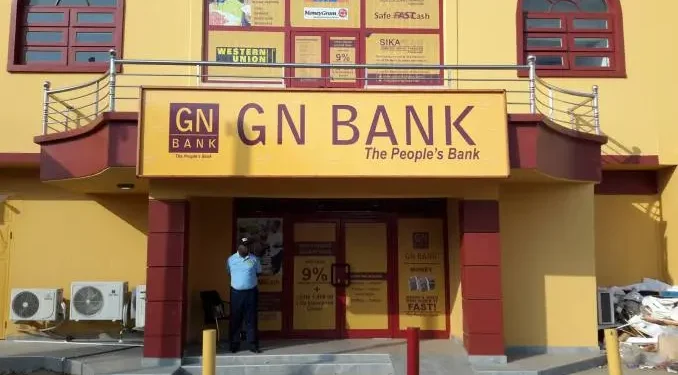
The Supreme Court has suspended the enforcement of a Court of Appeal ruling that directed the Bank of Ghana (BoG) to restore the operating licence of GN Savings and Loans Limited. This decision means that the Court of Appeal’s order will not take effect until the Supreme Court hears and determines the appeal filed by the central bank. The Bank of Ghana had appealed the earlier ruling, which ordered it to reinstate the licence of GN Savings and Loans after it was revoked as part of the country’s financial sector clean-up exercise. With the stay of execution granted, the current status remains unchanged, and the central bank is not required to restore the company’s licence while the appeal is pending. The Supreme Court will now consider whether the Bank of Ghana acted lawfully in revoking the licence and whether the Court of Appeal was justified in ordering its reinstatement. The final decision will determine whether the Court of Appeal’s judgment is upheld or overturned. Source: Apexnewsgh.com
Ghana Nears Completion of Debt Restructuring with Successful Exchange of SADEREA Notes
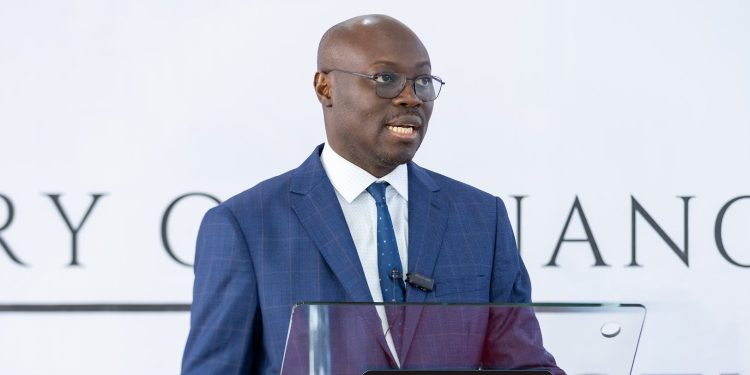
Ghana has taken a major step toward completing its external debt restructuring programme after successfully exchanging the outstanding Savings and Development Economic Recovery Agreement (SADEREA) Notes, the Ministry of Finance announced. According to the Ministry, the transaction was settled on Monday, July 13, 2026, with a value date of July 10, 2026, marking the resolution of the last outstanding component of Ghana’s sovereign bonded debt restructuring. In a statement, the Ministry described the successful exchange as a significant milestone in the country’s economic recovery efforts. The SADEREA Notes, 12.5% Senior Secured Amortising Bonds, were originally issued to finance capital expenditure in Ghana’s health sector. The original issuance totaled US$253.2 million, with about US$117.8 million in principal remaining as of January 2026. The Ministry emphasized that completing the exchange demonstrates the government’s commitment to restoring debt sustainability, boosting investor confidence, and maintaining macroeconomic stability. This achievement comes as part of Ghana’s broader debt restructuring efforts, aimed at reducing debt burdens and restoring fiscal sustainability after a period of severe economic challenges, including high debt levels and constrained access to international capital markets. The Ministry of Finance reaffirmed its commitment to prudent debt and public financial management to safeguard Ghana’s long-term economic stability. Source: Apexnewsgh.com
US-Iran Tensions Keep Ghana’s Fuel Market on Edge
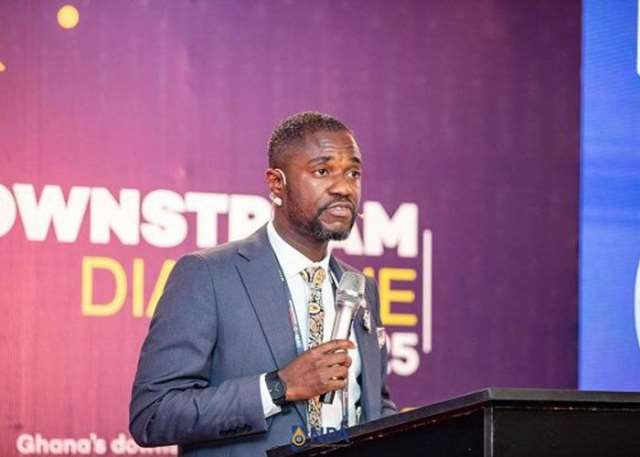
Renewed tensions between the United States and Iran are putting Ghana’s fuel market on high alert, as uncertainty in the Middle East threatens the stability of petroleum prices, according to the Chamber of Oil Marketing Companies (COMAC). COMAC CEO Dr. Riverson Oppong told the media that ongoing developments in the region are fueling volatility in global crude oil markets. However, he expressed optimism that prices would not surge past $100 per barrel. “We’re just hoping, and fingers crossed that this does not escalate the price above $100, which I believe we’re not going to see,” Oppong told Citi News. Dr. Oppong explained that COMAC had earlier projected crude oil prices would stay in the $70-$80 range if geopolitical conditions remained stable. “I was optimistic with the forecasts… We came to $74, $75, and it is still within the forecast that was made because the concern was that if everything was equal, that’s what we were going to see in the market,” he said. He acknowledged that geopolitical decisions by world leaders make accurate forecasting challenging, noting, “In forecasting, nobody can predict the mindset of any leader who is geopolitically strong like Trump. That’s the only disadvantage we have during our forecasting.” Dr. Oppong added that, under normal conditions, crude prices could have dropped further, possibly to between $65 and $67 per barrel. He also revealed that renewed instability has triggered panic buying of fuel in Ghana, but assured consumers that the country currently has enough stocks. “We’ve observed panic buying, but it is not anything to worry about. We still have stocks in the country,” he said. He criticized some businesses for increasing fuel prices prematurely in anticipation of higher import costs, calling the move unjustified since the products were imported earlier at lower prices. He explained that while panic buying is unlikely to directly impact consumers, it may be intended to safeguard the revenues of oil marketing companies. Global oil markets remain volatile as investors closely watch US-Iran developments, with fears that any escalation could disrupt supplies and drive up energy prices worldwide. Source: Apexnewsgh.com
Central Bank Governor Urges Traders to Safeguard Banknotes During National Clean-Up
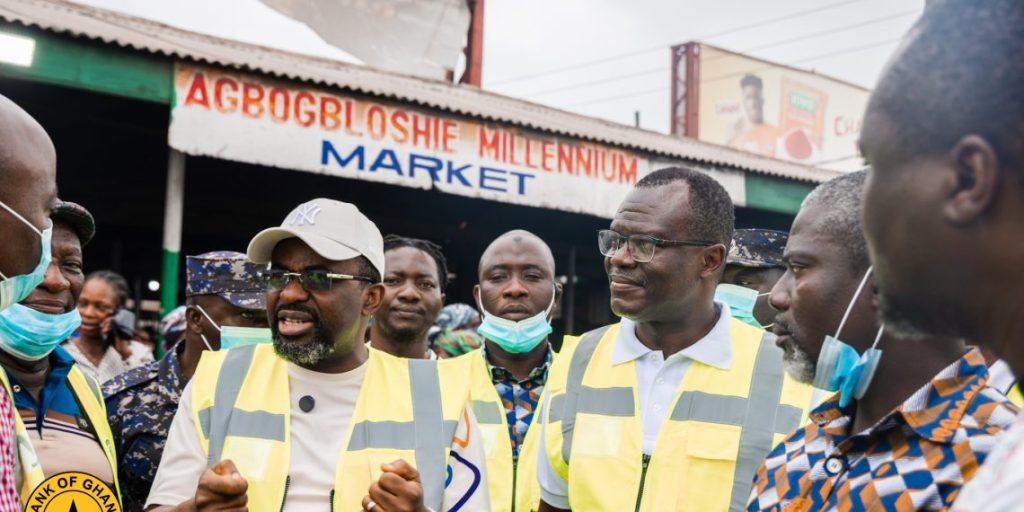
During the National Clean-Up Exercise on Friday, July 10, 2026, the Governor of the Bank of Ghana, Dr. Johnson Asiama, delivered an important message to traders and businesses across the country. Joining participants in the nationwide sanitation campaign, Dr. Asiama highlighted a unique angle, linking environmental cleanliness to the quality and lifespan of Ghana’s currency. Addressing traders, Dr. Asiama emphasized the need for better cash-handling practices, especially in markets where physical cash remains king. “We are looking at this from another perspective, which is the condition of the banknotes, particularly the cedi notes used in our markets. We want those notes to remain clean because research has shown that banknotes can harbour bacteria. As people exchange cash, those bacteria can be transmitted from one person to another,” he explained. Dr. Asiama noted that the Central Bank’s involvement in the clean-up campaign extends beyond environmental sanitation. “And for us at the Central Bank, just as I was saying when we went to Agbogbloshie, we want the market environment especially to be clean. We have spoken with officials, we work with them to make sure that the refuse and those other buildups are cleaned constantly,” he stated. He elaborated that the Bank of Ghana is collaborating with market authorities to improve both sanitation and cash-handling habits, underscoring that cleaner markets help preserve the quality of banknotes and reduce the cost of replacing damaged currency. Dr. Asiama called on traders to avoid exposing banknotes to dirt, moisture, and other contaminants, and encouraged market operators to make cleanliness a regular part of their business operations. He assured participants that the Central Bank will continue to back initiatives that foster cleaner commercial environments and responsible handling of cash, all in a bid to preserve the integrity of Ghana’s currency. His message served as a timely reminder that good sanitation practices not only benefit public health but also help maintain the currency that drives the nation’s economy. Source: Apexnewsgh.com
Volta Regional Police Destroy 11 Cannabis Farms in Major Anti-Drug Operation
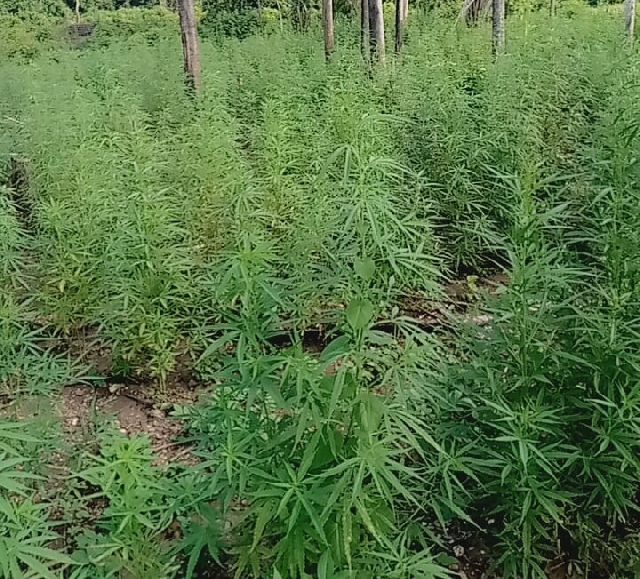
The Volta Regional Police Command, in collaboration with officers from the National Headquarters of the Drug Law Enforcement Unit (DLEU), has destroyed 11 large cannabis farms in the Peki-Dzake enclave. This decisive action forms part of ongoing efforts to curb the cultivation and trafficking of illicit drugs in the region. The operation, conducted on Thursday, July 9, 2026, was prompted by intelligence reports pointing to cannabis cultivation in remote areas within the Peki-Dzake enclave. A total of 60 police personnel from various units, including the Drug Law Enforcement Unit, Police Intelligence Directorate (PID), Special Weapons and Tactics (SWAT) Unit, Regional Defence Force (RDF), Highway Patrol Unit, and the Criminal Investigations Department (CID), participated in the raid. The team was led by the Volta Regional Crime Officer, Chief Superintendent Mick Omari Boakye, and the Regional Director of the DLEU, DSP Richard Dotsey Gablah. They were ably supported by Superintendent Alexander Adade Yeboah, Regional Director of the Police Intelligence Directorate; DSP Augustine Awuah, Regional Operations Commander; and other senior officers. After a comprehensive briefing, the police team moved to the targeted locations and successfully located and destroyed 11 cannabis farms. The cannabis plants, already at an advanced stage of growth, were cut down and burnt in a controlled operation to ensure the fire did not spread to nearby bushes. Chief Inspector Francis Gomado, the Volta Regional Police Public Affairs Officer, reported that no arrests were made. Individuals present on one of the farms reportedly detected the security team’s approach and managed to escape due to the challenging terrain. Chief Inspector Gomado highlighted that the scale of illegal cultivation uncovered is a stark reminder that drug farming remains a persistent challenge in parts of the region. He gave assurances that the police would intensify intelligence gathering and operational efforts to apprehend those responsible for the cultivation and trafficking of narcotic substances. He further appealed to residents to provide credible information to support law enforcement efforts, guaranteeing that such reports would be treated with utmost confidentiality. The Volta Regional Police Command reaffirmed its commitment to combating the cultivation, trafficking, and abuse of narcotic substances, and to ensuring the safety and security of communities across the region. This latest operation underscores the Ghana Police Service’s determination to step up the fight against drug-related activities and dismantle illegal narcotics networks operating within the Volta Region. Source: Apexnewsgh.com
President Mahama Announces Procurement Process for New Wa Airport
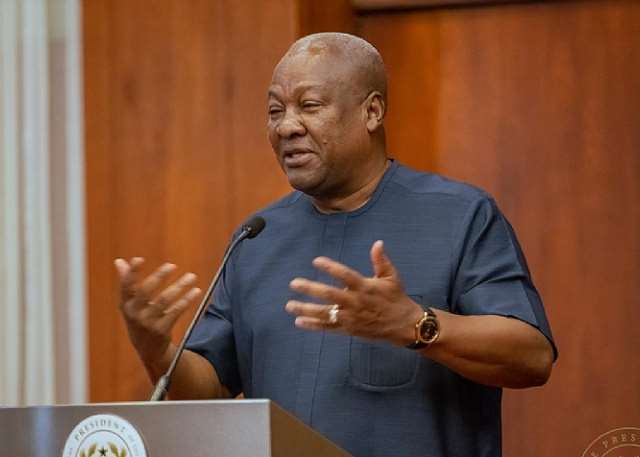
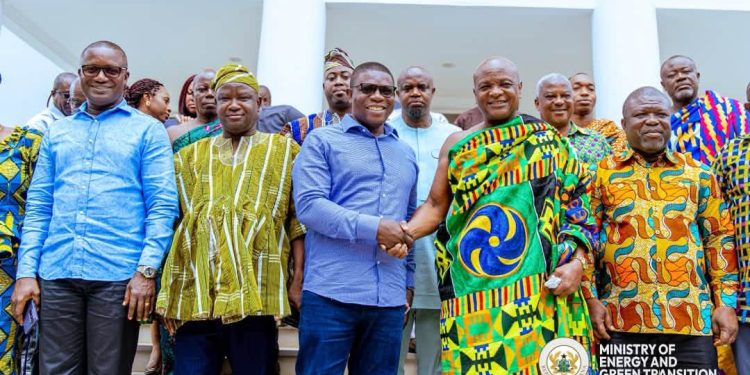
President John Dramani Mahama has revealed plans to commence the procurement process for the construction of a new airport in Wa, Upper West Region, as part of the government’s broader agenda to enhance transport infrastructure and position the region as a key commercial and logistics hub. The announcement was made during a courtesy call by the Upper West Regional House of Chiefs at the Jubilee House on Wednesday, July 8. President Mahama emphasized the government’s commitment to investing in road, rail, and air transport to improve nationwide connectivity. He explained that all necessary documentation for the Wa Airport project has been submitted to the Public Procurement Authority for approval, setting the stage for the procurement phase to begin. “We are improving transport and logistics all over the country, including the railways, the roads, and air travel. And as you would have heard, we are currently about to go to the Public Procurement Authority for authorization to begin procurement for the new airport in Wa,” President Mahama stated. Highlighting the Upper West Region’s strategic position as a gateway to the Sahel, President Mahama noted that enhanced transport infrastructure is vital for expanding trade, economic activity, and regional integration. The new airport is expected to boost mobility, support business growth, and complement the government’s larger infrastructure development plans across Ghana. Source: Apexnewsgh.com
DVLA Refutes Claims of GH¢308,300 Loss in Mobile Money Theft Case Involving Former National Service Person
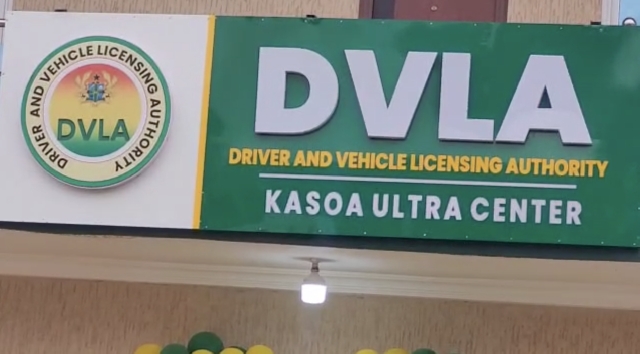
The Driver and Vehicle Licensing Authority (DVLA) has firmly denied reports suggesting it lost GH¢308,300 in an alleged mobile money theft case involving a former National Service person. The Authority clarified that the funds in question were neither owned by the DVLA nor taken from its accounts. This clarification comes in the wake of the ongoing prosecution of Ebenezer Ghartey, a former National Service person later contracted by the DVLA, who is currently standing trial at the Accra Circuit Court. Ghartey is accused of unlawfully transferring GH¢308,300 from the MTN merchant account of a DVLA administrative officer into his personal mobile money wallet. He has pleaded not guilty to a charge of stealing. According to the prosecution, Ghartey allegedly used part of the funds to purchase a Hyundai Elantra saloon car, a 50-inch Samsung television, and finance other personal expenditures. The court, presided over by Mrs. Emmanuella Sarah Asmah, granted him bail set at GH¢100,000 with three sureties, including one with landed property and another who is a public servant earning at least GH¢5,000 monthly. Ghartey must also report to the case investigator twice weekly as the matter has been adjourned to August 4, 2026. In response to public concerns and media reports, the DVLA issued a statement on Tuesday, July 7, stressing that the alleged theft was a private matter involving individuals and had no connection to the Authority’s finances or official activities. The DVLA reassured the public that its financial management systems remain robust and unaffected by the case. The Authority urged media outlets and the public to report accurately on the matter to prevent any misconception that public funds were misappropriated. It also reaffirmed its commitment to transparency and pledged to cooperate fully with law enforcement agencies should its involvement be required during the ongoing investigation. Source: Apexnewsgh.com