




The Upper East Regional branch of the Ghana Journalists Association (GJA) commemorated the 2026 World Press Freedom Day with a renewed commitment to ethical court reporting.
This year’s celebration, held in Bolgatanga, brought together journalists from across the region for a hands-on workshop aimed at deepening their understanding of the legal and ethical complexities of reporting on legal proceedings.
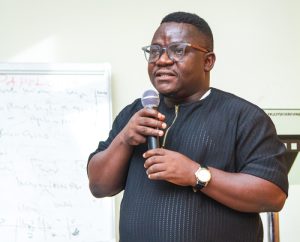
In his address to the gathering, GJA Upper East Chairman, Albert Sore, celebrated Ghana’s remarkable progress in media freedom. “The World Press Index, released by Reporters Without Borders, shows that Ghana has climbed from 52nd to 39th out of 180 countries,” he announced. “Today, as we mark World Press Freedom Day, this is something remarkable that we should all be proud about. It is our hope that we will continue to see improvement in the years ahead.”
The GJA Chairman emphasized that the decision to focus on court reporting was a conscious one, aimed at sharpening journalists’ skills and ensuring responsible coverage of sensitive legal matters. “If you misrepresent what transpires in court, you risk not only creating problems for yourself, but also infringing on someone’s human rights,” he cautioned. He urged participants to actively engage, ask questions, and share experiences, expressing his hope that the workshop would lead to a noticeable improvement in the quality of legal reportage in the region.
The workshop featured presentations from key legal experts, including Lawyer Jaladeen Abdulai, Upper East Regional Director of the Commission on Human Rights and Administrative Justice (CHRAJ).
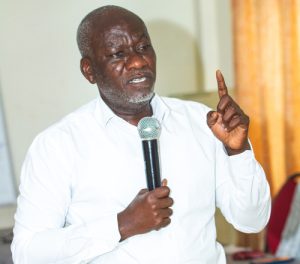
Lawyer Abdulai highlighted the crucial role of journalists in safeguarding transparency and accountability within Ghana’s justice system. “Journalism plays a vital role in protecting transparency and accountability in the justice system. If we shut the door to journalism, everything will be in the dark,” he said.
Lawyer Abdulai walked participants through the proper procedures for court reporting, stressing the importance of accuracy, fairness, and respect for privacy. He advised journalists to consult with court registrars and judges to ensure their reports are factually correct and to avoid misrepresenting proceedings. “Irresponsible reporting can result in serious human rights violations, unfair trials, stigma, and privacy invasion,” Lawyer Abdulai warned. He also urged journalists to be mindful of the legal definitions of suspects, accused persons, and convicts, pointing out that a failure to use legal terminology correctly could mislead the public.
The session delved into the ethical standards that govern the profession, reminding reporters that their work has the power to shape public perception and trust in the judiciary. “Every profession has its ethical standards,” Lawyer Abdulai said. “So is it within your standards to do what you are doing? You have to ask yourself that question.”
His Lordship, Justice Ernest Gemadzie, the Upper East Regional Supervising High Court Judge, also addressed journalists, focusing on the intersection of human rights and legal reporting. Justice Gemadzie underscored the role of the courts in protecting individual rights and resolving disputes, and he called on journalists to ensure their reports uphold the dignity and privacy of all parties involved. “No position is permitted to interfere with the privacy of individuals except as required by law,” he noted, urging journalists to understand the boundaries of what can and cannot be reported, especially in sensitive cases such as those involving juveniles or victims of sexual offences.

Justice Gemadzie further explained the importance of the Right to Information Act in promoting accountability and transparency, but cautioned that not all information is fit for public consumption, especially when it concerns ongoing investigations, national security, or confidential sources. He encouraged journalists to always seek clarity from legal professionals when in doubt, to avoid overstepping ethical or legal boundaries.
Throughout the interactive workshop, participants engaged in vibrant discussions, posing questions about the disclosure of identities in criminal cases, the limits of public interest reporting, and the practical steps required to access court information. The training closed with a sense of enthusiasm and renewed purpose among the journalists, many of whom expressed excitement about applying what they had learned.
As Ghana continues to rise in global press freedom rankings, the Upper East GJA’s commitment to responsible court reporting stands as a testament to the profession’s ongoing evolution, balancing the right to inform the public with the responsibility to protect the rights and dignity of all citizens.
Source: Apexnewsgh.com