

Government Unveils Programme to Commemorate First Anniversary of Tragic Helicopter Crash

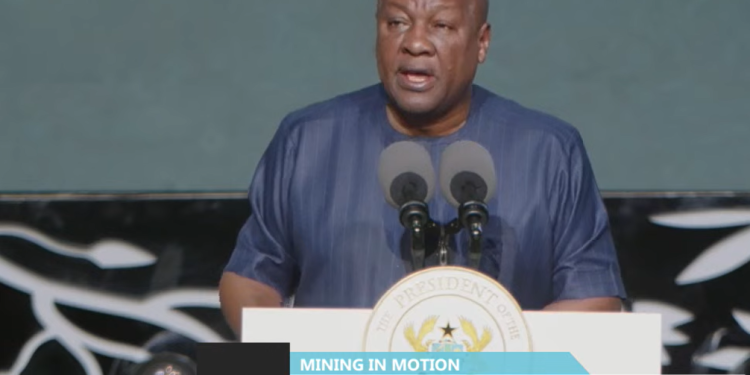
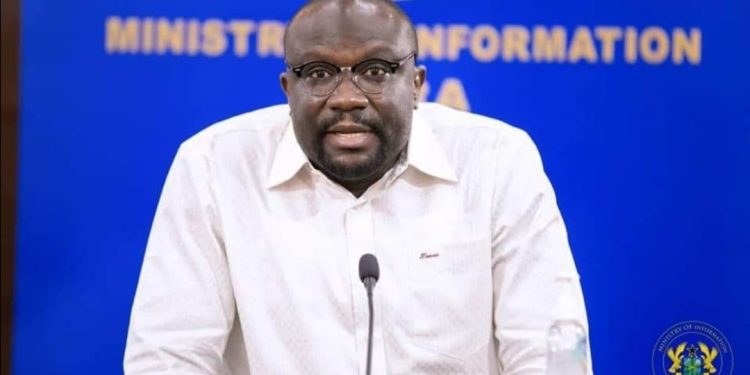
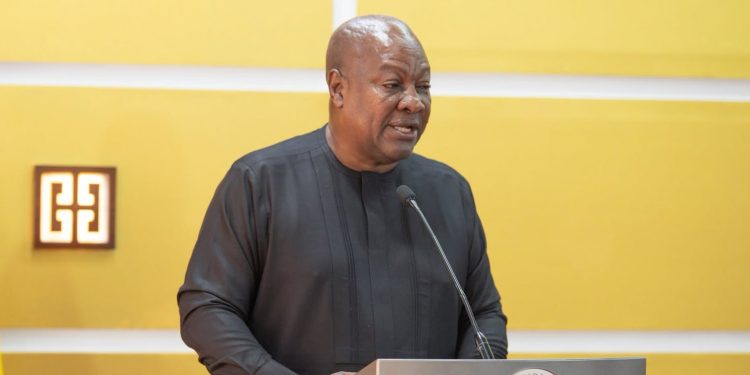
The government has outlined a series of national events to mark the first anniversary of the August 6, 2025 helicopter crash that claimed the lives of eight senior government officials and security personnel. In a statement issued on Thursday, July 30, Minister for Government Communications and Presidential Spokesperson, Felix Kwakye Ofosu, revealed that the commemorative activities will pay tribute to the memory, service, and sacrifice of the “Departed Eight.” The commemoration, organised in partnership with the Ministry of Defence, key stakeholders, alumni groups, and the bereaved families, will officially begin on Thursday, July 30, with the presentation of the state’s support package to the families of those lost. On Tuesday, August 4, Burma Hall at Burma Camp will host the Dr. Edward Omane Boamah Memorial Lecture, organised by the Ministry of Defence and the Pope John Senior High School Old Boys Association (POJOBA). The lecture, open to the public, will begin at 2:00 p.m. A National Inter-Faith Memorial Service is scheduled for Thursday, August 6, at the UPSA Auditorium in Madina, Accra, starting at 8:30 a.m. President John Dramani Mahama and Vice President Jane Naana Opoku-Agyemang are expected to attend, alongside other dignitaries and the bereaved families. Later that day, at 4:00 p.m., the Ministry of Defence will unveil a memorial cenotaph in honour of the victims. Attendance at the unveiling will be by invitation only. The week of remembrance will conclude on Saturday, August 7, with the “Service to the Soul” Nationwide Blood Donation Drive. This humanitarian effort aims to replenish blood banks at hospitals across the country, including the 37 Military Hospital and other designated centres, in honour of those who perished in the crash. Calling the tragedy one of the nation’s most painful moments, the government urged all Ghanaians, civil society organisations, religious bodies, media, and the public to participate in the commemorative activities and support the blood donation campaign. “The loss of these eight noble individuals remains a deeply painful chapter in our nation’s history. However, their spirit of dedication to duty must continue to inspire us as a people,” the statement read. The victims, who were en route from Accra to the Ashanti Region on official assignment when their Ghana Air Force helicopter crashed in Adansi, included Defence Minister Edward Omane Boamah, Environment Minister Ibrahim Murtala Muhammed, Acting Deputy National Security Coordinator Alhaji Limuna Muniru Mohammed, NDC National Vice Chairman Dr Samuel Sarpong, Former Parliamentary Candidate Samuel Aboagye, and crew members. The government emphasised that the anniversary events are meant to honour the legacy of the departed while offering ongoing support to their families. Source: Apexnewsgh.com
Health Minister Seeks Partnerships to Complete Agenda 111 Hospitals, Tackle ‘No Bed Syndrome’

Health Minister Kwabena Mintah Akandoh has announced that the government is actively seeking partnerships with the Christian Health Association of Ghana (CHAG), churches, and financially capable private individuals to accelerate the completion of the stalled Agenda 111 hospital projects and expand access to quality healthcare nationwide. Discussing plans for the health sector, Akandoh explained that the new initiative is designed to ensure value for money while fast-tracking the delivery of hospital projects that have faced delays. He emphasized the government’s continued commitment to delivering these facilities but acknowledged that strategic partnerships are essential to speeding up their completion and improving health infrastructure across the country. The minister also addressed the persistent “No Bed Syndrome,” describing it as a problem rooted not only in shortages of beds and medical equipment, but also inefficiencies in patient management at some health facilities. Akandoh noted that while many hospitals still struggle with insufficient beds and monitors, another contributing factor is the prolonged stay of patients in emergency wards after receiving initial treatment. “The beds and monitors are not enough. However, most of this is how some hospitals manage them,” Akandoh stated, adding that patients sometimes occupy emergency beds for more than 24 hours, thereby limiting access for new emergency cases. To address this, the Ministry of Health is rolling out a real-time bed management system in regional and teaching hospitals to improve patient flow and monitor bed occupancy. “We are now creating visibility in regional hospitals and teaching hospitals through a bed management centre to allow us to track patients who have overstayed in their emergency wards,” Akandoh said. He expressed confidence that the new system would help hospital administrators identify delays in patient transfers, free up emergency beds more quickly, and ultimately reduce the incidence of the “No Bed Syndrome.” Akandoh believes that the combined strategy of completing the Agenda 111 hospitals and strengthening hospital bed management will significantly improve healthcare delivery, ensuring that more Ghanaians have timely access to emergency medical care. Source: Apexnewsgh.com
Shifting Mindsets: The Fight Against Open Defecation in Upper East Begins at Home and School
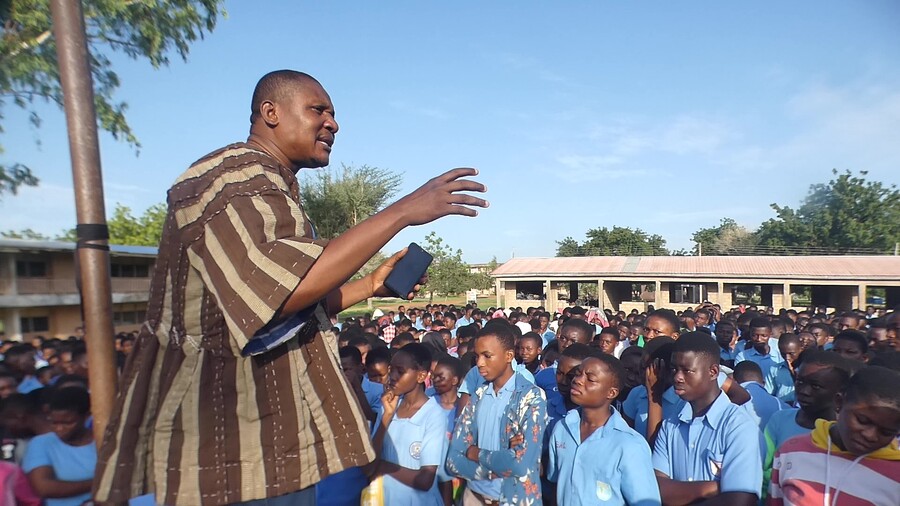
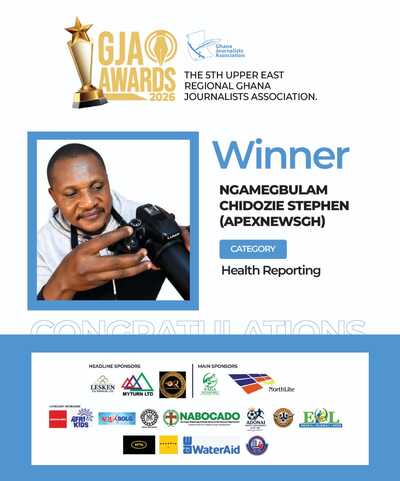
By Ngamegbulam Chidozie Stephen, Editor-in-Chief, Apexnewsgh Open defecation remains a persistent and deeply troubling public health issue in Ghana’s Upper East Region. Despite some progress over the past decade, regional estimates show that between 49% and 68.4% of the population still resorts to open defecation, a practice that not only undermines sanitation and health but also erodes the dignity and collective image of our communities. While this marks an improvement from historical rates that were once above 80%, the fact that nearly half or more of the population continues this practice is a clarion call for urgent, concerted action. As Editor-in-Chief of Apexnewsgh, I have followed this issue closely, and my observations have left me deeply concerned. A society that normalizes open defecation is, in many ways, failing its children. The holy book wisely counsels us to “train up a child in the way he should go: and when he is old, he will not depart from it.” This wisdom is pertinent here. If children grow up witnessing and practicing open defecation, it becomes ingrained in their habits and worldview. The question we must ask ourselves as parents, educators, and authorities is: Are we truly doing enough to break this cycle? On the ground, the answer is painfully clear. Many parents in the Upper East Region continue to defecate in the bush, not necessarily out of choice, but due to a lack of household toilets. This reality has a direct and damaging impact on their children. Children learn by observation and imitation. If they see their parents engaging in open defecation, they will naturally adopt the same behavior, perpetuating the cycle for another generation. It is not just a matter of personal hygiene or convenience; it is a matter of legacy and social responsibility. According to Mr. Ngamegbulam Chidozie Stephen, his investigations around the region have revealed a critical gap in the infrastructure that supports good hygiene. Shockingly, a significant number of basic schools in the Upper East Region lack adequate toilet or urinal blocks for students. This absence of facilities leaves children with little choice but to relieve themselves in the open, around the school premises or in nearby bushes. Such conditions expose children to health risks, including waterborne diseases like cholera and dysentery, and reinforce negative sanitation habits. Public health officials and development partners have long emphasized the dangers of open defecation. It contaminates water sources, spreads diseases, and contributes to high rates of child morbidity and mortality. The World Health Organization and UNICEF have consistently ranked open defecation as one of the leading factors undermining child health in low-resource settings. In the Upper East Region, the challenge is exacerbated by poverty, rapid population growth, and limited local government budgets for sanitation infrastructure. Addressing this crisis requires a multi-pronged approach that combines education, infrastructure development, policy enforcement, and community engagement. While it is easy to point fingers at parents or authorities, the reality is that all stakeholders, families, schools, traditional leaders, and government, must work together to create lasting change. One group with enormous potential to drive this change is teachers. Teachers are respected figures who shape not just the academic, but also the social and ethical development of children. They are uniquely positioned to champion Water, Sanitation and Hygiene (WASH) education in schools. By integrating lessons on proper hygiene, the dangers of open defecation, and the importance of using toilets, teachers can plant the seeds of behavioral change early in a child’s development. However, the influence of teachers should not end at the school gate. If teachers extend WASH learning to their students’ homes, encouraging parents to build and use latrines, and to model good behavior—they can amplify their impact throughout the community. Admittedly, this may place an extra financial or logistical burden on teachers and schools, but the long-term benefits far outweigh the costs. Communities that are open-defecation free enjoy better health, higher school attendance, and improved economic prospects. Government intervention is also crucial. Local authorities must prioritize the construction and maintenance of sanitation facilities in both schools and residential areas. This requires investment, political will, and effective monitoring. There should be clear policies mandating that all schools have functional toilets and urinals, and resources should be allocated to ensure these standards are met. In addition, community-led total sanitation (CLTS) programs, which have shown success in other regions, should be scaled up and adapted to the specific needs of the Upper East. Traditional leaders and faith-based organizations can also play a transformative role. By leveraging their influence and moral authority, they can mobilize communities to abandon open defecation and adopt healthier practices. Public health campaigns, community meetings, and WASH clubs in schools can all serve as platforms for raising awareness and promoting positive change. Ultimately, the fight against open defecation in the Upper East Region is about more than just building toilets. It is about changing mindsets, instilling pride and responsibility in our children, and creating a healthier, more dignified society. The journey will not be easy, but it is one we must undertake together. As parents, teachers, leaders, and citizens, we have a moral and civic duty to ensure that the next generation grows up in a cleaner, safer, and more hopeful environment. The time to act is now. Let us resolve to break the cycle of open defecation in the Upper East Region, one household, one school, and one community at a time. Source: Apexnewsgh.com
Upper East Records Major Gains in Birth Registration Through Collaboration and Mobile Outreach

The Upper East Regional Office of the Births and Deaths Registry has recorded significant progress in birth registration, following a series of interventions aimed at reaching underserved communities and improving access to civil registration services. The Regional Registrar, Ms. Ismatu Yahaya, says the region registered 7,236 births in the first quarter of 2026, comprising 3,721 males and 3,515 females, describing the achievement as a major improvement over previous years. A district breakdown shows Bawku West recorded the highest number of registrations with 874 births, followed by Bongo District with 710, Bolgatanga Municipal with 701, and Bawku Municipal with 685. Other districts recorded Garu – 371, Bawku East (Binduri) – 238, Builsa South – 294, Builsa North – 188, and Bolgatanga East – 166. The Registry also recorded 77 deaths during the same period. Bolgatanga Municipal accounted for the highest number with 30 registrations, followed by Bawku West and Builsa North with five each, while Bongo District recorded no registered deaths during the quarter. According to Ms. Yahaya, one of the biggest milestones came after the Registry partnered with the Ghana Health Service during the Child Health Promotion Week in May. The collaboration produced a sharp increase in birth registrations across the region. During the campaign, Bawku West registered 1,491 births, Bongo District 1,219, Bawku Municipal 1,218, Bolgatanga Municipal 1,170, Garu 620, Binduri 461, Builsa South 374, Builsa North 344, and Bolgatanga East 265. The figures demonstrate the impact of integrating birth registration into child health services. The Regional Registrar attributed the success to stronger collaboration rather than relying solely on the Registry’s limited resources. She noted that working with the Ghana Health Service has enabled officials to reach more mothers and children during routine health programmes. The Upper East Region has also been selected as one of five regions benefiting from the national Mobile Birth Registration Programme, which targets hard-to-reach communities. Ms. Yahaya says the region had already begun implementing similar outreach activities before the national rollout. She disclosed that a recent outreach exercise in Pusiga District resulted in the registration of nearly 60 children in a single community, underscoring the need to intensify mobile registration services across remote areas. Despite the gains, the Registry says several challenges remain. These include inadequate logistics, limited personnel, poor public awareness, and the difficulty of accessing isolated communities. Many parents, particularly in rural areas, are still unaware of the legal importance of obtaining a birth certificate within the first year of a child’s life. The Registry is therefore calling for stronger partnerships with the media, the Department of Gender, non-governmental organisations, traditional authorities and community leaders to deepen public education on birth registration. Ms. Yahaya stressed that a birth certificate is a child’s first legal identity document and serves as the foundation for accessing education, healthcare, social protection and other constitutional rights. She reminded parents that while late registration is possible, it attracts additional procedures and costs, making early registration within the infant period the most convenient and affordable option. The Upper East Regional Births and Deaths Registry says it will continue expanding community outreach and strengthening partnerships to ensure that every child in the region is counted, protected and recognised under the law. Source: Apexewsgh.com/Prosper Adankai/Contributor
Health Minister Announces NHIS Tariff Increase, Warns Against Illegal Charges

The Minister of Health, Kwabena Mintah Akandoh, has announced that tariffs under the National Health Insurance Scheme (NHIS) will be increased effective August 2026. The adjustment is part of the government’s efforts to sustain the scheme and ensure healthcare providers receive adequate reimbursements for services rendered to NHIS subscribers. Addressing Parliament’s Assurance Committee, Mr. Akandoh highlighted that the Mahama administration is also facilitating the timely transfer of funds from the National Health Insurance Levy (NHIL) to support prompt payment of claims. “I’m happy to announce that very soon, we are going to increase the tariffs of the National Health Insurance. I think in August it’s going to start,” he confirmed. The Minister also expressed concern over illegal charges, known as “co-payment,” imposed on NHIS subscribers by some healthcare providers. He described these practices as fraudulent and warned that offenders would be prosecuted. “We have detected this kind of co-payment, which is an illegal payment. We are even prosecuting some of them. We have arrested some, they are under prosecution,” he said. Akandoh urged service providers to comply with NHIS regulations and stressed that authorities will continue monitoring health facilities to eliminate illegal charges. “I will plead with all service providers that let us do the right thing because we are on the ground, and we will come after you,” he cautioned. Source: Apexnewsgh.com
Okatakyie Kwame Afrifa Mensah Hospitalised Under Police Guard After Election Disturbances

Police in the Ashanti North Region have confirmed that media personality Okatakyie Kwame Afrifa Mensah and another suspect, Osman Awuni, are under police guard at the Mampong Government Hospital following disturbances during the New Patriotic Party’s (NPP) Ejura Sekyedumase East Constituency executive elections at Wiamoase. According to a statement from the Ashanti North Regional Police Command on Monday, July 13, both Afrifa Mensah, 43, and Awuni, 44, complained of ill health after their arrest on Sunday, July 12, and were admitted for treatment. “The two suspects remain under police guard while receiving treatment. Investigations are ongoing, and the public will be updated on any further developments,” the statement said. Afrifa Mensah was arrested with six others after a violent disruption at the SDA Church polling station, where the constituency elections were taking place. Police allege that at about 7:45 a.m., Afrifa Mensah led about 30 men to the polling station. When questioned by security personnel, the group allegedly became aggressive, attacked police officers, and disrupted the process by throwing electoral materials on the ground. The remaining members of the group reportedly fled, and police say efforts are ongoing to apprehend them. Preliminary police investigations revealed that Afrifa Mensah claimed some of his supporters had been sidelined in the electoral process and that he had secured an interlocutory injunction to halt the elections. However, police and the Electoral Commission reported that no such court order or injunction had been received. Calm was eventually restored after police intervention, allowing voting to continue under tight security. The election ended peacefully at about 4:00 p.m., with the Electoral Commission duly declaring the results. The Ashanti North Regional Police Command has assured the public that investigations are ongoing and further updates will be provided as the case progresses. Source: Apexnewsgh.com
Ghana Medical Trust Fund Unveils Rebuilt Cardiac Catheterization Lab at Korle Bu
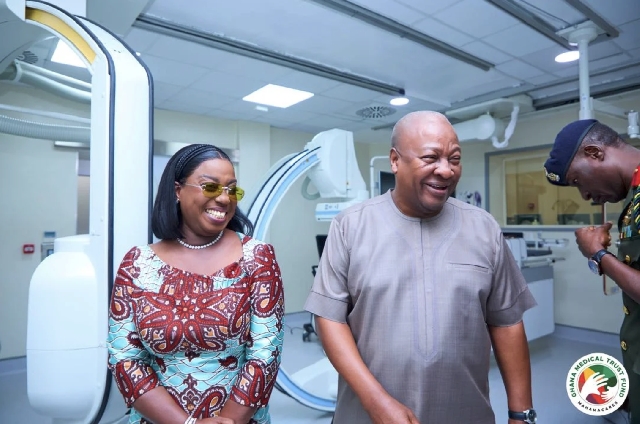
The Ghana Medical Trust Fund (GMTF) has inaugurated a newly rebuilt and expanded Cardiac Catheterization Laboratory at the National Cardiothoracic Centre of the Korle Bu Teaching Hospital, marking a major restoration of a vital resource for advanced cardiac care in Ghana. This state-of-the-art facility resumes operations nearly a year after a devastating fire destroyed the original laboratory, causing a significant disruption in advanced heart procedures and limiting access to specialised treatment for cardiac patients nationwide. The upgraded laboratory is now set to improve access to cardiovascular interventions and further strengthen specialist cardiac services across the country. At the inauguration ceremony, GMTF Administrator Adjoa Obuobia Darko-Opoku emphasized the project’s significance in restoring Ghana’s critical healthcare infrastructure. “Today, Ghana answers that test. We gather to restore a lifeline, reclaim a critical pillar of our national health security, and affirm that we do not abandon what saves lives,” she declared. Commissioned in January 2017, the original Cardiac Catheterization Laboratory enabled complex heart procedures to be performed locally, reducing the need for patients to travel overseas for treatment. The fire incident on March 7, 2025, however, temporarily halted these interventions at Ghana’s main referral hospital. After a thorough assessment in January 2026, the GMTF resolved to not only rebuild the laboratory but also expand and upgrade it to meet the growing demand for specialist cardiovascular services. Construction commenced on February 17, 2026, and was completed in less than five months. Mrs. Darko-Opoku highlighted that the new laboratory features enhanced technology, increased capacity, and improved systems, ensuring more efficient and safer cardiac care. The facility is scheduled to begin a new cardiac intervention programme on July 12, 2026, in collaboration with the National Cardiothoracic Centre, cardiologists from the United States, the Mount Carmel Foundation, Africa World Airlines, and the GMTF. Under this programme, 30 patients from around the country will receive Cardiac Implantable Electronic Device procedures, specialised treatments that would otherwise be out of reach for many. The GMTF, founded to support patients with chronic non-communicable diseases, continues to invest in specialist training, healthcare infrastructure, and medical research. Mrs. Darko-Opoku described the restored laboratory as more than just a facility, saying it is a place “where science meets compassion, where expertise meets equity, and where families can receive lifesaving care with dignity.” She also expressed gratitude to President John Dramani Mahama for his support in the reconstruction, underscoring the project as a testament to Ghana’s commitment to a stronger, more resilient healthcare system. Source: Apexnewsgh.com
Government Scales Back Agenda 111 Hospital Project, Prioritises Completion of 35 Facilities
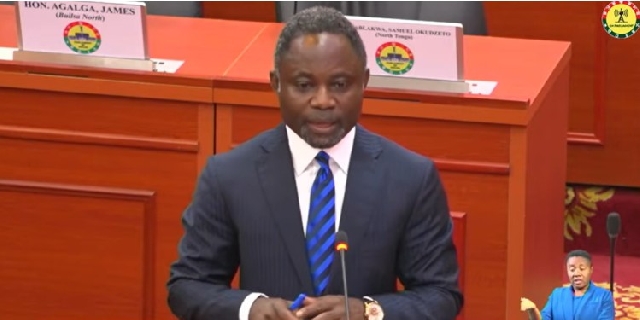
The Minister for Health, Kwabena Mintah Akandoh, has announced a major revision to the government’s flagship Agenda 111 hospital initiative, with Cabinet giving the green light for the completion of only 35 projects while putting most of the remaining facilities on hold. Addressing Parliament, Minister Akandoh explained that the decision followed a comprehensive review of the ambitious nationwide programme. The move, he said, is aimed at ensuring that the country’s limited resources are focused on projects that can realistically be completed and brought into service in the near term. Launched under former President Nana Addo Dankwa Akufo-Addo, the Agenda 111 project was designed to expand Ghana’s healthcare infrastructure by building hospitals in districts lacking such facilities, as well as regional and specialised health centres nationwide. Minister Akandoh informed lawmakers that the government will now adopt a phased implementation strategy, initially targeting the 35 projects identified as the most urgent and financially viable. This approach, he noted, will help prevent further spending on projects unlikely to be completed any time soon. In addition, the Health Minister announced plans to deepen collaboration with the Christian Health Association of Ghana (CHAG), describing the organisation as a crucial partner in delivering healthcare services. He stated that this enhanced partnership will support efforts to improve access to quality medical care and strengthen the country’s health system. Source: Apexnewsgh.com
Do We Really Care About Persons with Mental Health Disorders During Flood Disasters?

The Editor-in-Chief of Apexnewsgh, Mr. Ngamegbulam Chidozie Stephen, who also serves as a member of the Mental Health Alliance in the Upper East Region, has raised critical questions about the government’s efforts to protect persons with mental health disorders during disasters. His concerns come in the wake of the recent devastating flooding in Accra, which displaced more than 30,000 households and claimed at least a dozen lives. Reflecting on the tragedy, Mr. Ngamegbulam shared his thoughts: “I have been thinking about this since the unbearable flooding incident in Accra recently. It appears we are actually not concerned about persons with mental disorders. I’m talking about those roaming the streets, those who sleep anywhere they find or wherever they feel comfortable. Some of these people even have children with them, children who, in many cases, were born from circumstances we may never fully understand, yet we see them every day.” He questioned whether society ever truly considers the survival of such vulnerable individuals, particularly during disasters. “While we’re counting submerged cars, over a thousand, we hear, and tallying up the lives lost or disrupted, do we pause to consider those in our midst with severe mental health conditions? Those who may not even comprehend what’s happening around them, who might be asleep in a corner when the floods come, with no one to call for help, no voice to shout their name?” Mr. Ngamegbulam pointed to the lack of attention given to the mentally ill in disaster response efforts. “These people are among the most vulnerable. Who checks on them after a disaster? Who ensures they are safe, alive, or accounted for among the victims? The number of deaths we record, do we ever know if some of those lost were people with mental health disorders, people whose families may not even be able to identify or claim them? These are questions that demand answers.” Drawing parallels to the Ebola crisis, he highlighted a recurring pattern of neglect: “We made a similar oversight during the Ebola crisis. While everyone was rushing for vaccines and taking measures to protect themselves, who paused to think about the predicament of our brothers and sisters with mental health issues? It seems, too often, we only care about ourselves, the so-called ‘right-thinking’ or ‘normal’ people. Those who find themselves living with mental disorders are overlooked, left out of our planning and response in times of crisis.” Mr. Ngamegbulam emphasized that the challenges of a city like Accra make survival difficult even for the healthy. “Accra is a choked city, and this last flood proved how challenging it is for anyone to survive such disasters, even those of us who are healthy. How much harder, then, is it for those with mental health challenges, who may not understand the danger or know how to seek safety?” He called for a more inclusive approach to disaster response: “In times of challenges like flooding or other disasters, we must find a way to consider and actively save our brothers and sisters who are living with mental health issues. They did not choose their condition, circumstances led them there. We must include them in our emergency plans and activities, not avoid or ignore them because of their situation. This is a shared responsibility, and it is time we act on it.” Source: Apexnewsgh.com
New Drug Detection Systems Set for Accra International Airport as Ghana Steps Up Anti-Narcotics Efforts
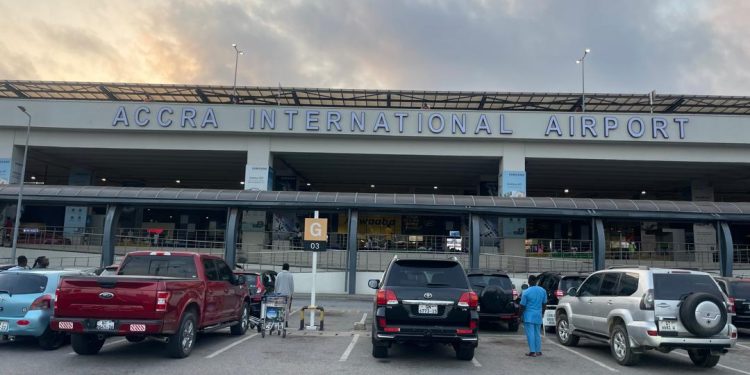
The Narcotics Control Commission (NACOC) has unveiled plans to roll out advanced drug detection systems, featuring state-of-the-art mobile drug detection scanners, at Accra International Airport beginning August 2026. This initiative, jointly supported by the governments of Ghana and the Netherlands, marks a significant step in the country’s intensified efforts to curb illicit drug trafficking. The announcement comes on the heels of a major operation that saw the arrest of an alleged drug kingpin linked to the seizure of approximately 320 kilograms of methamphetamine hidden in a charcoal shipment from Ghana and intercepted in Australia. Speaking at a durbar to commemorate the 2026 World Drug Day in Accra on Friday, June 26, NACOC Director-General Brigadier General Maxwell Obuba Mantey expressed concern about Ghana’s growing role as both a transit and distribution hub for illicit drugs. “The Government of Ghana has provided mobile drug detection scanners to NACOC just yesterday [June 25]. In collaboration with the Government of the Kingdom of the Netherlands, we are undertaking a full replacement of the body and baggage intrusive scanners at Accra International Airport, which have been non-operational for over three years,” Brigadier General Mantey announced. He also revealed a major expansion of NACOC’s operational footprint, with district operational commands increasing from fewer than 10 to 77 nationwide, now covering all 16 regions. The commission has received 27 new operational vehicles to support field deployments. In a move to build capacity for future anti-narcotics professionals, Mantey shared that a 100-acre parcel of land has been secured at the Akwamu Traditional Area for the establishment of a dedicated NACOC training school. “This is a landmark investment in the next generation of narcotics professionals, and that is why I am interested in my students,” he noted. With these measures, the NACOC aims to strengthen its ability to detect, deter, and disrupt narcotics trafficking at Ghana’s borders and beyond. Source: Apexnewsgh.com