
Journalists Gather to Strengthen Climate Resilience in Ghana’s WASH Sector
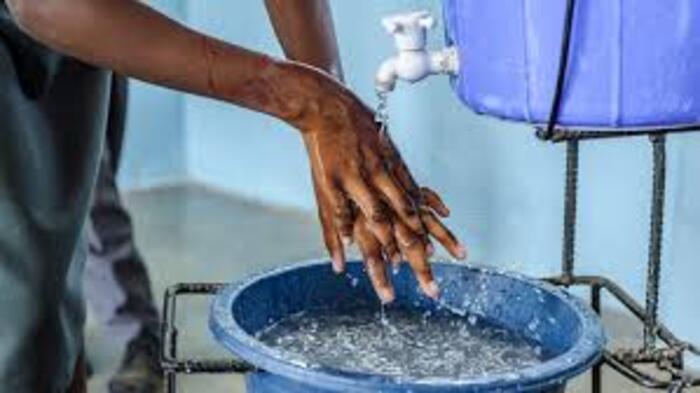
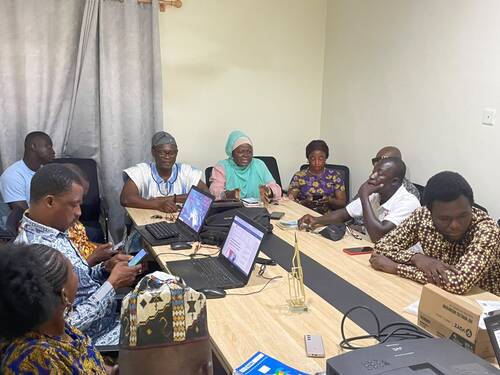
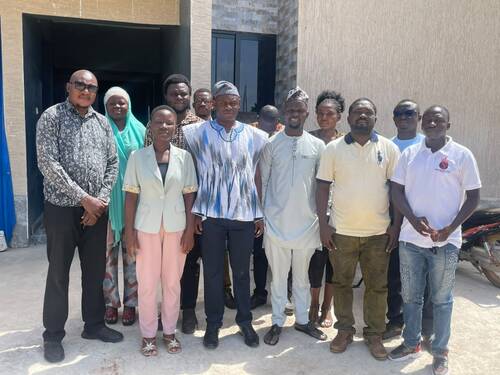
A group of passionate members of Ghana Watsan Journalists Network (GWJN) across the country gathered for a unique training session that would shape the future of climate reporting in the country. The meeting, organized by Bawku East Women’s Development Association (BEWDA) and WaterAid as part of the broader CEDAW-CLIMB partnership, with support from the Swedish government and WaterAid UK/Ghana, aimed to empower reporters with knowledge at the intersection of climate change and WASH (Water, Sanitation, and Hygiene). The presenters painted a vivid picture of Ghana’s changing environment: groundwater sources dwindling, unpredictable weather patterns, coastal erosion, droughts, and floods. These changes, they explained, deeply affect health and livelihoods, but place especially heavy burdens on women and girls. Fetching household water, managing menstrual hygiene, and ensuring maternal care all become more difficult as climate impacts worsen. As the conversation unfolded, the group explored what it truly means to build climate resilience in WASH. Mr. Ibrahim Musah, one of the presenters, described resilience as the ability of social, economic, and environmental systems to cope, adapt, and transform in the face of challenges. He suggested two key measures for water systems: structural robustness and continued service delivery. To bring these ideas to life, he recounted stories from Bawku West and other Upper East communities, where flooded platforms, seasonal drops in borehole yields, and collapsed latrines exposed the fragility of local infrastructure. The room buzzed with debate as participants discussed how construction practices, regular monitoring, and strong evidence collection could help communities withstand climate shocks. The session also demystified the concepts of climate-resilient WASH and the financial mechanisms available to support it, including the Green Climate Fund and guidelines from the Sanitation and Water for All initiative. The presenters emphasized that winning funding requires more than good intentions: proposals must be grounded in scientific evidence, demonstrate a clear climate rationale, and show what additional benefits will be delivered. To equip journalists for this task, the training introduced modeling tools and long-term trend analyses, essential resources for crafting evidence-based climate proposals and advocating for community-centered climate justice. By the end of the day, the journalists left not just with new knowledge but with a shared sense of purpose, to tell the stories that will drive resilience and justice for all Ghanaians. Source: Apexnewsgh.com
FDA Shuts Down 16 Food Establishments in Greater Accra for Lacking Hygiene Permits
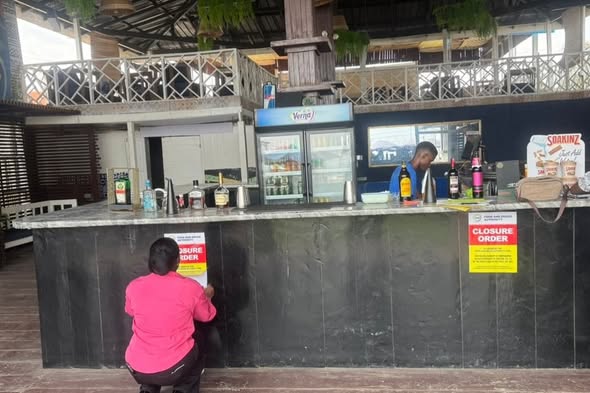
The Food and Drugs Authority (FDA) has taken decisive action to safeguard public health, shutting down 16 food service establishments in the Greater Accra Region for operating without valid hygiene permits. The closures, which took effect on Wednesday, February 18, targeted businesses that failed to meet regulatory requirements despite prior warnings. Among the affected facilities are The Cheesecake House, Dolce Frizzante, Onda, and Alora Beach Resort, along with several others. The FDA’s enforcement followed a two-week public notice, which cautioned that from February 1, 2026, any food service business without a valid Food Hygiene Permit would face closure. The announcement was made on the FDA’s official Facebook page, where the Authority reiterated its commitment to public safety and strict adherence to hygiene standards. The directive covers a wide array of food-related businesses, including restaurants, lounges, hotels, chop bars, snack bars, food vans, bakeries, event caterers, online food vendors, and canteens in schools, hospitals, and offices. By enforcing these regulations, the FDA aims to ensure that all establishments serving food to the public maintain the highest standards of cleanliness and safety. Source: Apexnewsgh.com
Endswell Pharmacy Executive Director Opens Modern Pharmaceutical Office in Bolgatanga
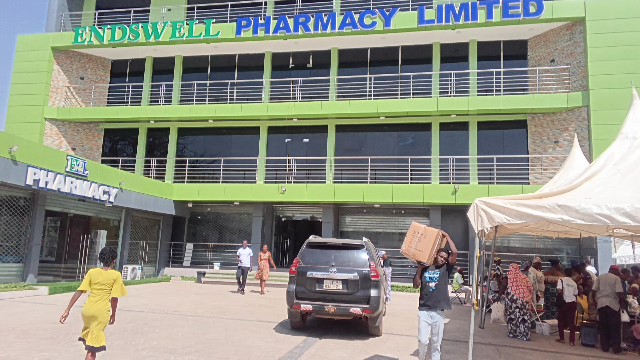
The Executive Director of Endswell Pharmacy Limited, Mr. Lawrence Atongo, has officially opened a modern pharmaceutical office in Bolgatanga, marking a significant milestone in the growth of healthcare delivery within the municipality. The newly constructed pharmaceutical edifice was formally commissioned and dedicated to God by a Reverend Father, who committed the facility into the hands of the Creator and prayed for its successful operation and positive impact on the community. Following the commissioning ceremony, Mr. Atongo seized the opportunity to organize a free health screening exercise for residents of the Bolgatanga Municipality. The initiative attracted several community members who turned up to check their health status and receive professional advice. Speaking to the media during the event, Mr. Atongo explained that the gesture was his way of appreciating the community members who have supported him since he established himself as a pharmacist. He acknowledged their immense contributions to his growth and success over the years. According to him, the health screening exercise was not organized as a display of wealth, but rather as a humanitarian effort and an expression of gratitude to God for His blessings. He emphasized that giving back to society remains a core value of Endswell Pharmacy Limited. Beneficiaries of the free health screening expressed excitement and gratitude for what they described as a thoughtful and impactful initiative. They commended Endswell Pharmacy Limited for the kind gesture and extended their heartfelt appreciation for bringing quality healthcare services closer to the people of Bolgatanga. Source: Apexnewsgh.com
Family Demands Answers After Mysterious Killing of Bolgatanga Young Man in Sherigu Forest
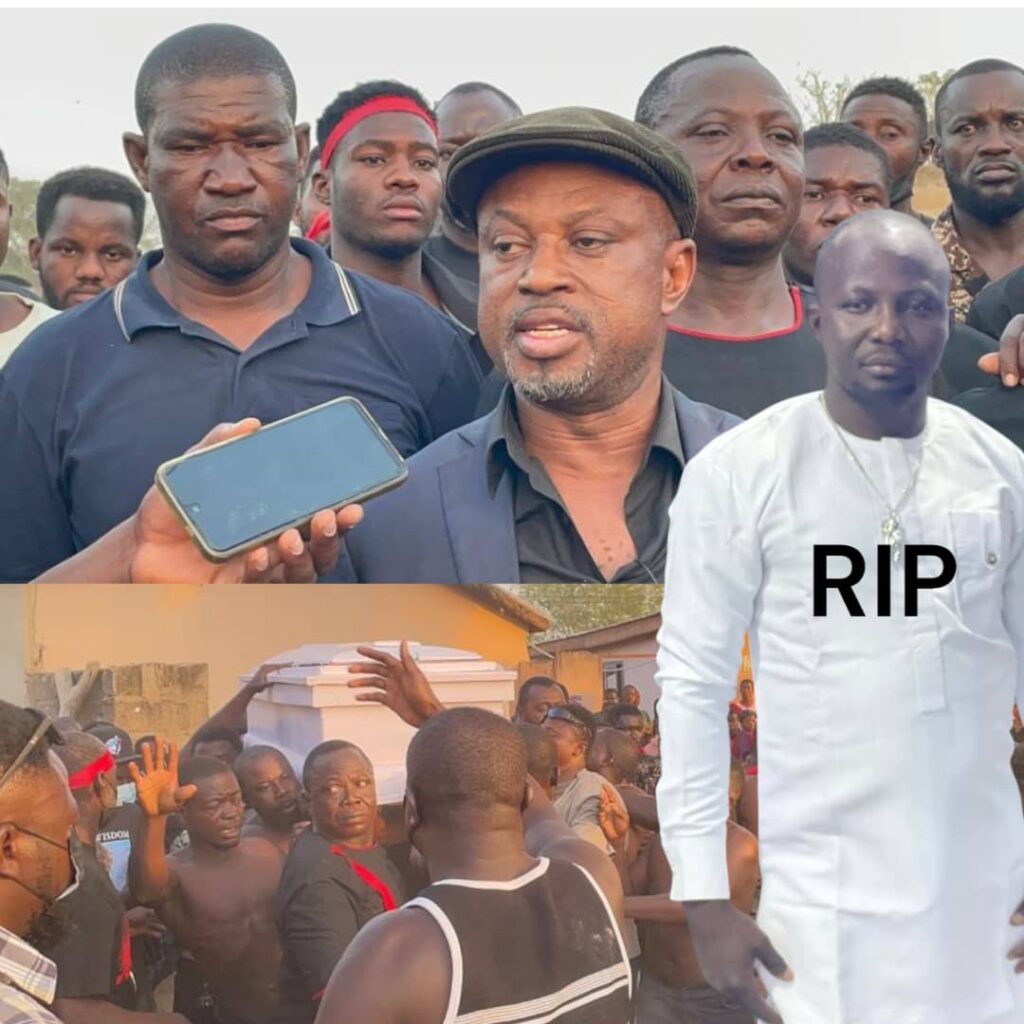
The quiet community of Tindonmolgo in Bolgatanga was plunged into mourning after the tragic and brutal killing of 39-year-old Norbert Anamzoya Akupa. Grief and outrage hung heavy in the air as family, friends, and townsfolk gathered for Norbert’s burial, forming a somber procession that wound from the Upper East Regional Hospital morgue to the family home. In a press conference marked by emotion and resolve, family spokesperson Agana Bawa Rashid recounted the chilling events that led to Norbert’s untimely demise. According to the family, Norbert left home on the night of January 30, 2026, after allegedly receiving a call from individuals believed to be police officers. He was never seen alive again. The following morning, early commuters discovered Norbert’s lifeless body on the roadside in the Sherigu forest. The crime scene was both disturbing and perplexing: investigators recovered twenty-four AK-47 bullets, nine shotgun shells, and a police face mask. Norbert’s motorcycle and personal belongings were untouched, suggesting that robbery was not a motive. The sheer number of bullets, the family argued, pointed to a calculated execution. “Why would anyone need 24 bullets to kill one man? This was no random act,” Mr. Agana declared. “If Norbert was suspected of any wrongdoing, due process should have been followed. Ghana is a country of laws, not lawlessness.” The press conference was also a rebuttal to rumors circulating on social media, which sought to tarnish Norbert’s reputation. Mr. Agana dismissed these allegations as baseless and a cruel attempt to justify the killing. “Our brother had no criminal record. He was a peaceful man deserving of protection, not violence.” The family’s pain has been compounded by unanswered questions and a sense of official silence. Despite requests for comment, the Upper East Regional Police Command declined to address the family’s allegations, indicating only that investigations are underway. Still, Norbert’s loved ones are determined to see justice served. They are calling for a transparent, thorough investigation to identify those responsible and to hold them accountable under the law. “We will not rest until the truth is revealed and those behind this heinous act are brought to justice,” vowed Mr. Agana. As the community waits anxiously for answers, Norbert’s legacy lives on in the determination of his family and friends, who have vowed to keep pressing for justice. “You may have taken Norbert from us,” said Mr. Agana, “but his spirit and our fight for justice cannot be silenced.” Source: Apexnewsgh.com/Ngamegbulam Chidozie Stephen
Ghana Medical Trust Fund Delivers Hope with Heart Surgery Support for Children Nationwide
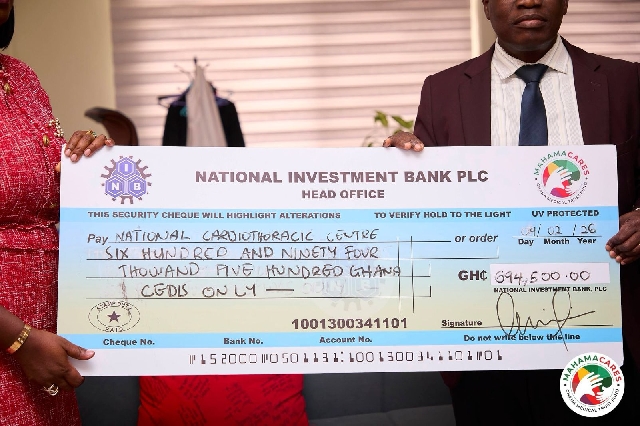
Eight children from various regions of Ghana are now closer to life-saving heart surgeries, thanks to a GH¢1,141,500 intervention by the Ghana Medical Trust Fund at the National Cardiothoracic Centre of Korle Bu Teaching Hospital. The timely support is transforming the lives of children who, under different circumstances, would be spending their days in classrooms and playgrounds instead of preparing for critical operations. Of the eight beneficiaries, five were recently referred to Korle Bu from regions including Northern, Savannah, Bono East, Western North, Western, and Greater Accra, demonstrating the Fund’s reach across the country. Their complex cardiothoracic conditions require urgent surgical attention, and the Trust Fund’s intervention is offering renewed hope to both the children and their families. This initiative is part of a 50-case pilot project preceding the Fund’s full rollout in April. By targeting those most in need, especially children who might otherwise be denied care due to financial barriers, the Ghana Medical Trust Fund is making essential, timely treatment possible for Ghana’s youngest patients. The Fund’s approach goes beyond promises, demonstrating a living commitment to care. For the families of these children, and for many more to come, the Ghana Medical Trust Fund is turning hope into healing, one surgery at a time. Source: Apexnewsgh.com
Talensi MP Hon. Daniel Dung Mahama Transforms Healthcare with Major Donation
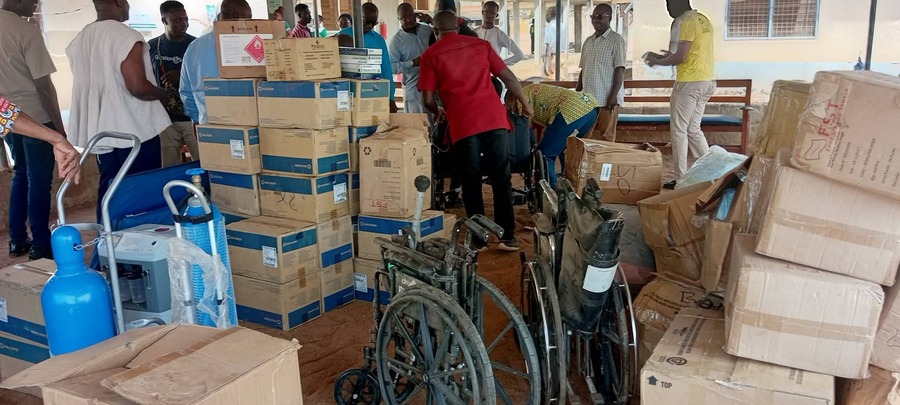
On a bright morning in Talensi, a convoy of vehicles wound its way through the district, carrying a precious cargo destined to change lives. At the heart of this mission was Hon. Daniel Dung Mahama, the Member of Parliament for the Talensi Constituency, whose commitment to his people’s health was about to make a visible impact. At the Talensi District Hospital, a sense of anticipation filled the air as staff and community members gathered to welcome the MP and his entourage. Hon. Mahama was not alone; by his side were the District Chief Executive, Hon. John Millim Nabwomya, the District Health Director, party executives, and other stakeholders. Together, they brought gifts: a donation of medical equipment and consumables valued at over GHS 300,000. The assortment was impressive: an oxygen concentrator, wheelchairs, electric beds, regular beds, mattresses, oxygen cylinders, sterile gloves, absorbent wooden towels, delivery beds, iodine solution, hand cleaner gel, umbilical vessel catheter trays, thermometer probe covers, and assorted medical consumables. Each item was carefully chosen, but none more significant than the oxygen concentrator, a device close to the MP’s heart. As Hon. Mahama addressed the gathering, his voice carried both gratitude and resolve. He spoke movingly of his late mother, who, during her illness in Accra, depended on oxygen therapy to sustain her life. That personal experience, he explained, inspired him to ensure that no one in Talensi would have to leave their district in search of such a vital resource. The donated, electrically rechargeable concentrator would now be available to serve all, even without gas refills. The MP urged the hospital and health centers to make the best use of the donation, emphasizing that the proper use of these items would justify his continued support. The DCE and District Health Director expressed their heartfelt thanks, describing the donation as critical to overcoming the challenges the healthcare system faces, not just for Talensi, but for the wider region. The day’s story didn’t end at the hospital. Next, Hon. Mahama, the DCE, the District Education Director, Madam Christiana Ayinzoya, and NDC constituency executives visited the Talensi District Fire Service Station. Here, the MP responded to another call for help, donating 16 mattresses and a 55-inch plasma television to support the firefighters’ daily work. He acknowledged the ongoing challenges faced by the service and pledged to continue advocating for solutions with the central government and other partners. Hon. Mahama’s day was filled with action and engagement. Beyond these donations, he carried out his parliamentary duties, always with an eye on the well-being of Talensi’s residents. Reports on these other engagements, he assured, would follow soon. As the sun set, the Talensi MP’s efforts stood as a testament to what determined leadership and community support can achieve. The district ended the day not just with new equipment and supplies, but with renewed hope for a healthier, better-supported future, thanks to a leader who understands and acts upon the needs of his people. Source: Apexnewsgh.com
Civil Society Urges Coordinated, Inclusive Action to Eliminate Neglected Tropical Diseases in Ghana by 2030
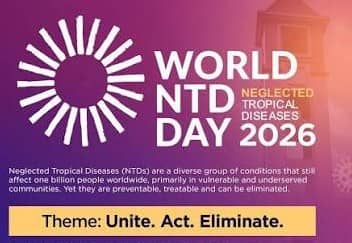
Civil society groups dedicated to tackling Neglected Tropical Diseases (NTDs) in Ghana are calling for a fundamental shift from isolated interventions to collaborative, inclusive strategies if the nation is to achieve the elimination of all NTDs by 2030. The Ghana National Consortium on Neglected Tropical Diseases (Ghac-NTDs) issued this call during World NTD Day, observed on Thursday, January 30, 2026, in Tamale. This year’s global theme, “Unite, Act, Eliminate NTDs and related diseases,” echoed the group’s central message. Ghana has scored significant public health victories, notably eradicating Guinea worm, trachoma, and Human African Trypanosomiasis. However, Ghac-NTDs raised alarms that 14 out of the 21 globally recognised NTDs persist in the country, placing over 12 million Ghanaians at risk, particularly those living in poverty or lacking adequate sanitation. The consortium attributed slow progress towards elimination to what it termed “solo and uncoordinated approaches” among key stakeholders, even as it acknowledged efforts by the Ministry of Health and the Ghana Health Service (GHS). In a statement signed by National Chairman Dr. Peter Ndonwie, Ghac-NTDs highlighted ongoing challenges for civil society organisations (CSOs), including limited access to vital disease data, exclusion from policy-making forums, and insufficient funding for NTD programmes at both national and district levels. “Policy formulation often lacks the ground truth and community-led perspectives that CSOs provide, while the fight against NTDs remains heavily dependent on dwindling donor funding,” the statement noted. To address these issues, the consortium urged the government, through the Ministry of Health and GHS, to formally integrate CSOs into the Intra-Country Coordinating Committee (ICCC) at all administrative levels. Such integration, it argued, would bolster joint planning, implementation, and monitoring of NTD interventions. The group also called for the swift implementation of the End NTDs Fund, announced in 2025, with transparent processes enabling CSOs to access resources for community-based work. On the subject of disease surveillance, Ghac-NTDs proposed the creation of a shared digital platform to facilitate real-time data exchange between government health services and CSO field teams—a move it described as essential for evidence-based policy and planning. The consortium further advocated moving beyond vertical, drug-focused campaigns to adopt person-centred, integrated primary healthcare strategies. These should encompass disability management, mental health support, community rehabilitation, and stigma reduction for individuals affected by NTDs. Reiterating its commitment, Ghac-NTDs affirmed its readiness to mobilise its national network of members, volunteers, and advocates in support of the Ghana NTD Sustainability Plan (2023–2026). “Eliminating NTDs in Ghana is not just a dream, but a target within reach if we act together,” the statement concluded. Source: Apexnewsgh.com
Ghana Deploys 121 Nurses to Antigua in New Push for International Job Opportunities
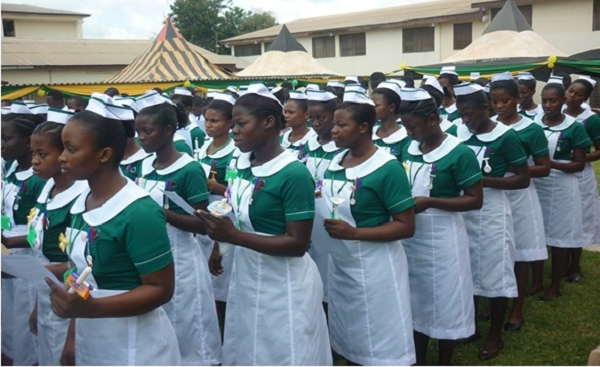
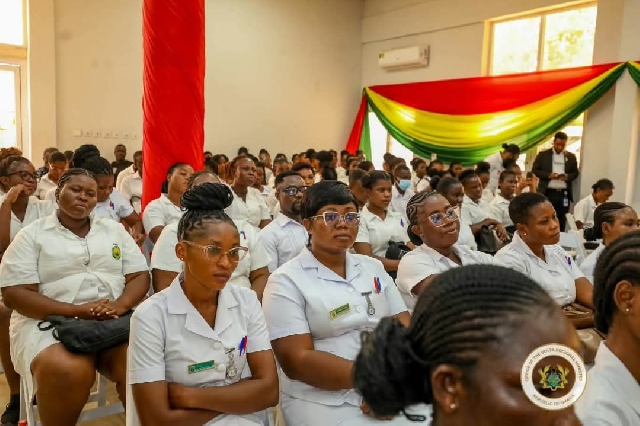
In a significant step to tackle the growing backlog of unemployed health professionals, Ghana’s Ministry of Health, in partnership with the Ghana Labour Exchange Programme, has deployed 121 nurses to Antigua. The move, celebrated at a deployment ceremony attended by Health Minister Kwabena Mintah Akandoh, is part of a broader strategy to create new job avenues for qualified Ghanaian health workers. Addressing the nurses and their families, Minister Akandoh highlighted a pressing challenge facing the country: over 80,000 trained health workers have completed their education but remain unabsorbed by the public sector. “Our commitment is to find innovative ways to provide opportunities for our dedicated professionals,” he said. “Bilateral agreements like this are a win-win for Ghana and our partner countries.” Antigua now joins a growing list of nations, including Jamaica, Barbados, and Trinidad, participating in Ghana’s initiative to export skilled health labor. Through these partnerships, Ghanaian nurses gain international experience, while host countries benefit from their expertise and professionalism. During the send-off, officials urged the departing nurses to be ambassadors of Ghanaian values, maintaining the highest standards of professionalism and integrity as they serve abroad. Several nurses shared their hopes that the opportunity would not only advance their careers but also enhance Ghana’s reputation on the global healthcare stage. For many, the deployment marks more than just a new job; it’s a journey that bridges continents, opens doors, and showcases the resilience and talent of Ghana’s health workforce to the world. Source: Apexnewsgh.com
Tobacco’s Silent Threat: FDA Discusses Public Health, Policy, and Cultural Change
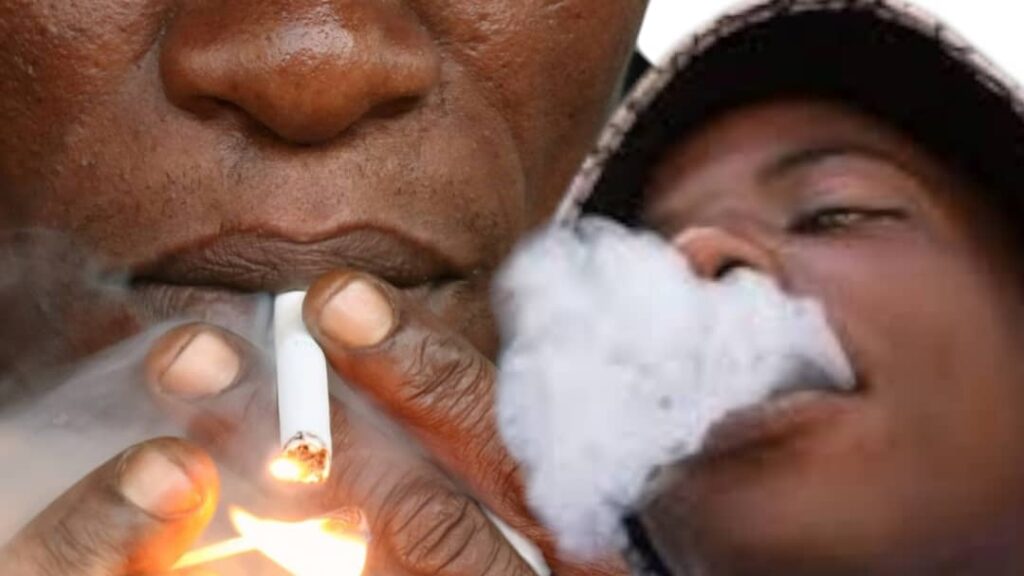
In an era where lifestyle choices are increasingly scrutinized for their long-term health implications, the conversation surrounding tobacco use remains one of the most critical public health dialogues globally. In an exclusive and illuminating engagement, Mr. Abel Ndego, the Upper East Regional Director of Ghana’s Food and Drugs Authority (FDA), provided a stark, evidence-based dissection of the tobacco epidemic. This dialogue, far more than a simple interview, serves as a documentary-grade testament for those still ignorant of the profound dangers of tobacco and the robust legal framework designed to combat its scourge. The session, spearheaded by Editor-in-Chief Mr. Ngamegbulam Chidozie Stephen, transcended basic awareness, delving into the science of addiction, the specifics of Ghana’s legislation, and the nuanced battle against deeply entrenched cultural practices. Mr. Ndego framed the discussion with sobering global statistics that underscore the urgency of the FDA’s mission. “Over 8 million people die from tobacco use and second-hand smoke globally each year,” he stated, affirming its position as the world’s leading preventable cause of death. This grim tally includes approximately 7 million deaths from direct use and 1.3 million non-smokers succumbing to second-hand smoke exposure, with a disproportionate impact on low- and middle-income nations. Translated into a daily horror, tobacco claims nearly 22,000 lives every day. These figures are not abstract; they represent a relentless public health emergency that national authorities like the FDA are mandated to address through education, regulation, and enforcement. A central thrust of the engagement was dispelling myths and revealing the hidden equivalencies in tobacco consumption. With emphatic clarity, Mr. Ndego highlighted one of the most alarming facts: “Going through one hour session of shisha is equivalent to smoking between 100 and 200 sticks of cigarettes.” This revelation often stuns casual users who perceive shisha as a social, filtered, and less harmful alternative. The reality is that a single shisha session delivers a massive dose of toxicants, debunking its benign reputation. The chemical cocktail within tobacco smoke, Mr. Ndego explained, is a brew of over 3,000 harmful substances. “Formaldehyde, what they used to make formalin for the embalming of dead bodies, is found in there. We have tar… a lot of carcinogens… heavy metals like lead and cadmium.” These components are directly linked to cancers, cardiovascular diseases, respiratory illnesses, and a host of other dire health consequences. The addictive engine driving this consumption is nicotine, a substance that creates a physiological “hunger,” compelling repeated use and deepening dependency. “There is proof also,” Mr. Ndego added, “that people who have smoked continuously for more than five years are most liable to lose 10 years of their life.” Beyond education, the FDA’s work is firmly rooted in legislative action. A cornerstone of Ghana’s strategy is the ban on public smoking, a law whose rationale extends beyond the individual smoker. “It’s a crime to smoke in public,” Mr. Ndego asserted. The science of second-hand smoke is unequivocal: “All the health risks of the smoker, the secondhand smoker is liable to them as well. And so why would I suffer for somebody’s enjoyment?” The definition of a public space is intentionally broad. “Even your private vehicle, as long as you pick a passenger, ceases to be private… You cannot smoke there.” Enforcement, he clarified, is a shared responsibility. “The beauty of this is that… you can even effect citizen arrests. If somebody is smoking in your environment, you can report the person to the police.” The FDA has complemented this law with extensive stakeholder engagements, distributing “No Smoking” stickers and educating groups like the Ghana Private Road Transport Union (GPRTU) to ensure terminals and vehicles are compliant. Perhaps less known is the illegality of a common market practice. “It is a crime to sell single sticks of cigarettes to people,” Mr. Ndego declared. This prohibition, under Section 6 of the Public Health Act, is fundamentally about informed consent. A cigarette pack carries mandated pictorial health warnings and graphic images of diseased organs, which communicate the product’s risks. A single stick offers no such warning. “The space on a single stick is so small… it must be sold in the pack so that the health warning can really send a message.” Selling illicit, unregistered cigarettes that lack these warnings altogether is an even more severe contravention. One of the most sensitive aspects of the FDA’s work involves engaging with cultural institutions. In many regions, including the Upper East, tobacco is woven into traditional rites. “If you want to marry, they will tell you that you have to present tobacco… greeting your in-laws,” Mr. Ndego noted. The FDA, in a respectful and collaborative manner, has initiated dialogues with the Regional House of Chiefs. “We have been engaging… to see how together they can substitute the tobacco for something else,” such as a symbolic monetary representation. While acknowledging that altering longstanding traditions “takes time,” Mr. Ndego reported a receptive audience attuned to the health and developmental arguments. Simultaneously, the authority is battling the tobacco industry’s adaptation through technology. The market is now flooded with sleek, discreet nicotine delivery devices. “We have e-cigars… some come in the form of pens… I even saw one that was like a smartwatch,” Mr. Ndego described. These products, often appealing to youth, vaporize nicotine-laced liquids, leveraging technology to perpetuate addiction. The FDA remains vigilant, recognizing that regulation must evolve as quickly as the products it seeks to control. Ghana’s comprehensive approach extends to stifling the tobacco industry’s influence. “Tobacco companies are not permitted by law to sponsor any event in Ghana. They cannot even donate money to save a life… They cannot brand any products,” Mr. Ndego outlined. This near-total ban on advertising, promotion, and sponsorship is a critical World Health Organization-backed measure to denormalize tobacco use and prevent targeting the youth. Furthermore, the state employs fiscal policy as a deterrent. Significant fees for product registration, “you would not pay less than, I think, ten to fifteen thousand dollars” per brand, combined with heavy taxes, aim to limit accessibility and generate revenue for public
Ghanaian Military Medics Excel at Multinational Competition in Italy, Deepening U.S. Partnership
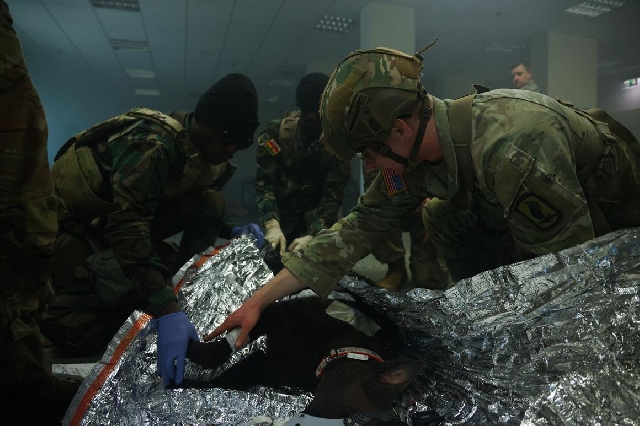
A team of medical personnel from the Ghana Armed Forces (GAF) has showcased its expertise and resilience alongside counterparts from the United States, Italy, and Liberia at a prestigious multinational military medical competition in Italy. The event, held at Caserma Del Din in Vicenza from January 5 to 15, was hosted by the U.S. Army Southern European Task Force, Africa (SETAF-AF), and brought together 24 elite military medics for a rigorous test of physical endurance and technical skill under simulated combat conditions. For the second consecutive year, Ghana fielded a joint four-member team representing the army, navy, and air force, a move officials say reflects the country’s deepening partnership with the United States, particularly in the realm of battlefield medical readiness and interoperability. U.S. Chargé d’Affaires ad interim in Ghana, Rolf Olson, commended Ghana’s continued participation, noting, “They are not just training for a competition; they are solidifying a partnership that saves lives.” The competition unfolded in two phases: a knowledge-sharing segment and a high-intensity medical contest replicating the chaos of combat scenarios. Training modules included trauma care, chemical and radiological response, casualty management, and marksmanship, culminating in a demanding two-day challenge that assessed medics’ ability to operate effectively while under extreme physical and mental stress. Ghana’s contingent delivered an impressive performance. Sgt. Cornelius Adagbe and Leading Seaman Ato Amonoo-Rockson secured third place overall, amassing 2,789 out of a possible 3,000 points. Amonoo-Rockson also earned the second-highest score in the U.S. Army Fitness Test, while Adagbe finished second in the grueling foot march event. Several Ghanaian medics, including Captain Emmanuel Oti-Boateng, were recognized for excellence in tactical combat casualty care and K-9 casualty care, underscoring the team’s all-around capabilities. According to military officials, the event not only honed advanced trauma and delayed evacuation techniques but also fostered trust and cooperation among allied forces. “This competition is about building medical excellence for the fight today,” said U.S. Army Sgt. Maj. Shanett Robinson. Organizers emphasized that such multinational exercises are vital for ensuring seamless integration during future crises, peacekeeping operations, or disaster relief missions—areas where Ghana’s medics are now proven partners. Source: Apexnewsgh.com