
Johnson Ayine: A Voice Demanding Development for Upper East

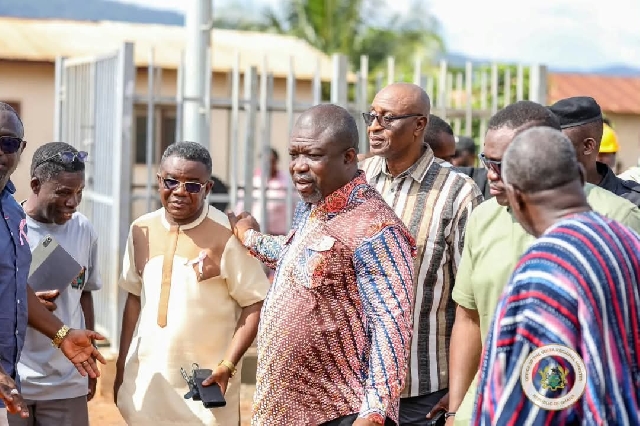
Johnson Ayine, an outspoken contender for the Communications Director position of the Upper East branch of the New Patriotic Party (NPP), has become a prominent advocate for development in the region. His unfiltered criticism and bold advocacy have resonated with many residents who feel let down by the slow pace of progress. Ayine, drawing from his experience as the former Regional Deputy Communication Director, has openly challenged the Upper East Regional Minister. He insists that, with his extensive network and political influence, the Minister has no excuse for failing to secure the region’s fair share of national development. “With his links, you have bargaining power. Your bargaining power is 15 MPs, 100% score. So, you have also given me the development. We are not seeing it,” Ayine declared, underlining his frustration. The aspiring Communications Director’s criticism extends to the National Democratic Congress (NDC) Members of Parliament. According to Ayine, the people’s faith in the NDC’s “Agenda 15-15” has not been rewarded. “They campaigned on Agenda 15-15 and delivered it well. Now, compare the votes that they had to what we are receiving as a result of it. It’s nothing to write home about,” he said, reflecting the widespread disappointment across the region. Ayine pointed to specific examples of unfulfilled promises, such as the stalled regional airport project. He recalled a particularly disappointing moment when the Buffer Stock Regional boss announced that President John Dramani Mahama would soon inaugurate the airport, a promise that remains unfulfilled to this day. But Ayine’s concerns go beyond unfinished projects. He accused some politicians of sidelining key community leaders, including Gabriel Agambila and Alagumgube, from the Airport project. This, he argued, has led to the hijacking and mismanagement of development efforts. He also challenged seasoned political figures, like Donatus Akamugri, to use their influence more effectively. “Every government comes in this Akamugri’s life. So, you mean the man is not actually living up to his expectations? He should make good use of his network,” Ayine remarked. Despite the Upper East Region being home to parliamentary heavyweights such as the Majority Leader Mahama Ayariga and Isaac Adongo, the Chairman of the Finance Committee, Ayine lamented the region’s continued lack of major development projects. “How can you have a Majority Leader from the Upper East, the Chairman of the Finance Committee from the Upper East, and still not get your share of major projects?” he questioned. Ayine’s message is clear: the people of the Upper East Region deserve better. He called for urgent, effective leadership and strong advocacy to secure the region’s rightful share of national development, especially in crucial sectors like roads, agriculture, and infrastructure. His words serve both as a warning to current leaders and a rallying cry for citizens to demand more from those in power. Source: Apexnewsgh.com
The New Patriotic Party (NPP): A History and Leadership Directory (1992 to Present) – Alhaji Dr Hafiz Bin Salih
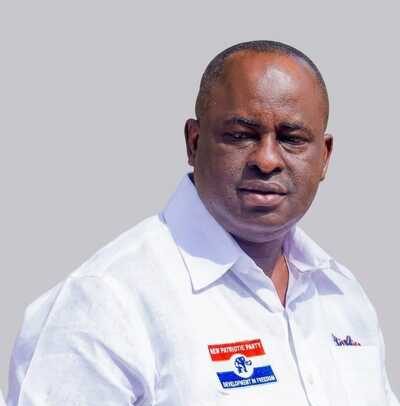
The New Patriotic Party (NPP) is a major centre-right political party in Ghana, established on 28 July 1992 during the national transition to multi-party constitutional governance under the Fourth Republic. Rooted in the historic Danquah-Dombo-Busia tradition—named in honour of founding figures Dr J. B. Danquah, Chief S. D. Dombo, and Dr K. A. Busia—the party advocates liberal conservatism, a property-owning democracy, free-market economics, and individual freedom. With the elephant as its symbol and red, white, and blue as its colours, the NPP operates under the motto “Development in Freedom”. Alongside the National Democratic Congress (NDC), it forms one of the two primary forces in Ghanaian politics. The party contested its first presidential election in 1992 under Professor Albert Adu Boahen, subsequently achieving national executive governance under Presidents John Agyekum Kufuor (2001–2009) and Nana Addo Dankwa Akufo-Addo (2017–2025). The party’s administrative leadership is anchored by its National Chairman and supported by the General Secretary. Over the years, the party has elected capable individuals to these key positions. National Chairmen 1. B. J. da Rocha (1992–1995): Inaugural National Chairman 2. Peter Ala Adjetey (1995–1998) 3. Samuel Odoi-Sykes (1998–2001): Led the party through the 2000 election victory 4. Harona Esseku (2001–2005) 5. Peter Mac Manu (2005–2010) 6. Jake Otanka Obetsebi-Lamptey (2010–2014) 7. Paul Afoko (2014–2015): Suspended by the party’s National Executive Committee in October 2015 8. Freddie Blay (2015–2022): Served in an acting capacity from October 2015; elected substantively in July 2018 9. Stephen Ntim (2022–present): Elected at the National Delegates Conference in July 2022 General Secretaries 1. Joseph Agyenim Boateng (1992–1998): Inaugural General Secretary 2. Dan Botwe (1998–2005) 3. Nana Ohene Ntow (2005–2010) 4. Kwadwo Owusu Afriyie (Sir John) (2010–2014) 5. Kwabena Agyapong (2014–2015): Suspended by the party’s National Executive Committee in December 2015 6. John Boadu (2015–2022): Served in an acting capacity from December 2015; elected substantively in July 2018 7. Justin Frimpong Kodua (JFK) (2022–present): Elected at the National Delegates Conference in July 2022 Hafiz Bin Salih (PhD) Member of the National Council of NPP Former Upper West Regional Minister Former Upper West Regional 1st Vice Chairman Source: Apexnewsgh.com
Supreme Court Ruling: Opening Party Primaries Won’t End Money Politics, But Will Curb Electoral Corruption
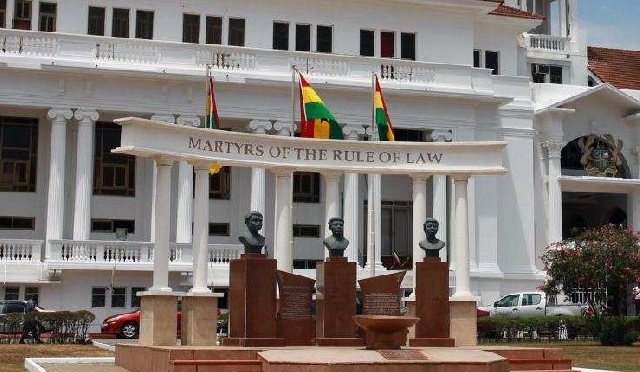
In a landmark decision, Ghana’s Supreme Court has ruled that although opening political party primaries to all registered members will not abolish money politics, it will make electoral corruption significantly more difficult. This pivotal stance was set out in the judgment of Prof. Frimpong-Boateng & 2 Others v NPP & 4 Others, in which a seven-member panel, by a 5–2 majority, declared the delegates system used by political parties to elect their presidential and parliamentary candidates unconstitutional. The panel, comprising Chief Justice Paul Baffoe-Bonnie, Justice Gabriel Scott Pwamang, Justice Issifu Omoro Tanko Amadu, Justice Samuel Kwame Adibu-Asiedu, Justice Senyo Dzamefe, Justice Ernest Yao Gaewu, and Justice George Kingsley Koomson, emphasized that while corruption may not be eradicated overnight, broadening participation is an essential step toward strengthening Ghana’s democracy. An excerpt of the judgment, shared on Facebook by Deputy Attorney General Justice Srem-Sai, addressed concerns that expanding participation would not automatically wipe out vote-buying. Chief Justice Baffoe-Bonnie candidly stated that the Court was under no illusion that such corruption would simply vanish. “True, opening party primaries to every party member is no guarantee that money politics will disappear. Corruption is remarkably adaptable. It often changes its form rather than vanish altogether. Yet constitutional adjudication rarely offers perfect solutions. The Court is often required to choose the course that best promotes constitutional values in imperfect circumstances,” he noted. Chief Justice Baffoe-Bonnie explained that the delegates system, by concentrating power in the hands of a select few, made targeted inducements easier and more attractive to those seeking to influence outcomes. “Concentrating decisive electoral power in a relatively small body of delegates inevitably increases the value of each delegate’s vote. It creates a smaller market, a more identifiable electorate and, therefore, a more attractive environment for targeted inducements. A broader electorate may increase campaign costs, but it also disperses political power among thousands of ordinary members, making it considerably more difficult for electoral outcomes to be shaped by a relatively small number of transactions,” he explained. For the Supreme Court, the critical question was not whether the new system would entirely eliminate corruption, but whether it would better advance the democratic values enshrined in Ghana’s Constitution. Chief Justice Baffoe-Bonnie concluded that the nation’s constitutional democracy requires political parties to adopt a broader, more inclusive model for internal elections. “For that reason, this Court may legitimately conclude that, at this stage of Ghana’s democratic development, fidelity to the Constitution requires political parties to embrace the model of democracy that the Constitution itself consistently prefers for the purpose of constituting political authority.” With this judgment, the Supreme Court has mandated political parties to abandon the delegates system in favour of broader participation by their members in the selection of party executives and candidates, a move seen as a milestone in Ghana’s evolving democratic journey. Source: Apexnewsgh.com
NPP Upper East Communication Director Aspirant Johnson Ayine Pledges Strong, Transparent Relationship with the Media
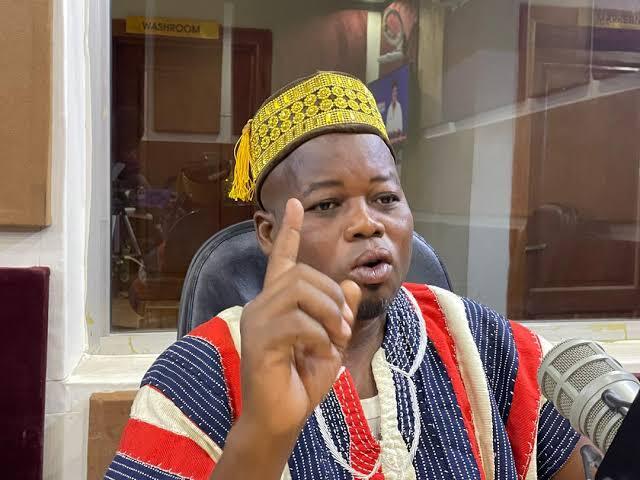
Johnson Ayine, an aspirant for Upper East Regional Communication Director of the New Patriotic Party (NPP), has outlined his vision for a collaborative and transparent relationship with the media if given the opportunity to serve as Communication Director. Reflecting on his over two decades in the media, Ayine credited the industry for shaping his career and connections. “The media has played a pivotal role in getting me to where I am today. I’ve always said, if media professionals were the delegates for this election, no one would contest me, my rapport with journalists across the region is that strong,” he stated. Ayine emphasized that, for any communicator, the media should be an ally, not an adversary. “You need the media on your side. As a communicator, your reach is limited without them. I’ve never had issues with any journalist, host, or hostess in this region,” he said, adding that his approach is to work with all, regardless of the platform or interviewer. He proposed a fair and inclusive system for media engagement at party events. “If there are 50 journalists in the region and you can only accommodate 10 at an event, rotate them. The next program, invite a different set, so everyone feels included and all have the opportunity to report on party activities,” Ayine explained. This, he believes, will ensure wider coverage and strengthen the party’s relationship with the media. Ayine made this commitment in response to the numerous challenges and disappointments the media have experienced due to selective and tribalistic behavior by some party communicators. He also acknowledged the challenges journalists face, particularly inadequate compensation and welfare support. “The media fights for the rights of all, yet their own welfare is often neglected. We need to address this by making provisions for journalists at our events, ensuring they are comfortable, have refreshments, and are able to do their work effectively,” he said. He pledged to work closely with the leadership of the Ghana Journalists Association (GJA) in the region, designating liaison persons to facilitate smooth communication and avoid misunderstandings. “Transparency will be key. I want to maintain the strong reputation I’ve built with the media. By working directly with media representatives, we can plan better and avoid leaving anyone out,” he noted. Ayine also highlighted the importance of proactive communication and mutual respect. “Sometimes, when sensitive or potentially damaging information is shared, I reach out to editors and producers to clarify or request restraint. This is the kind of professional relationship I want to maintain, one built on trust, openness, and shared goals.” He cautioned against favoritism and exclusion, warning that repeatedly inviting the same journalists while ignoring others could breed resentment and negative coverage. “Every media house should feel valued and engaged. That way, when we have good news, they’ll help amplify it, and when challenges arise, we can address them together.” In conclusion, Ayine affirmed his belief that leveraging the goodwill and professionalism of the media in the Upper East Region will be crucial in shaping public opinion and advancing the NPP’s communication goals. “With a transparent, respectful, and inclusive approach, we can use the power of the media to change minds and move the party forward.” Source: Apexnewsgh.com
NPP Upper East Communication Director Aspirant Johnson Ayine Unveils Vision for Stronger, United Party Messaging
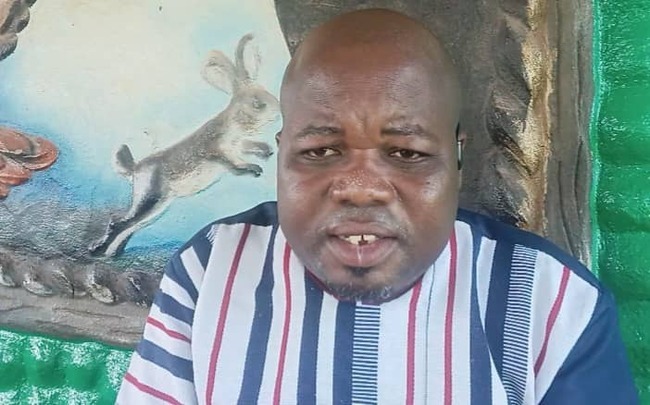
Johnson Ayine, an aspirant for Upper East Regional Communication Director of the New Patriotic Party (NPP), has laid out a bold vision to overhaul the party’s communication strategy, promote unity, and expand its appeal at both grassroots and regional levels. With over twenty years of experience in communication, known for his fact-based, data-driven approach, Ayine has pledged to address existing weaknesses and foster transparency, accountability, and inclusivity in the NPP’s outreach. “I know there are weaknesses we need to address to strengthen NPP communication. My aim is to do things differently and better,” he said in an interview. Ayine emphasized that effective political communication is crucial for shaping public opinion and influencing voter behavior. “If we want to win more constituencies and secure more votes for the NPP, we must equip every party executive and supporter with basic communication skills. This way, they can confidently represent the party in any setting, whether on radio, in the market, or on their farms.” He plans to introduce regular training for party members, ensuring everyone can clearly communicate NPP policies and respond to criticism. “Our communicators should be able to debate and win arguments wherever they are, helping people understand the party’s pro-poor policies and achievements.” Ayine also stressed the importance of unity, selflessness, forgiveness, and teamwork within the party, noting that unity is critical for public trust and electoral success. “When people see that party members are united, supportive, and ready to solve problems together, they are more likely to support us,” he said. To ensure transparency and accountability, Ayine will establish a welfare committee with a dedicated bank account for communication resources. “All contributions and expenditures will be recorded and acknowledged, so supporters know exactly how their resources are used. This will encourage more people to support the party financially.” He also intends to set up a research and archives committee to monitor promises made by both the NPP and their opponents, especially the NDC. “We must hold the NDC accountable for their promises and highlight the unfulfilled ones, just as they have done to us in the past by tagging our then Vice President Dr. Bawumia as “Bawuliar”. This committee will gather facts to support our arguments and strengthen our public messaging.” A monitoring and publicity committee will also be introduced to track media appearances and ensure the most suitable spokespersons address relevant issues. “We’ll monitor all media, match communicators to topics they are best suited for, and ensure we have the right people addressing the right issues to avoid missteps.” Ayine proposes an annual ‘Communicators Day’ to acknowledge and reward outstanding communicators, fostering motivation and healthy competition within the team. He also outlined plans for outreach days, where party communicators, executives, and candidates will visit communities, engage with voters, and conduct house-to-house campaigns. “Direct engagement helps us understand voters’ problems firsthand and tailor our messages to resonate with them.” He stressed the importance of localizing communication and making party messages relevant to the daily lives of constituents. “People want to hear how national policies affect their daily lives. Our communicators must be able to link party achievements to the concerns of the people.” Johnson Ayine’s vision centers on training, transparency, research-backed messaging, strategic media engagement, recognition of top communicators, and grassroots outreach. By implementing these strategies, he believes the NPP can build a more effective, united, and responsive communication network to win the hearts and minds of voters across the Upper East region. Source: Apexnewsgh.com
NPP Secures Police Approval for Mammoth Protest Following Court Ruling

The New Patriotic Party (NPP) has received the green light from the Greater Accra Regional Police Command to hold a massive demonstration on Thursday, August 6. The move comes in the wake of the Court of Appeal’s decision to acquit and discharge the former Chief Executive Officer of the Microfinance and Small Loans Centre (MASLOC), Sedina Tamakloe-Attionu, overturning her conviction and 10-year prison sentence handed down by the High Court. After securing police approval, the NPP’s National Organiser, Henry Nana Boakye, popularly known as Nana B, addressed the media and detailed the demonstration route. “We intend to stage this demonstration to press home our demand that democracy must be protected. On Thursday, August 6, at 5 AM, we will assemble in front of the Supreme Court before proceeding to the Economic and Organised Crime Office (EOCO) and then to the Jubilee House. We will also present a petition to Parliament through a designated representative,” Nana B announced. According to Nana B, the planned protest aims to draw attention to what the party sees as a subversion of justice, suppression of free speech, and the erosion of Ghana’s democracy. He explained, “On Friday, July 31, we submitted our notice to stage a mammoth demonstration over what we describe as selective justice, interference with the judiciary, and the repressive bail conditions imposed on members of the opposition.” Nana B further asserted, “Today, democracy is under attack. We are witnessing the suppression of free speech and the criminalisation of free expression. Our democracy is dying, and this is not what President Mahama promised.” The NPP’s upcoming demonstration is set to be a significant event, highlighting the party’s concerns about the current state of governance and judicial independence in Ghana. Source: Apexnewsgh.com
Parliament Passes Ghana Cocoa Board Bill, Guaranteeing Farmers 70% of Export Price and Major Sector Reforms

Parliament has passed the Ghana Cocoa Board Bill, 2026, paving the way for significant reforms in Ghana’s cocoa sector and offering new guarantees for cocoa farmers. The landmark legislation, approved on Thursday, July 30, ensures that cocoa farmers will receive not less than 70 percent of the Free on Board (FOB) export price set by the Ghana Cocoa Board (COCOBOD). Deputy Finance Minister Thomas Nyarko Ampem, presenting the objectives of the Bill, explained that the new law establishes COCOBOD as the statutory body responsible for regulating, overseeing, and monitoring activities across the entire cocoa value chain. The legislation mandates COCOBOD to support cocoa cultivation, manage the buying, selling, and export of cocoa, and promote value addition within the sector. Ampem noted that the Bill provides a clear legal framework for the Producer Price Review Committee and associated technical structures, strengthening the process for determining producer prices. It also addresses longstanding compliance and enforcement challenges by granting statutory backing to regulatory functions that were previously guided by administrative directives. These include disinfestation procedures, quality inspections, service charges, cocoa take-over processes, and certification requirements, all of which will now have stronger legal enforceability. The legislation seeks to resolve governance and oversight inconsistencies that have seen COCOBOD shift between different supervising ministries over the years. The Bill formally places COCOBOD under the Ministry of Finance, giving legal effect to a 2025 government policy directive transferring oversight from the Ministry of Food and Agriculture. Additionally, the Bill aims to create an enabling environment for public-private partnerships and increased local value addition. It encourages collaboration with domestic and international partners, such as the European Union, the World Cocoa Foundation, and the Côte d’Ivoire-Ghana Cocoa Initiative. Regulatory flexibility is also introduced to support small-scale chocolatiers and cocoa by-product manufacturers, addressing barriers that have previously constrained domestic processing and innovation. The Ghana Cocoa Board Bill, 2026, is expected to strengthen the sector’s legal framework, ensure better returns for farmers, and drive innovation and growth in the cocoa industry. Source: Apexnewsgh.com
Attorney-General Seeks Stay of Execution After Court of Appeal Acquits Ex-MASLOC CEO
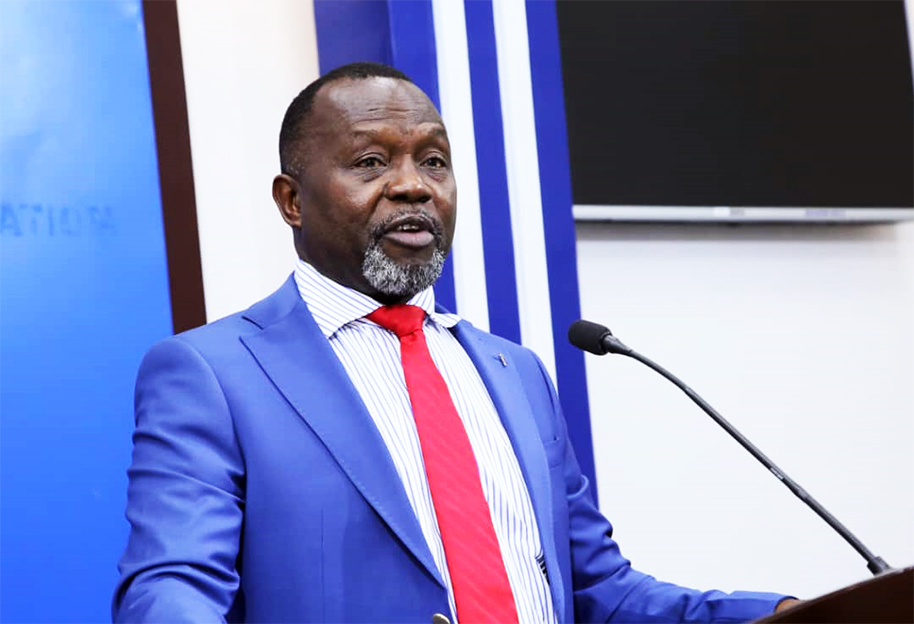
The Attorney-General and Minister for Justice, Dr. Dominic Ayine, has swiftly responded to the Court of Appeal’s acquittal of former MASLOC CEO Sedina Tamakloe Attionu by filing an urgent application for a stay of execution, seeking to keep the judgment in abeyance pending an appeal at the Supreme Court. The application, filed on Thursday, July 30, came just hours after the Court of Appeal unanimously overturned Attionu’s conviction and 10-year prison sentence, ordering her acquittal and discharge on all charges. The Attorney-General is urging the Court of Appeal’s Criminal Division in Accra to suspend its judgment until the Supreme Court rules on the state’s appeal. Principal State Attorney Hilda W. Craig filed the motion, supported by an affidavit from Assistant State Attorney Andrew Owusu-Agyemang. The affidavit recounts Attionu’s legal journey: arraigned before the High Court in February 2019 on charges including stealing and causing financial loss to the state, she left Ghana during her trial, leading to her conviction in absentia in April 2024 and a 10-year sentence with hard labour. Attionu appealed her conviction in February 2026 while still abroad, but was extradited from the United States in June 2026 after a Nevada federal court approved her return. She began serving her sentence upon arrival in Ghana. However, on July 30, 2026, a three-member Court of Appeal panel set aside her convictions, finding that the prosecution failed to prove its case beyond reasonable doubt and emphasising the constitutional presumption of innocence. Challenging the acquittal, the Attorney-General argues that the Court of Appeal’s decision resulted in a substantial miscarriage of justice, citing material errors of law and fact. The affidavit asserts that the Republic’s Supreme Court appeal raises substantial and arguable grounds with a real likelihood of success. The Attorney-General warns that failing to grant a stay could render the appeal ineffective if Attionu’s acquittal is allowed to stand before the Supreme Court rules. The application asks the Court of Appeal to suspend its July 30 judgment until the Supreme Court delivers a final decision. Court documents indicate that the application has been served on the Registrar of the Court of Appeal’s Criminal Division, Attionu at Nsawam Medium Security Prison, and the Director of the Ghana Prisons Service at Nsawam. Attionu originally faced 78 charges, including conspiracy to steal, causing financial loss to the state, and money laundering. She was convicted in absentia in April 2024, but the appellate court’s ruling has now been challenged by the Attorney-General, who remains confident that the Supreme Court will overturn the acquittal. Source: Apexnewsgh.com
Speaker Bagbin Assures Chief Imam of Reconsideration and Swift Passage of Anti-LGBTQ Bill
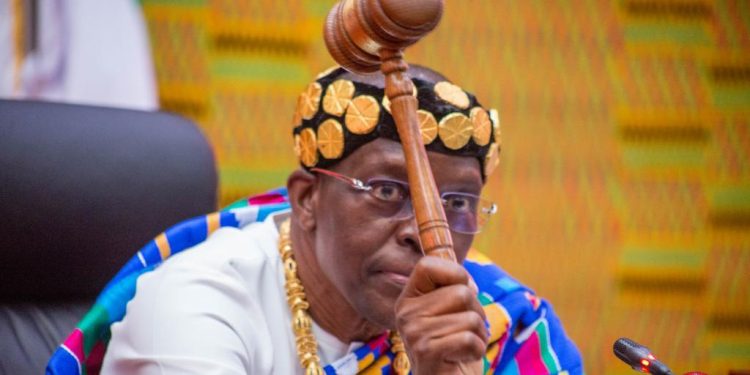
Speaker of Parliament, Alban Bagbin, has assured the National Chief Imam that the Human Sexual Rights and Family Values Bill, popularly known as the anti-LGBTQ bill, will be reconsidered and passed again before Parliament goes on recess. The assurance was given during a visit to the Chief Imam on Thursday, July 30, 2026. Bagbin revealed there is even a strong possibility that the bill could be passed as soon as Friday, July 31. He explained that his dissatisfaction with the sentencing provisions in the current form of the bill has led him to call for its reintroduction for further scrutiny and refinement of three specific clauses. “I have gone through it and I am not happy with the sentencing regime, the sanctions because I think it did not reflect what you conveyed to me as my fathers. That is why I called for it to be reintroduced at the end so that we just tweak and refine those clauses, they are only three, to make it better,” Bagbin shared. He added that President Akufo-Addo is in total agreement with the need for the bill’s further review and swift passage. Bagbin also urged Ghanaians to ignore any attempt to politicize the bill’s passage, stating, “There is no politics in it at all. Anybody trying to do politics just disregard that. Both Muslims and Christians agree, even the non-believers agree, that this one if we don’t pass it then we are acting against the decree of God.” The Human Sexual Rights and Family Values Bill, 2025, was initially passed on May 29, 2026, after a series of amendments. The revised law exempts lawyers who provide legal advice or representation to LGBTQ persons, as well as journalists and media organizations reporting professionally on LGBTQ matters. Medical professionals offering services such as surgery, psychological care, or counseling to LGBTQ persons are also protected from sanctions under the bill. Despite opposition from the Minority Caucus, who argued the previous draft contained significant flaws, Parliament approved the bill, subject to final constitutional processes. The Speaker’s renewed commitment signals that Parliament is determined to finalize the bill’s passage before the upcoming recess. Source: Apexnewsgh.com
Government Endorses Five-Year Term for President and Parliament in Major Constitutional Reform Proposal
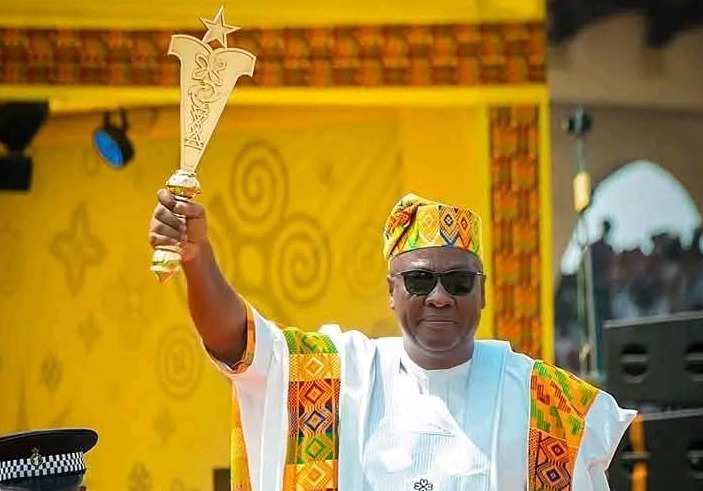
The government has formally endorsed a recommendation to extend the tenure of both the president and parliament from four to five years, signaling a significant shift in Ghana’s political landscape. The announcement came as Attorney General and Minister for Justice, Dr. Dominic Ayine, presented the government’s White Paper on the Constitutional Review Committee’s recommendations. According to Dr. Ayine, the decision to lengthen the term of office is rooted in the practical challenges faced by successive administrations. “The government has accepted a recommendation to extend the term of office of the president from four years to five years, with the term of Parliament extended to correspond with this,” he stated. Dr. Ayine explained that the current four-year cycle leaves little room for governments to make a meaningful impact. “Under the current four-year cycle, the early months of every administration are consumed by transition matters, and the final year is largely consumed by elections. A five-year term provides a more realistic time frame for the formulation, implementation and assessment of government policy,” he noted. The Attorney General also revealed that the government had accepted in principle the proposal to lower the minimum age for presidential candidates, though with an adjustment. The Constitutional Review Committee had recommended reducing the minimum age from 40 to 30 years, but the government has settled on 35 years. “The minimum age will be 35 years, not 30 years. And of course, the details of this will be fashioned out by the Constitutional Review,” Dr. Ayine said. These proposed changes form part of a broader constitutional review process aimed at strengthening Ghana’s democratic governance and ensuring that future administrations have adequate time and opportunity to deliver on their mandates. Source: Apexnewsgh.com