
EOCO Links Dennis Miracles Aboagye’s Arrest to GH¢55 Million Financial Probe
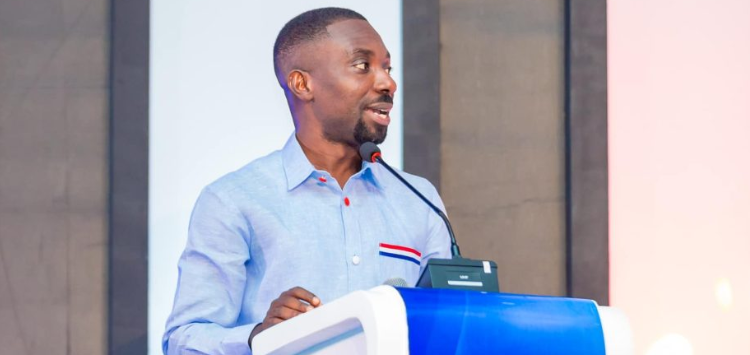
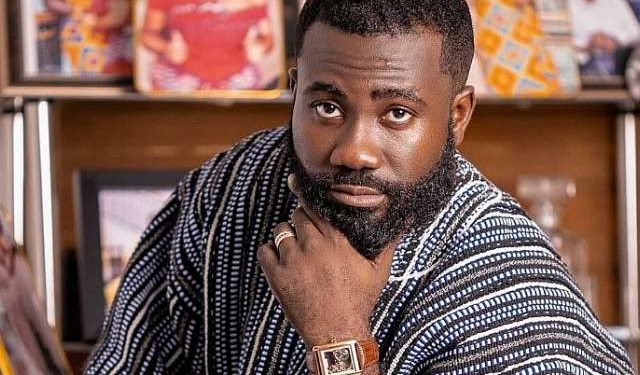
The Economic and Organised Crime Office (EOCO) has revealed that the recent arrest of Dennis Miracles Aboagye, former Executive Secretary of the Inter-Ministerial Coordinating Committee on Decentralisation (IMCCoD), is connected to alleged financial and procurement-related irregularities involving approximately GH¢55 million. Aboagye was arrested along with Gerald Appiah, the former accountant of the IMCCoD Secretariat, following ongoing investigations into suspected misappropriation, misapplication, diversion, and theft of public funds at the Secretariat. EOCO’s statement, issued on Monday, July 13, 2026, explained that the probe was initiated after the current Executive Secretary of IMCCoD petitioned for further inquiries into a forensic audit covering August 1, 2022, to February 2, 2025. According to EOCO, Aboagye, Appiah, and others are being investigated for offences including conspiracy to steal, using public office for profit, causing financial loss to the State, fraud, and money laundering. EOCO stated that Aboagye was arrested after new findings emerged last week regarding suspected fraud and theft. The agency noted that Aboagye was already aware of the investigation and had previously visited EOCO. He was placed on a stop order a week prior to his arrest but had left the country. Upon his return at the Accra International Airport on Saturday, July 11, Immigration officers executed the stop order and handed him over to EOCO investigators on Sunday morning. Aboagye subsequently accompanied EOCO officials on a search operation, which is ongoing. EOCO confirmed that he would be granted bail according to Ghanaian law. Appiah is also expected to complete bail procedures and be released as investigations continue. EOCO disclosed that Appiah has voluntarily begun refunding funds linked to the alleged offences but clarified that such recoveries do not conclude the investigation or absolve suspects of wrongdoing. The agency assured the public that investigations would be conducted professionally and impartially, with respect for the constitutional rights of all involved. Source: Apexnewsgh.com
Okatakyie Kwame Afrifa Mensah Hospitalised Under Police Guard After Election Disturbances
Police in the Ashanti North Region have confirmed that media personality Okatakyie Kwame Afrifa Mensah and another suspect, Osman Awuni, are under police guard at the Mampong Government Hospital following disturbances during the New Patriotic Party’s (NPP) Ejura Sekyedumase East Constituency executive elections at Wiamoase. According to a statement from the Ashanti North Regional Police Command on Monday, July 13, both Afrifa Mensah, 43, and Awuni, 44, complained of ill health after their arrest on Sunday, July 12, and were admitted for treatment. “The two suspects remain under police guard while receiving treatment. Investigations are ongoing, and the public will be updated on any further developments,” the statement said. Afrifa Mensah was arrested with six others after a violent disruption at the SDA Church polling station, where the constituency elections were taking place. Police allege that at about 7:45 a.m., Afrifa Mensah led about 30 men to the polling station. When questioned by security personnel, the group allegedly became aggressive, attacked police officers, and disrupted the process by throwing electoral materials on the ground. The remaining members of the group reportedly fled, and police say efforts are ongoing to apprehend them. Preliminary police investigations revealed that Afrifa Mensah claimed some of his supporters had been sidelined in the electoral process and that he had secured an interlocutory injunction to halt the elections. However, police and the Electoral Commission reported that no such court order or injunction had been received. Calm was eventually restored after police intervention, allowing voting to continue under tight security. The election ended peacefully at about 4:00 p.m., with the Electoral Commission duly declaring the results. The Ashanti North Regional Police Command has assured the public that investigations are ongoing and further updates will be provided as the case progresses. Source: Apexnewsgh.com
NPP to March to EOCO Over Arrest of Dennis Miracles Aboagye
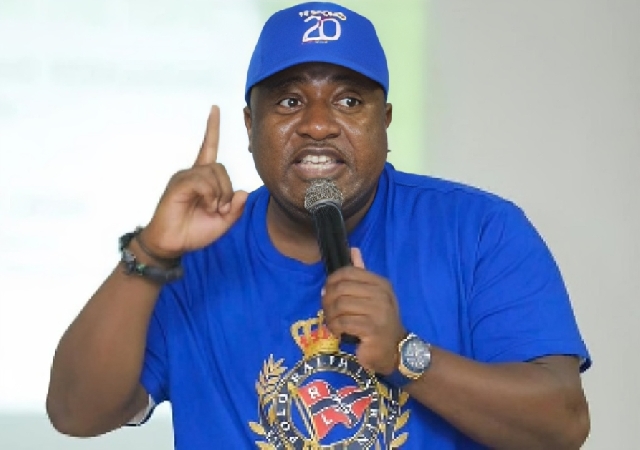
The National Organiser of the New Patriotic Party (NPP), Henry Nana Boakye, has announced that the party will march to the Economic and Organised Crime Office (EOCO) on Monday, July 13, to demand answers regarding the arrest of Dennis Miracles Aboagye. Nana Boakye stated that the demonstration aims to seek clarity on the circumstances of Miracles’ arrest, which the party views as an attempt to intimidate opposition members. Speaking to the media, he alleged that Miracles was detained without any prior invitation or notice from EOCO about an investigation or alleged misconduct. He voiced concern over what he called the growing use of state institutions to harass political opponents, arguing that such tactics threaten Ghana’s democratic values. “Miracles has not received any invitation from EOCO. He has not been informed of any wrongdoing. He has not been told that he is under any form of investigation,” Nana Boakye said. He emphasized that while the NPP supports accountability and will cooperate with legitimate investigations involving its members, due process must be observed. His remarks follow a Facebook post by the NPP’s General Secretary, Justin Kodua Frimpong, who claimed that Dennis Miracles Aboagye was arrested by EOCO officers, assisted by Immigration officials, at the Accra International Airport. The post indicated that Miracles’ lawyers have been denied access to him, his whereabouts are unknown, and no charges have been filed. As of publication, EOCO had not publicly commented on the arrest or responded to the allegations from the NPP. Source: Apexnewsgh.com
Okatakyie Afrifa Mensah Remains in Police Custody After Arrest at NPP Elections
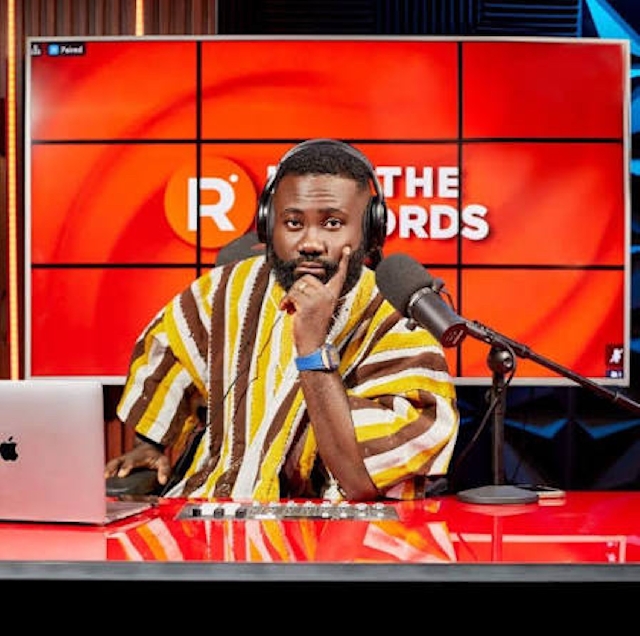
The communications team of broadcaster and political commentator Okatakyie Afrifa Mensah has confirmed that he remains in police custody at the Asante Mampong Divisional Police Command following his arrest on Sunday. In a statement titled “For The Records” and shared by the team, it was revealed that Afrifa was arrested at about 7:40 AM. According to the team, Afrifa’s family, lawyers, and campaign team were not informed of his whereabouts for several hours after the arrest, causing anxiety among his supporters. He was eventually transferred to the Asante Mampong Divisional Police Command around 5 PM, where he remains in custody pending what the team described as “further lawful processes.” The communications team clarified that Afrifa was accompanied by peaceful, unarmed supporters and denied allegations of his involvement with any vigilante group. The statement also alleged that four members of Afrifa’s team sustained severe gunshot injuries during the incident and are currently receiving treatment. The team urged supporters and the public to remain calm and law-abiding, expressing confidence that due process would be followed. Further updates, they said, would be communicated through Afrifa’s legal representatives and authorised spokespersons. Background Okatakyie Afrifa Mensah was arrested during disturbances at the New Patriotic Party (NPP) constituency executive elections in Afigya Sekyere East, where violence broke out. Reports indicate that Afrifa had gone to the election venue to present a court injunction to halt the process over concerns about the delegates’ register. The situation escalated into chaos, prompting police intervention and his subsequent arrest. Afrifa is also reported to have intentions to contest for the parliamentary seat in the Afigya Sekyere East constituency. Source: Apexnewsgh.com
NPP Alleges Arrest of Dennis Miracles Aboagye by EOCO
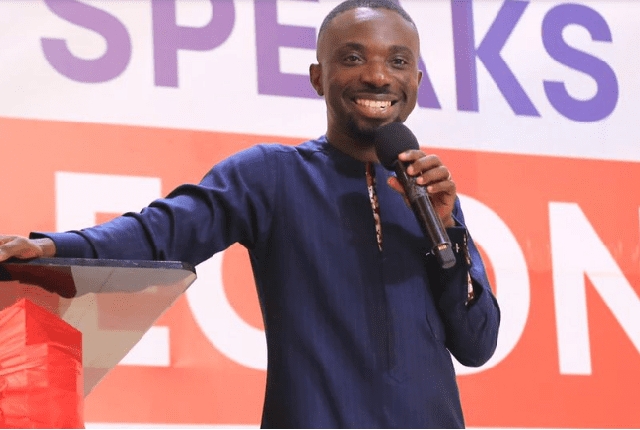
On Sunday, July 12, 2026, the New Patriotic Party (NPP) claimed that Dennis Miracles Aboagye, a member of its communications team, was arrested at the airport by officials from the Economic and Organised Crime Office (EOCO), with assistance from the Ghana Immigration Service. The party’s General Secretary, Justin Frimpong Kodua, made these allegations in a statement released on social media. According to the NPP, Mr. Aboagye was taken into custody, and, as of publication, EOCO had not released an official statement or clarified the reason for the arrest. The party further alleged that lawyers had been denied access to Mr. Aboagye and that his whereabouts were unknown. No charges had been filed against him. Mr. Kodua described the incident as “intimidation,” suggesting that the arrest was politically motivated, especially since Mr. Aboagye recently announced his candidacy for National Communications Officer. He highlighted Mr. Aboagye’s outspoken criticism of the government, particularly on issues like galamsey and the administration’s record. The NPP has demanded Mr. Aboagye’s immediate release and called for him to be granted access to legal counsel and his family, citing Article 14(2) of the 1992 Constitution. The party also urged the government to end what it described as a pattern of politically motivated arrests targeting opposition members. Source: Apexnewsgh.com
President Mahama Leads Tse Addo in National Clean-up Drive to Combat Flooding
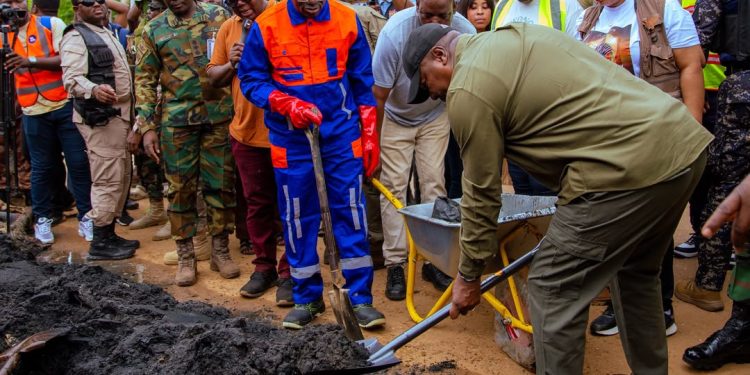
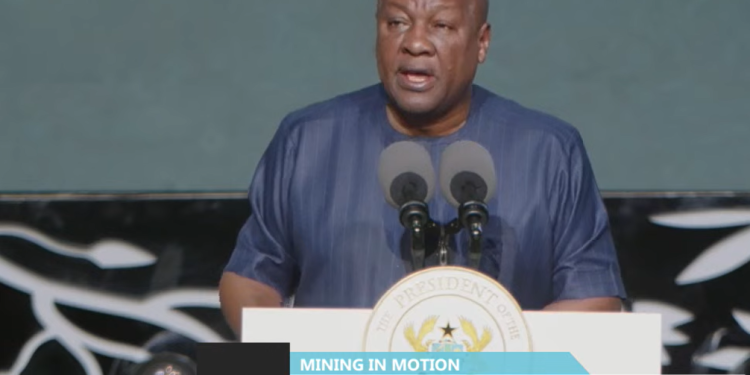
On Friday, July 10, President John Dramani Mahama rolled up his sleeves and joined the residents of Tse Addo in the Greater Accra Region for the National General Clean-up Exercise. In a powerful show of leadership by example, the President personally took part in desilting a clogged drain, a critical step toward improving local sanitation and reducing the threat of flooding. President Mahama’s visit began with a briefing from local assembly officials on the ongoing clean-up operations. Without hesitation, he joined community members, security personnel, and other stakeholders in clearing refuse and removing silt from the area’s drainage channels. His presence energized the crowd and reinforced the importance of community participation in the fight against poor sanitation. Addressing the participants, the President expressed his appreciation for the residents’ strong turnout and commitment. “I want to use this opportunity to thank all the residents who have come out to help with this exercise. Clearly, we can see what the cause of our problem is. We’ve just desilted this. Look at the plastics that we are taking out of it,” President Mahama remarked, gesturing at the piles of plastic waste that had choked the drains. He noted that the sheer volume of silt and plastic waste removed was a stark reminder of how years of neglect and inadequate maintenance had compromised the drainage system, making the area more vulnerable to floods. The President highlighted the need for better waste disposal habits and regular drainage maintenance to protect communities from future disasters. President Mahama also cautioned against leaving dredged silt by the roadside after clean-up exercises, warning that rains could simply wash the debris back into the drains, undoing the hard work of volunteers. He commended the involvement of the military and security services, assuring residents that these teams would continue to dredge major waterways to improve water flow into wetlands. The National General Clean-up Exercise, organized by the Post-Flood Mitigation Committee, is a government-led response to the devastating June 29 floods. The two-day, phased operation targets seven flood-affected regions across Ghana. On the first day, security services, Metropolitan, Municipal and District Assemblies (MMDAs), and waste management companies take the lead, while the second day is reserved for broad public participation. President Mahama’s hands-on involvement in Tse Addo not only inspired those present, but also sent a strong message nationwide: tackling flooding and improving sanitation is a shared responsibility, requiring both leadership and active participation from every citizen. Source: Apexnewsgh.com
Minister Commends Ghanaians for Unity and Leadership in National Flood Cleanup Exercise
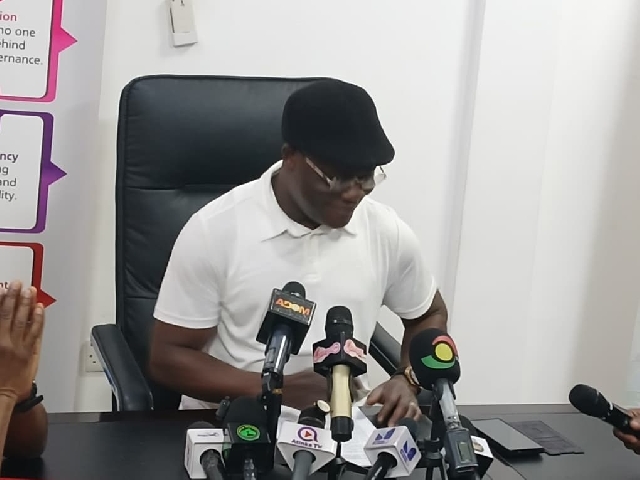
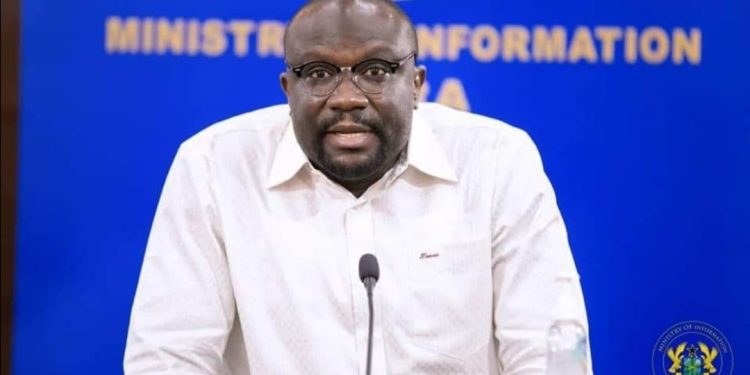
After devastating floods swept through parts of Ghana, a remarkable spirit of unity emerged across the nation. Over two days, Ghanaians from all walks of life rolled up their sleeves in response to President John Dramani Mahama’s directive for a national flood aftermath cleanup exercise. The massive turnout and dedication did not go unnoticed. At a press conference held to reflect on the exercise, the Minister for Local Government, Chieftaincy and Religious Affairs, Hon. Ahmed Ibrahim, praised the people of Ghana for their collective effort and strong leadership. “If Ghanaians want to do something, we can do it,” he declared, pointing to the impressive results achieved when citizens unite for a common cause. He also commended the various political parties for their outstanding participation, underlining the non-partisan nature of the exercise. The Minister extended his gratitude to President Mahama for initiating the exercise, as well as to Vice President Prof. Jane Naana Opoku-Agyemang, who set an example by personally joining the cleanup in the markets and overseeing the desilting of gutters. He recognized the Speaker of Parliament, Rt. Hon. Kingsford Alban Bagbin, who suspended Parliament so that Members of Parliament could participate alongside Metropolitan, Municipal and District Chief Executives (MMDCEs), traditional leaders, and queen mothers. Hon. Ahmed Ibrahim also highlighted the tireless work of Chief Directors, Ministers, Deputy Ministers, and ministry staff who worked late into the night to ensure logistics were in place. The exemplary participation of the Military, Police, Fire Service, Immigration, and Prisons Service, as well as the private sector’s contribution of trucks and equipment to clear debris, was applauded. “Every ministry, every office, every institution, everybody was involved, and this is an all-inclusive clean-up exercise,” he emphasized. The Minister described scenes of unity, where people from all political backgrounds, including the bodyguards of both former and current presidents, worked side by side. To ensure the cleanup effort’s success, Hon. Ahmed Ibrahim announced that key waste facilities would remain open 24/7 for two days, with free disposal at locations such as the Achimota, Ashaiman, Pantang, and Teshie Waste Transfer Stations, among others. He encouraged all residents and waste collectors, including those using tricycles, to take full advantage of the free service, urging, “Don’t keep waste in your dustbins in your houses today and tomorrow.” He cautioned MMDCEs not to close their offices early and to ensure that all desilted gutters and sand piles are cleared promptly. The Minister also reminded the Executive Chairman of Jospong Group of Companies to uphold a commitment to clear specific waste heaps by Sunday. Hon. Ahmed Ibrahim concluded with a strong message: sanitation and cleanliness are a shared responsibility. “Our participation has been outstanding. Let us continue in that mode,” he said, encouraging Ghanaians to maintain the momentum and avoid dumping waste at unauthorized sites. The national cleanup effort, marked by unity and determination, stands as a testament to the collective power of Ghanaians working together for a cleaner and safer environment. Source: Apexnewsgh.com
We are solidly in support of President Mahama’s Decision–Alagumgube
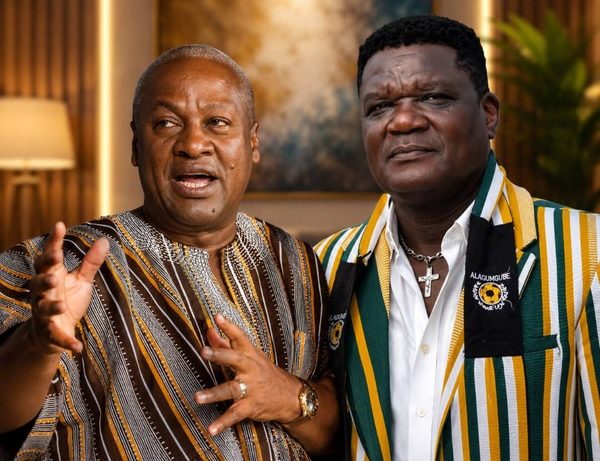
The leader of the Alagumgube Association, Mr. Gabriel Agambila, has voiced strong support for the President John Dramani Mahama’s decision to decline a visit from South African President Cyril Ramaphosa. According to Mr. Agambila, this move sends a clear message about the need for accountability in the wake of xenophobic violence committed by South Africans against other Africans, including Ghanaians. Mr. Agambila made his remarks following public commentary by Kwesi Pratt Jr., managing editor of the Insights newspaper. Mr. Pratt, speaking on Metro TV’s Good Morning Ghana on July 8, 2026, criticized the Ghanaian government’s handling of diplomatic discussions with South Africa. He argued that the public disclosure of confidential exchanges between the two governments was damaging to the ideals of African unity and detrimental to Ghana’s diplomatic reputation. “The optics are bad,” Mr. Pratt said, emphasizing that international relations rely on trust and that sensitive discussions should not be leaked into the public domain. In contrast, Mr. Agambila insisted there was nothing wrong with the President’s decision. He argued that President Ramaphosa had failed to address or curb the xenophobic actions of his countrymen, instead appearing indifferent or even supportive by being seen taking pictures with those perpetrating the violence. For Mr. Agambila and the Alagumgube Association, the refusal to welcome President Ramaphosa is a principled stand. “If he truly valued other African countries such as Ghana, he would know what to do to his people who took laws into their own hands by killing innocent Africans just because they find themselves in South Africa,” Mr. Agambila asserted. The leader concluded that the Alagumgube Association stands firmly behind the President’s choice, believing it upholds both the dignity and safety of Ghanaians and sends a strong message about the importance of leadership and responsibility on the African continent. Source: Apexnewsgh.com
NPP Sets September 19, 2026, for National Delegates Conference to Elect National Officers

The New Patriotic Party (NPP) has announced that its National Delegates Conference, during which national officers will be elected, will take place on Saturday, September 19, 2026. The announcement was made in a statement dated July 8, 2026, and signed by the party’s General Secretary, Justin Kodua Frimpong. According to the statement, delegates will elect national officers in line with Article 10(1) of the NPP Constitution. The date was set by the National Executive Committee (NEC) and later approved by the National Council following meetings held on Thursday, June 25, 2026. Ahead of the conference, the General Secretary, exercising powers under Article 19(2) of the party’s constitution, has called for proposals to amend the NPP Constitution. Members and stakeholders are encouraged to submit their proposed amendments electronically to the Office of the General Secretary at nppconstitutionalamendment@gmail.com by Friday, July 17, 2026. The party urged all members and stakeholders to participate actively in the constitutional review process, emphasizing that their contributions will help strengthen the party’s structures, improve internal democracy, and promote effective governance. The statement concluded by reaffirming the NPP’s commitment to constitutionalism, internal democracy, and the rule of law, as preparations for the National Delegates Conference continue. Source: Apexnewsgh.com
Attorney-General Seeks to Overturn Travel Order for Former Buffer Stock CEO Amid New Allegations
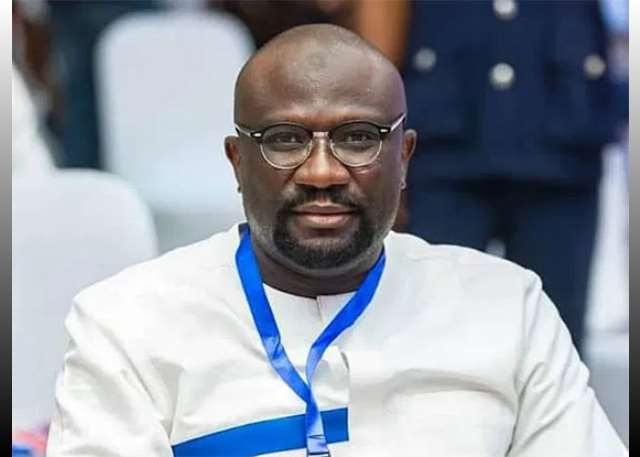
The Attorney-General has filed an application at the High Court seeking to overturn an earlier order that allowed former National Food Buffer Stock Company CEO, Hanan Abdul-Wahab Aludiba, to travel to the United Kingdom for medical treatment. This latest application comes in light of alleged new developments, including an attempt by Mr. Aludiba to access funds in bank accounts frozen by the Economic and Organised Crime Office (EOCO). According to an update from Operation Recover All Loot (ORAL), the Attorney-General contends that this new information may impact the basis on which the travel approval was granted by the court on June 29. An affidavit supporting the application alleges that Mr. Aludiba sought to use an order from another High Court, relating to a separate matter, to access funds covered by valid freezing orders. The prosecution argues that such actions would contravene the Economic and Organised Crime Office Act, 2010 (Act 804), which prohibits transactions involving frozen assets. The financial institution involved in the attempted withdrawal reportedly declined the request and promptly informed the relevant authorities. The Attorney-General’s Office noted that this development occurred shortly before Mr. Aludiba was due to travel, raising concerns about compliance with court orders and the integrity of ongoing criminal proceedings. Meanwhile, Mr. Aludiba was recently granted bail by EOCO following his arrest in connection with the case. The Attorney-General emphasized that the new application is a standard legal response to emerging facts after a court decision and does not prejudge the outcome of the substantive case. Mr. Aludiba, who is currently on trial with another accused person in the Buffer Stock case, remains presumed innocent until proven guilty by a competent court. Source: Apexnewsgh.com