
EU Envoy Urges Ghana to Sustain Stability and Attract More European Investment
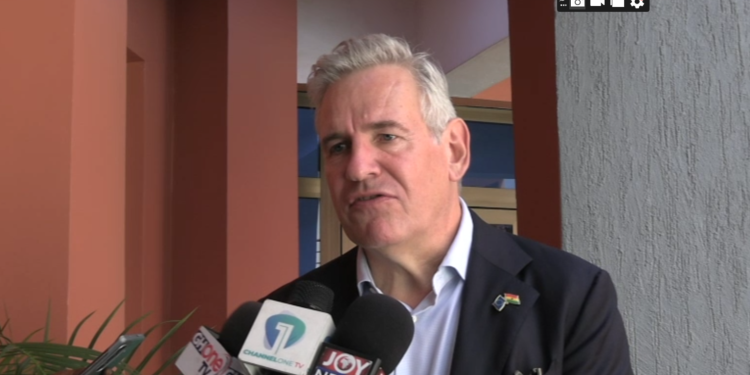
The European Union (EU) Ambassador to Ghana, Rune Skinnnebach, has called on Ghana to maintain its strong record of economic and political stability, emphasizing that such efforts are key to attracting more European investors and strengthening Ghana’s reputation as a top investment destination in West Africa. Speaking at a Career Service Centre programme for young people at the Kwame Nkrumah University of Science and Technology (KNUST) on Thursday, May 14, 2026, Ambassador Skinnnebach highlighted Ghana’s current stability as a positive signal for investors. However, he cautioned that upholding investor confidence would require continued economic reforms and good governance, especially during election periods, when uncertainty can be heightened. The ambassador warned that instability in the Sahel and neighbouring countries could pose risks to Ghana’s peace and security. Against this backdrop, he reaffirmed the European Union’s commitment to supporting Ghana’s democratic stability and ongoing development. Ambassador Skinnnebach also underscored the importance of democratic freedoms, encouraging Ghanaians to use these rights to hold leaders and public institutions accountable. He urged Ghana to leverage the EU’s Global Gateway Investment Package for Africa, which has mobilized 150 billion euros since 2022, to secure greater development financing and attract strategic investments. “This is a huge amount, of course. It’s a merger of traditional development financing, international financial institutions’ financing, and private sector investments,” he explained. The ambassador pointed out that the European Union remains Ghana’s largest investor, top export market, and leading development partner. However, he stressed that continued investment would depend on Ghana’s ability to offer an attractive, stable business environment. “It has to make sure that it has the required political and macroeconomic stability, that they have the business-friendly climate, that they have the functioning infrastructures, that make the legal frameworks, that makes itself attractive for European investors,” he stated. “If that is in place, then the European investors will come. If it’s in place, but not as good as in neighbouring countries, then the European investors will go to neighbouring countries.” Ambassador Skinnnebach’s message was clear: Ghana’s future as a regional investment leader hinges on its commitment to stability, reform, and accountability. Source: Apexnewsgh.com
Dr. Bawumia Rallies NPP Youth for 2028 Leadership and Victory

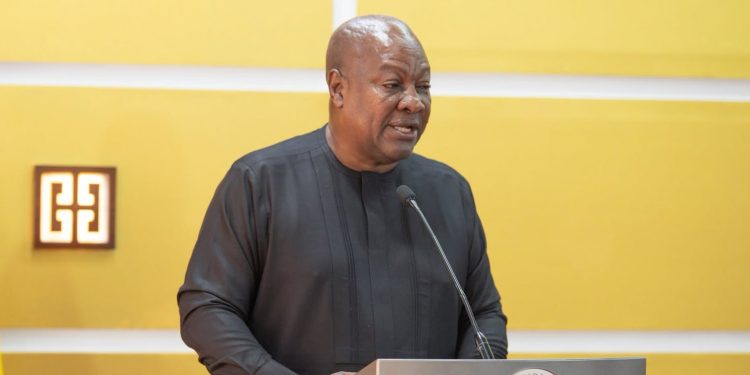
The Flagbearer of the New Patriotic Party (NPP), Dr Mahamudu Bawumia, has called on the party’s youth wing to prepare for leadership and work tirelessly towards winning back power in the 2028 general elections. Dr. Bawumia delivered this rallying message during a meeting with student leaders ahead of a three-day boot camp organised by the party on Wednesday, May 13, 2026. He explained that the training programme was designed to empower young party members with the skills and experience needed to take up key leadership roles in the future. “I want you to be assured that this training program is for your benefit because we want the youth to take key leadership positions,” Dr. Bawumia told the gathering. “And we cannot get you into key leadership positions if we don’t prepare you for the uptake of these leadership positions.” Confident about the NPP’s chances in 2028, Dr. Bawumia stressed the importance of early organisation and mobilisation. “2028, Inshallah, it is going to happen in 2028. It is possible. It is possible. And we are going to work towards it,” he declared, emphasizing that victory would not come by chance but through determined preparation. He underscored the decisive role the youth would play in the next election, just as they did in 2024, making student engagement and leadership development a central part of the party’s campaign strategy. “The youth will take over the key positions as we move forward in this country. You know that the vote is largely youth-dominated. 2028, as it was in 2024, will be a youth-dominated election,” he noted. Dr. Bawumia also announced plans to deepen the party’s engagement with the Tertiary Students Confederacy of the New Patriotic Party (TESCON), promising to visit several campuses in the coming years to share the party’s ideas and vision. “We will take the debate, the ideas to the country, and we will make our case,” he said. Addressing the issue of political pressure, Dr. Bawumia insisted that the NPP would not be intimidated. “We are, however, saying that we will not be intimidated. You can arrest all of us. We will come back and make our case to the people of Ghana,” he asserted. He concluded by urging the student leaders to stand united behind the party’s efforts and seize the opportunities offered by the training programme. Source: Apexnewsgh.com
NPP Bono Regional Chairman Abronye DC Remanded Amid Misinformation Probe
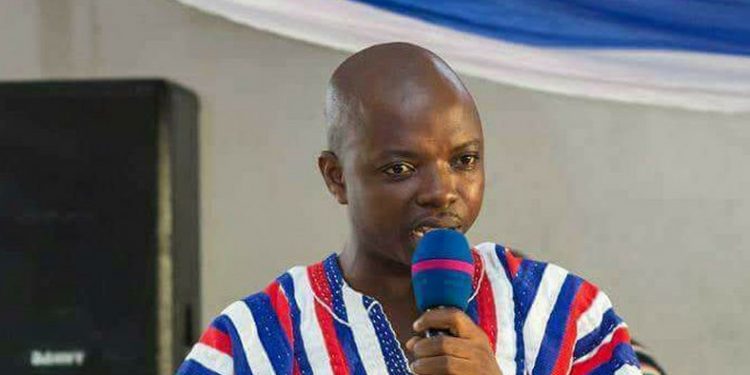
The Bono Regional Chairman of the New Patriotic Party (NPP), Kwame Baffoe, popularly known as Abronye DC, has been remanded in custody for two weeks as authorities pursue ongoing investigations into allegations of misinformation and offensive public statements. Abronye DC’s latest arrest took place on Wednesday, May 13, 2026, coming just weeks after he was granted bail following a previous arrest related to the same matter. His initial detention occurred on Monday, April 13, when he was picked up by security officials amid allegations of offensive conduct, false publication, and making statements considered likely to incite fear and panic among the public. After his first arrest, Abronye DC was released on bail while investigations continued. However, with authorities intensifying their probe, the outspoken regional chairman was rearrested as part of broader efforts to curb the spread of alleged misinformation and inflammatory public remarks that could disturb public order. Details surrounding Abronye DC’s most recent arrest remain scarce, with officials yet to clarify the specific circumstances or confirm whether new charges will be brought against him. Sources close to the investigations suggest that the case underscores a renewed crackdown by security agencies on the dissemination of false information and provocative commentary in the public space. Source: Apexnewsgh.com
NDC Deputy General Secretary Urges Calm After Internal Communications Controversy
In the wake of a heated debate within the National Democratic Congress (NDC), Deputy General Secretary Mustapha Gbande has stepped forward to ease tensions and promote unity among party supporters. The controversy erupted after comments made by Gbande’s junior officer, Eric Adjei, were interpreted by some as targeting a senior party member, sparking internal backlash and public debate. In a statement addressing the matter, Mr. Gbande described Eric Adjei as a “favourite junior officer” and argued that the situation had been blown out of proportion. He appealed to party members to avoid internal rifts that could distract from the NDC’s broader goals. Gbande clarified that his original engagement aimed to discuss structural challenges facing the party’s grassroots, not to single out any individual or focus on jobs or financial concerns. “No specific individuals were mentioned,” he stressed, explaining that the intent was to spotlight systemic issues, not ignite personal disputes. The Deputy General Secretary revealed that he had privately cautioned Adjei over what he termed a lapse in public communication, and noted that Adjei had acknowledged the concern. Gbande went on to defend Adjei’s record, describing him as a dedicated communicator who has served the Bono Region branch of the NDC in a communications capacity since 2018. Underscoring the need for unity and coordination, Gbande urged party communicators to keep internal differences from spilling into public arguments. He called on all supporters to remain focused and avoid misinterpretations that could threaten party cohesion, reinforcing the importance of working together toward the party’s shared objectives. Source: Apexnewsgh.com
Chairman Wontumi Unveils Powerhouse Campaign Team for NPP National Chairman Race
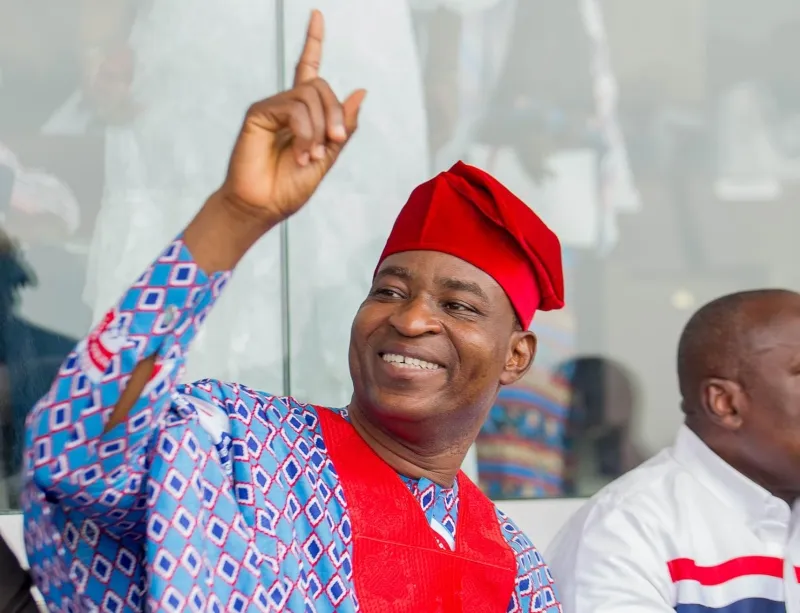
Bernard Antwi Boasiako, widely known as Chairman Wontumi, has taken a decisive step in his bid for the New Patriotic Party (NPP) National Chairman position by officially unveiling his campaign team. The announcement comes after what the Ashanti Regional Chairman described as extensive nationwide consultations, engaging party stakeholders and grassroots supporters from every corner of Ghana. At the helm of the campaign is former Sunyani East Member of Parliament and ex-Majority Chief Whip, Kwasi Ameyaw-Cheremeh, who will serve as Campaign Chairman. Supporting him as Campaign Manager is George Boahen Oduro, the former New Edubiase MP and former Deputy Minister for Food and Agriculture. The team boasts a lineup of influential NPP figures. Among them are former Deputy Minister for Lands and Natural Resources George Mireku Duker, Nhyiaeso MP and former Deputy Finance Minister Stephen Amoah, former Dome-Kwabenya MP Sarah Adwoa Safo, former Trobu MP Moses Anim, former Central Regional Minister Justina Marigold Assan, and former Ablekuma North MP Akua Afriyie. The campaign also includes former government spokesperson on Governance and Security, Palgrave Boakye-Danquah. A statement issued by campaign spokesperson David Boakye highlighted that the team’s composition is a testament to unity, inclusiveness, and the growing confidence in Chairman Wontumi’s leadership within the NPP. Chairman Wontumi expressed strong faith in his team’s ability to run a disciplined, issue-based campaign, emphasizing party unity, grassroots mobilisation, and organisational strengthening as top priorities. He further reiterated his commitment to repositioning the NPP for a resounding victory in the 2028 general elections. Source: Apexnewsgh.com
24hr Market: Prioritize Protection; Hajia Charity’s Call to President Mahama, Interior, and Defense Ministers
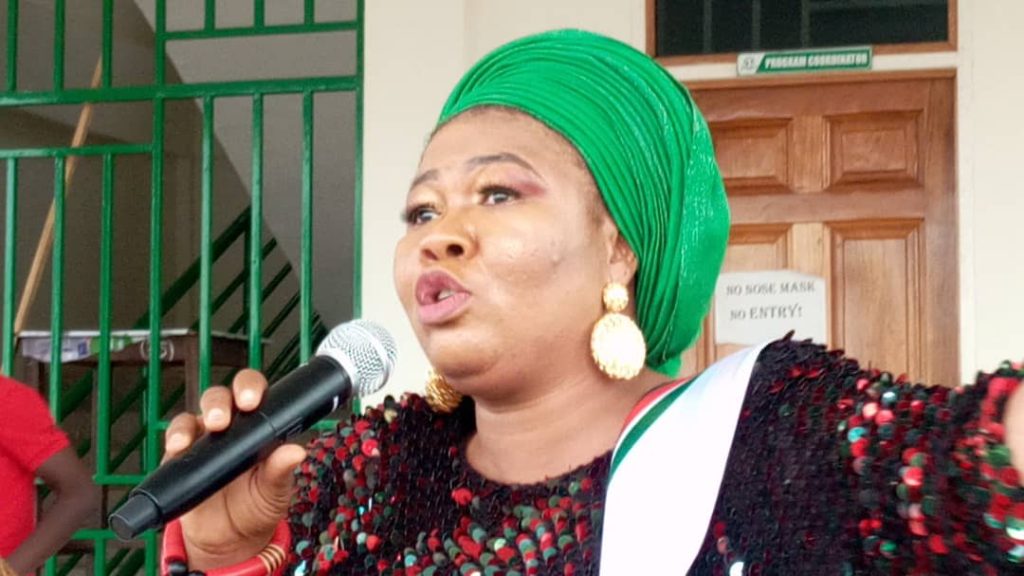
Former Upper East Regional Women’s Organizer of the National Democratic Congress (NDC), Hajia Charity Chariyam, has issued a passionate call for enhanced security measures as the government rolls out its 24-hour market initiative across the country. While the initiative has been welcomed by many, Hajia Charity, known for her courage and candid opinions, has raised an alarm over a looming danger: armed robbery. In an interview with Ngamegbulam Chidozie Stephen of Apexnewsgh, she warned that women who work late into the night face daily threats, and without proper protection, the new policy could do more harm than good. “Imagine a woman selling pepper or salt all day, only to be attacked on her way home and lose her hard-earned money,” she said. “Many of these women rely on small loans from banks or groups such as MASLOC. If robbed, they are left with nothing but debt. Their capital is already small; losing it means they cannot sustain their families or businesses.” President John Dramani Mahama has described the 24-hour market policy as a major campaign promise aimed at creating wealth in beneficiary communities. Speaking at a sod-cutting ceremony for a model market in Bimbilla in the Northern Region, he explained that the modern multipurpose markets would depart from traditional designs, offering banking services, storage, fire and security protection, restaurants, crèches, and clinics to handle traders’ emergency health needs. He assured that all 261 districts of Ghana would eventually benefit. Hajia Charity endorses the president’s vision but insists that a well-structured, round-the-clock security system must accompany it. She proposed that security personnel work in three shifts, morning, afternoon, and night, to ensure markets remain protected at all hours. Without this, she warned, the fear of robbery would only increase, discouraging traders from participating. Beyond immediate protection, she called for long-term solutions to address the root causes of crime. “It’s not just men; even women are involved in robbery out of desperation,” she noted. She urged the government and community leaders to empower the youth with jobs and skills training in trades such as welding, tailoring, and more, so that young people can earn an honest living. Offering a message of hope, Hajia Charity shared the story of some local businessmen who started small and became billionaires through perseverance and honest work. She appealed to President Mahama, the Interior Minister, and the Defense Minister to prioritize both security and empowerment. Source: Apexnewsgh.com
Alagumgube Fires Back at Greater Accra Minister Over “Northern Transfer” Comment

Popular social commentator and founder of Alagumgube Mr. Gabriel Agambila has strongly criticised Greater Accra Regional Minister Linda Obenewaa Akweley Ocloo over comments suggesting that officers who approve illegal buildings could be transferred to Northern Ghana as punishment. The minister’s remarks, made during a meeting with city authorities amid ongoing efforts to tackle unauthorized structures and poor urban planning in Accra, have sparked widespread backlash across the country. According to reports, Linda Ocloo warned that officials who continue to sanction illegal developments may be reassigned to the northern part of Ghana. Reacting sharply to the statement, Alagumgube described the comment as unfortunate and disrespectful to people living in the northern regions. He argued that portraying Northern Ghana as a place of punishment only reinforces harmful stereotypes and threatens national cohesion. “The North is not a punishment zone,” he stressed, insisting that every region in Ghana deserves equal respect and recognition regardless of geographical location or level of development. Alagumgube further called on public officials to be measured in their public comments, especially on matters capable of creating division among citizens. According to him, leadership must promote unity and inclusion rather than deepen regional sentiments through careless remarks. The controversy has since generated heated public debate, with political figures, civil society groups, and social media users condemning the minister’s statement. The Minority Caucus in Parliament also joined calls criticising the remarks and demanding greater sensitivity from government appointees. Following the growing backlash, Linda Ocloo has apologised for the comment, explaining that it was a slip of the tongue and was never intended to demean people from Northern Ghana. Despite the apology, the incident has reignited conversations about regional discrimination, national unity, and the need for public officials to exercise caution in their public communication. Source: Apexnewsgh.com
NDC Revives “Setting the Records Straight” Platform to Counter NPP Propaganda Claims
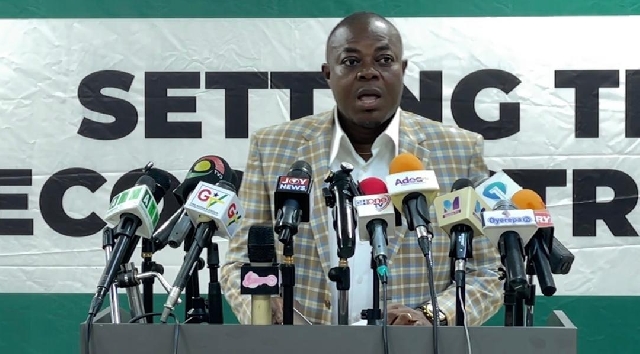
The governing National Democratic Congress (NDC) has officially re-launched its “Setting the Records Straight” platform, describing the initiative as a renewed communication strategy aimed at countering what it says is a deliberate misinformation campaign by the opposition New Patriotic Party (NPP). Addressing a press conference on behalf of the party, Deputy Communications Officer Godwin Ako Gunn said the platform was more than just a media engagement exercise, insisting it was a political responsibility to defend truth, safeguard democratic gains, and prevent propaganda from distorting public understanding of national issues. According to Mr. Gunn, the NPP had revived what he described as a “machinery of misinformation, half-baked truths, and calculated propaganda” in an attempt to reshape public perception following what the NDC called the opposition party’s poor record in government. He argued that the NPP was seeking to rewrite recent political and economic history, particularly on matters concerning Ghana’s economy and the financial performance of the Bank of Ghana (BoG). The NDC traced the origins of the “Setting the Records Straight” platform to the early 2000s when, according to the party, the then-incoming NPP administration under former President John Agyekum Kufuor attempted to downplay and distort the achievements of former President Jerry John Rawlings’ administration through sustained propaganda. The party said the current political climate bears similar characteristics, making it necessary to revive the platform as a corrective communication tool. As part of its defence of previous NDC administrations, the party highlighted several projects it described as significant national achievements. These included the construction of more than 200 Community Day Senior High Schools, popularly known as E-blocks, Terminal 3 of the Accra International Airport, and the expansion of the Kumasi Airport. The NDC maintained that these accomplishments were overshadowed during the 2016 election campaign by what it termed fabricated stories and politically motivated narratives surrounding issues such as “dumsor,” the “Amina Mohammed Yutong bus saga,” and “Nkomfem flights.” Mr. Gunn claimed that similar propaganda tactics were now being used against the current NDC administration, particularly in relation to its economic policies and state institutions. A major focus of the press conference was the ongoing debate over the Bank of Ghana’s 2025 financial results. The NDC dismissed claims by the NPP that the central bank had recorded a GHS44 billion loss, describing the allegation as “unsubstantiated and pure propaganda.” Instead, the party argued that the reported GHS15.6 billion loss reflected deliberate intervention measures implemented by the central bank to stabilise the economy. According to the NDC, the Bank of Ghana’s policy actions had contributed to improving macroeconomic indicators, including declining inflation, a stronger cedi, reduced cost-of-living pressures, and better debt sustainability. The party further accused the opposition of attempting to undermine public confidence in state institutions by portraying the central bank’s interventions as reckless financial losses. The occasion was also used to rally party executives and government appointees to remain united and disciplined as the NDC intensifies its communication efforts. Mr. Gunn urged regional, constituency, and branch executives to ensure that ongoing reorganisation efforts strengthen rather than divide the party. He announced that the “Setting the Record Straight” platform would now operate as a continuous and institutionalised communication mechanism for the NDC. “We will speak. We will correct. We will defend the truth, every single day,” Mr. Gunn declared. Source: Apexnewsgh.com
Alagumgube Founder Pleads with President Mahama to Rethink 24-Hour Economy
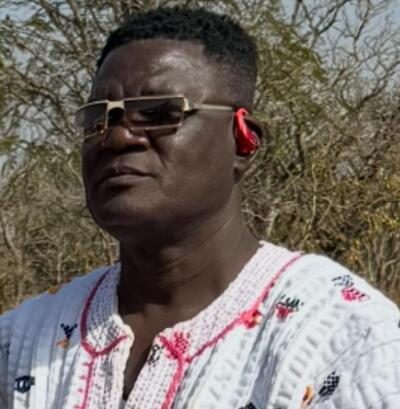
As Ghana prepares for a potential shift to a 24-hour economy, Alagumgube Founder is urging the president to pump the brakes, at least for the northern regions. Mr. Gabriel Agambila, Founder of Alagumgube, has made a passionate appeal to President John Mahama to reconsider specific aspects of the proposed 24-hour economy policy. Speaking from his observations after spending one year away from the diaspora and returning home, Agambila warns that what works in theory may clash sharply with local realities. According to Mr. Agambila, Bolgatanga, the capital of the Upper East Region, effectively shuts down soon after nightfall. “Only a few shops are open past 8 pm,” he noted. He pointed out that even the main market in the regional capital already experiences significant armed robbery during daylight hours. “The situation is alarming during the day,” Agambila said. “So you can imagine what would happen at night in a 24-hour market.” He raised concerns that such markets would likely be located on the outskirts of town, assuming district assemblies can even acquire suitable land for that purpose. Drawing on northern traditions, Agambila explained that in many households, once the main gate is closed at night, no one is permitted to leave. “Even young men, the head of the house has to enter through a ladder at the back of the house,” he described. Beyond tradition, he painted a grim picture of potential consequences: Women would be the primary patrons of night markets, making them vulnerable targets for robbery and rape. Marriages could break down, as husbands might take advantage of wives being away at night to bring in girlfriends or visit their own lovers. Rather than rushing into a full 24-hour economy, Agambila is asking President Mahama to redirect resources toward more immediate, practical upgrades: Powerful floodlights in existing markets Additional police stations and fire tenders Clinics within already established markets He believes these improvements should come first, and stay in place “until such a time that armed robbery is reduced in the region.” Source: Apexnewsgh.com
BNI Invites Former Scholarship Secretariat Registrar Over Alleged Scandal
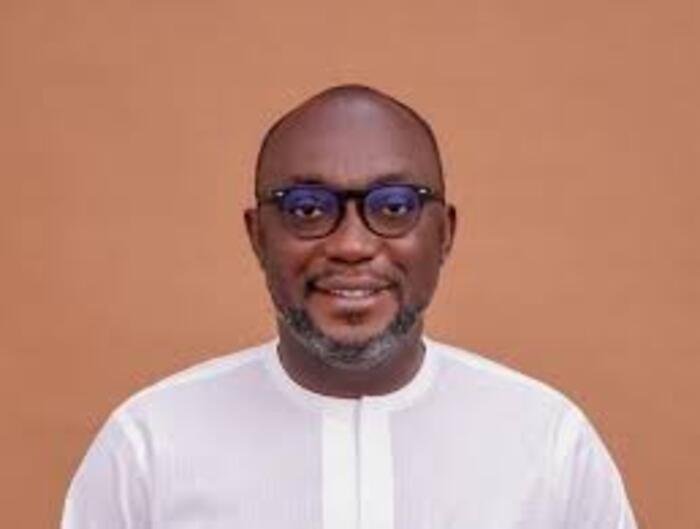
The Bureau of National Intelligence (BNI) has invited Dr Kingsley Agyemang, the former Registrar of the Ghana Scholarship Secretariat, to assist with investigations into an alleged scholarship allocation scandal during his tenure under the previous NPP administration. Dr Agyemang confirmed to Citi News that he had honoured the BNI’s invitation, reporting to the Bureau on Tuesday, May 5, where he provided a formal statement and was subsequently released after the engagement. The BNI’s action follows a recent investigative report by The Fourth Estate, which alleged that scholarships meant for needy students were being disproportionately awarded to well-connected and affluent individuals across the country. Meanwhile, the Office of the Special Prosecutor (OSP) has revealed it is also conducting a separate investigation into the operations of the Ghana Scholarship Secretariat, with its probe dating back to July 2023. These parallel investigations have heightened public attention on the management of the scholarship scheme, as calls mount for greater transparency and accountability in the award of educational support nationwide. Source: Apexnewsgh.com