
Dr Bawumia Engages EU Ambassadors on Economic, Security, and Investment Partnerships
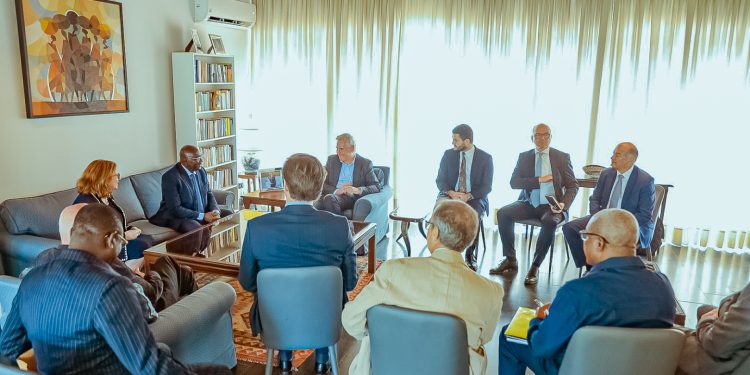
The flagbearer of the New Patriotic Party (NPP) and former Vice President, Dr Mahamudu Bawumia, has engaged in a high-level breakfast meeting with ambassadors from European Union (EU) member states, focusing on fostering economic cooperation, investment opportunities, and regional security collaboration. The meeting, held in Accra, brought together Heads of Mission from 10 EU member countries: Austria, the Czech Republic, Denmark, France, Germany, Hungary, Italy, the Netherlands, Spain, and Malta, alongside a delegation from the European Union. Dr Bawumia highlighted the significance of these discussions in a Facebook post on Tuesday, April 21. Describing the talks as “constructive and forward-looking,” Dr Bawumia noted that the dialogue centered on shared priorities between Ghana and its European partners. Key topics included enhancing regional security, deepening economic ties, and expanding investment opportunities in Ghana. Dr Bawumia also reaffirmed his commitment to strengthening Ghana’s democratic institutions, promoting sustainable economic growth, and advancing inclusive social development. He emphasized that these principles remain central to his national development agenda. The meeting underscores the ongoing partnership between Ghana and EU member states, with both sides expressing interest in exploring new avenues for collaboration to support the country’s growth and stability. Source: Apexnewsgh.com
Court offers Chairman Wontumi Final Chance to File Defence in Illegal Mining Case
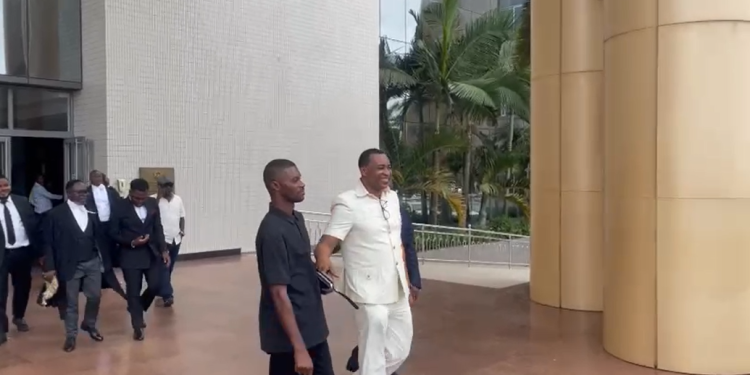
Bernard Antwi Bosiako, the Ashanti Regional Chairman of the New Patriotic Party, widely known as Chairman Wontumi, has been handed what amounts to a final opportunity to mount his defence in the Samreboi illegal mining case. But the path to that point on Monday, April 20, was anything but straightforward. Bosiako is standing trial over allegations that he permitted mining activities on his Akonta Mining concession in Samreboi without the required authorisation from the sector minister. After the prosecution closed its case, the court directed him to open his defence, outlining his options: testify in person, call witnesses, or make an unsworn statement. He was first instructed to file his witness statements by March 16, 2026. He did not. Instead, Bosiako filed an appeal at the Court of Appeal, challenging a submission of no case, and applied to the trial court to halt proceedings pending the outcome of that appeal. The application was rejected, and a new deadline of April 14, 2026, was set for the filing of witness statements, with a case management conference to follow. That deadline also passed without compliance. When the case was called at the High Court on Monday for the scheduled case management conference, Bosiako’s legal team had still not filed the witness statements. His lawyers informed the court that a fresh application seeking a stay of proceedings had been filed at the Court of Appeal, a repeat of the earlier move, and requested an adjournment until a ruling was delivered. The prosecution was having none of it. Deputy Attorney General Justice Srem-Sai rose to oppose the request, characterising it as a deliberate delay tactic. He argued that filing a repeat application does not automatically entitle an accused person to a stay of proceedings, and went further, urging the court to proceed to conviction on the grounds that Bosiako had effectively failed to mount any defence. Presiding judge Audrey Kocuvie-Tay declined the request for an adjournment. She ordered Bosiako to file his witness statements by May 5, 2026, ahead of a case management conference scheduled for May 7. She also made clear that proceedings would continue in the meantime, regardless of what happens at the Court of Appeal. It is a firm signal from the bench that the court will not allow the trial to be indefinitely stalled through procedural manoeuvres. For Chairman Wontumi, the May 5 deadline now looms as a critical moment, one that will determine whether he mounts a formal defence or leaves his fate increasingly in the hands of the court. Source: Apexnewsgh.com
OSP’s Prosecutorial Powers Are Legally Sound — Ace Ankomah
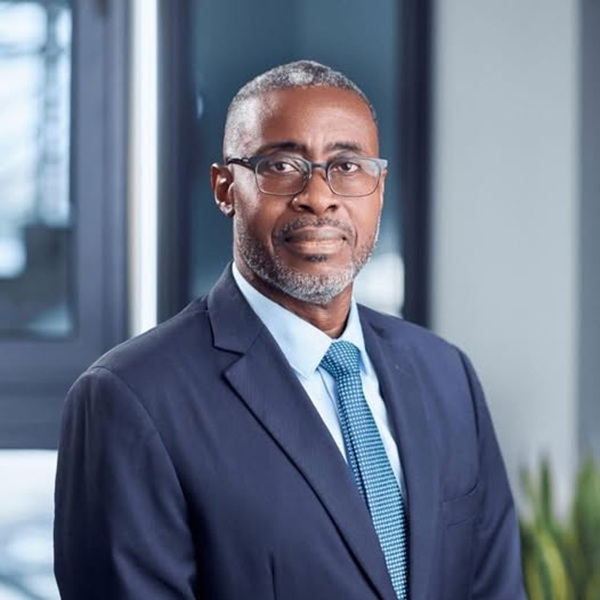
The question of whether the Office of the Special Prosecutor (OSP) has the legal authority to prosecute cases has stirred considerable debate in Ghana’s legal and political circles. Now, one of the country’s prominent legal practitioners has entered the conversation, and his position is clear: the OSP’s prosecutorial powers are not only valid, but they are firmly rooted in Ghana’s Constitution and statutory law. Ace Kojo Anan Ankomah, in a detailed commentary, anchored his argument in the text of Ghana’s Constitution itself. He pointed out that the Constitution permits criminal prosecutions to be conducted “at the suit of the Attorney-General”, a phrase he argued carries a broader meaning than it might first appear. To Mr. Ankomah, acting “at the suit of the Attorney-General” does not simply mean the Attorney-General must personally initiate every case. It also encompasses institutions and individuals acting on the Attorney-General’s behalf, a distinction that, in his view, is critical to understanding the OSP’s mandate. While the Attorney-General retains ultimate prosecutorial authority under the Constitution, Mr. Ankomah noted that Parliament has passed laws enabling that authority to be delegated, provided the delegation is carried out in accordance with the law. He argued that this condition has been fully satisfied. The OSP Act, together with supporting legislative instruments including LI 2374, explicitly empowers the OSP to determine whether to prosecute cases following its investigations. In his assessment, these instruments provide all the legal scaffolding the OSP needs to act independently within its defined mandate. Mr. Ankomah also drew attention to the process through which the OSP was established, arguing that it adds further constitutional weight to the office’s authority. The Special Prosecutor is nominated by the Attorney-General, appointed by the President, and approved by Parliament — a three-stage process that, he contended, embeds multiple layers of legal and constitutional legitimacy into the institution from the outset. Given this framework, Mr. Ankomah argued that requiring additional prosecutorial authorisation for the OSP to act would be both unnecessary and redundant. The authority, he maintained, is already well established under existing statutes and regulations. Despite his confidence in the legal foundation of the OSP’s powers, Mr. Ankomah acknowledged that the debate is unlikely to be resolved through commentary alone. He suggested that the matter will, in all probability, find its way to the Supreme Court of Ghana and that it may ultimately be the judiciary that delivers a definitive ruling on the question. Beyond the immediate legal debate, Mr. Ankomah used the opportunity to advocate for a more fundamental structural reform. He proposed a constitutional amendment that would remove prosecutorial powers entirely from the Executive branch and vest them in an independent body, one that would combine the functions of the Director of Public Prosecutions and the OSP. In his view, such a reform would not only resolve the current ambiguity but would also insulate Ghana’s prosecution machinery from political influence, strengthening the rule of law in the long run. For now, however, the debate continues, and with the Supreme Court potentially waiting in the wings, the final chapter of this legal saga is yet to be written. Source: Apexnewsgh.com
NPP Slams Arrest of Party Communicator as Political Witch-Hunt
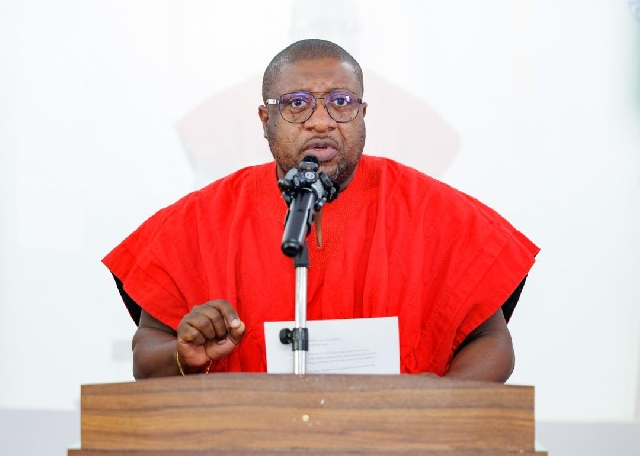
The opposition New Patriotic Party (NPP) has fired back at the government of President John Dramani Mahama, condemning the arrest and remand of one of its communicators, Baba Amando, as a calculated act of political persecution and a blatant misuse of state power. Speaking at a press conference in Accra on April 15, 2026, the party’s National Organiser, Henry Nana Boakye, painted a troubling picture of what he described as a deliberate campaign to silence and intimidate opposition voices. His words were measured but sharp, carrying the weight of a party that believes it is fighting not just for one man, but for the soul of democratic governance in Ghana. According to Boakye, the ordeal began on April 13, when Baba Amando, accompanied by his lawyer, voluntarily honoured a police invitation in Sunyani, a gesture of cooperation that, in the NPP’s view, should have set the tone for a fair and transparent process. Instead, what followed was anything but. Amando was transferred to Accra, with police citing vague “orders from above” as justification, a phrase the party found deeply alarming. The situation took a further turn when, despite being granted police bail and asked to report the following day, Amando was arraigned before court and remanded in custody. Most striking, the NPP noted, was the fact that the prosecution itself did not oppose bail, making the court’s decision to remand him all the more difficult to justify. Boakye did not hold back in his assessment of the Presiding Judge, accusing the court of judicial overreach and describing the remand order as entirely unwarranted. For the NPP, Amando’s case does not stand alone. Boakye drew a direct line between this arrest and the recent detention of NPP Bono Regional Chairman, Kwame Baffoe Abronye, arguing that the two incidents are not isolated events but part of a broader, more sinister pattern, a systematic targeting of opposition figures by a government increasingly willing to weaponise state institutions against its critics. Central to the NPP’s accusations is the alleged involvement of the Economic and Organised Crime Office (EOCO), which the party claims is being deployed not to fight crime, but to stifle dissent. The party warned that such actions pose a serious threat to free speech and civil liberties, values it insists must be protected regardless of political affiliation. The NPP’s demands were unambiguous: an immediate review of the remand order, an end to the politicisation of law enforcement agencies, and a formal investigation by the Chief Justice into the conduct of the court in this matter. The party also issued a broader challenge to the Mahama administration, urging it to redirect its energy toward the real issues confronting Ghanaians, soaring unemployment, a rising cost of living, and crumbling infrastructure, rather than what it described as a relentless pursuit of political enemies. As the dust settles on what has become one of the more charged political episodes of the year, one thing is clear: the NPP has drawn a line in the sand, and it intends to fight back. Source: Apexnewsgh.com
APC South: Neurosurgeon Congratulates Nwoye, Calls for Unity, Inclusive Leadership
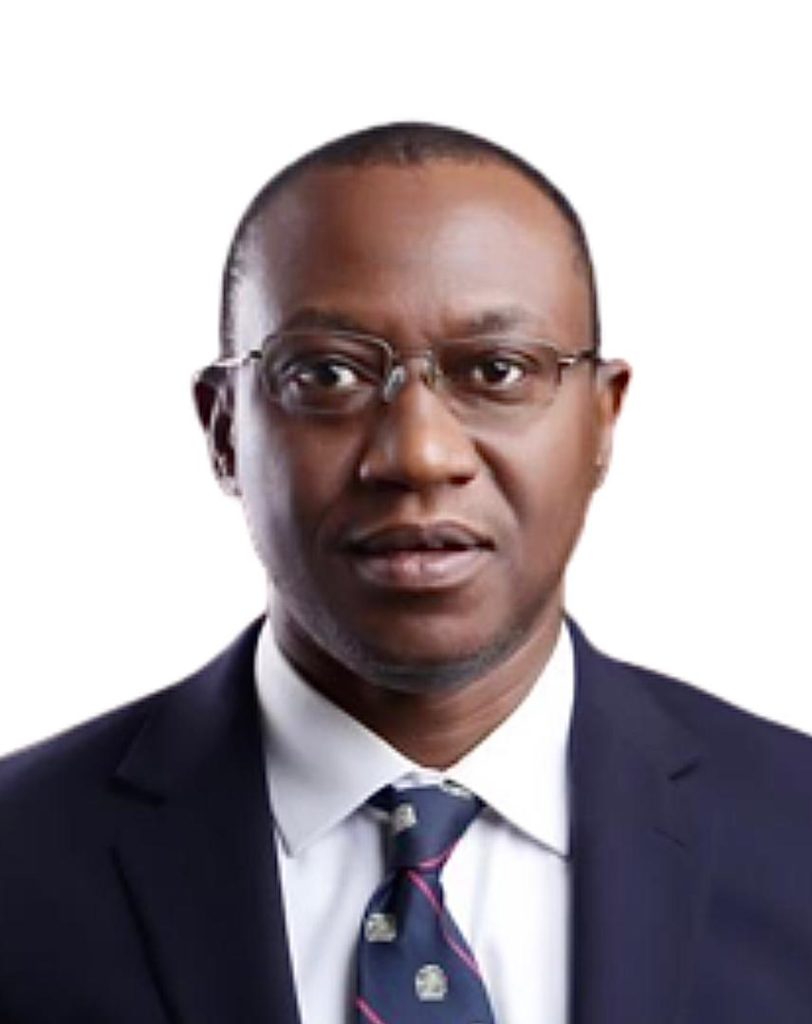
A chieftain of the All Progressives Congress (APC) in Enugu State, Dr. Ugwuanyi Ugochukwu Charles, has congratulated the party’s newly elected Deputy National Chairman (South), Dr. Ben Nwoye, describing his emergence as a significant milestone in consolidating the APC’s influence across the Southern region. In a press statement issued following the party’s National Convention held on March 28, 2026, Dr. Ugwuanyi, a Chief Consultant Neurosurgeon and Special Adviser to the Minister of State for Industry, Trade and Investment, praised Dr. Nwoye’s track record as a former APC Chairman in Enugu State and his reputation as an inclusive, grassroots-oriented leader. “Dr Nwoye’s emergence marks a significant step in strengthening the party’s foothold in the Southern region,” Ugwuanyi said. “His proven track record … positions him well to consolidate the gains already recorded by the party across the South.” He also acknowledged the contributions of the outgoing Deputy National Chairman (South), Chief Emma Eneukwu, whose tenure, he noted, laid a solid foundation for party growth and cohesion. The APC stalwart further commended the growing influence of the party in the South East, singling out the pioneering role of Imo State Governor, Senator Hope Uzodimma, in advancing the party’s presence in the region. He equally lauded Enugu State Governor, Dr. Peter Mbah, for a governance style he described as visionary, inclusive, and development-focused, citing notable strides in aviation, education, and healthcare as evidence of disciplined planning. While acknowledging that ongoing reforms by the APC-led Federal Government may pose short-term challenges, Ugwuanyi expressed strong optimism that these measures would yield lasting benefits and sustainable development for Nigerians. He urged Dr. Nwoye to recognise the enormity of his responsibility—not only to deepen party structures across the South but also to promote political stability as a foundation for delivering democratic dividends. Dr. Ugwuanyi also commended the APC Enugu State Chairman, Dr. Martins Chukwunweike, for his commitment to party leadership at the state level, describing his role as critical in fostering unity and mobilising support. In a direct appeal to party members, stakeholders, and supporters, especially in Enugu State, he called for unity, cooperation, and shared purpose. “Stability, cooperation, and shared purpose are essential for sustained progress,” he said. Dr. Ugwuanyi, a Fellow of the Royal College of Surgeons of England (FRCS) in Neurosurgery and founder of Wellington Neurology and Neurosurgery Hospital, Abuja, has been an active pillar of the APC in Igbo Eze South Local Government Area of Enugu State. Read the full statement below: PRESS STATEMENT FOR IMMEDIATE RELEASE Consolidating Party Strength, Stability, and Inclusive Leadership in APC I wish to extend warm congratulations to the newly elected Deputy National Chairman(South), Dr Ben Nwoye, following the successful conclusion of the APC National Convention held on March 28, 2026. Dr Nwoye’s emergence marks a significant step in strengthening the party’s foothold in the Southern region. His proven track record as former APC Chairman in Enugu State, combined with his reputation as an inclusive and grassroots-oriented leader, positions him well to consolidate the gains already recorded by the party across the South. I also acknowledge the contributions of his predecessor, Chief Emma Eneukwu, whose tenure laid a solid foundation for party growth and cohesion. The growing influence of the APC in the South East continues to reflect strategic leadership and sustained efforts over time. Notably, the pioneering role played by the Executive Governor of Imo State, Senator Hope Uzodimma, in advancing the party’s presence in the region remains commendable. Equally significant is the leadership of the Executive Governor of Enugu State, Dr Peter Mbah, whose governance style reflects vision, inclusiveness, and a commitment to development. His efforts demonstrate a clear intention to carry all stakeholders along, fostering unity and strengthening confidence in governance. The strides recorded in key sectors, including aviation, education, and healthcare, are a testament to disciplined planning and purposeful leadership. While ongoing reforms by the APC-led Federal Government may present short-term challenges, there is strong optimism that these measures will yield lasting benefits and sustainable development for Nigerians. As I congratulate Dr Ben Nwoye, I recognize the enormity of the responsibility before him—not only to deepen party structures across the South but also to promote political stability as a foundation for delivering democratic dividends. I also commend the APC Enugu State Chairman, Dr Martins Chukwunweike, for his commitment to party leadership at the state level. His role remains critical in fostering unity and mobilizing support for the party’s vision. Importantly, at this crucial time, I call on all party members, stakeholders, and supporters, essentially in Enugu State, to remain united, supportive, and focused on the collective goal of building a stronger, more inclusive APC. Stability, cooperation, and shared purpose are essential for sustained progress. Signed: Dr Ugwuanyi Ugochukwu Charles FRCS (SN) England Editors Note: PROFESSIONAL BOILERPLATE (BRIEF) Dr. Ugochukwu Charles Ugwuanyi, FRCS (Eng) Neurosurgery, FMCS, FACS (SN), FICS (SN), MD, MBA, KSJI Dr. Ugochukwu Charles Ugwuanyi is a highly accomplished Chief Consultant Neurosurgeon with over three decades of experience in clinical practice, medical education, healthcare leadership, and public service. He is the Founder of Wellington Neurology and Neurosurgery Hospital, Abuja, and currently serves as Special Adviser to the Honourable Minister of State, Federal Ministry of Industry, Trade and Investment on medical and pharmaceutical matters. A Fellow of the Royal College of Surgeons of England (FRCS) in Neurosurgery, Dr. Ugwuanyi has received multiple prestigious fellowships and advanced specialist training in the United Kingdom, United States and across Europe. He previously served as Head of Neurosurgery at the National Hospital Abuja, where he trained and mentored numerous neurosurgeons and contributed significantly to research and global medical discourse. He also served as Chairman of the Nigerian Medical Association Federal Capital Territory. He is an advocate for healthcare innovation, private sector participation, and sustainable health financing, with a strong commitment to advancing quality healthcare delivery in Nigeria. His philanthropic efforts and community interventions further underscore his dedication to societal development. Statement of Preparedness: Dr. Ugwuanyi’s extensive experience, leadership, and service have equipped him for higher responsibilities. He
Court Eases Bail Conditions for Ex-National Service Boss Amid Ghost Names Trial
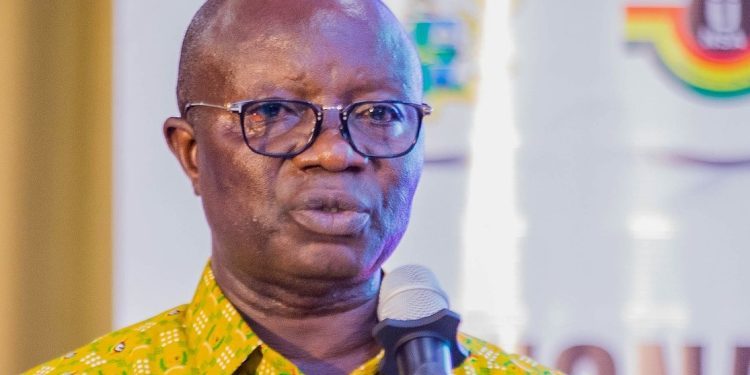
The High Court in Accra has amended the bail conditions of former Executive Director of the National Service Authority, Osei Assibey Antwi, permitting him to report to the Kumasi office of the National Intelligence Bureau (NIB) rather than making the trip to Accra, a concession his legal team had sought and the state did not resist. The development came during court proceedings on Monday, where the defense applied for a variation of the bail terms alongside a request for additional time to review case materials. Prosecutors informed the court that 49 documents had already been disclosed to the defense, with further disclosures still to come. The defense, citing the need to thoroughly examine the materials, requested a one-month adjournment. The presiding judge granted both applications, adjourning the case to May 13. Mr. Antwi faces serious charges, including stealing, money laundering, and causing financial loss to the state, all stemming from his tenure at the National Service Authority. But beyond the bail amendment, Monday’s proceedings also shed light on significant revisions to the charges themselves. The principal allegation of causing financial loss to the state has been amended in two notable ways. Originally, prosecutors alleged that Mr. Antwi authorised payments totalling GH¢500,861,744.02 to more than 60,000 purported “ghost” national service personnel. The amended charge tells a somewhat different story, reducing the alleged financial loss to GH¢431,761,556.76 and replacing the reference to “ghost names” with the broader description of “non-service personnel and unverified individuals.” Investigations by the National Intelligence Bureau paint a troubling picture of what allegedly transpired at the Authority over several years. Findings reportedly indicate that 63,672 unverified registrants were submitted into the payment system between 2018 and 2024 for service allowances or vendor payments. Between August 2021 and February 2025, the Authority is alleged to have disbursed GH¢431,761,556.76 to individuals who either did not undertake national service or whose identities could not be verified, a staggering sum at the centre of what has become one of Ghana’s most closely watched public sector fraud cases. The case returns to court on May 13. Source: Apexnewsgh.com
Volta Regional House of Chiefs Condemns EOCO’s Conduct Over Dr. Kwamigah-Atokple Case
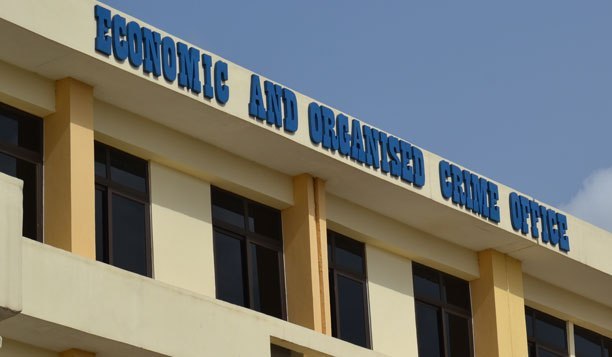
The Volta Regional House of Chiefs has fired a strong broadside at the Economic and Organised Crime Office (EOCO), criticising the anti-crime body’s handling of matters involving Dr. Gabriel Tanko Kwamigah-Atokple, the Volta Region’s representative on the Council of State. In a press statement dated Tuesday, April 7, 2026, the House did not attempt to hide its displeasure, describing EOCO’s actions as fundamentally at odds with the principles of constitutional democracy and the rule of law — a rebuke that laid bare the growing tension between the traditional authority and the state agency. The chiefs pointed to a recent High Court ruling that had found EOCO guilty of acting without a lawful mandate and in violation of constitutional principles of fairness in its handling of the case. To the House, the court’s verdict was not a matter open to interpretation; it was, in their words, unequivocal. Yet, despite that ruling, the trouble did not end there. Dr. Kwamigah-Atokple alleged that EOCO had pressed on regardless, maintaining its investigation and even going so far as to publicly question the legitimacy of the judgment. For the House of Chiefs, this was a step too far. Such conduct, they argued, amounted to a direct assault on the court’s authority and could not go unchallenged. The chiefs were equally pointed in their message to EOCO: if the agency took issue with the ruling, the proper and lawful course of action was to appeal the decision through the appropriate legal channels, not to act in ways that gave the appearance of defying the court’s authority. The statement drove home a principle that the House considered non-negotiable: that no institution, however powerful, stands above the law. The decisions of the courts, they stressed, must be respected at all times, without exception. In its strongest terms, the House condemned EOCO’s posture, warning that it posed a serious threat to administrative justice and risked eroding public confidence in Ghana’s legal system. Bringing its statement to a close, the Volta Regional House of Chiefs issued a clear call to EOCO: exercise restraint, and demonstrate full and unambiguous respect for the authority of the courts. The House also took the moment to reaffirm its own unwavering commitment to upholding justice, due process, and the integrity of Ghana’s constitutional institutions. Source: Apexnewsgh.com
Leadership Change at IGP’s Special Operations Team Amid Assault Investigation
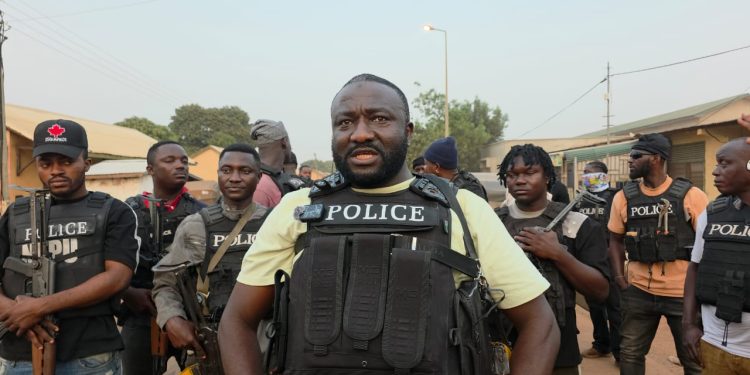
The leader of the Inspector General of Police’s (IGP) Special Operations Team, DSP Bawah Abdul Jalil, has been removed from his post as investigations continue into an alleged assault case against him and members of the team. Jalil and his colleagues are being probed for allegedly assaulting renowned Ghanaian artist Ibrahim Mahama. In a formal ceremony held on April 7, 2026, at the National Police Training School in Accra, DSP Bawah Abdul Jalil officially handed over command responsibilities to his successor, Superintendent Augustine Dawson Amoah, who will be supported by three other senior officers, marking a new chapter in the team’s leadership. Speaking at the ceremony, the outgoing DSP Jalil called on personnel to extend their full cooperation and support to the incoming leadership, stressing the importance of continuity and operational effectiveness within the team. Superintendent Amoah, in his maiden address to the team, struck a tone of resolve and commitment. He assured personnel of his dedication to effective leadership and called for unity, discipline, and professionalism in the execution of their duties as the team moves forward under new command. Source: Apexnewsgh.com
Mahama Nominates Five to Ghana’s Fiscal Council in Bold Push for Fiscal Discipline
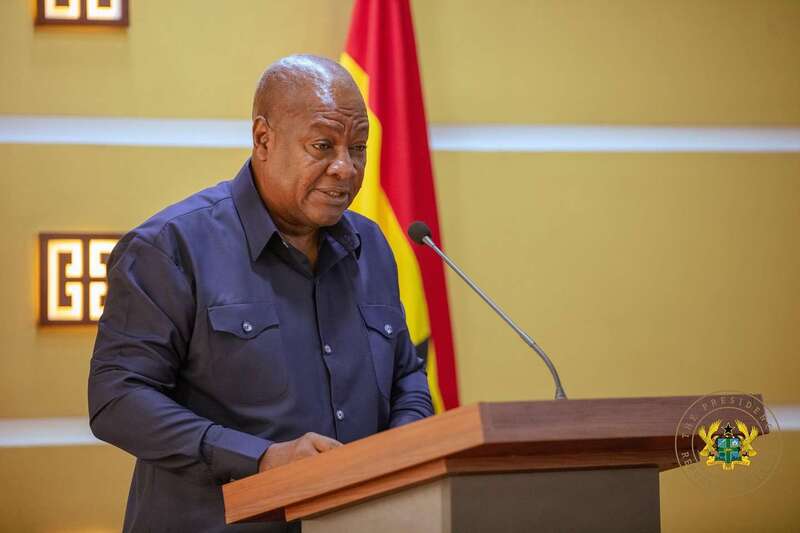
President John Dramani Mahama has nominated five distinguished individuals to serve on Ghana’s newly constituted Fiscal Council. The announcement, made on Wednesday, April 8, 2026, signals the government’s firm commitment to entrenching fiscal discipline and transparency in the management of the country’s economy. The nominations were communicated through a statement issued by Felix Kwakye Ofosu, the President’s Spokesperson and Minister for Government Communications. According to the statement, the appointments were made pursuant to Section 11D of the Public Financial Management Act, 2016 (Act 921), as amended by the Public Financial Management (Amendment) Act, 2025 (Act 1136). Leading the pack of nominees is Dr. Emmanuel Oteng Kumah, who has been designated as Chairperson of the Council. A seasoned international economic consultant and adviser, Dr. Kumah brings with him a wealth of experience drawn from his time at the International Monetary Fund and his tenure as former Board Chairman of Standard Chartered Bank Ghana. Joining him is Associate Professor Patrick Opoku Asuming of the University of Ghana Business School, nominated to represent academia on the Council. A development economist with a PhD from Columbia University, Prof. Asuming has published extensively on health economics and public policy in Ghana, making him a fitting voice for evidence-based fiscal governance. Rounding out the nominees are J. Kweku Bedu-Addo, a former public policy expert from the Finance Ministry, and Dr. Henry Akpenamawu Kofi Wampah, who brings deep central banking experience to the table. Dr. Wampah previously served as Governor of the Bank of Ghana from 2013 to 2016, an appointment made by President Mahama during his first term in office. The Fiscal Council itself is a product of the 2025 amendment to the Public Financial Management Act, which repealed the Fiscal Responsibility Act, 2018 (Act 982) and replaced the Presidential Fiscal Advisory Council that had been in place since 2018. Under the amended law, the Fiscal Council is established as an independent statutory body with the mandate to supervise the government, particularly the Ministry of Finance, in the application of fiscal rules. Notably, the law bars members from holding any position within government, a deliberate measure to protect their independence and ensure impartial oversight. All five nominees are subject to parliamentary approval before the Council becomes operational. Once inaugurated, the Fiscal Council is expected to play a critical role in promoting transparency, accountability, and prudent economic decision-making, helping to ensure that Ghana’s hard-won fiscal gains are sustained well into the future. Source: Apexnewsgh.com
IGP Urged to Act as Extortion Racket Hits Bolgatanga Screening Centre
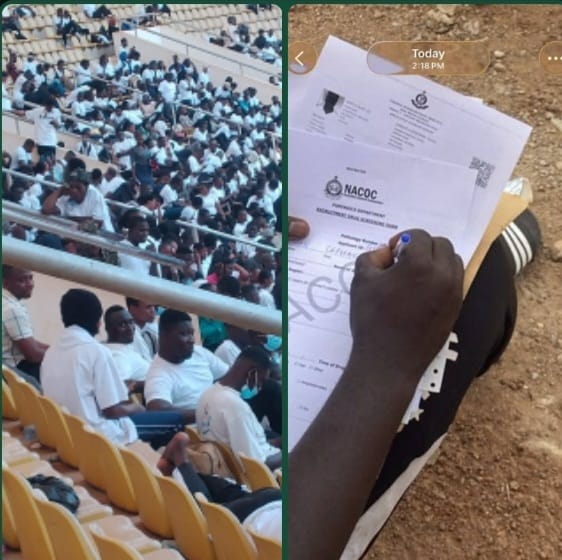
A dark cloud has descended on the Bolgatanga Jubilee Park, where desperate job or recruitment applicants are being squeezed for extra cash in what many are calling a brazen extortion scheme. The park, turned into a screening centre, was meant to be a place of fair process. Instead, it has become a scene of financial anguish. Applicants who had already saved GHC 1,400 for mandatory lab tests are now being told, at the gate, without warning, that they must pay an additional GHC 150. For many young men and women who travelled from remote villages, the news hit like a thunderbolt. Having scraped together the original fee, they now found themselves stranded, phones pressed to their ears as they called parents and relatives back home, begging for emergency money to be sent via mobile transfer. On the fringes of the park, so-called “connection men” are doing brisk business. These middlemen promise one thing: jump the queue and get screened quickly. For a price. They approach anxious applicants, whispering arrangements that bypass the normal process. Those who can pay get ushered ahead. Those who cannot… wait, or walk away broken. “It is pure extortion,” one applicant, who asked not to be named for fear of reprisal, told our reporter. “We are being milked dry, and there is nobody to stop it.” Local witnesses say the atmosphere is thick with frustration and helplessness. Some applicants have camped at the park for days, uncertain if even the extra payment will guarantee their place. In response, civil society voices and concerned citizens are now calling on the Inspector General of Police (IGP) to intervene immediately. They want plain-clothed officers deployed to the Bolgatanga screening centre to arrest the connection men and stamp out the illegal levies. “The IGP must act now,” a youth leader in Bolgatanga pleaded. “These are our children, our brothers and sisters. They are being robbed in broad daylight.” As of press time, officials running the screening had not issued any statement, and the connection men continued their trade, cash changing hands, no questions asked, no receipts given. Source: Apexnewsgh.com