



The Broken Chalkboards: The Upper East Regional Education Director’s Battle Against Student Riots and Indiscipline in Schools
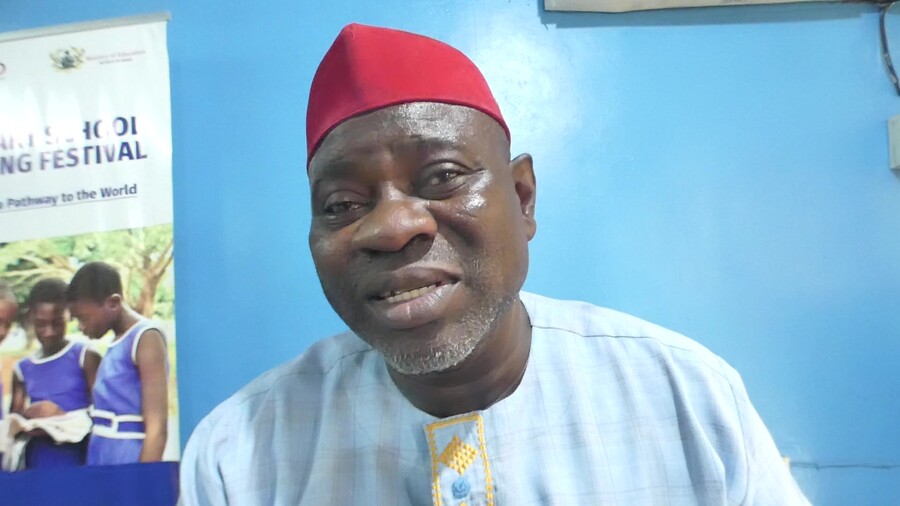
What once were sanctuaries of learning and personal growth have, in recent times, become epicenters of chaos and disruption. The phenomenon of student riots, once rare, now threatens to become a troubling ritual, a recurring storm that leaves behind fractured trust, shattered chalkboards, and an environment far removed from the ideals of education. Razak Z. Abdul-Korah, the Upper East Regional Education Director, has never shied away from confronting uncomfortable truths. In a recent documentary, “The Broken Chalkboards,” produced by Ngamegbulam Chidozie Stephen of Apexnewsgh, Mr. Abdul-Korah spoke candidly about the growing tide of student unrest and painted a comprehensive picture of its causes, impacts, and the necessary path forward. For decades, the schools of the Upper East Region have been pillars of hope—places where young minds are shaped for the future. But lately, a disquieting trend has emerged. Riots, demonstrations, and acts of indiscipline are no longer isolated incidents. They are spreading, springing up across almost all institutions, threatening the peace and stability necessary for effective learning. “It is of concern to everybody in the education space, all stakeholders as well,” Mr. Abdul-Korah began, his tone both measured and urgent. “A peaceful environment should be a creation of almost all stakeholders. So if one stakeholder happens not to be in line, it affects all.” Kindly watch the full video here: https://youtu.be/GSQR3-T6EaE. In his view, the responsibility to maintain peace cannot rest on one group alone. It must be a collective effort; school management, teachers, students, parents, and the wider community all have crucial roles to play. When even a single element falls out of harmony, the entire system feels the strain. Indiscipline, Mr. Abdul-Korah clarified, is not just a problem among students. “Let me even put it, not necessarily only student indiscipline, but indiscipline among staff, indiscipline among students, every level of indiscipline affects the management of the school.” While the recent spate of riots has spotlighted student behavior, the Regional Director was quick to point out that issues of discipline, or the lack thereof, cut across all levels. Sometimes, even administrative offices are not immune, though the manifestations may be less visible. “One trigger leads to another,” he explained. “It is not the best, especially when it goes out into demonstrations.” When discipline breaks down, the cost is not just measured in damaged property or lost learning hours, but in the erosion of trust and the peaceful environment schools strive to maintain. The cost of a riot is profound and far-reaching. “When students revolt against staff, there is mistrust. We are human beings. You may react, but as you go along, it may come in a different form to affect the learners,” Mr. Abdul-Korah stated. Every incident chips away at the fragile bond between teachers and students. Fear and suspicion replace mutual respect, and it can take months, sometimes years, for schools to regain their equilibrium. Learning outcomes suffer, and the ultimate victims are the students themselves. Specific cases, like the disturbances in Gowrie, Bongo, and Zuarungu, were cited. In Gworie, the environment became so inhospitable that learning was all but halted. In Bongo, a single expression of displeasure threatened to spiral out of control. In Zuarungu, the incident’s outcome remains unresolved, hanging over the school community like a specter. Despite the challenges, Mr. Abdul-Korah remains resolute. “We should work to see how to address some of them,” he insisted. Reports are being compiled and sent to the Director General for study and advice. Meanwhile, efforts are underway at the regional level to address concerns as they arise. “Every single actor that can contribute to creating this enabling environment should not be left out.” At every forum, whether with school managers, student bodies, or community elders, the message is the same: peace and discipline are everyone’s responsibility. According to the Regional Director, transparency is key. When the monitoring team visits a school, their first point of contact is the headteacher, ensuring that the purpose of their visit is clear. This openness extends to student forums, where students are encouraged to voice their concerns and see themselves as part of the management process. Many students, Mr. Abdul-Korah observed, do not realize that they are part of the disciplinary and management structures. “If a student is to be disciplined, the student leadership is part of the disciplinary committee. So you are aware, and that is how you are part of the management.” By making student leaders active participants in school management, a sense of ownership and responsibility is fostered. Issues can be raised and resolved through proper channels, reducing the likelihood of escalation. Speaking about effective communication of decisions, the Regional Director pointed out, misunderstandings often arise when decisions, especially disciplinary ones, are not communicated effectively. In one case at Zamse, a student was disciplined, but the reasons were not relayed to the rest of the students, leading to protests. In reality, the action had been recommended by fellow students who felt threatened by their peer’s behavior. “If we’re doing all these things to bring people on board in the management practice, we will reduce the tension,” the Director emphasized. According to Mr. Abdul-Korah, “Once tension is down, you may not see some of these things happening.” By fostering dialogue and quelling rumors, the triggers for riots can be addressed before they explode into full-blown crises. The Director was particularly keen to highlight the role of school management. “The best leader, the best manager certainly has some leadership qualities that drive the activities in his office.” But even the best leaders make mistakes. When they do, the ability to admit fault and correct course is essential. “It’s not everything that as a leader you get 100% right. But as and when, you could do take a decision without taking into consideration the consequences of it.” Sometimes, a careless remark or poorly thought-out decision can spark unrest. School boards and oversight bodies have a critical role to play in reducing tension. But the most effective interventions, Abdul-Korah believes, happen at the
The Broken Chalkboards: Rev. Abukari Thomas Calls for Collective Action and Moral Reform Amid Rising Student Riots in Upper East Region
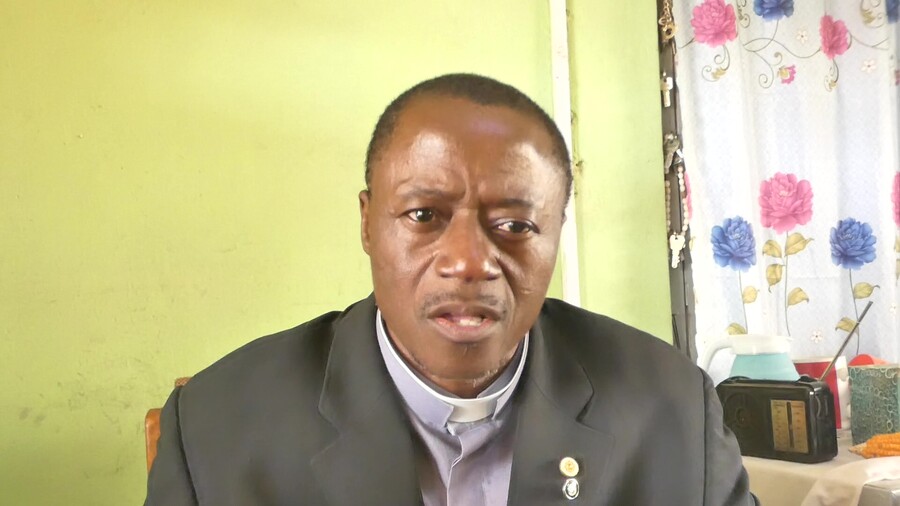
In recent years, the Upper East Region has witnessed a troubling surge in student riots across its educational institutions. This trend has left educators, parents, and leaders grappling for answers. Among those raising their voices for change is Rev. Abukari Thomas, Chairman of the Upper East Regional Christian Council, Bolgatanga and a respected Baptist Church head Pastor, who shared his profound reflections in a documentary “Broken Chalkboards” produced by journalist Ngamegbulam Chidozie Stephen of Apexnewsgh. Rev. Abukari’s insights are a clarion call to society, urging all stakeholders to acknowledge the gravity of campus unrest and to seek solutions rooted in empathy, communication, and moral guidance. His message is not one of blame, but of collective responsibility, a rallying cry to educators, parents, religious leaders, and students themselves to reclaim the original purpose of education and to restore dignity and order in schools. Addressing the matter, Rev. Abukari begins with an earnest appeal: “I come your way to add my voice to things that are happening in our society, which are heartbreaking. For example, we look at our various institutions, we see some emerging trends that are of late not the best for u,s and it would not be appropriate for us to be silent on this issue.” Kindly watch the full video here: https://youtu.be/GSQR3-T6EaE. He observes with concern that nearly 90% of secondary schools in the Upper East have experienced some form of student unrest, a situation unprecedented in recent history. Rather than apportioning blame, he emphasizes the need for unity and shared purpose in seeking solutions. “We all have to find ourselves in getting a solution to this. So my focus here is not to look at who is at fault, but what can be done because we are in the woods and we need to come out.” Rev. Abukari laments the loss of the original vision for schools: environments meant to model, transform, and equip future leaders. He notes, “In our schools, this is a place where people are to be modelled, transformed, equipped, and then they will pick up leadership positions in the near future. But if we see them going all around destroying school properties…it might be a simple misunderstanding, misinformation or miscommunication.” The generational gap, he asserts, has made communication more complex. Today’s students are “sensitive and active,” with access to social media and peer influences sometimes leading them astray. Many, he warns, are unaware of the long-term consequences of their actions, including the destruction of scarce infrastructure. “The government has spent huge sums of amounts of money to put up infrastructure which our region is lacking. There is no institution in our region that we can boast and say that they have enough infrastructure…Why do we then destroy the few?” Rev. Abukari calls for proactive communication between school leadership and students, particularly through student representative councils. He suggests regular engagement, transparency about school management, and education about the realities of funding and resource allocation. “If students know that this is the right channel we are to pass through to get our grievances met, some of these instances we are observing will not be there.” He advocates for empowering student leaders with knowledge about their rights and responsibilities, as well as the costs involved in running a school. “If we explain, they will understand,” he says, reinforcing the need for dialogue over destruction. While acknowledging the importance of child rights, Rev. Abukari cautions that many students misunderstand where their rights begin and end. “You have the right to be educated, so if you have the right to be educated, it means you have the right to be trained and be corrected.” He recommends that corrective measures be made pragmatic and transparent, so that students understand the intention is reform, not punishment. “School authorities, can we let them get to this understanding?” he asks, adding that many students come from troubled homes and need more structured support in school. A critical gap, according to Rev. Abukari, is the lack of effective guidance and counseling offices in schools. He urges management to invest in these services, so students can seek help and receive warm, professional advice. “If we get guidance and counselors to take care, an open office where the students can walk in with their heartfelt issues and walk out warmly received and properly educated, most of these issues that we encounter in our institutions will not be there.” He also proposes the creation of robust reward systems to motivate positive behaviour, complementing disciplinary action. “If we see more awards given to well-disciplined, well-dressed, well-behaved students…I think it will motivate and encourage the students to tow this line.” As a religious leader, Rev. Abukari stresses the role of faith communities in shaping student character. He calls for stronger religious life on campus, with chaplains and imams working together to help students discover purpose and resist negative peer pressure. “Nobody’s destiny is promoted through rioting. Nobody’s destiny is promoted through bad behavior.” Religious institutions, he believes, must step up to provide moral guidance, especially for students from broken homes. “If we religious leaders make sure that we model their religious life in these institutions, I think definitely…the numbers [of riots] should reduce.” Rev. Abukari does not leave out parents and alumni, urging Parent-Teacher Associations and school boards to support rightful discipline and set positive examples. He warns against interventions that undermine necessary corrective measures, noting that “since he did it and went scot-free, there’s nothing wrong.” He encourages alumni to take pride in building their schools, not destroying them: “It’s for us to go through our books, study, come out with flying colors, move to the next level so that you come back one day and say yes, I was a product of this institution.” A sobering reminder is offered to students: school records, including involvement in riots, often follow individuals throughout their lives. “If they pull out the files and you were part of those who burned down the dormitory, you were the gang leader,
The Broken Chalkboards: Prof. David Millar Reveals 7 Root Causes of Student Riots and Pathways to Reform
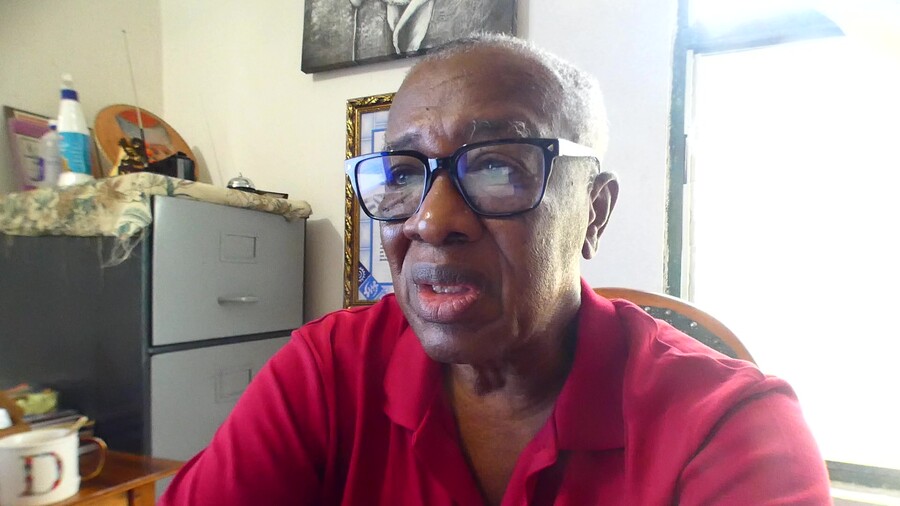
The air, once filled with the hopeful banter of students, now trembles with the aftershocks of unrest. In the corridors of academia, concern ripples among parents and educators alike. Professor David Millar, President of the Millar Institute for Transdisciplinary and Development Studies, has added his voice in the documentary “The Broken Chalkboards,” produced by Ngamegbulam Chidozie Stephen of Apexnewsgh, as he warns: if the current wave of student riots is not checked, it threatens to engulf the entire nation. Kindly watch the full video here: https://youtu.be/GSQR3-T6EaE. Professor Millar’s observations are not mere conjecture. He describes, with painstaking clarity, how riots in secondary schools, once sporadic and exceptional, are becoming alarmingly routine. “It’s becoming very common and noticeable that rioting in schools, especially second-cycle institutions, is on the ascendancy. It’s beginning to increase nationwide,” he asserts. With each passing term, the risk grows that isolated incidents will ignite a conflagration, one that could destabilize the nation’s educational system and erode the social fabric. To understand the roots of this unrest, Professor Millar embarks on a thorough diagnosis of the contemporary school environment. His analysis yields seven interlocking factors, four major and cross-cutting, and three institution-specific, that fuel the flames of student discontent. The Shadow of Drug Abuse Foremost among the major factors is the specter of drug abuse and misuse. According to Prof. Millar, this problem is no longer confined to the school compound. It follows students home, forms habits, and then returns to infiltrate the school environment anew. The result is a culture where substance abuse becomes normalized, blurring the boundaries between personal recreation and institutional disruption. “We have to do something with drug abuse and drug misuse,” Prof. Millar insists, underscoring its centrality to the crisis. The Pressure Cooker of Peer Influence The second factor is the relentless pressure exerted by peer groups. Within the closed ecosystem of a school, peer validation becomes a form of currency. Membership in social circles is governed by overt and covert rules, and the need to belong can drive students to conform to destructive behaviors. For girls as well as boys, these peer groups can be both a refuge and a crucible—incubating actions that undermine the school’s integrity. The Rise of Cults and Weaponization Peer pressure, left unchecked, can metastasize into something even more insidious: the rise of cults within schools. These groups, often shrouded in secrecy and governed by their own codes, demand allegiance through symbolic acts, sometimes even the bearing of weapons. Inter-cult rivalries and competitions for dominance further stoke the fires of unrest. The existence of such groups, Prof. Millar warns, “weaponizes” peer relationships and transforms schools into battlegrounds. The Double-Edged Sword of Technology Modern information and communication technology (ICT) is another factor reshaping the school environment. Smartphones, social media, and even artificial intelligence platforms expose students to a world far beyond the classroom. While this can be a force for good, it also creates new avenues for comparison, competition, and subversion. Students return from holidays eager to display their new digital prowess, sometimes in ways that challenge or undermine school authority. The result is a generation increasingly at odds with the structures meant to guide them. Beyond these core issues, Prof. Millar identifies three more factors that vary from school to school. School Management Systems and Institutional Culture The management style of a school can either mitigate or exacerbate unrest. Institutions with strong religious affiliations or private ownership tend to be more responsive to misconduct, swiftly meting out discipline. Public schools, by contrast, often suffer from bureaucratic inertia—disciplinary procedures are drawn out, diluted by committees, and susceptible to outside interference. This laxity, combined with unclear institutional cultures, leaves a vacuum that disruptive elements are quick to fill. The Disruption Subculture A subtler, but no less significant, factor is what Prof. Millar calls the “subculture of disruption.” Weak students, fearful of looming examinations or unprepared for academic challenges, may seek to derail the school calendar altogether. By fomenting unrest, they hope to avoid failure and mask their own deficiencies. This phenomenon is often most acute as exams approach, with mass participation by those who feel threatened by strict enforcement of academic standards. The Parental Paradox Finally, the role of parents is both pivotal and paradoxical. While parental engagement is essential for effective discipline, unchecked indulgence can have the opposite effect. Some parents provide their children with cars, excessive pocket money, and privileges that enable misbehavior. At home, such actions may go unchecked; at school, they find eager collaborators among peer groups. The result is a feedback loop where home and school reinforce rather than correct negative behavior. While the destruction of property during riots is costly, Prof. Millar is more disturbed by the long-term impact on behaviors and attitudes. “It’s not so much the destruction of property… but the negative impact on behaviors and attitudes that are long-term. For me, that is the worrying part. Because these have long-term implications. We call them our future leaders. Imagine our future leaders coming out with all those vices. What sort of leadership do we get?” Having laid bare the roots of the crisis, Prof. Millar turns to solutions. His proposals are pragmatic, grounded in both research and years of experience. Conscientization and Civic Education The first step, he argues, is a renewed emphasis on civic education—what he calls “conscientization.” Many students, he notes, are simply unaware of the long-term consequences of their actions. By bringing in resource persons, former addicts, and career professionals to share their experiences, schools can equip students with the knowledge they need to avoid destructive pathways. “Educate, educate, re-educate,” Prof. Millar urges, advocating for a revival of civic education programs and the involvement of the National Commission for Civic Education in a large-scale, school-to-school campaign. Revitalizing School Life with Positive Engagement Prof. Millar also calls for a renaissance in extracurricular activities. In the past, debates, drama clubs, and cultural associations provided outlets for energy and creativity. Today, these activities hold less allure, leaving students idle and susceptible
SWALLOWED BY DRUGS: Ngamegbulam Chidozie Stephen Warns Zamse Students About Dangers of Alcohol and Drug Abuse

One morning in June 2025, the students of Zamse Senior High Technical School were very excited. They gathered for assembly, talking and waiting for a special guest. The air felt electric. They were about to hear from Mr. Ngammegbulam Chidozie Stephen, a famous journalist from Apexnewsgh. Many knew his name from Facebook or had seen parts of his powerful documentaries. He came with an important message. He wanted to talk about a serious problem hurting Ghana’s young people: drug and alcohol abuse. His visit was timely. Following a report from the Narcotics Commission, had shocking news. Out of 50,000 Ghanaians struggling with drugs and alcohol, 35,000 were students. That meant most of those affected were in school, just like them. The country’s future was in danger. Mr. Ngamegbulam was no ordinary reporter. He made award-winning films. His latest documentary, “Swallowed by Drugs,” shared the sad stories of young people whose lives were ruined by addiction. Watch the full video here: When he walked onto the stage, the students clapped loudly. Some knew his face from social media. For others, this was their first time seeing him in person. They were ready to listen. He started speaking straight away, sharing a hard truth. “Many of our youth have used alcohol and drugs to ruin their own futures,” he said. “Some dreamed of being doctors. Others wanted to be nurses. But now, some are sitting at home, lost. Others are in mental hospitals. Their dreams are broken.” He stopped for a moment. The students were reticent, thinking about his words. He then asked them a big question. “Do you know that every year, more than 3 million people around the world die from alcohol and drugs? That number is bigger than most cities in Ghana. Every single one of those people was someone’s child, someone’s friend, or someone’s classmate.” The award-winning journalist looked at all the young faces before him. “This problem often starts right here, in school,” he explained. “You might have friends who think drinking or taking drugs is fun. They might be looking for excitement. But real joy doesn’t come from being drunk or high.” He discussed peer pressure, when friends encourage you to do something. “You might try something because a friend says it’s cool. But that one choice can change your whole life forever.” Then, he asked a direct question: “Who here knows about tramadol?” Almost every hand went up. He explained that tramadol is a strong medicine for pain, not for young people. Yet, some students hide it in their drinks, thinking it will make them strong or brave. He mentioned seeing scary videos online of young people standing stiff, not able to fall. “That is not strength,” he said softly. “That is the drug controlling them. The person inside is gone.” He listed other dangerous things: marijuana, shisha, and other drugs. “If you walk around town, you will see young people whose lives have been taken over by drugs and alcohol. But for you, it is not too late. You can choose a different path.” Mr. Ngamegbulam also corrected lies about drugs. “Some say drugs make you smarter or stronger. That is a falsehood. Drugs do not give you power. They destroy you,” he stated firmly. He told stories of students with big dreams who lost everything to addiction. “Your future matters to your family, to your country, and most importantly, to you,” he reminded them. He made it clear he was not there to criticize them. “I may not know your names,” he said kindly, “but I care about what happens to you. If you grow up to be a better person, your family is happy, your school is proud, and Ghana succeeds.” He encouraged them to support each other. “If you see a friend using drugs or alcohol, talk to them. Give them good advice. You can only truly succeed if you help each other succeed.” To give them hope, he pointed to Ghana’s successful leaders. “Do you know why some people become parliamentarians or ministers? It is because they focused on their dreams. They stayed away from drugs and alcohol. If you do the same, nothing can stop you from becoming great.” Finally, he gave them a task. “Take this message to your classrooms and homes. Tell your friends and family: ‘The future president of Ghana could be one of us. Don’t let alcohol or drugs steal that future.’” When he finished, the students’ excitement was clear. They had listened to a powerful, heartfelt talk full of important advice. The message was simple and clear: their future was precious, and it was worth protecting. Meanwhile, the documentary “Swallowed by Drugs” was supported by Endswell Pharmacy Limited Source: Apexnewsgh.com
Swallowed by Drugs: Substance Abuse Among Health Workers Alarming, Says Upper East Health Director
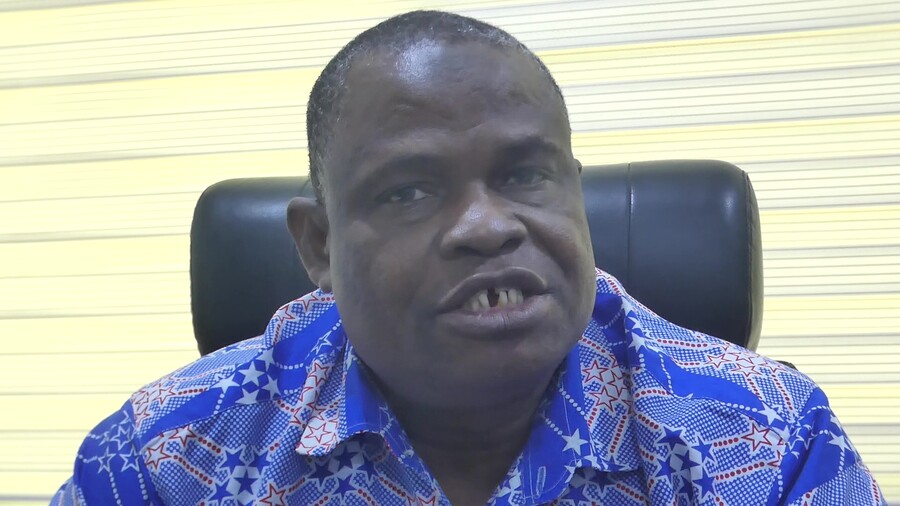
The Upper East Regional Director of the Ghana Health Service (GHS), Dr. Braimah Baba Abubakari, has expressed deep concern over the rising trend of substance abuse, not only among the youth but also within the health profession. Speaking with Ngamegbulam Chidozie Stephen of Apexnewsgh in a documentary titled “Swallowed by Drugs”, Dr. Abubakari revealed that the situation has “escalated beyond imagination” and now affects even health professionals who are expected to safeguard public health. “The issue of substance abuse is not a new thing, but what is frightening now is the age range of those involved,” he said. “We have people as young as 13 or 14 years already engaged in it. Some don’t even complete secondary school before getting hooked.” He warned that the implications for the future are dire, as early exposure often leads to lifelong dependency and social dysfunction. Equally disturbing, according to Dr. Abubakari, is the creeping trend among trainee professionals. “We now have some of our professionals who get engaged in substance use during their stay in training institutions such as nursing and teacher training colleges,” he lamented. “They eventually graduate and are assigned to work, but their addiction affects how they treat clients. This is why complaints about staff attitudes in health facilities are on the rise.” Dr. Abubakari also highlighted the alarming proliferation of drinking spots in the region, which he described as a major contributor to the crisis. “In some communities, every 50 to 100 meters, you find a drinking spot. Alcohol has become too accessible and too cheap, with as little as two cedis, you can buy a drink that gets you high,” he said. On the abuse of drugs like tramadol, Dr. Abubakari criticized the infiltration of unregulated products into the country through unapproved routes along Ghana’s borders. “Most of these drugs come from outside Africa and find their way into the Upper East through unapproved routes. That is destroying our youth,” he warned. “The Food and Drugs Authority and the security agencies must be on high alert to save the lives of the young ones.” In his final words, Dr. Abubakari appealed directly to young people, urging them to resist the lure of substances and instead focus on building their future. “The future is more enjoyable than what you think you’re experiencing now,” he said. “Addiction is not something you can save yourself from. Be courageous, be honest, and seek help. In a short time, you can get your life back on track and build a future for yourself, your children, and for Ghana.” Source: Apexnewsgh.com
Swallowed by Drugs: Upper East Regional Coordinator Issues Warning on Drug Abuse Epidemic
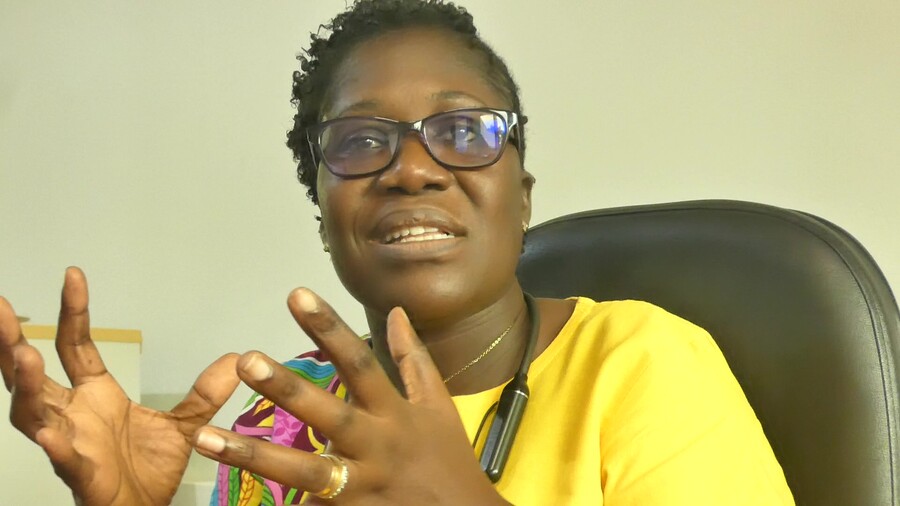
The fight against drug and alcohol abuse among the youth continues to dominate public health discussions, with worrying revelations emerging from the Upper East Region. Gifty Chigayefin Damsongor, the Upper East Regional Mental Health Coordinator, has voiced deep concern about the alarming rise in substance use among young people and its devastating impact on their mental health, education, and family life. She made this important call in a documentary titled “Swallowed by Drugs produced by Apexnewsgh.” “There are a lot of substances the youth are experimenting with, but the most common ones we encounter are alcohol, cannabis, and tramadol,” she explained. “Tramadol comes in different forms, T25, Tramadol 500, and is being misused heavily. On top of that, we now see shisha, nicotine, and even e-cigarettes, which are used in a way that makes it difficult for parents and guardians to detect.” According to Madam Damsongor, many young people underestimate the risks of substances such as energy drinks, which they consume excessively without realizing the long-term consequences. “Some youths don’t consider energy drinks as psychoactive substances. They think they are just normal drinks. But over time, they become addicted without even knowing it,” she said. “Addiction means you are aware of the dangers, yet you cannot stop. That’s when the substance begins to control your brain’s pleasure system.” “You start with a little alcohol and feel the effect. But with time, that same amount no longer satisfies you, so you increase the dose. Before long, you may need 10 bottles to feel what one bottle gave you initially. At that point, the substance has hijacked your brain’s dopamine system.” Madam Damsongor also highlighted how social media and celebrity lifestyles fuel substance abuse. “The youth are curious and easily influenced. When they see adverts for alcohol or celebrities using substances, they are tempted to experiment. Musicians, for example, often rely on substances to overcome stage anxiety. But that performance habit quickly becomes an addiction that extends beyond the stage.” She emphasized that addiction is not only about drugs or alcohol. “We now see behavioral addictions, gambling, pornography, compulsive lying, and even stealing. Some people are addicted to these behaviors in the same way others are addicted to drugs.” “If you’re a responsible and observant parent, you will notice changes. A once-friendly child may suddenly become withdrawn, easily irritated, restless, or perform poorly in school. Some may even experience hallucinations, seeing things that are not real.” She cautioned parents against rushing to prayer camps without medical intervention. “Even if you believe there are spiritual causes, you must first tackle the physical. At the facility, we can run substance tests, detoxify the system, and provide psychotherapy. Afterwards, if you want prayers, you can add that, but ignoring medical treatment is dangerous.” Damsongor recounted how peer and family influences expose children to substance use at a young age. “In many homes, alcohol is kept openly, and children are even sent to buy it. Out of curiosity, they try it, and before long, they are hooked. In other cases, peers introduce them to smoking or drugs. Sadly, I have seen lives destroyed because of what started as mere experimentation.” She called for urgent steps to integrate mental health education into schools to prevent future crises. “If the Ghana Education Service introduces mental health lessons at the JHS and SHS levels, it will help. Students must learn early about the dangers and consequences of substance abuse so they can make informed choices.” “Substance abuse can destroy your health, your education, and your future. If you find yourself addicted, whether to a substance or a behavior, seek help. Mental health experts are available in every district and community. We are here to help you recover and reclaim your life.” Source: Apexnewsgh.com
Swallowed by Drugs: Dr. Denis Warns Drug Abuse Is a Silent Mental Health Time Bomb, Urges Awareness and Stronger Law Enforcement
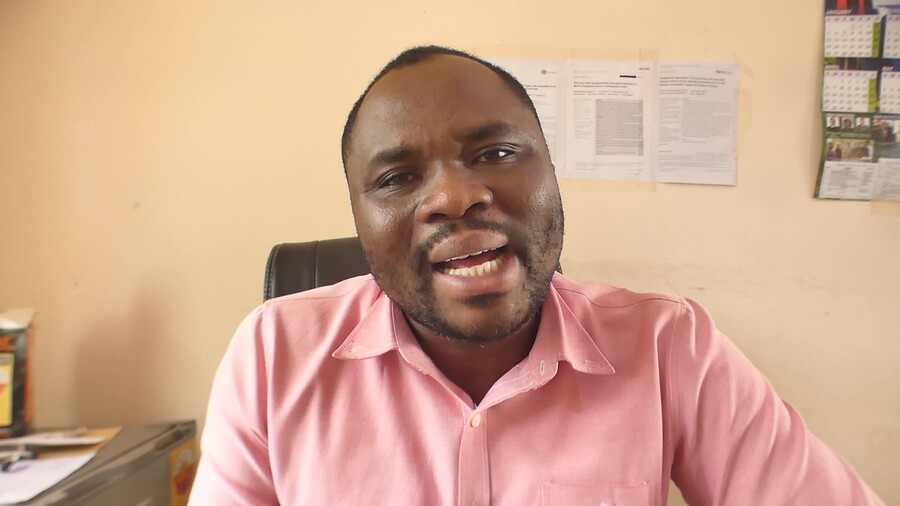
The Medical Administrator of the Presbyterian Psychiatric Hospital, Dr. Denis Bomansang Daliri, has raised alarm over the growing trend of drug and alcohol abuse among the youth, warning that the region faces a “silent mental health time bomb” if urgent steps are not taken. Speaking with Ngamegbulam Chidozie Stephen in a documentary titled “Swallowed by Drug”, Dr. Denis revealed that the majority of young patients admitted to his facility are battling substance abuse, often involving multiple drugs at once. “Currently, the majority of the patients we have, especially the youth, almost everyone admitted actually abuses one substance or the other. Most of them are polysubstance users – mixing alcohol, nicotine, marijuana, tramadol, and more,” he disclosed. Dr. Denis explained that many patients do not come to the hospital claiming they are abusing drugs. Instead, they often present with symptoms like insomnia, hallucinations, or hearing voices. “A person may actually be abusing substances but might not come because of it. They might come because they can’t sleep, or they’re hearing voices. Through our assessment, we’re able to tell them, ‘OK, so you are abusing substances, and this is the reason why you are here,’” he said. He added that the presentations vary depending on the drug: some patients arrive in acute intoxication, others in painful withdrawal, while others may show no symptoms at all but still have long-term dependency. Highlighting the mental health consequences, Dr. Denis noted that many of the substances abused are psychoactive, directly affecting the brain. “These substances play a very big role in destabilizing mental health. They affect your ability to think, your behavior, and in some cases, they trigger psychosis,” he warned. He cited marijuana as an example, saying, “With cannabis, we see what is called cannabis-induced psychosis. The person begins to hallucinate, hear voices, and believe things no one else can see. If the drug is withdrawn, they may return to normal, but the more they continue, the more permanent the damage becomes.” For individuals with a family history of mental illness, he cautioned, the risks are even higher. “If such a person abuses drugs, it can easily trigger a mental health condition that might have otherwise remained hidden,” he explained. Dr. Denis described the youth as particularly vulnerable due to curiosity, peer pressure, and the easy availability of substances. “Their brains are still developing, so anything they get hooked on now, they may be hooked on for life,” he stressed. He also pointed to cultural practices that normalize alcohol consumption and weak border controls that make smuggling drugs easy. “In many places here, alcohol is not even seen as a problem. Young people can walk into a shop, pay, and buy it freely. Combine that with cannabis and cigarettes at drinking spots, and it becomes a deadly mix,” he said. To address the crisis, Dr. Denis emphasized a multi-pronged approach: Law Enforcement: “In our markets, you’ll find someone selling phone accessories but also dealing drugs. Even scrap dealers sell tramadol. Law enforcement must tackle this head-on, and our borders must be secured.” Awareness Creation: “We assume young people know the dangers, but many don’t. Education must start from primary school to prepare their minds before they are introduced to these substances.” Treatment over Punishment: “Substance abuse should not be seen only as a behavioral crime. By the time someone becomes addicted, it has become a biological problem. Arresting and jailing addicts only worsens their plight. What they need is treatment, not punishment.” Rehabilitation Centers: “If someone in the Upper East wants help, they shouldn’t have to travel to Kumasi or Accra. Government must expand rehabilitation centers regionally to make help accessible.” Dr. Denis also cautioned against stigmatizing addicts, noting that rejection only pushes them deeper into addiction. “When we stigmatize and condemn them, they go back to drugs for comfort. But when we accept and support them, they find solace and are more likely to quit,” he advised. He concluded with a strong warning that ignoring the problem will have dire consequences for families and society. “Substance abuse is a silent mental health time bomb. If we don’t strengthen awareness, treatment, and law enforcement now, the cost will be unbearable tomorrow.” Source: Apexnewsgh.com
Swallowed by Drugs: Upper East Regional Crime Officer Details Police Role in Combating Youth Substance Abuse
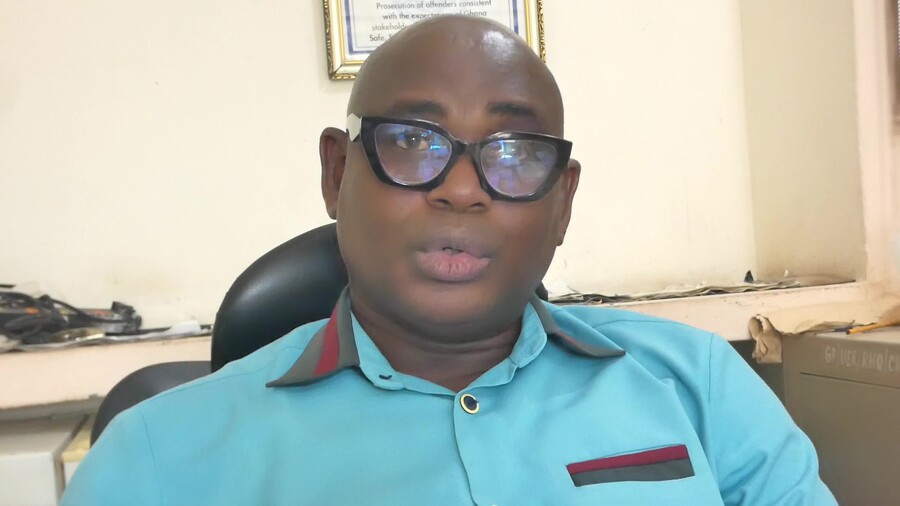
In the revealing documentary “Swallowed by Drugs,” produced by Ngamegbulam Chidozie of Apexnewsgh, Superintendent Mr. Godwin Kpakpoe Moi, Upper East Regional Crime Officer, sheds light on the multi-faceted role of the Ghana Police Service in addressing drug and alcohol abuse, especially among the youth. Supt. Moi emphasized that the police are not only focused on making arrests, but are engaged in a broad, strategic effort to prevent and reduce the consequences of drug abuse across the region. “Our work is layered,” he explained. “It involves intelligence, prevention, partnerships, and, importantly, protecting vulnerable groups such as the youth.” A critical part of the police mandate is the enforcement of drug laws and the disruption of supply chains. Supt. Moi described how law enforcement agencies work to identify and dismantle the operations of drug producers, distributors, and traffickers. “We employ methods like surveillance, informant networks, undercover operations, controlled deliveries, and border checkpoints. The aim is to cut off the supply, because reducing the availability of drugs means fewer young people are exposed to them,” he noted. When offenders are apprehended, the police seize drugs, chemicals, and other paraphernalia. In severe cases, assets such as vehicles and bank accounts used in trafficking are confiscated. These actions not only remove drugs from circulation but also disrupt the financial incentives driving the trade. Recognizing that enforcement alone cannot solve the problem, Supt. Moi highlighted the importance of community policing. “We have become more receptive and open in our approach. We conduct outreach programs in schools, churches, mosques, youth clubs, markets, and lorry parks to educate people about the dangers of drug use and the tactics of dealers,” he said. Through these outreach initiatives, the police inform the public about how drugs fuel crime and encourage citizens to report suspicious activities. They also work closely with schools, training teachers to spot early signs of drug use among students and establishing police-school liaison units to foster ongoing communication. The police also collaborate with guidance counselors and social workers to direct at-risk youth toward help before addiction takes hold. “We are not therapists, but we play a key role in referring drug-dependent individuals to rehabilitation centers,” Supt. Moi explained. He stressed that not every case ends in prosecution; instead, the police support diversion programs, drug courts, and the reintegration of rehabilitated youth back into society. Supt. Moi acknowledged the broader dangers of drug markets, which often attract violence, exploitation, fraud, and gang activity. “We work to remove dangerous individuals from the community, shut down drug dens, and patrol hospitals, schools, and community centers to keep them safe,” he said. The police also collaborate with health, education, and social welfare services, as well as with community and opinion leaders. He cited international partnerships with organizations like Interpol and the United Nations Office on Drugs and Crime (UNODC), which provide training and resources for local officers to better identify and tackle the drug problem. Supt. Moi concluded his remarks with a call for ongoing collaboration. The challenges posed by substance abuse, he said, require joint efforts from law enforcement, healthcare, social services, educators, community leaders, and the public. “Our fight goes far beyond the arrest of suspects. It is about prevention, education, protection, and giving the youth a fighting chance for a healthy, productive future.” His message in “Swallowed by Drugs” reflects the police service’s evolving approach—one that balances enforcement with compassion, and recognizes that solving the substance abuse crisis demands the involvement of the entire community. Source: Apexnewsgh.com
Swallowed by Drugs: Upper East NACOC Commander Outlines Education, Community Partnerships, and Open-Door Policy in Fight Against Substance Abuse
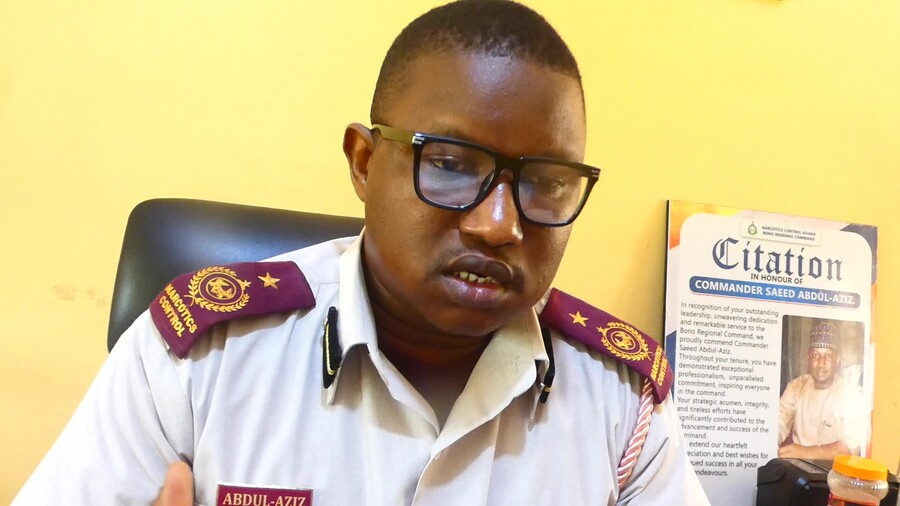
In the thought-provoking documentary “Swallowed by Drugs,” produced by Ngamegblam Chidozie Stephen of Apexnewsgh, Mr. Saeed Abdul-Aziz, Upper East Regional Commander of the Narcotics Control Commission (NACOC), offers a comprehensive look into the region’s ongoing battle with youth drug and alcohol abuse. His remarks highlight not only the commission’s multi-pronged approach but also the crucial role of public engagement, community partnerships, and a compassionate, open-door policy. Commander Abdul-Aziz explains that a core pillar of NACOC’s strategy is public education and awareness campaigns, which are regularly conducted across the region. “We go to schools, FM stations, churches, mosques, and communities to educate the public about the dangers and effects of drug use. We believe that when we start teaching at the basic and secondary school levels, the youth become aware and are less likely to fall into substance abuse,” he states. The commission’s dedicated team works tirelessly, making sure that as many young people as possible are sensitized to the risks of drugs. He further describes how NACOC encourages youth engagement in positive activities as a form of prevention. “We organize sports and cultural events to keep young people involved and busy. The more they are engaged in healthy activities, the less likely they are to be influenced by peers to experiment with drugs,” Abdul-Aziz notes. Recognizing that the fight against drug abuse cannot be won alone, the commander underscores the importance of partnerships. “We actively collaborate with NGOs, religious bodies, and other stakeholders. The work is too large for any one agency, so we reach out and work together to strengthen our impact.” These partnerships extend to enforcement, with NACOC working alongside the Ghana Police Service, Immigration Service, and community leaders to prevent drug trafficking and clamp down on those seeking to bring illicit substances into the region. On the enforcement front, Abdul-Aziz reveals that while cannabis remains the most commonly abused substance in the Upper East, there is a worrying rise in the use of opioids and other synthetic drugs. He notes, “We make a lot of arrests every year, particularly targeting those trafficking drugs into the region. Our teams are vigilant and dedicated to reducing the flow and availability of these substances.” Despite these successes, Abdul-Aziz acknowledges that not all drug users are criminals; many are vulnerable individuals in need of help. “The law now recognizes that substance abusers are, in many cases, sick people who need support, not just punishment. When we encounter such individuals, we counsel them and, where necessary, refer them to rehabilitation centers.” He emphasizes the importance of early intervention and urges families, teachers, and community leaders to bring individuals struggling with addiction to NACOC for help. “Our doors are open. We do not seek to punish, but to help people recover and reintegrate into society.” Commander Abdul-Aziz also addresses concerns about fear and stigma, particularly regarding NACOC officers now wearing uniforms. “Our uniforms should not frighten anyone away. We are here to help, not just enforce. Parents, teachers, and employers should feel comfortable bringing anyone who needs help to us. We will not arrest them but rather support their recovery.” He further appeals to community elders and chiefs, asking for their cooperation and hospitality when NACOC teams come to engage with communities. “Many people who abuse drugs do so out of ignorance of their effects. When we are given the chance to educate, we can make a real difference.” While enforcement and education are vital, Abdul-Aziz stresses that the fight against substance abuse is a collective responsibility. “We urge all stakeholders, government agencies, NGOs, religious institutions, community leaders, and families, to join us. Every child is at risk, and if we ignore the issue, it may eventually affect us all. Working together, we can create a safer environment and reduce crime and conflict fueled by substance abuse.” He concludes with a message of hope and unity: “With combined effort, open dialogue, and compassion, we can save our youth from being swallowed by drugs and secure a brighter future for the Upper East Region.” Through the words of Commander Saeed Abdul-Aziz, “Swallowed by Drugs” highlights not only the challenges but also the proactive steps being taken to turn the tide against youth substance abuse, reminding all that the path to a safer society begins with education, empathy, and collective action. Source: Apexnewsgh.com
Swallowed by Drugs: Upper East Youth President Demands Galamsey-Style Action Against Rising Youth Drug Abuse
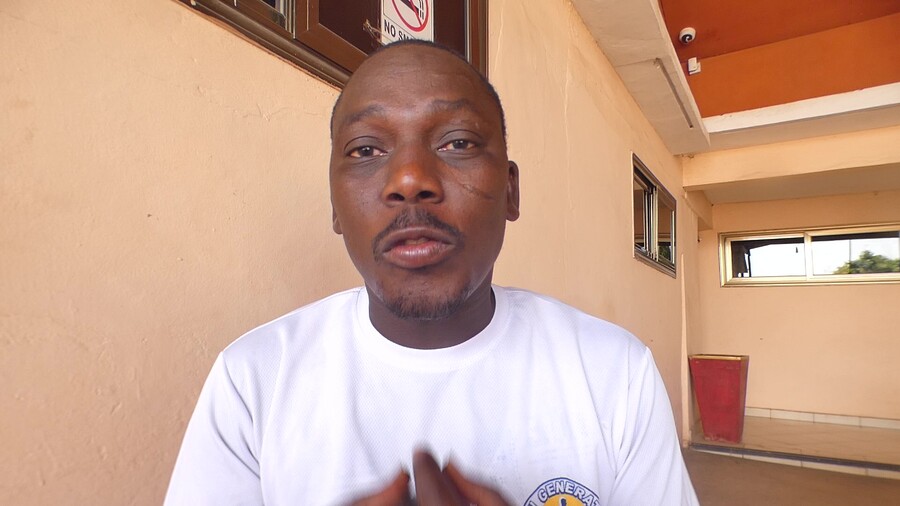
In the acclaimed documentary “Swallowed by Drugs,” produced by Ngamegbulam Chidozie Stephen of Apexnewsgh, Mr. Francis Adingo, President of the Upper East Youth Association, delivers a passionate and urgent call to action on the growing crisis of drug and alcohol abuse among the youth in the Upper East Region. His words echo the anguish of parents, the frustration of community leaders, and the deep concern of citizens witnessing a generation on the brink. Mr. Adingo likens the menace of substance abuse to that of illegal mining, commonly known as GALAMSEY, drawing a parallel between the fight to save Ghana’s rivers and the need to save its youth. “Substance abuse is actually a major, major social canker,” he insists. “Just as we are fighting to protect our land and water bodies from GALAMSEY, we must put the same energy into protecting our youth from drugs and alcohol. What good is it to save the rivers if there is no one left to drink from them?” He paints a poignant picture of parental heartbreak: mothers and fathers who have sacrificed to raise their children, only to see their dreams dashed by addiction. “It pierces the heart of parents to see you give birth, carry a baby for nine months, raise a child up, send a child to school, and then watch helplessly as they drop out or succumb to drugs,” Adingo says. “Parents are crying day in and day out for a solution.” Highlighting the centrality of the youth to Ghana’s future, Adingo underscores that both male and female youth are the backbone of national productivity and promise. “The strength of every nation, the productivity of every nation depends on the youth,” he declares. “If we don’t address this, we are mortgaging the future of our country.” Mr. Adingo does not shy away from assigning blame or demanding accountability. He commends the National Police Special Task Force for their efforts nationwide, but asks, “What is the duty of the Narcotic Control Board? What is the duty of the local assemblies?” He argues that local authorities know where substance abusers gather, yet enforcement is often lax. “Assemblymen know these people. Law enforcement agencies have the intelligence, but why can’t they crack down?” he asks. The lack of action, he believes, allows the problem to fester, even among professionals. “Some are even uniformed men and women, nurses. My own brother was a nurse but lost his way to substance abuse. Today, he is no more.” Adingo is also critical of traditional authorities, lamenting the decline of discipline and community responsibility. “In the past, when you committed a crime, the chief would discipline you. Today, discipline has been abandoned. Chiefs, elders, opinion leaders, many have left us, the youth, to our fate.” This abdication, he observes, has weakened community bonds and accountability. He points to another serious obstacle: the erosion of trust in law enforcement. “You tell a police officer about drug dealers, and suddenly your name is out in the community. People are afraid to provide information because their safety is at risk.” Adingo argues that for the fight against substance abuse to succeed, whistleblowers must be protected, and communities must feel safe to cooperate with authorities. Adingo’s analysis is multidimensional, recognizing that substance abuse does not exist in a vacuum. He links it to poverty, regional disparities in education, and the lack of meaningful employment. “The poverty nature of our region is compounded by drug abuse and the wide gap between the South and North in terms of education,” he notes. “Until we sit down as youth, elders, opinion leaders, and chiefs, until we take collective responsibility, the Upper East is not going anywhere.” He calls for increased investment in youth development: “When more factories are built, when more incentives are given to agriculture and youth employment, the youth will be engaged. When you get yourself so engaged, you won’t have time for these things.” Adingo urges the government, civil society organizations, and all stakeholders to join forces. “We need civil society organizations, we need volunteers… it’s a canker. What do we do to come together to make sure we solve these issues?” A particularly haunting aspect of the substance abuse crisis, Adingo says, is its ripple effect. Addiction tears apart families, fuels domestic abuse, and erodes community values. “Some parents have lost hope in their children. Rehabilitation homes exist, but the fees are often too high for struggling families. We need to make rehabilitation more accessible.” He shares stories of young people who have turned their lives around through such centers, emphasizing that with discipline and support, recovery is possible. Adingo is also troubled by the normalization of substance abuse. “You see women, men, even parents, spending time in drinking spots as if it’s normal. Some die quietly in their sleep, the substances having replaced food and family.” He describes a tragic scene: “A young man demands money from his aging father for drugs; when refused, he chases him with a cutlass.” The problem, he warns, is not isolated. “If you think it is only your neighbor’s family afflicted today, tomorrow it will come to yours. When they finish destroying one community, they move to the next, recruiting more peers into addiction.” Adingo’s call to action is resolute and inclusive. “All of us, pastors, imams, assemblymen, youth groups, civil society organizations, politicians, chiefs, we all have a role to play. We must bring back discipline, support our communities, and not be afraid to speak hard truths.” He concludes on a note of hope, sharing the story of Atinbila, a young man who overcame addiction with community support and rehabilitation. “When we put in the effort, when communities rally around their youth, when we support those fighting addiction, there is hope. We can build a respectable, productive society so that tomorrow, our sons and daughters can live in peace.” Mr. Francis Adingo’s voice in “Swallowed by Drugs” is a clarion call. It is a call for unity, courage, and decisive action, a