


Do We Really Care About Persons with Mental Health Disorders During Flood Disasters?
The Editor-in-Chief of Apexnewsgh, Mr. Ngamegbulam Chidozie Stephen, who also serves as a member of the Mental Health Alliance in the Upper East Region, has raised critical questions about the government’s efforts to protect persons with mental health disorders during disasters. His concerns come in the wake of the recent devastating flooding in Accra, which displaced more than 30,000 households and claimed at least a dozen lives. Reflecting on the tragedy, Mr. Ngamegbulam shared his thoughts: “I have been thinking about this since the unbearable flooding incident in Accra recently. It appears we are actually not concerned about persons with mental disorders. I’m talking about those roaming the streets, those who sleep anywhere they find or wherever they feel comfortable. Some of these people even have children with them, children who, in many cases, were born from circumstances we may never fully understand, yet we see them every day.” He questioned whether society ever truly considers the survival of such vulnerable individuals, particularly during disasters. “While we’re counting submerged cars, over a thousand, we hear, and tallying up the lives lost or disrupted, do we pause to consider those in our midst with severe mental health conditions? Those who may not even comprehend what’s happening around them, who might be asleep in a corner when the floods come, with no one to call for help, no voice to shout their name?” Mr. Ngamegbulam pointed to the lack of attention given to the mentally ill in disaster response efforts. “These people are among the most vulnerable. Who checks on them after a disaster? Who ensures they are safe, alive, or accounted for among the victims? The number of deaths we record, do we ever know if some of those lost were people with mental health disorders, people whose families may not even be able to identify or claim them? These are questions that demand answers.” Drawing parallels to the Ebola crisis, he highlighted a recurring pattern of neglect: “We made a similar oversight during the Ebola crisis. While everyone was rushing for vaccines and taking measures to protect themselves, who paused to think about the predicament of our brothers and sisters with mental health issues? It seems, too often, we only care about ourselves, the so-called ‘right-thinking’ or ‘normal’ people. Those who find themselves living with mental disorders are overlooked, left out of our planning and response in times of crisis.” Mr. Ngamegbulam emphasized that the challenges of a city like Accra make survival difficult even for the healthy. “Accra is a choked city, and this last flood proved how challenging it is for anyone to survive such disasters, even those of us who are healthy. How much harder, then, is it for those with mental health challenges, who may not understand the danger or know how to seek safety?” He called for a more inclusive approach to disaster response: “In times of challenges like flooding or other disasters, we must find a way to consider and actively save our brothers and sisters who are living with mental health issues. They did not choose their condition, circumstances led them there. We must include them in our emergency plans and activities, not avoid or ignore them because of their situation. This is a shared responsibility, and it is time we act on it.” Source: Apexnewsgh.com
When Lawyers Become Liars: The Betrayal of Justice in Africa

Article Written by Ngamegbulam Chidozie Stephen (Journalist) There is a sacred covenant between a nation and its people: that when they stand before the bar of justice, they will be heard fairly, judged impartially, and protected by those sworn to uphold the law. In Nigeria and across much of the African continent, that covenant has been broken. The guardians of justice have become its executioners. When lawyers become liars, and judges become pawns of power, the common man is left with nowhere to turn. The legal profession in Nigeria was once regarded with reverence, a calling for those who would defend the helpless and speak truth to power. Today, that temple has become a marketplace where justice is negotiated, not delivered. As former Presidents Olusegun Obasanjo and Goodluck Jonathan, alongside the Sultan of Sokoto, recently warned, justice in Nigeria is “too often negotiated, not delivered”. This is not rhetorical flourish; it is an indictment of a system that has drifted from adjudication to auction. What we are witnessing has been aptly described as “judicial rascality”, a culture of lawlessness within the law. Midnight ex parte orders overturn broad daylight realities. Contradictory injunctions issue from courts of coordinate jurisdiction. Bail is dispensed as a favor, not a right. The judge becomes a partisan tactician; the courtroom behaves like a campaign secretariat; the docket bends for the powerful and breaks the poor. When citizens learn that knowing the judge is more valuable than knowing the law, the social contract begins to tear. A widow can wait years to be heard on a small land case, while a developer’s injunction materializes overnight. One buys results; the other buys despair. The erosion of Nigeria’s justice system is driven not only by corrupt judges but by legal practitioners who have abandoned their roles as ministers in the temple of justice for unethical commercialism. Lawyers have become the architects and facilitators of this decay, presenting tainted materials, suppressing facts, and misrepresenting court orders to deceive the bench. Human rights lawyer Victor Giwa’s ordeal offers a chilling illustration. Giwa is being prosecuted for alleged forgery, a case built on claims that the supposed victim, Senior Advocate Awa Kalu, has explicitly denied. Despite Kalu’s formal letter to the Inspector General of Police stating that his letterhead was never forged and that he never lodged any complaint, the police pressed charges anyway. The complainant, a connected individual, allegedly funds the trial and communicates with the court concerning proceedings. Giwa’s motion for the judge to recuse himself was dismissed. A civil society organization has petitioned the Chief Justice of Nigeria to probe what it describes as the “persecution” of this human rights lawyer by judicial officers. Political interference in the judiciary did not creep in quietly, it marched in through appointments weaponized by loyalty tests, through strategic postings, and through the quiet shepherding of “sensitive” cases to particular hands. Underfunding and insecure welfare make virtue lonely. Complex procedures reward obstruction. The consequences are devastating. Human rights lawyer Deji Adeyanju has blamed Nigeria’s “systemic culture of impunity” and executive interference for stalled accountability following the #EndSARS protests. Court judgments awarding damages to victims were simply ignored by the government. As Kunle Edun (SAN) observed: “Disrespect for judgments is an invitation to anarchy, not even a million soldiers can stop it”. The Citizens’ Liberties Committee of the Nigerian Bar Association has decried the persistent disobedience of court orders by government institutions and powerful individuals. Supreme Court judgments affirming local government autonomy remain unenforced. Court orders declaring suspensions illegal are flouted. When the government itself refuses to obey the law, what message does this send to the common citizen? Perhaps most damning is the silence of the Nigerian Bar Association itself, the body created to defend the rule of law and protect the legal order. The family of Nnamdi Kanu has condemned the NBA for remaining silent over what it describes as the unlawful trial of the detained IPOB leader, a trial based on a repealed, non-existent law. “This is not neutrality,” the family declared. “It is aiding injustice by doing nothing”. Former NBA presidential aspirant Ubani has similarly criticized the association’s failure to intervene in the widespread injustices and inefficiencies lawyers face in Nigeria’s judiciary. “The Bar’s silence in the face of these indignities is not only disappointing but deeply troubling,” Ubani stated. “A legal profession that cannot defend its own is doomed to irrelevance”. The fate of those who dare to speak truth to power is instructive. Professor Chidi Anselm Odinkalu, a senior lawyer and former Chairperson of the National Human Rights Commission, has faced professional reprisals for publicly raising concerns about judicial conduct and executive interference in Nigeria. After publishing an article examining improper relationships between senior judicial officers and the executive branch, a senior government minister reportedly petitioned the Body of Benchers to “invite and discipline” him. The Special Rapporteur on the independence of judges and lawyers has expressed serious concern over these developments. Lawyers who defend their clients’ rights are arrested and detained. Aloy Ejimakor, counsel to Nnamdi Kanu, was arrested during a peaceful protest and remanded in Kuje prison. Omoyele Sowore has been arrested multiple times for exercising his constitutional rights. In September 2025, lawyer Chinedu Agu was remanded in prison on criminal defamation charges over opinion articles criticizing the Imo State governor. Across Africa, the story is the same. In Eswatini, lawyers face daunting obstacles in operating independently amid serious and ongoing threats to their lives, intimidation, harassment, and surveillance. Prominent human rights lawyer Thulani Maseko was extrajudicially killed in his home in front of his wife and children in January 2023, and the authorities have failed to bring anyone to justice. Lawyers in Eswatini fear being followed, harassed, threatened, and even killed. Women lawyers are threatened with sexual violence. Lawyers face adverse economic consequences for taking on cases perceived as “political”. In Uganda, human rights lawyer Eron Kiiza was sentenced by a military court, without access to a civilian trial, for “contempt of court”.
Ngamegbulam Takes Anti-Drug Campaign to Zorkor Tarongo Primary School

In a determined effort to combat youth drug and alcohol abuse, Mr. Ngamegbulam Chidozie Stephen, Editor-in-Chief of ApexNewsGH, has extended his advocacy to the Zorkor Tarongo Primary School in the Bongo District of Ghana’s Upper East Region. Mr. Ngamegbulam’s visit forms part of his broader mission to reach young people early and steer them away from the dangers of substance abuse. The award-winning journalist is no stranger to this cause. In 2025, he produced a powerful documentary titled “Swallowed by Drugs,” which highlighted the harsh realities and struggles faced by youths ensnared by addiction. Drawing from his research and experience, he addressed students, teachers, community leaders, and parents at Zorkor Tarongo Primary School, raising awareness about the escalating problem of drug and alcohol abuse among young people in the area. During the engagement, Mr. Ngamegbulam urged parents and guardians to closely monitor their children, emphasizing the rising trend of youth involvement in substance abuse within the Bongo District. He warned that early exposure to drugs such as tramadol, cannabis, Red Red, and other substances could derail the ambitions of children, jeopardizing their dreams of becoming doctors, nurses, journalists, or teachers. He appealed to students to look up to successful role models within their community, pointing out that these individuals achieved their positions through hard work and discipline, not through substance abuse. “If they had indulged in drugs or alcohol, they wouldn’t be where they are today,” he asserted. The sensitization event was well received by both the school authority and the community leadership. Naba Abelizire Ayeta II, the Chief of the area, expressed gratitude for Mr. Ngamegbulam’s initiative, describing the campaign as essential for every parent in Tarongo. Hon. Akelinyana Peter, Assemblyman for Tarongo/Atiabiise Electoral Area, also lauded Mr. Ngamegbulam as a dedicated youth ambassador who is using his media platform to change lives. He urged parents to heed his advice to guide their children towards responsible adulthood. The Headmistress of Zorkor Tarongo Primary School, Madam Azeko Mary Ngoomah, echoed these sentiments, noting the importance of regular educational outreach on drug and alcohol abuse, which she said is becoming increasingly prevalent in schools. Mr. Ngamegbulam’s visit underscores the urgent need for collective community action to protect the dreams and futures of young people from the devastating impact of substance abuse. Source: Apexnewsgh.com
Journalist Calls for Routine Drug Testing in Schools to Curb Student Indiscipline

In a compelling opinion shared with the public, Mr. Ngamegbulam Chidozie Stephen, Editor-in-Chief of Apexnewsgh, is sounding the alarm on the growing crisis of drug and alcohol abuse among students in Ghana’s educational institutions. According to Mr. Ngamegbulam, this troubling trend is not only fueling riots and widespread property damage but is also undermining discipline in junior high, senior high, and tertiary schools across the country. Citing a 2025 study that revealed over 60% of senior high school students in certain regions have used drugs or alcohol, often starting between the ages of 16 and 18, Mr. Ngamegbulam is urging the government to take action. His proposal: mandatory drug and alcohol testing for all students seeking admission into junior high, senior high, and tertiary institutions in partnership with the Ghana Education Service (GES). He believes this testing should be a regular, periodic exercise, not just a one-time event, to ensure sustained accountability and to act as a deterrent against substance abuse. Mr. Ngamegbulam references the recent turmoil at Bolgatanga Technical Institute (BOTECH), which faced repeated closures due to student riots and planned attacks, as a stark warning of the consequences of unchecked substance abuse in schools. “If students know they will be tested regularly, it will serve as a deterrent,” he argues. Furthermore, he suggests that any student who tests positive for drugs or alcohol three consecutive times should face suspension, a policy he believes would restore discipline. He advocates for this approach to be implemented collaboratively by the GES and the Narcotic Control Commission, ensuring a robust and effective drug and alcohol testing regime nationwide. The ultimate aim, in Mr. Ngamegbulam’s view, is to prevent students from becoming liabilities to themselves and their communities, and instead foster environments where learning and personal growth can flourish. For Mr. Ngamegbulam, the message is clear: unless bold and coordinated action is taken against drug and alcohol abuse, Ghana’s schools face further disruption and the risk of losing a generation’s potential. Regular drug and alcohol testing, along with strict disciplinary measures, could be the solution to restoring order and safeguarding the future of Ghana’s youth. This, he insists, is a conversation the nation can no longer afford to postpone. Source: Apexnewsgh.com
Banks, Filling Stations, and Telecoms Should Be Mandated to Provide Toilets: Journalist Calls for Bold Action Against Open Defecation
In a passionate call to action, the Editor-in-Chief of Apexnewsgh, Mr. Ngamegbulam Chidozie Stephen, has urged the government, through Municipal and District Assemblies, to enact laws compelling banks, filling stations, telecommunication offices, and other commercial establishments to provide modern toilet facilities for their clients. According to the journalist, such a measure would significantly reduce, and potentially help eradicate, open defecation (OD), a persistent public health crisis affecting both urban and rural communities across Ghana. “Open defecation is a serious threat to our health. It is something that needs to be worked on urgently,” Mr. Ngamegbulam stated. “The government must take it seriously because it affects lives, and when lives are affected, properties are also affected.” Despite national efforts, the journalist cited recent data indicating that as of late 2025, approximately 5.4 million Ghanaians – about 18 percent of the population – still practice open defecation, posing a significant public health risk. The prevalence rate has hovered between 15.2 and 18 percent, with rural areas and villages bearing the brunt. The situation is particularly dire in the Upper East Region. According to the 2021 Population and Housing Census, the region has a population of 1,301,226. Recent studies published in 2025 and 2026 show that open defecation rates there remain critically high, with estimates ranging from 49 percent to a staggering 81.9 percent of households engaging in the practice. “The Upper East Region is consistently identified every year as having one of the highest open defecation rates in Ghana. This is a cause for great worry,” Mr. Ngamegbulam emphasized. Mr. Ngamegbulam argued that tackling open defecation requires innovative thinking beyond conventional approaches. “When issues like this come up, we should be able to think outside the box. What should we do as a people to minimize this, even if we cannot eradicate it completely?” he asked. He pointed to the rapid proliferation of banks, filling stations, and other businesses across communities, yet these establishments rarely provide toilet access for their clients. “It is unfair that you go to a bank to transact business, and unfortunately, you feel the urge to ease yourself, but there is no toilet provision made for clients,” he said. “You are forced to look for a nearby bush, enter there to avoid disgracing yourself, and in doing so, create more health hazards for society.” Mr. Ngamegbulam believes that if these establishments were required to provide appropriate toilet facilities, it would go a long way in reducing open defecation. The journalist proposed a practical solution: Municipal and District Assemblies should enact by-laws making it mandatory for any bank, filling station, or similar facility within their jurisdiction to have a public toilet attached. “If assemblies can consider enacting this in their laws, it will go a long way in the fight against open defecation,” he said. “Everyone needs to come on board to contribute to eradicating this practice from our society.” He also stressed the need for toilet facilities in schools and noted that many homes still lack attached toilets, a worrying gap that demands urgent attention. “Any serious government that cares about the health of its people must take this seriously,” Mr. Ngamegbulam concluded. Source: Apexnewsgh.com
Modern Day Social Media Slavery: The Monetization Dilemma Facing African Content Creators

Ngamegbulam Chidozie Stephen Email: apexnewsgh@gmail.com In the digital age, social media has become a global equalizer, bridging continents, cultures, and communities. Platforms like Facebook, TikTok, Instagram, and YouTube have revolutionized how we interact, share stories, and even build livelihoods. Yet, beneath this veneer of democratization, a troubling disparity persists, one that many African content creators and digital entrepreneurs are finding increasingly difficult to ignore. The question that lingers: Why are African creators still largely excluded from direct monetization opportunities offered by these very platforms? Recently, media personality Ngamegbulam Chidozie Stephen voiced his concerns about what he describes as “modern-day social media slavery,” a term that resonates deeply with many across the continent. His frustration and that of countless others stems from the ongoing marginalization of African voices in the digital economy, particularly when it comes to earning money from content creation. Africa’s social media landscape is nothing short of remarkable. TikTok, for example, boasts over 189 million users across the continent, an impressive 11.9% of its global audience. The surge is most notable among Gen Z, with Egypt and Nigeria leading in user numbers at 32.9 million and 27.4 million, respectively, closely followed by South Africa’s 17.5 million. Facebook’s dominance is even more pronounced, with between 290 and 377 million African users as of 2025-2026, representing a staggering 82% market share among all social platforms. Instagram and YouTube also enjoy robust growth, driven by widespread smartphone adoption and improving internet infrastructure. YouTube alone counts roughly 180 million African users, with Egypt, Nigeria, and South Africa topping the charts. These statistics highlight Africa’s immense contribution to the global digital community. The continent’s youth, in particular, are not just passive consumers; they are active creators, trendsetters, and influencers. Yet, despite their numbers and creativity, a significant barrier remains: the inability to directly monetize their creativity on major platforms like TikTok. For millions of African content creators, the lack of direct monetization options is not just an inconvenience; it’s a structural disadvantage. TikTok, in particular, has come under scrutiny for not enabling direct monetization for African users, despite the platform’s rapid growth and deep penetration across the continent. While some African countries have recently gained access to Facebook’s monetization features, TikTok’s policies still leave many creators in the lurch. This exclusion means that, for now, the only way for an African TikTok creator to earn from their content is through complex workarounds. Typically, creators must rely on intermediaries based in the US or Europe, who register accounts, enable monetization, and then share the proceeds with their African partners. This not only complicates the process but also perpetuates a dependence on Western gatekeepers, a scenario that many, including Mr. Stephen, liken to a new form of digital servitude. The frustration is palpable, especially when considering the influence of African content creators on global trends. Figures like Mark Angel, Itsyaboymaina, Carter Efe, Ilyas El Maliki, Wode Maya, Mihlali Ndamase, Aisha Yesufu, and others have amassed millions of followers and generated content that resonates far beyond the continent’s borders. They are proof that African creativity is not only vibrant but also commercially viable. Yet, these same heroes are now being called upon to leverage their influence for change. As Mr. Ngamegbulam passionately argues, they have a responsibility, not just to themselves, but to the broader African creator community, to advocate for policy reforms that will allow direct monetization for all African users. Their collective voices could pressure tech giants to recognize Africa’s value not just as a market, but as an essential part of the global creative economy. Describing the situation as “modern-day slavery” is not mere hyperbole. The current dynamics effectively relegate African creators to second-class status in the digital world. While creators in the West enjoy seamless access to monetization features, sponsorships, and brand partnerships, their African counterparts are forced to navigate a maze of bureaucratic hurdles and rely on international connections just to earn a share of the same opportunities. This is particularly egregious when considering that Africa’s youth are among the most engaged and dynamic users of these platforms. The West reaps the benefits, both in terms of advertising revenue and cultural capital, while Africans are left scrambling for scraps. The exclusion is not only economically damaging, but it also sends a troubling message about whose voices and stories are considered valuable in the digital age. For many young Africans, social media represents more than just entertainment; it’s a lifeline to economic empowerment, self-expression, and global visibility. The inability to monetize content directly stifles entrepreneurship, discourages innovation, and perpetuates existing inequalities. It also means that Africa’s digital economy is not reaching its full potential, with billions of potential revenue lost to foreign intermediaries. Moreover, the absence of direct monetization deepens the digital divide between Africa and the rest of the world. It prevents local creators from reinvesting in their communities, building sustainable businesses, or even supporting themselves and their families. This is especially critical given the continent’s burgeoning youth population and high unemployment rates, conditions that make the promise of digital entrepreneurship all the more appealing. The reasons behind this exclusion are complex. Some platforms cite issues like payment infrastructure, regulatory challenges, or concerns about fraud. Others may simply be slow to adapt their policies to regions outside their primary markets. But whatever the rationale, the effect is the same: African creators are systematically denied the same opportunities afforded to their peers elsewhere in the world. This disparity is all the more galling given the relentless growth of social media usage in Africa. The continent is one of the fastest-growing markets for platforms like TikTok, Instagram, and YouTube. Its users are young, tech-savvy, and eager to engage. They create viral trends, generate massive view counts, and shape conversations on a global scale. The data is clear: Africa is not just a consumer market; it is a creative powerhouse. It is both ironic and troubling that, to monetize their creativity, African content creators must rely on Western infrastructure and intermediaries. This not
The Broken Chalkboards: Upper East Peace Council Chair Decries Rising Student Riots
Alhaji Sumaila Issaka, Chairman of the Upper East Regional Peace Council, has voiced grave concern over the growing trend of student riots in the region, a worrying development he believes is fast becoming a destructive norm among secondary schools. In a recent interview for the documentary “The Broken Chalkboards,” produced by Ngamegbulam Chidozie Stephen for Apexnewsgh, Alhaji Issaka laid bare the scale of the problem and the urgent need for dialogue and reform. “It’s been a very difficult situation in this region, especially the way this rioting has been going on. It’s now like a canker and so contagious. The moment Zamstech demonstrates, the next day Gowrie is demonstrating, the next day Bongo is demonstrating, the next day Big Boss, and then on and on,” Alhaji Issaka lamented. He noted that while older institutions such as Navrongo Senior High School, Notre Dame, and Bawku Senior High School, as well as the training colleges, where students are considered adults, rarely report such incidents, the wave of unrest continues unabated among the newer institutions. “What I personally don’t understand is why these demonstrations, when you have an SRC that can present your grievances to the authorities,” he added, underlining his bewilderment at the preference for destructive protest over dialogue. Kindly watch the full video here: https://youtu.be/GSQR3-T6EaE. The Peace Council, Alhaji Issaka revealed, had previously initiated peace clubs in several schools as a proactive measure to curb the violence. However, these efforts were hamstrung by a lack of funding, making it impossible to sustain regular outreach. “It’s been of great disturbance to us, especially the destruction on the campuses,” he said, noting the heartbreak of seeing already scarce resources in one of Ghana’s poorest regions destroyed by students themselves. He recalled, “They will not pass Presec or Achimota and give us a bus here if the supplies are very few. Yet we continue to destroy the few that we have. When we went to school, we didn’t demonstrate, but now it’s like they are so proud of it.” Alhaji Issaka expressed his frustration at the often trivial reasons for these demonstrations. “Most of the time they are so flimsy, so annoying that you cannot tolerate them,” he said. He cited the example of students at Gowrie Senior High School insisting on shower facilities despite vandalizing existing ones, and then demanding the dismissal of the headmistress when standpipes were provided instead. In other cases, students ignored bans on personal electronic devices and overloaded dormitory sockets, leading to repeated fires and costly repairs, only to protest when precautionary measures were implemented. “What bothers me most is that the reasons are so flimsy. And if that is even the case, must you go and damage the property of the school? Then you keep complaining, we don’t have this, we don’t have that,” he said. He recounted students insisting on using coal pots for science practicals instead of the safer Bunsen burners of his own school days, and the paradox of demanding better conditions while destroying what little is available. The recurring destruction, Alhaji Issaka noted, ultimately impacts innocent parents who are forced to pay for damages. “After every investigation, money will be paid. And this money will come from the parents,” he explained, recounting a personal experience at Senegal Senior High, where burned motorbikes had to be replaced, ironically benefitting some teachers but compounding hardship for families. Another disturbing trend is the rise of tribalism in school leadership, a stark contrast to the diversity and harmony of past decades. “To the extent that, if you are not a Kassena-speaking boy, you cannot be Senior Prefect in Navrongo Secondary School. If you are not a Guruni speaking boy, you can’t be the Senior Prefect of Big Boss, Tongo Senior High School. If you are not a Kusasi-speaking boy, you cannot be a Senior Prefect of Bawku Secondary School. Why? So this is what is happening? Even though they are extending it to their heads, insisting that if you are not from that area, you shouldn’t be a head. Really?” he asked incredulously. He reflected fondly on the past, when students and leaders from various backgrounds worked together without division, and called the current climate “a big headache.” Despite setbacks, the Peace Council is determined to revive its outreach efforts. Alhaji Issaka detailed recent and ongoing attempts to coordinate with regional education authorities and NGOs to reintroduce peace-building programs in schools. Plans are in place to divide the council into groups and visit schools across the region, fostering dialogue and conflict resolution skills among students. The council’s goal is clear: to help students understand the importance of using the SRC as a channel for grievances, rather than resorting to violence. “Let the students understand that the SRC is there to represent them at the various meetings. And if they have any grievances, they should pass them to those committee members. So that when they go, they table it,” he advised. Alhaji Issaka believes much of the unrest stems from a lack of awareness and leadership among students, and from the influence of troublemakers. He noted that simple disputes, such as the theft of a phone, which is itself contraband, can quickly escalate into widespread violence and even tribal conflict. “Two students fight, and the Bawku incident crops up. You come, and it’s your kinsman against another man, and you just join the fight.” He urged proper reporting and resolution of issues through the appropriate channels, rather than resorting to mob justice or property destruction. “If you suspect somebody, report him to the authorities. And if they search him and find your phone, they give it to you. But these fights, now, the tribal fighting is in these two schools. Which was not the case before.” Alhaji Issaka closed with an impassioned plea for a return to civility and the prioritization of dialogue, warning that continued unrest threatens not only the schools but the entire region’s progress. “We want us to grow. Yet, we are last in everything.
Tobacco’s Silent Threat: FDA Discusses Public Health, Policy, and Cultural Change
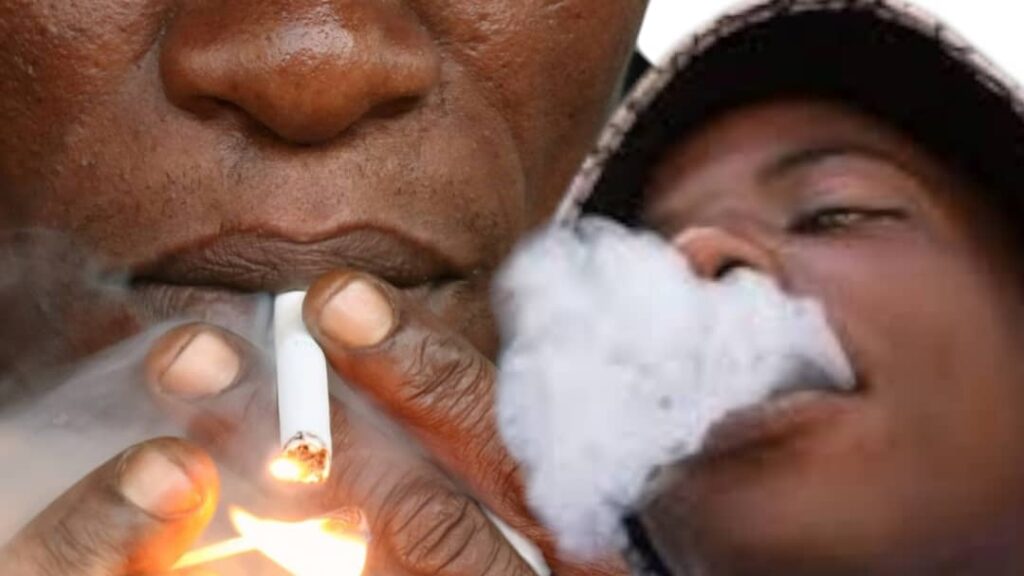
In an era where lifestyle choices are increasingly scrutinized for their long-term health implications, the conversation surrounding tobacco use remains one of the most critical public health dialogues globally. In an exclusive and illuminating engagement, Mr. Abel Ndego, the Upper East Regional Director of Ghana’s Food and Drugs Authority (FDA), provided a stark, evidence-based dissection of the tobacco epidemic. This dialogue, far more than a simple interview, serves as a documentary-grade testament for those still ignorant of the profound dangers of tobacco and the robust legal framework designed to combat its scourge. The session, spearheaded by Editor-in-Chief Mr. Ngamegbulam Chidozie Stephen, transcended basic awareness, delving into the science of addiction, the specifics of Ghana’s legislation, and the nuanced battle against deeply entrenched cultural practices. Mr. Ndego framed the discussion with sobering global statistics that underscore the urgency of the FDA’s mission. “Over 8 million people die from tobacco use and second-hand smoke globally each year,” he stated, affirming its position as the world’s leading preventable cause of death. This grim tally includes approximately 7 million deaths from direct use and 1.3 million non-smokers succumbing to second-hand smoke exposure, with a disproportionate impact on low- and middle-income nations. Translated into a daily horror, tobacco claims nearly 22,000 lives every day. These figures are not abstract; they represent a relentless public health emergency that national authorities like the FDA are mandated to address through education, regulation, and enforcement. A central thrust of the engagement was dispelling myths and revealing the hidden equivalencies in tobacco consumption. With emphatic clarity, Mr. Ndego highlighted one of the most alarming facts: “Going through one hour session of shisha is equivalent to smoking between 100 and 200 sticks of cigarettes.” This revelation often stuns casual users who perceive shisha as a social, filtered, and less harmful alternative. The reality is that a single shisha session delivers a massive dose of toxicants, debunking its benign reputation. The chemical cocktail within tobacco smoke, Mr. Ndego explained, is a brew of over 3,000 harmful substances. “Formaldehyde, what they used to make formalin for the embalming of dead bodies, is found in there. We have tar… a lot of carcinogens… heavy metals like lead and cadmium.” These components are directly linked to cancers, cardiovascular diseases, respiratory illnesses, and a host of other dire health consequences. The addictive engine driving this consumption is nicotine, a substance that creates a physiological “hunger,” compelling repeated use and deepening dependency. “There is proof also,” Mr. Ndego added, “that people who have smoked continuously for more than five years are most liable to lose 10 years of their life.” Beyond education, the FDA’s work is firmly rooted in legislative action. A cornerstone of Ghana’s strategy is the ban on public smoking, a law whose rationale extends beyond the individual smoker. “It’s a crime to smoke in public,” Mr. Ndego asserted. The science of second-hand smoke is unequivocal: “All the health risks of the smoker, the secondhand smoker is liable to them as well. And so why would I suffer for somebody’s enjoyment?” The definition of a public space is intentionally broad. “Even your private vehicle, as long as you pick a passenger, ceases to be private… You cannot smoke there.” Enforcement, he clarified, is a shared responsibility. “The beauty of this is that… you can even effect citizen arrests. If somebody is smoking in your environment, you can report the person to the police.” The FDA has complemented this law with extensive stakeholder engagements, distributing “No Smoking” stickers and educating groups like the Ghana Private Road Transport Union (GPRTU) to ensure terminals and vehicles are compliant. Perhaps less known is the illegality of a common market practice. “It is a crime to sell single sticks of cigarettes to people,” Mr. Ndego declared. This prohibition, under Section 6 of the Public Health Act, is fundamentally about informed consent. A cigarette pack carries mandated pictorial health warnings and graphic images of diseased organs, which communicate the product’s risks. A single stick offers no such warning. “The space on a single stick is so small… it must be sold in the pack so that the health warning can really send a message.” Selling illicit, unregistered cigarettes that lack these warnings altogether is an even more severe contravention. One of the most sensitive aspects of the FDA’s work involves engaging with cultural institutions. In many regions, including the Upper East, tobacco is woven into traditional rites. “If you want to marry, they will tell you that you have to present tobacco… greeting your in-laws,” Mr. Ndego noted. The FDA, in a respectful and collaborative manner, has initiated dialogues with the Regional House of Chiefs. “We have been engaging… to see how together they can substitute the tobacco for something else,” such as a symbolic monetary representation. While acknowledging that altering longstanding traditions “takes time,” Mr. Ndego reported a receptive audience attuned to the health and developmental arguments. Simultaneously, the authority is battling the tobacco industry’s adaptation through technology. The market is now flooded with sleek, discreet nicotine delivery devices. “We have e-cigars… some come in the form of pens… I even saw one that was like a smartwatch,” Mr. Ndego described. These products, often appealing to youth, vaporize nicotine-laced liquids, leveraging technology to perpetuate addiction. The FDA remains vigilant, recognizing that regulation must evolve as quickly as the products it seeks to control. Ghana’s comprehensive approach extends to stifling the tobacco industry’s influence. “Tobacco companies are not permitted by law to sponsor any event in Ghana. They cannot even donate money to save a life… They cannot brand any products,” Mr. Ndego outlined. This near-total ban on advertising, promotion, and sponsorship is a critical World Health Organization-backed measure to denormalize tobacco use and prevent targeting the youth. Furthermore, the state employs fiscal policy as a deterrent. Significant fees for product registration, “you would not pay less than, I think, ten to fifteen thousand dollars” per brand, combined with heavy taxes, aim to limit accessibility and generate revenue for public
The Broken Chalkboards: Hon. Volmeng David Nansong suggests reintroduction of corporal punishment in schools
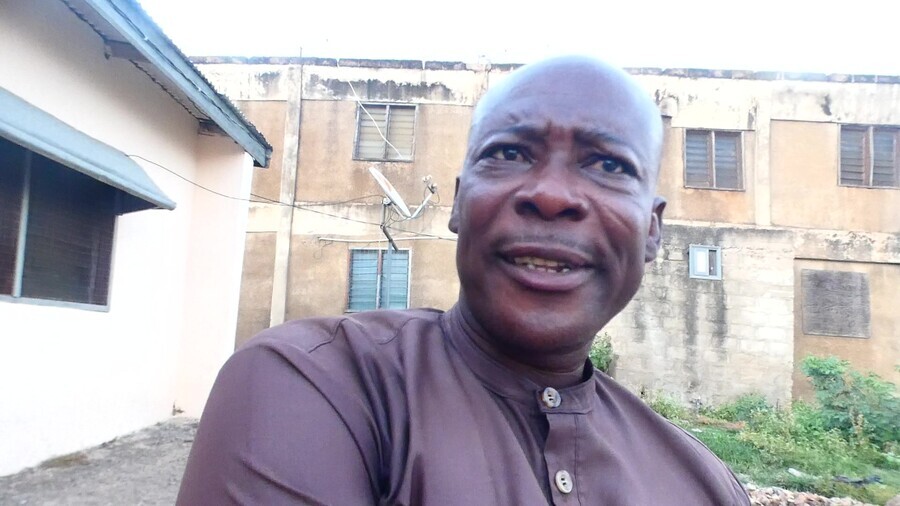
In recent times, become grounds for unrest rather than learning. Hon. Volmeng David Nansong, the Regional Secretary for the Parent Teachers Association (PTA), sat reflecting on an alarming trend: student riots erupting across the region’s secondary schools. His thoughts, captured in an Apexnewsgh documentary titled “The Broken Chalkboards,” produced by Ngamegbulam Chidozie Stephen, were not only observations but a rallying call to action. For parents, educators, and policymakers alike, this was no longer a problem to ignore. David Nansong spoke with the gravity of one entrusted with the hopes of parents and the future of children. “As secretary to the PTA,” he began, “I see the immense role parents play. But what’s truly causing these issues in our secondary schools?” He leaned forward, voice steady: “There are two main issues. The first is the use of mobile phones.” Kindly watch the full video here: https://youtu.be/GSQR3-T6EaE. Mobile phones, once symbols of progress and communication, had become the root of chaos. Although regulations prohibited their use in schools, compliance was abysmally low. Many students did not, in fact, buy these devices themselves; parents, often unknowingly, supplied them. Others acquired phones through less innocent means: gifts from boyfriends, odd jobs, or even theft. School administrators, recognizing the danger, had begun confiscating these devices. The response from students was swift and organized. Plans were hatched to incite confusion and riots, creating opportunities to break into storage rooms, most notably, the senior house master’s office, where confiscated phones were kept. “I can mention Zamse Senior High Technical, Bolga Senior High, and others,” he recounted, “where students broke in and reclaimed their phones. Fortunately, the school management, with the help of the students themselves, identified and apprehended the culprits, who were handed over to the police.” But the aftermath was sobering. Offices vandalized, damages incurred, and in some instances, violence escalated, libraries burned, water systems destroyed, all in pursuit of forbidden phones. The second major catalyst was the spillover of local conflicts, particularly the recent unrest in Bawku. Rivalries between tribes, which found their way into school corridors, fanned the flames of discord. “The conflict didn’t remain in the community,” Nansong explained, “it spilled into the schools, especially in rural areas. Students affiliated with opposing tribes carried tensions into classrooms, turning academic environments into battlegrounds.” It was not uncommon, he noted, for a spark in one school to ignite unrest in another. Through informal networks and social media, students coordinated actions across institutions, threatening the fragile peace that school authorities struggled to maintain. A third, subtler factor was the introduction of the Free Senior High School policy. While the initiative was lauded for making education accessible to all, it unintentionally eroded accountability. “Students now believe that regardless of their performance, they’ll remain in school. There is no demotion, no consequence for failure,” Hon. Nansong observed. “Whether they study or not, promotion is guaranteed.” This lack of academic consequence bred apathy. The abolition of corporal punishment, though a progressive step, left teachers wary. Fearful of repercussions, teachers hesitated to enforce discipline. “Students took this as license to misbehave. Teachers, uncertain of their limits, often turned a blind eye,” Nansong lamented. The cumulative effect was a student body emboldened to challenge authority, sometimes going as far as publicly insulting national leaders on social media, and a teaching staff rendered powerless to intervene. As if these challenges were not enough, the years 2023 and 2024 brought a new crisis: food shortages in schools. Adolescents, still growing and hungry, found themselves subsisting on meager rations, plain maize, garri and beans, porridge without sugar. “At that age, they cannot sustain hunger for long,” Mr. Nansong pointed out. “The lack of proper nutrition led to frustration and, for some, the riots became an outlet for their grievances.” School leaders, bound by bureaucracy and perhaps fear of reprisal, rarely spoke openly of these shortages. Yet, for those in leadership, the link between inadequate feeding and student agitation was clear. By 2025, however, the situation seemed to improve. Reports of food scarcity dwindled, and the frequency of demonstrations reduced. The only major incident that year stemmed from renewed tribal conflict, not deprivation. Hon. Nansong’s message to parents was stern: “Charity begins at home. Parents must be vigilant about what their children bring to school, especially mobile phones.” He urged parents to interrogate the source of any phone call received from their child at school, to visit schools regularly, and to keep in touch with teachers. He recounted a tragic incident where a student, believed by his parents to be attending school, drowned at a hotel swimming pool. School records revealed the student had never reported for the term. “If parents had checked, they would have known,” Nansong said, underscoring the need for constant communication between home and school. Recent debates over student appearance, particularly the directive for students to keep their hair neat and trimmed, sparked national conversation. Mr. Nansong supported the Education Minister’s stance, comparing school regulations to those of security services and training colleges. “In the security services, there are prescribed hairstyles and uniforms. Nursing trainees can’t do their hair anyhow. Why should this be an issue for our students?” he asked. He emphasized that neatness did not preclude natural hair, but rather discouraged neglect and disorder. He dismissed comparisons to the Achimota Rastafarian case, noting that religious exceptions were different from general discipline. “This is not about curtailing freedom; it’s about instilling the standards needed for communal learning and personal responsibility.” Hon. Nansong’s reflections were not a condemnation of today’s youth. “Not all students are bad,” he affirmed, “but certain behaviors threaten the peace and progress of all.” He recounted with sadness how, at Zamsi Senior High, students vandalized the senior housemaster’s office and stole confiscated mobile phones before their final exams. The responsible students were held accountable for the damages. “If a poor widow sends her child to school, and the child destroys property, it is only fair that the student pays for it,” he reasoned. “If you know
Journalist Leads Crusade Against Youth Drug and Alcohol Abuse in Schools
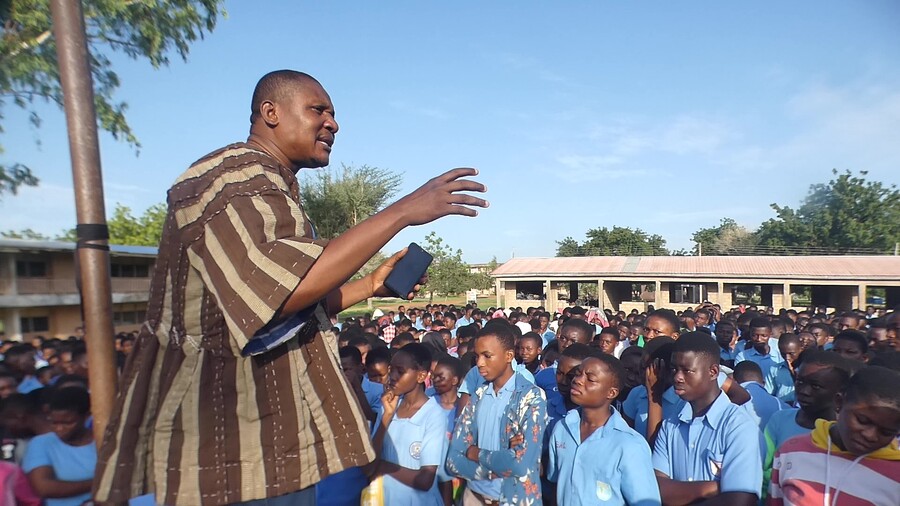
In an intensified effort to curb rampant substance abuse among young people, multiple award-winning journalist Mr. Ngamegbulam Chidozie Stephen has shifted his media campaign to school grounds. His latest stop: Bolgatanga Senior High School (BIGBOSS), where he engaged students on the dire dangers and shattered futures linked to drugs and alcohol. His journey to this podium had begun not in a newsroom, but in the shadows. It had started with a camera lens pointed into places most avert their eyes from: the ghettos. His recent documentary, bearing the grim title “Swallowed by Drugs,” was not just a piece of work; it was a testament to a deepening nightmare. The footage he captured in various ghettos was a brutal, unvarnished portrait of a generation in peril. Young men and women, some barely older than the students now before him, lost in a haze of illicit smoke and cheap alcohol, their eyes hollow, their potential leaching away into the dirt floors of derelict shacks. Watch the full documentary: He had spoken to them, these ghosts of what could have been. Their stories were a broken record of tragedy. “I started in school,” one whispered, his voice thin as paper. “My friends said it would make me feel good, make me forget my problems.” Another, shivering slightly, confessed, “It is part of me now. I cannot stop. My family, they don’t know me anymore.” Many had abandoned their education, their homes, their very identities, seduced and then enslaved by substances that promised escape but delivered only a cage. These were not faceless statistics to Ngamegbulam. They were individuals whose dreams had names: the boy who wanted to be an engineer, the girl who once aced her science exams, the aspiring footballer with lightning in his feet. Their dreams, as he would soon tell the listening students, were now “shaky.” A gentle word for a brutal truth: they were dying. Witnessing this collapse firsthand had transformed Ngamegbulam’s role from documentarian to crusader. If he could expose the problem, he reasoned, he must also try to stem the tide. And so, he had intensified his media campaign, turning his focus upstream, to the schools, to the places where the slide often begins, to the students still perched on the precipice of choice. BIGBOSS was one such stop. “If you care to know,” his voice, calm yet urgent, broke the hall’s quiet. “If you care to know, over 400 million people live with the use of alcohol disorder. Yearly, 3 million people die as a result.” He let the global scale of the tragedy hang in the air before bringing it home, sharply, painfully local. “In Ghana, over 50,000 people find themselves in this abuse. Out of that 50,000, 35,000 are students. Just like you. Thirty-five thousand.” A subtle ripple went through the crowd. The number was no longer an abstract global figure; it was a potential classmate, a friend on the next bench, a reflection in the mirror. The remaining thousands, he noted, were “our mothers and our fathers.” But the youth, the JHS and SHS students, bore the brunt. “That means these people we are talking about,” he continued, leaning into the mic, “their dream of becoming that doctor is shaky. Their dream of becoming a nurse is shaky.” He spoke not with the fire of condemnation, but with the empathy of a witness and the clarity of a guide. He dismantled the false allure of alcohol and drugs brick by brick. It was not just a health issue, he explained; it was a future-annihilator. “Through studies, now and then, it’s just a way to improve yourself. It’s a way to help your family, your society, and your country. But when you engage yourself in alcohol, you will see that those dreams will never come true.” Then, he pivoted to aspiration. He gestured beyond the school walls, towards the seats of power and influence. “You admire those in Parliament. Our MPs. You love what they do, don’t you? And you want to be like them, don’t you?” Heads nodded, almost imperceptibly. “So, how do you think you will be like those people when you engage in drinking alcohol and taking drugs? You cannot be like them.” His alternative was simple, powerful, and rooted in self-interest. “The only way we can be like them is by shying away from alcohol and drug abuse. That is the only way you can represent your community in Parliament. That is the way you can be the Speaker. That is the way you can become a minister. That is the way you can also become a president.” He was not there to lecture, he insisted. He was a messenger, delivering a warning they must carry within themselves. “I am here to actually pass this message to you so that as you are going about your duties… You should know that drug and alcohol abuse is one thing that can actually deny you your dream.” His plea became personal, communal. He asked them to remember this gathering when they returned to their homes and communities, where social gatherings often orbit around “drinks and some other goodies.” He pointed to the worrying trend in the region: “Sports [drinking spots] are becoming the order of the day… The more people patronize all these drinking spots, the more people are going to waste every day.” Then, he gave them a charge, a title to wear with pride. “I want you to be an ambassador in your community. An ambassador in your constituency. You should be in that position of also advising members of your community… because it will never help the society to grow.” He concluded with a humility that resonated deeply. He respected their time, their studies, and their busy lives. But he needed one thing from them before he left. A collective declaration. A line in the sand. “Please, you have to say, ‘Say no to drug and alcohol abuse.’ I want you to say that.” For a heartbeat, there