








NADMO Regional Auditor Expresses Interest in Grass Innovation for Sustainable Development

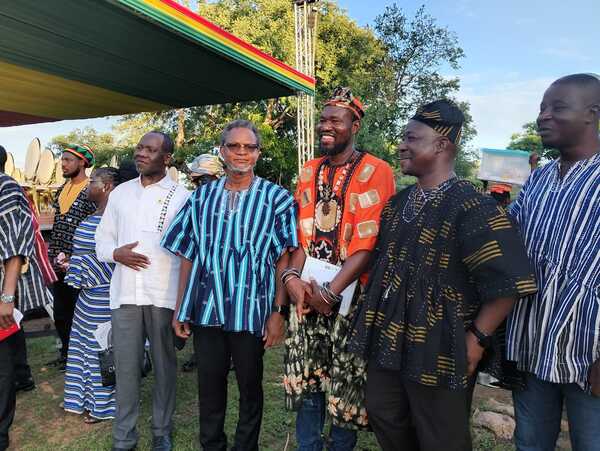
Suayam Janet, the North East National Disaster Management Organisation (NADMO) Regional Auditor, recently participated in a regional stakeholder’s dialogue organized by the Millar Institute for Transdisciplinary and Development Studies (MITDS). Apexnewsgh reports The event showcased an innovative approach to converting grass into charcoal and biochar, which caught Suayam Janet’s attention. Initially surprised by the concept, Suayam Janet acknowledged that it was her first time hearing about using grass for biochar production. However, after learning about the success stories and the project’s overview, she became convinced of its potential benefits for crucial sectors such as agriculture. Suayam Janet highlighted the potential of grass biochar in preventing bushfires and enhancing food security. She expressed her intention to engage stakeholders and explore the possibility of bringing the innovation to the North East Region. By organizing women’s groups and educating them about the project, Suayam Janet believes that the community can benefit from this sustainable approach. As NADMO works to combat bushfires, Suayam Janet sees an opportunity for collaboration and knowledge sharing. By converting grass into charcoal, the final product can provide a sustainable solution for the community. Suayam Janet’s enthusiasm and willingness to engage with the Millar Institute demonstrate the potential for regional development and innovation. Source: Apexnewsgh.com Thanks for reading from Apexnewsgh as a news publishing website from Ghana. We encourage you to freely share this story via social media platform and follow us on; Facebook on APEXNEWSGH-Tv or Please contact Apexnewsgh.com on email apexnewsgh@gmail.com for your credible news publications. Contact: 0248250270/0256336062
SWFA Trains Members on Innovative Grass Charcoal and Biochar Production

The Savannah Women Farmer Association (SWFA) has successfully trained its members on the production of grass charcoal and grass biochar, thanks to the expertise of the Millar Institute for Transdisciplinary Development Studies. Apexnewsgh reports SWFA Project Coordinator, Mr. Oseni Kabiru, shared the impact of this training during a regional stakeholder’s dialogue in Tamale on Monday. According to Mr. Kabiru, the training empowered members to harness the potential of nuisance grasses, preventing bushfires and the destruction of farmlands. By harvesting these grasses, members were able to produce charcoal for domestic use, reducing the need to cut down trees for fuel. Although the goal is to scale up production for commercial purposes, members are currently using the charcoal for personal consumption. The training also focused on using grass as organic manure to enhance agricultural productivity. By adopting this innovative approach, SWFA members are reducing their reliance on chemical fertilizers, promoting sustainable agriculture practices, and enriching their soil. Mr. Kabiru expressed pride in the progress made, stating that the initiative has not only eliminated the need for tree cutting but also empowered members to manage their natural resources effectively. The successful implementation of this project is a testament to the impact of collaborative efforts in promoting sustainable development and environmental conservation. Source: Apexnewsgh.com Thanks for reading from Apexnewsgh as a news publishing website from Ghana. We encourage you to freely share this story via social media platform and follow us on; Facebook on APEXNEWSGH-Tv or Please contact Apexnewsgh.com on email apexnewsgh@gmail.com for your credible news publications. Contact: 0248250270/0256336062
Innovative Biochar Production from Grasses: A Laudable Solution to Bushfires and Soil Fertility– Isaac Kofi Ntori

Mr. Isaac Kofi Ntori, a project officer with A-Rocha Ghana, has commended the innovative idea of producing biochar from grasses, describing it as “very laudable”. Apexnewsgh reports Speaking at a stakeholder’s dialogue meeting organized by the Millar Institute for Transdisciplinary and Development Studies in Tamale on Monday, July 8, 2024, Mr. Ntori highlighted the potential of grass biochar production to address two major challenges in the northern region of Ghana: bushfires and soil fertility. According to Mr. Ntori, grasses are a major cause of bushfires, which pose a significant threat to the landscape, agricultural farms, and properties. However, by harvesting these grasses and converting them into biochar, the soil structure and fertility can be enhanced, leading to increased productivity and reduced bushfires. He emphasized that this innovation has multiple benefits, including reduced carbon emissions, increased forest cover, and enhanced environmental and agricultural security. Mr. Ntori believes that this approach has great prospects, particularly in the agricultural sector, and encourages stakeholders to embrace this innovative solution. He believes, by converting grasses into biochar, Ghana can reduce the risk of bushfires, improve soil fertility, and promote sustainable agriculture practices. This laudable innovation he said has the potential to transform the agricultural landscape in Ghana and ensure a more secure and sustainable future. Source: Apexnewsgh.com Thanks for reading from Apexnewsgh as a news publishing website from Ghana. We encourage you to freely share this story via social media platform and follow us on; Facebook on APEXNEWSGH-Tv or Please contact Apexnewsgh.com on email apexnewsgh@gmail.com for your credible news publications. Contact: 0248250270/0256336062
Grass Biochar: The Sustainable Solution to Soil Degradation and Food Insecurity–Bilal Taimako

Mr. Bilal Taimako Shamsudeen , a representative from the Edugha Institute for Social Development (EISD) and founder of Taimako Plants and Herbal Centre, has emphasized the importance of adopting grass biochar as a sustainable solution to reclaim lost nutrients in soil and promote food security. Apexnewsgh reports Speaking at a stakeholder’s dialogue meeting organized by the Millar Institute for Transdisciplinary and Development Studies in Tamale on Monday, July 8, 2024, Mr. Taimako stressed that chemical fertilizers have destroyed lands and the environment, and that grass biochar is the way forward. He expressed his excitement about the conversation around biochar, stating that it is a necessary step to save the environment and ensure food security. According to him, grass biochar solves several environmental issues, including pollution, bush burning, and soil degradation, while also providing employment opportunities, especially for women. Mr. Taimako emphasized that the impact of biochar on food security, health, and education is enormous, and that it is essential to move beyond talk and into action. He encouraged stakeholders to embrace biochar as a better alternative to inorganic fertilizers, which have negative impacts on soil and the environment. “We don’t have a choice; we need to adopt biochar to save our environment and ensure food security,” he emphasized. “Let’s get to work and make a positive impact on our soil, food, and communities.” The meeting aimed to bring together stakeholders to discuss alternative approaches to sustainable agriculture and environmental conservation. Mr. Taimako’s call to action on grass biochar adoption is a significant step towards promoting sustainable practices and ensuring a food-secure future. Source: Apexnewsgh.com Thanks for reading from Apexnewsgh as a news publishing website from Ghana. We encourage you to freely share this story via social media platform and follow us on; Facebook on APEXNEWSGH-Tv or Please contact Apexnewsgh.com on email apexnewsgh@gmail.com for your credible news publications. Contact: 0248250270/0256336062
GMOs are Tools of New Colonialism– Professor Felix Longi
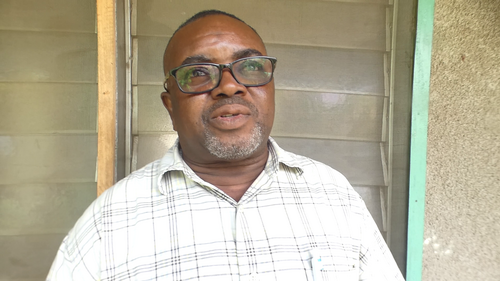
Associate Professor Felix Y. T. Longi of the University of Development Studies has sounded a warning against the use of Genetically Modified Organisms (GMOs) in Ghana’s agricultural sector. Apexnewsgh reports Speaking at a regional stakeholders’ dialogue organized Millar Institute for Transdisciplinary and Development Studies at the northern regional capital Tamale on Monday, July 8, 2024, Prof. Longi described GMOs as “tools of new colonialism” designed to maintain Ghana’s dependence on its former colonial masters. The renowned historian emphasized that the adoption of organic manure, such as grass biochar, is critical to breaking free from the shackles of colonialism. He noted that many farmers in northern Ghana are unable to produce their own seeds and are forced to rely on perpetual seed suppliers, perpetuating the cycle of dependence. Prof. Longi believes that by embracing grass biochar and organic manure, Ghana can decolonize its agricultural sector, enrich its lands, and produce bio-organic food. He urged researchers to focus on this critical area to promote indigenous knowledge systems and break away from Westernized colonial ideas that have hindered Ghana’s progress. The professor’s call to action resonates with the need for sustainable and self-sufficient agricultural practices in Ghana. As the country moves forward, it is essential to prioritize indigenous knowledge systems and environmental sustainability over colonialist ideologies that have hindered progress for far too long. Source: Apexnewsgh.com Thanks for reading from Apexnewsgh as a news publishing website from Ghana. We encourage you to freely share this story via social media platform and follow us on; Facebook on APEXNEWSGH-Tv or Please contact Apexnewsgh.com on email apexnewsgh@gmail.com for your credible news publications. Contact: 0248250270/0256336062
Prof. Felix Y. T. Longi Advocates for Grass Biochar Adoption in Ghana

Associate Professor Felix Y. T. Longi, a social historian at the University of Development Studies, has thrown his weight behind the promotion of grass biochar as a sustainable alternative to traditional charcoal. Apexnewsgh reports Speaking at a regional stakeholders’ dialogue organized by the Millar Institute for Transdisciplinary and Development Studies on Monday, July 8, 2024 in Tamale , Prof. Longi emphasized the enormous benefits of grass biochar, including environmental protection, climate change mitigation, and improved agricultural production. He envisioned a future where a consortium of like-minded individuals would come together to organize a national or international conference to share research findings and best practices on grass biochar. By adopting grass biochar, Ghana can reduce its reliance on fuel wood and chemical fertilizers, which have harmful environmental and health impacts. Prof. Longi also pointed the importance of decolonizing knowledge production and promoting indigenous knowledge systems. He believes that by embracing grass biochar and organic manure, Ghana can break free from the shackles of colonialism and develop a more sustainable and self-sufficient agricultural sector. The historian emphasized that the time has come for Ghana to take steps towards self-reliance and environmental sustainability, citing examples of other countries that have successfully made the transition. He urged stakeholders to support the grass biochar initiative, which he believes has the potential to transform Ghana’s agricultural landscape. Source: Apexnewsgh.com Thanks for reading from Apexnewsgh as a news publishing website from Ghana. We encourage you to freely share this story via social media platform and follow us on; Facebook on APEXNEWSGH-Tv or Please contact Apexnewsgh.com on email apexnewsgh@gmail.com for your credible news publications. Contact: 0248250270/0256336062
GhaFFaP President Advocates for Sustainable Practices and Grass Biochar Application
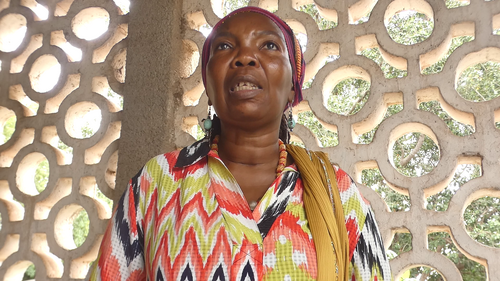
The National President of the Ghana Federation of Forest and Farm Producers (GhaFFaP) and a leader for Savannah Women Farmer Association (SWFA), Madam Alima Sagito Saeed, has stressed the need for sustainable practices and the application of grass biochar to improve soil fertility and promote environmentally conscious farming methods. Apexnewsgh reports Speaking at a stakeholders’ dialogue in Tamale, Madam Alima highlighted the federation’s goal of ensuring its members achieve the best possible outcomes from their investments in land and farming practices. She noted that soil fertility has become a significant issue affecting farmers but emphasized that alternatives like grass biochar can provide opportunities for improvement. The GhaFFaP president further emphasized the importance of adopting environmentally conscious practices to ensure sustainability and highlighted the federation’s efforts to restore sustainable practices and promote knowledge management over the past four years. According to Madam Alima, the federation has collaborated with the Millar Institute for Transdisciplinary and Development Studies, a research and knowledge management institution, to produce sustainable products and promote sustainability awareness. The stakeholders’ dialogue brought together state institutions, community development organizations, and partners to discuss alternative approaches to restoring forests, lands, and livelihoods. Madam Alima stressed the importance of adding value to grassroots initiatives and promoting sustainable practices to ensure a sustainable future for farming communities. She believes, the application of grass biochar, as introduced by the Millar Institute, is seen as a key solution to improving soil fertility and promoting sustainable farming practices. “By adopting this approach, farmers can improve their yields, reduce environmental degradation, and contribute to sustainable agriculture practices in Ghana”. She stressed Source: Apexnewsgh.com Thanks for reading from Apexnewsgh as a news publishing website from Ghana. We encourage you to freely share this story via social media platform and follow us on; Facebook on APEXNEWSGH-Tv or Please contact Apexnewsgh.com on email apexnewsgh@gmail.com for your credible news publications. Contact: 0248250270/0256336062
Pwalugu Multi-Purpose Dam Advocacy Brief
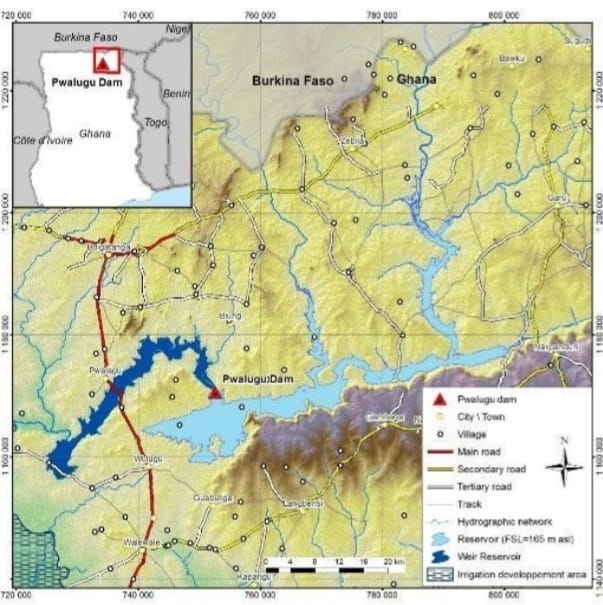
Put together by Prof. David Millar ((20th May, 2024)) 1.0 CONTEXT AND HISTORY OF THE PROJECT Pwalugu project was firstly studied in 1993 at a prefeasibility level, along with two other schemes on the White Volta River (Kulpawn and Daboya) and one project on the Oti River (Juale). Pwalugu project was recommended as a priority project to foster economic development in Northern Ghana. In 2013, the Volta River Authority (VRA) – the main power generation company in Ghana, solely owned by the Government of Ghana (GoG) – and TRACTEBEL signed a contract for the feasibility and detailed design studies of the Pwalugu Multipurpose Dam Project (PMDP). The Pre-Feasibility and Feasibility Studies were respectively completed in May 2014 and January 2016. The ESIA carried out by Mott McDonald highlighted important impacts related to the large dam reservoir. In response to concerns about the environmental and social impact of the original dam height of 40m, the VRA requested TRACTEBEL to conduct complementary studies to assess different project options. This led to the reduction of the dam height to 35m. In 2019, Government of Ghana decided to implement the project and mandated TRACTEBEL and SRC Consulting to carry out the Environmental and Social Impact Assessment Study (ESIA) and the Resettlement Action Plan (RAP) of the Pwalugu Multipurpose Dam Project (PMDP). In its final design, the PMDP is intended to contribute to the economic development of Northern Ghana by several means: Developing the irrigation potential of the White Volta plains; Mitigating floods downstream of the dam; Generating power to be injected on the northern end of the national grid; Developing other economic activities on the reservoir, such as fishery. 1.1 Pwalugu Multipurpose Dam Project (PMDP) includes: A composite dam made of a rolled compacted concrete (RCC) dam in the central valley/riverbed, rockfill dam with clay core on the left Bank and an earth dam with clay core on the right bank. The maximum dam height is about 60 m asl, with a crest elevation set at 168m asl and 1.8 km long; A gated spillway equipped with 6 gates; Two bottom outlets with sills located at the dead storage level (137 m asl); Two power intakes (one per turbine) located at 137.10m asl; In order to be operated in case of maintenance of the two turbines, an independent outlet is set for the environmental flow located near the intakes of the two turbines at 137m asl. A Hydro-Power Plant located at the toe of the dam on the left bank with an installed capacity of 59.6 MW. The plant will comprise 2 Kaplan-type turbines with single capacity of 29,8, supplying an average 176 GWh/year of which 100 GWh will be delivered with 95% reliability every year; An irrigation weir located 50 km downstream of the main dam. The weir is composed by a concrete structure for the canal intake, a concrete primary weir to evacuate the normal operating flows and earthen gabion secondary weir to act as a spillway when floods occur. The weir is 1 km long with a crest elevation set at 133 m asl; A 161-kV power transmission line 15km long from the switch yard to the existing Tamale-Bolgatanga Transmission line. A 20,000ha irrigation development area located downstream of the weir (which is not part of the present ESIA); A Solar Plant with an installed capacity of 50 MW (which is not part of this ESIA). A base camp is planned to house the project owner and contractor’s personnel during the construction period and to accommodate the operating personnel during the project’s operational life. The PMDP will create two reservoirs: A main reservoir upstream of the main dam with a 2,6 billion m3 storage capacity and a 263 km² surface area, the FSL is set at 165m asl and the Maximum water level is set at 165.23 masl. A weir reservoir upstream of the weir with a maximum surface area of 81km2 (corresponding to the area flooded for a 1 in 1000 return period flood) 1.2 Dam alternatives study In 2018, the VRA requested Tractebel to investigate five alternative scenarios (Alternatives 1 to 5) in addition to the one studied earlier throughout the Feasibility Study (Alternative 0). In the previous studies, the dam design was driven by the maximisation of the energy generation and the development of 20,000 irrigated hectares in the downstream floodplain. The purpose of the alternatives study was to compare different alternative schemes with a dam sized for irrigation as the primary operational purpose. The 5 alternatives were: Alternative 0: baseline scenario that corresponds to the Feasibility Study design with a main dam with an FSL =170m asl, a diversion weir and irrigation area of 20,000ha; The arrangement of Alternative 1 with a dam elevation set at FSL = 151m asl; Alternative 2 differs from Alternative 1 by the location of the axis of the main dam, which is set on the so called “upstream axis” identified at the pre-feasibility study stage with a FSL at 158.5 m, a diversion weir and an irrigation area of 20,000ha; Alternative 3 is made of one unique reservoir. This unique dam is located on the irrigation weir axis studied and investigated during the Feasibility Study (FSL= 140.5 m asl). The irrigated areas remain the same; Alternative 4: Located on the same site as Alternative 3, Alternative 4 dam crest is determined so that the reservoir can store enough water to irrigate 5,000 Ha by gravity (FSL= 137.5m asl). The dam is designed to allow future heightening of the dam permitting the extension of the irrigated area up to 20,000 Ha. dam axis that corresponds to the Feasibility Study irrigation weir axis The arrangement of Alternative 5 (current design) is similar that of the baseline scenario (Alternative 0), only the dam height differs. FSL = 165m asl; With a dam crest located 5 meters below that of Alternative 0, Alternative 5 generates slightly less energy (-15%) but also limits the social and environmental impacts as its total reservoir area is reduced
Societal Norms Diluted, Leading to Increase in Witchcraft Accusations and Lynching—Prof. Millar

In a recent documentary titled “THE HORRORS OF WITCHCRAFT ACCUSATION”, produced Ngamegbulam Chidozie Stephen of ApexnewsGh, Prof. David Millar, President of the Millar Institute for Transdisciplinary and Development Studies (MITDS), shed light on the alarming rise of witchcraft accusations and lynching incidents in various communities. Millar attributed this trend to the weakening of societal norms. According to Prof. Millar, the dilution of societal norms can be attributed to the shrinking size of families and the weakening of family ties. Additionally, modern influences, such as changes in governance systems and perceptions of wellbeing, have played a role in altering the perception of poverty. These factors have collectively contributed to the increase in witchcraft accusations and subsequent instances of lynching. The astute Professor Millar further highlighted that accusations of witchcraft are typically targeted towards marginalized and vulnerable individuals. These individuals, often from poor and unknown families, become easy targets for labeling as witches. However, traditionally, being called a witch was considered a status symbol. Chiefs and elders in the northern communities of Ghana valued witches, as they were believed to possess the ability to predict calamities and serve as early warning systems for the community. Contrary to the traditional role of witches as spiritual protectors, the recent victims of lynching are individuals from families that do not have witches. Millar emphasized that these victims are not true witches, as their alleged witch status is a fabrication. The lynching incidents emerge from modern interferences that have distorted the understanding and appreciation of witchcraft in society. He further proposed that traditional structures and systems, such as chiefs, elders, and family heads, can protect accused witches in communities. Rather than relying on government or NGOs, he believes that involving the community itself is crucial for finding a solution to this pressing issue. Through community involvement, witchcraft accusations can be carefully evaluated, ensuring that innocent individuals are not unfairly targeted. To reinstate discipline and ensure fairness in the process of identifying witches, Prof. Millar suggested implementing a practice where the village chief and elders sip the concoction given to the alleged witch before it is administered. This approach would establish a sense of responsibility, preventing baseless accusations and promoting a more thorough examination of each case. However, Prof. Millar’s engagement with ApexnewsGh has unveiled the underlying causes of the surge in witchcraft accusations and the subsequent lynching incidents in Ghana. “By understanding the dilution of societal norms and implementing traditional protective structures, communities can work towards eradicating this dangerous and unjust practice”. Prof. Millar stressed The documentary was sponsored by MRG with support from MPEC Source: Ngamegbulam Chidozie Stephen Please contact Apexnewsgh.com on email apexnewsgh@gmail.com for your credible news publications. Contact: 0256336062
Valuable Resource: Nuisance Grass Used in Africa to Combat Climate Change
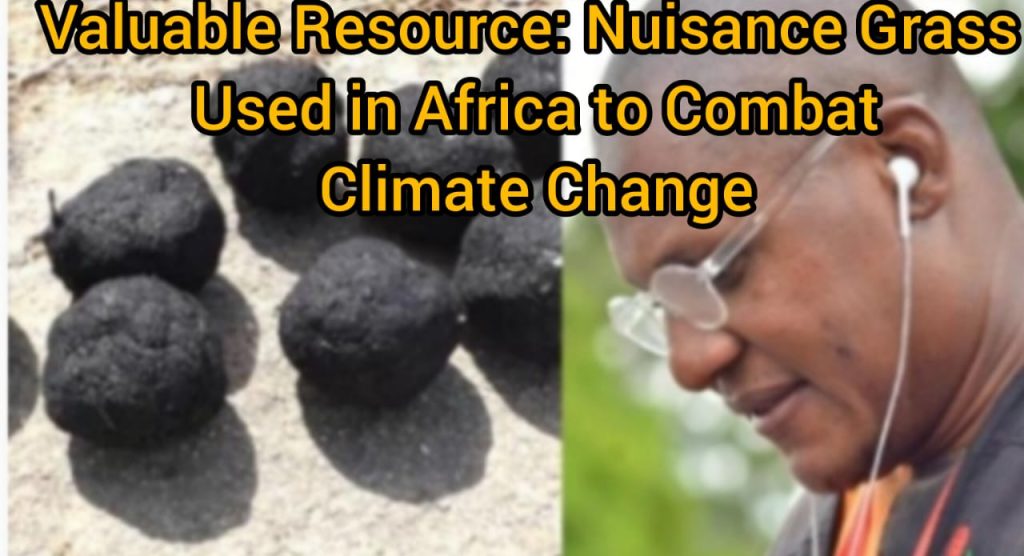
Grass, often viewed as a nuisance in Africa due to its persistent growth and tendency to invade fields and gardens, may soon be recognized for its value as a raw material. While it may seem surprising, grass has the potential to become a valuable resource, with opportunities for economic development and innovation. Apexnewsgh reports. In recent years, researchers and entrepreneurs have been exploring the possibilities of utilizing grass for a variety of purposes. From turning it into biofuels to using it as a sustainable building material, there are numerous ways in which grass can be harnessed for its beneficial properties. This shift in perspective is transforming the way we view this seemingly ordinary plant. One of the key advantages of utilizing grass is its abundance in Africa. With vast swathes of land covered in grass, there is a huge potential for harnessing this resource for economic gain. By finding innovative ways to process and utilize grass, countries in Africa can create new industries and job opportunities, contributing to overall economic growth. Meanwhile, utilizing grass as a raw material offers environmental benefits. By promoting sustainable practices for grass harvesting and processing, we can reduce our reliance on non-renewable resources and lower carbon emissions. This not only benefits the environment but also contributes to the fight against climate change. Increasing LPG Prices Drive Citizens to Wood Fuels in Africa In a recent investigation by Ngamegbulam Chidozie Stephen of Apexnewsgh.com, a troubling trend has emerged in which citizens are increasingly turning to wood fuel products such as firewood and charcoal due to the rising cost of Liquefied Petroleum Gas (LPG). This shift is primarily affecting the lower class of citizens, who are finding it increasingly difficult to afford the higher prices of LPG. The price of LPG has been steadily increasing, making it a less viable option for many households, particularly those with limited financial resources. As a result, individuals are resorting to traditional wood fuels as a more affordable alternative for cooking and heating purposes. While the use of wood fuels may provide temporary relief for those struggling to afford LPG, it also comes with significant drawbacks. The reliance on wood fuels contributes to deforestation and environmental degradation, leading to long-term negative impacts on the environment and public health. It is imperative for policymakers and stakeholders to address the underlying issues driving the increase in LPG prices and provide affordable alternatives for citizens. Promoting sustainable practices and investing in clean energy solutions can help mitigate the reliance on wood fuels and reduce the negative impacts on the environment. As citizens in Africa grapple with the rising cost of LPG, the need for accessible and affordable energy solutions becomes more urgent. By addressing the root causes of the issue and promoting sustainable energy sources, we can ensure a more sustainable future for all. The Environmental Impact of Charcoal Production on Economic Trees Charcoal is a key component in our cooking activities, but the continued felling of economic trees such as rosewood and shea trees for charcoal production raises an important question. These trees not only contribute significantly to the economy but also provide vital benefits to citizens as especially the vulnerable. Meanwhile, in addition to their economic value, the felling of these trees for charcoal production poses a significant threat to the environment. In an era of climate change, the loss of these trees can have devastating effects on our ecosystem and overall well-being as a society. It is important to consider the long-term consequences of prioritizing charcoal production over the preservation of valuable economic trees. Sustainable practices must be implemented to ensure that we can continue to enjoy the benefits of these trees without causing harm to our environment. It is essential that we strike a balance between our short-term needs for charcoal and the long-term health of our planet. Grass-Charcoal Innovation: A Hidden Gold in the Open for Africa In a groundbreaking development, Professor David Millar, the President of Miller Institute for Transdisciplinary and Development Studies in Ghana, has introduced a new innovation that could potentially revolutionize the way people view grass as a commodity in Africa. Described as a “Hidden Gold in the Open,” grass has now emerged as a solution to various challenges including bushfire burning, deforestation caused by the felling of economic trees, and the creation of job opportunities, especially in rural areas. The concept of Grass-Charcoal, a charcoal product made from grass briquettes, is poised to become a viable alternative to wood fuels. As awareness of this innovation spreads, more people are expected to recognize the economic potential that nuisance grass holds. The process of producing grass charcoal is less labor-intensive and environmentally harmful compared to traditional methods of charcoal production, making it an attractive option for both producers and consumers. Professor Millar’s Grass-Charcoal innovation represents a significant opportunity for African countries to address unemployment, particularly in rural communities. By embracing this innovative approach, African leaders can support the creation of more job opportunities while simultaneously promoting sustainable practices that benefit both people and the environment. The Grass-Charcoal innovation is indeed a “Hidden Gold in the Open” for Africa, waiting to be explored and utilized for the greater good. Recommendation Therefore, it is recommended that local governments, communities, and individuals work together to promote sustainable forestry practices, reforestation efforts, and alternative sources of fuel to reduce the reliance on charcoal production. By taking action now, we can help protect our forests, wildlife, and future generations. Let us prioritize the preservation of our economic trees and work towards a more sustainable future for all. Source: Apexnewsgh.com Please contact Apexnewsgh.com on email apexnewsgh@gmail.com for your credible news publications. Contact: 0256336062