








The sun rose over the ancient baobab trees of the Kassena-Nankana West District, casting long shadows across the weathered stones of the Paga Slave Camp. It was a morning heavy with memory, and purpose.
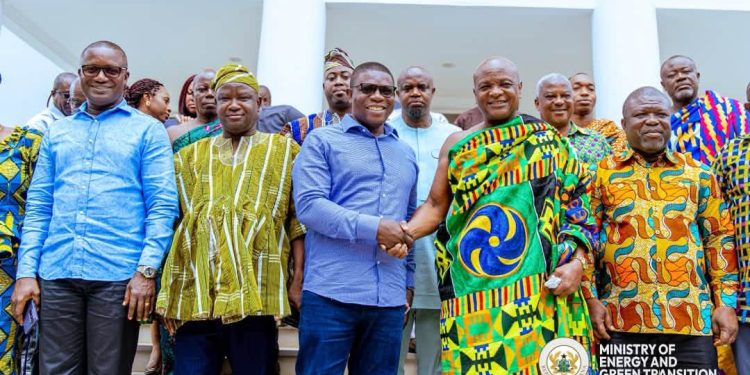
As the 2026 Emancipation Day celebrations began, the historic Oikworo Slave Camp stirred to life. Traditional chiefs in their finest kente cloth mingled with government officials, while the rhythmic beat of talking drums welcomed members of the African diaspora who had journeyed from across the ocean to stand on the very ground where their ancestors once suffered.
Among the gathering stood a delegation that carried the hopes of the Upper East Region’s cultural preservation. The Alagumgube Association had arrived.
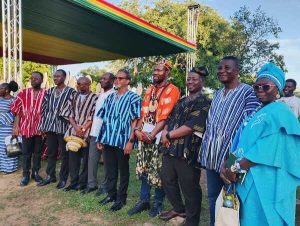
Led by Acting Chairman Atibila Aloysius, the group moved through the crowd with quiet determination. Beside him stood Madam Prisca Naam Boma Yenzie, her presence a testament to the women who had kept their ancestors’ stories alive through generations. Apalazo-eya Joshua and other members fanned out among the attendees, their faces reflecting both the weight of history and the fire of commitment.
The commemoration was not merely a ceremony, it was a journey. As participants walked the guided tours through the slave camp, they traced the footsteps of millions who had been torn from their homes. The stones seemed to whisper tales of resilience, of families shattered and spirits that refused to break.
Cultural performances erupted across the grounds. Dancers in vibrant smocks told stories through movement, their feet pounding the earth in a rhythm that connected the present to the past. Traditional songs rose above the gathering, melodies that had survived centuries of sorrow to become anthems of triumph.
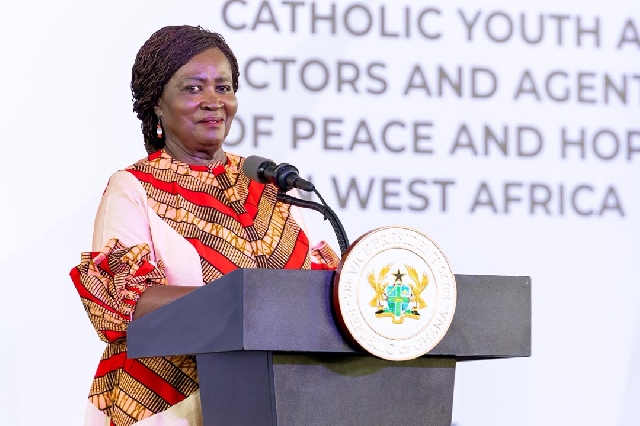
The Alagumgube delegation listened intently as speakers took the podium. Messages of peace and unity wove through the air like threads of a grand tapestry. Reconciliation, development, and the power of remembering, these were the themes that bound the diverse gathering together.
When it was their turn to speak, Acting Chairman Atibila Aloysius stepped forward with the weight of his Association’s mission on his shoulders. “We stand here not just to remember,” he declared, his voice carrying across the crowd, “but to act. The preservation of our heritage is the preservation of our identity. The Alagumgube Association is committed to protecting these monuments, educating our youth, and building a future that honors our past.”
As the afternoon sun softened into gold, the delegation engaged with stakeholders from across the globe. Development partners took note of the Association’s vision. Cultural institutions exchanged contact information, eager to collaborate. The diaspora members, many with tears in their eyes, embraced their Ghanaian hosts, the bonds of shared heritage unbreakable.
By day’s end, the echoes of the slave camp had been transformed. What was once a site of suffering had become a beacon of hope, a place where tourism meets education, where economic opportunity grows from historical preservation, and where the wounds of the past find healing in the promise of the future.
The Alagumgube Association departed with renewed purpose. Their commitment to the Upper East Region’s cultural and historical heritage burned brighter than ever. They had come to commemorate. They left determined to collaborate, with government institutions, traditional authorities, and development partners—to ensure that the stories of their ancestors would never be forgotten, and that the landmarks that told those stories would stand strong for generations to come.
In the fading light of that Emancipation Day, the Association’s delegation looked back at the Paga Slave Camp one last time. The shadows had grown long, but the hope shining from the old stones was brighter still.
Source: Apexnewsgh.com